Understanding your weight and how it changes over time can be quite a journey, especially for women navigating various life stages. The Women’s Body Weight Chart serves as a straightforward tool to help you track your weight, set goals, and monitor your progress. This resource is not just a piece of paper; it’s a practical tool designed to fit seamlessly into your routine. Let’s explore how to make the most of this chart, including its layout, how to fill it in, and why it’s a valuable addition to your health management toolkit.
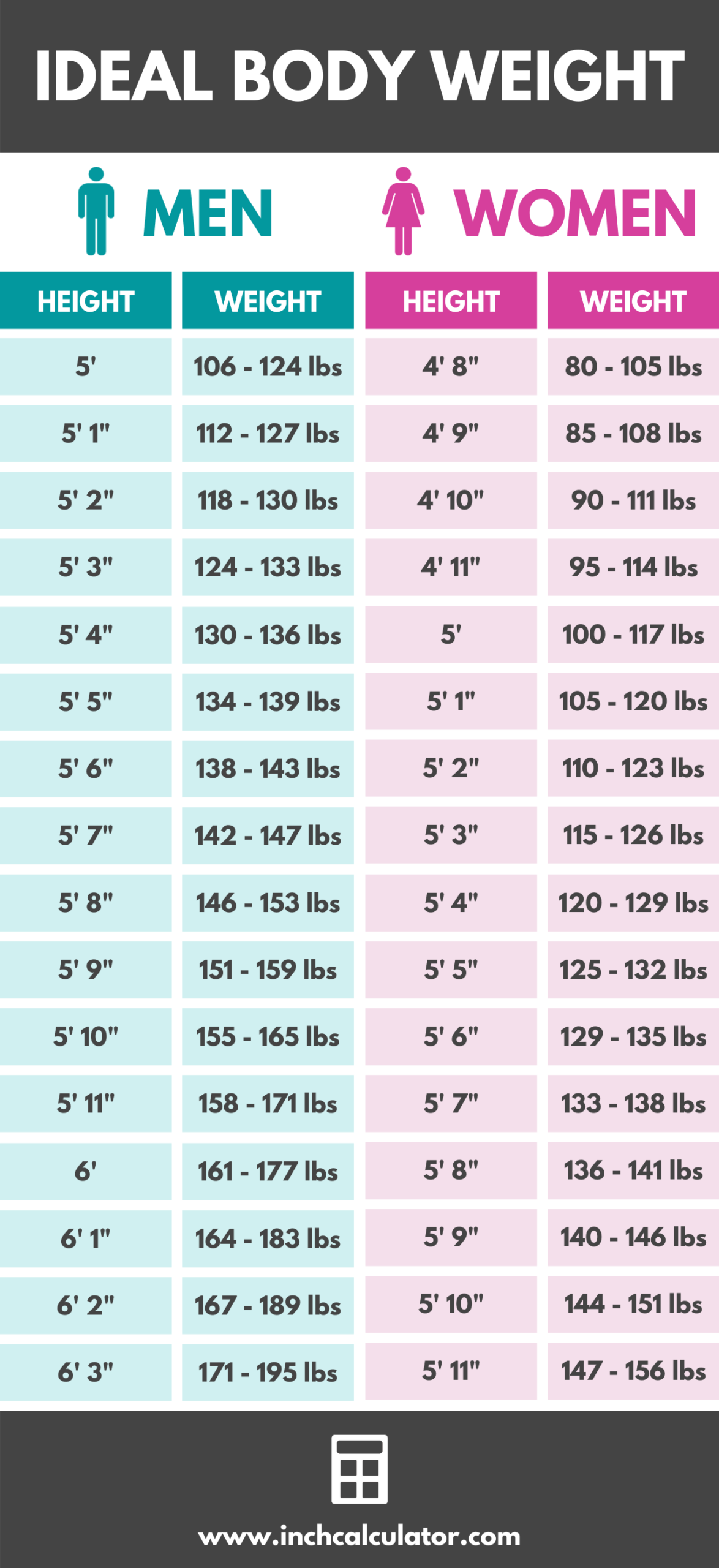
The Layout of the Women’s Body Weight Chart
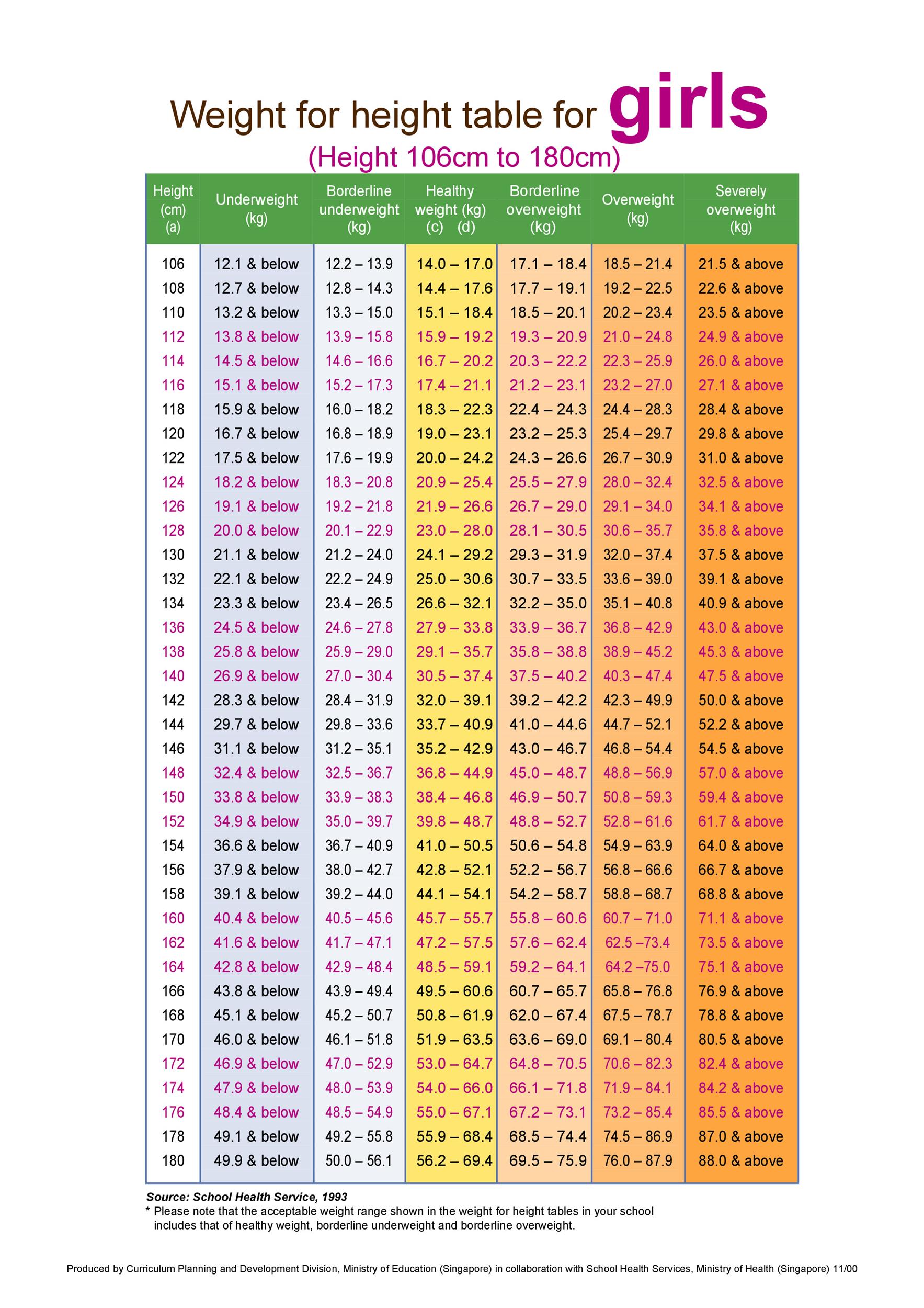
At first glance, the Women’s Body Weight Chart is simple yet effective. It typically features a clean design with clearly labeled sections. You’ll usually find columns for your date, weight, and any notes you might want to add. This straightforward layout is intentional; it allows you to quickly jot down your weight and any relevant notes without feeling overwhelmed.
The chart often spans several weeks or months, giving you a broader view of your weight trends over time. This is particularly important for tracking your progress, whether you’re trying to lose weight, maintain your current weight, or even gain weight in a healthy manner. The visual representation of your data helps highlight patterns that may not be obvious at first glance.
How to Fill in the Women’s Body Weight Chart
Filling in your Women’s Body Weight Chart is easy and requires just a few steps. Here’s how to do it effectively:
- Choose Your Frequency: Decide how often you want to weigh yourself. Weekly is common, but some prefer daily or bi-weekly. Consistency is key, so pick what feels right for you.
- Record Your Weight: On the designated date, simply write down your weight in the appropriate column. For added context, you can include notes about your diet, exercise, or emotional state that day.
- Track Progress Over Time: Regularly updating your chart allows you to see trends. You might notice weight fluctuations due to various factors like water retention or muscle gain. This understanding can help you adjust your goals realistically.
- Personalize it: Feel free to add additional columns if you want to track other metrics, such as body measurements or fitness milestones. This customization can help you better understand your overall health journey.
When to Use the Women’s Body Weight Chart
The Women’s Body Weight Chart is beneficial in several scenarios. If you’re starting a new diet or exercise program, having a dedicated space to track your weight can keep you accountable. It’s also useful during life changes, such as pregnancy or significant lifestyle shifts, when weight fluctuations are common.
Additionally, healthcare providers often recommend tracking weight for women with specific health concerns. This chart can serve as a helpful reference during appointments, allowing you to share your progress clearly and concisely.
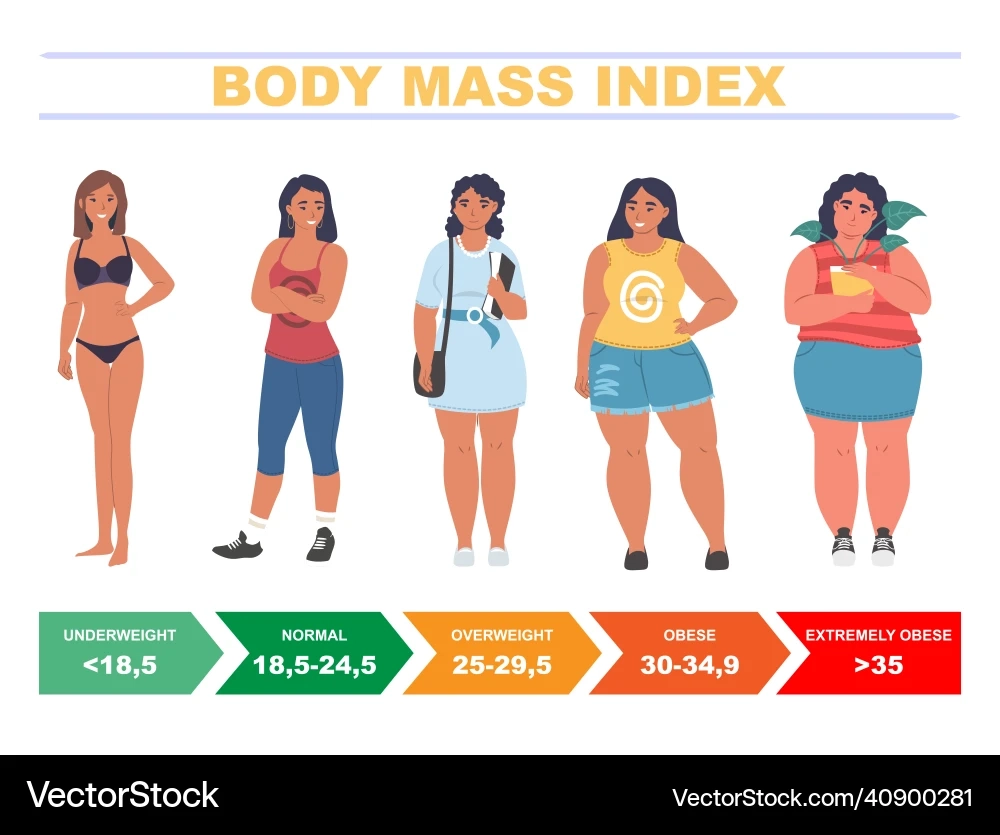
Presentation Quality and Printing Tips
When it comes to using the Women’s Body Weight Chart, presentation matters. A well-printed chart can motivate you to fill it out regularly. Here are some tips to ensure your chart looks great:
- Paper Type: Use a thicker paper like cardstock for durability, especially if you plan to keep it in a binder or display it somewhere. This paper type holds up better over time.
- Printer Settings: Opt for standard print settings, but consider using a high-quality print option for the best results. Ensure that the layout fits your page size properly, typically A4 or letter size.
- Portrait vs. Landscape: Most charts are designed in portrait layout, which fits well on most home printers. This layout also allows for easy reading and writing.
- Digital vs. Printable: If you’re tech-savvy, consider using a digital version of the chart. This can be helpful for those who prefer tracking their weight on a tablet or computer.
Incorporating the Women’s Body Weight Chart into your health routine not only helps you keep track of your weight but also empowers you to take control of your health journey. This tool is designed to be more than just a chart; it’s a resource for reflection and motivation.
Having a dedicated space to record your weight can foster mindfulness about your health choices. Whether you’re aiming to lose a few pounds, maintain your weight, or understand your body better, this chart can serve as your guide. Remember, small, consistent actions lead to lasting changes.
