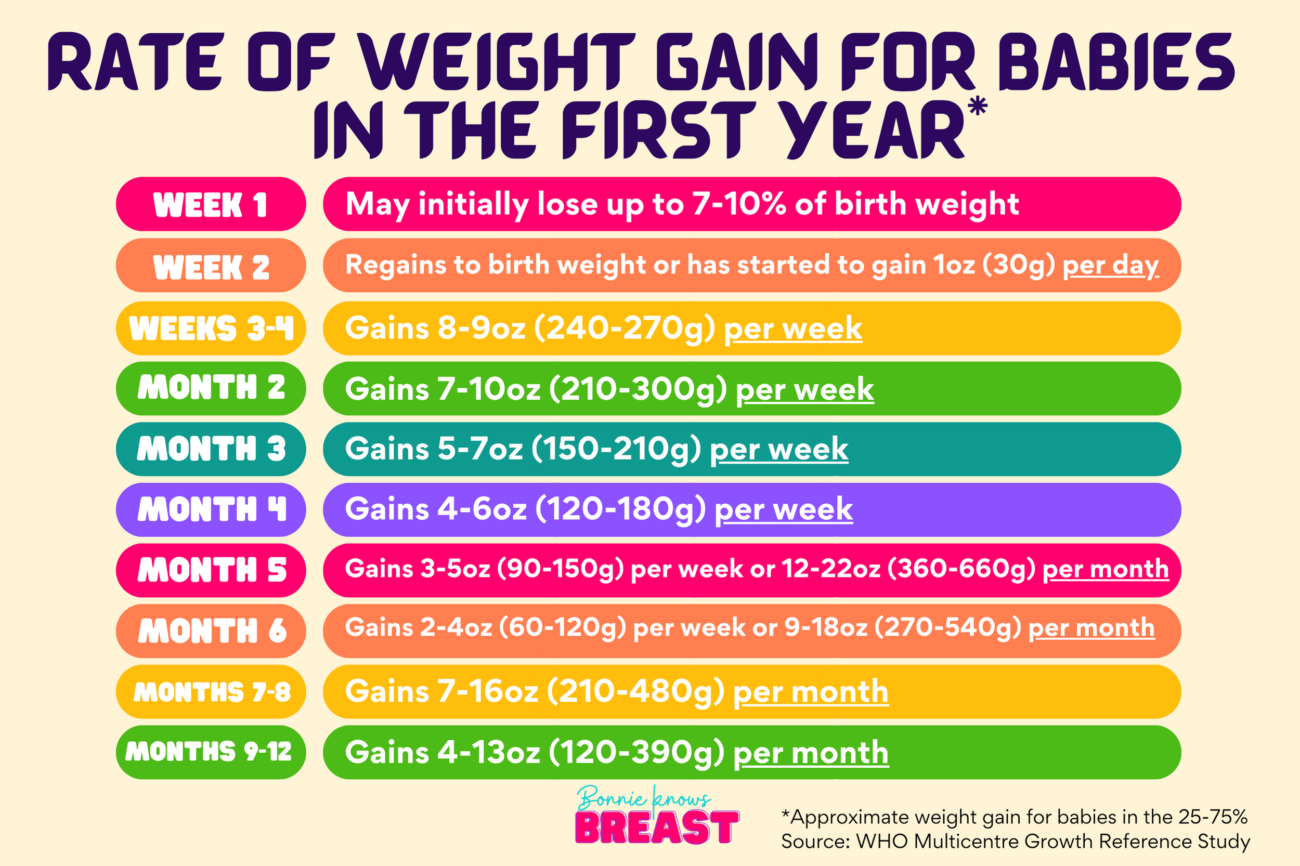
Monitoring your infant’s weight gain is a vital part of ensuring their healthy development. A Weight Gain For Infants Chart provides a clear visual tool for parents and caregivers to track their baby’s growth over time. It helps identify any potential concerns, making it easier to discuss with healthcare professionals. In this article, we’ll explore how to use this chart effectively, what information it includes, and why it’s a beneficial resource for every parent.
Understanding the Weight Gain For Infants Chart
The Weight Gain For Infants Chart is designed to help you monitor your baby’s growth patterns. It typically includes age ranges from birth to 12 months, with corresponding weight percentiles. You’ll find columns for the age in weeks or months, the expected weight range, and the actual weight recorded. This layout allows you to quickly see if your infant is growing within the expected parameters.
To use the chart, simply record your baby’s weight at regular intervals. Weighing your baby every two weeks is a common practice in the early months. Make sure to use a reliable scale, and note the weight in the appropriate column. Over time, you’ll be able to visualize your child’s growth trajectory and make informed decisions about their nutrition and health.
How to Read the Chart
Reading the Weight Gain For Infants Chart is straightforward but requires attention to detail. The chart typically shows weight percentiles, which indicate how your baby’s weight compares to others of the same age. For example:
- The 50th percentile means your baby is exactly average for their age.
- The 75th percentile indicates your baby weighs more than 75% of infants their age.
- The 25th percentile means your baby weighs less than 75% of infants.
When you plot your baby’s actual weight on the chart, you can see if they are tracking along the same percentile line over time. If your baby’s weight fluctuates significantly, it might be worth discussing with a pediatrician.
Recording Weight Over Time
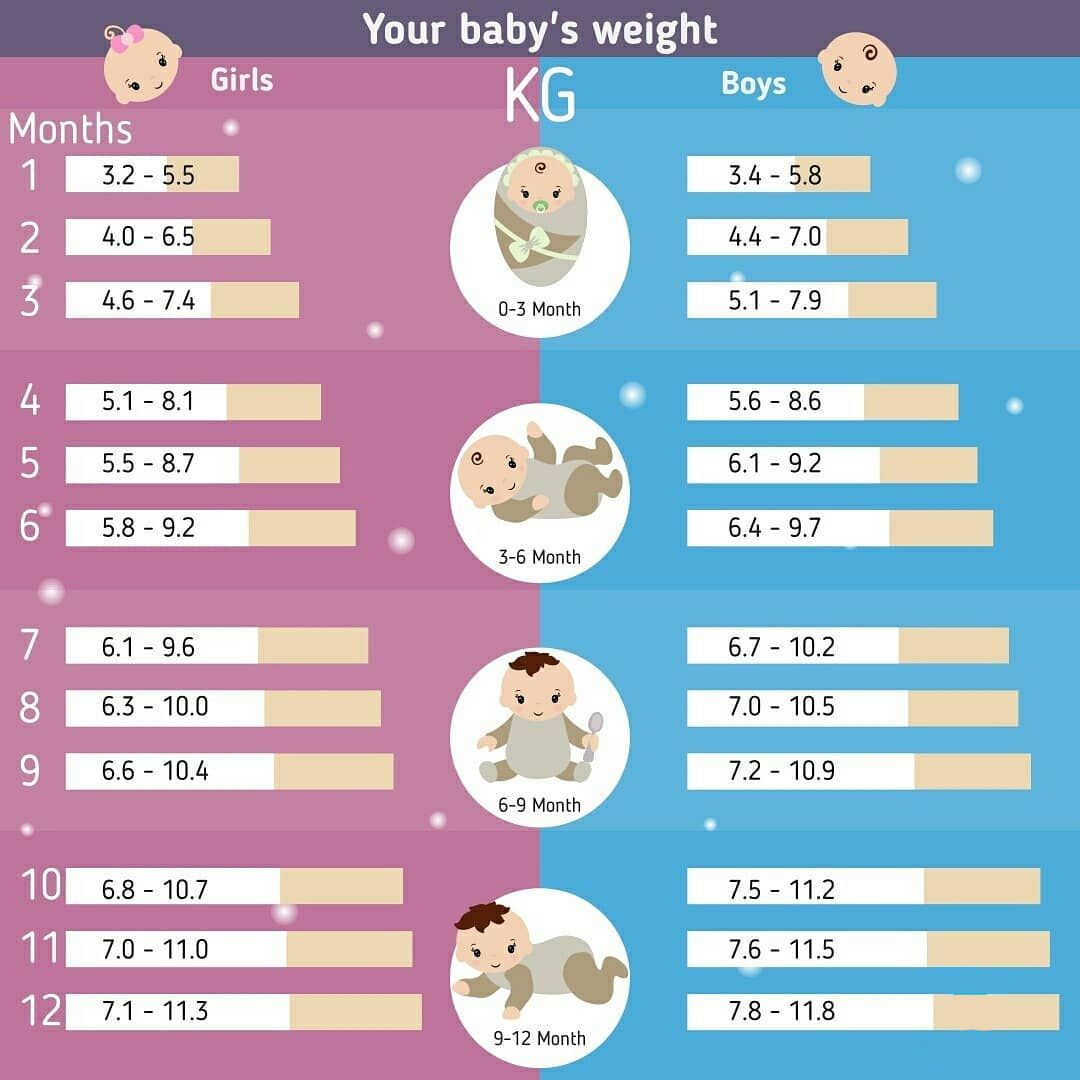
When using the Weight Gain For Infants Chart, consistency is key. Here are some practical tips for recording weight:
- Weigh your baby at the same time of day, ideally before their feeding.
- Use the same scale to maintain accuracy.
- Keep a log of the dates and weights, which you can refer to during pediatric visits.
This consistent tracking can help you identify trends. For instance, if your baby consistently gains weight but suddenly stops, it might be time to seek advice.
Digital Vs. Printable Charts
You have options when it comes to using the Weight Gain For Infants Chart. You can choose between a fillable PDF version or a printable chart. Each has its benefits depending on your preference for tracking:
- Digital Chart: A fillable PDF allows you to enter weights directly on your device. This can be convenient if you prefer digital records. You can also easily share this information with your pediatrician via email.
- Printable Chart: If you like to keep things tangible, a printable version works well. You can fill it in by hand and keep it in a baby book or on the fridge for easy access. This method may feel more personal and allows for additional notes or comments.
Ultimately, the choice between digital and print comes down to what feels more comfortable for you. Both formats serve the same purpose—tracking your baby’s growth.
When to Consult a Pediatrician
While the Weight Gain For Infants Chart is an excellent tool for tracking growth, it’s essential to know when to seek professional guidance. Here are some signs that might indicate a need for concern:
- Your baby is consistently below the 5th percentile for weight.
- There are sudden drops or spikes in weight.
- Your baby shows signs of lethargy, poor feeding, or other unusual behaviors.
If you notice any of these signs, it’s best to consult your pediatrician. They can provide personalized advice and recommendations based on your baby’s health history.
Next Steps for Parents
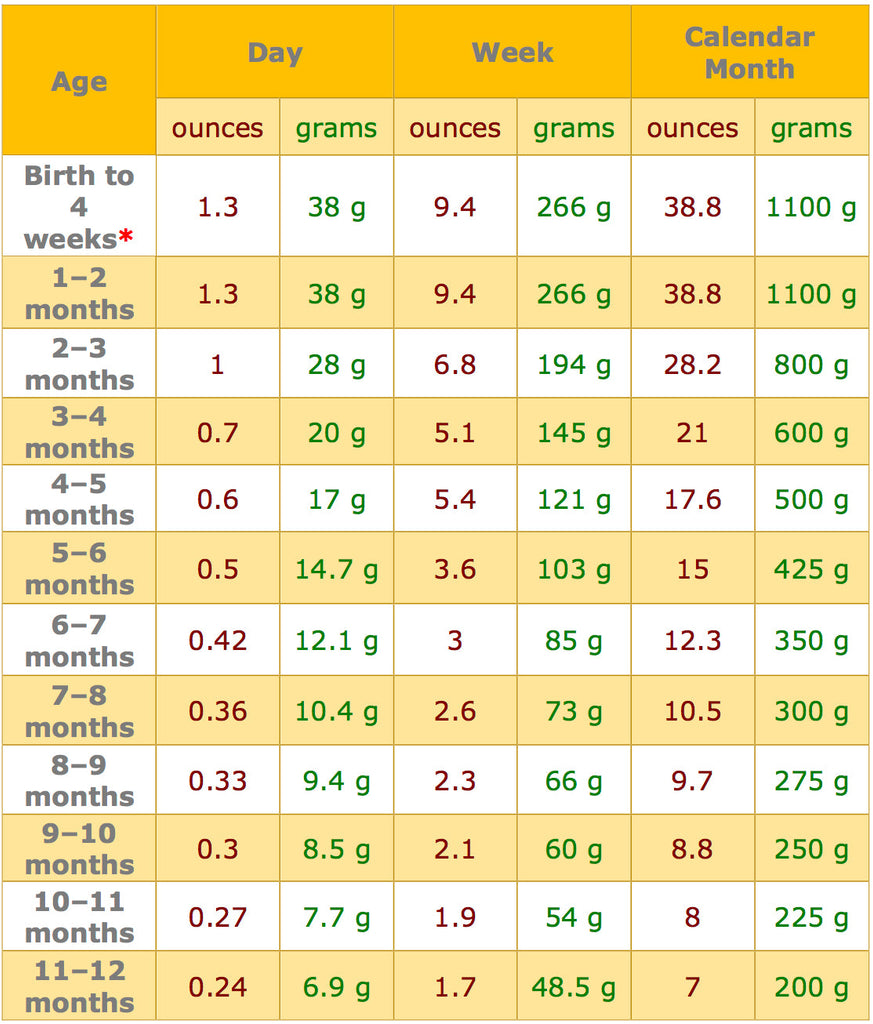
Using the Weight Gain For Infants Chart is an empowering way to take charge of your baby’s health. Start by downloading a chart that suits your needs—whether it’s digital or printable. Make a habit of weighing your baby regularly and recording their weight on the chart. This simple practice can provide peace of mind and help you ensure that your little one is growing as they should.
As you track your baby’s growth, remember that each child develops at their own pace. The chart is a guide, not a definitive measure of your baby’s health. Regular check-ups with your pediatrician will help you navigate any concerns, allowing your family to enjoy this precious time with your infant.
