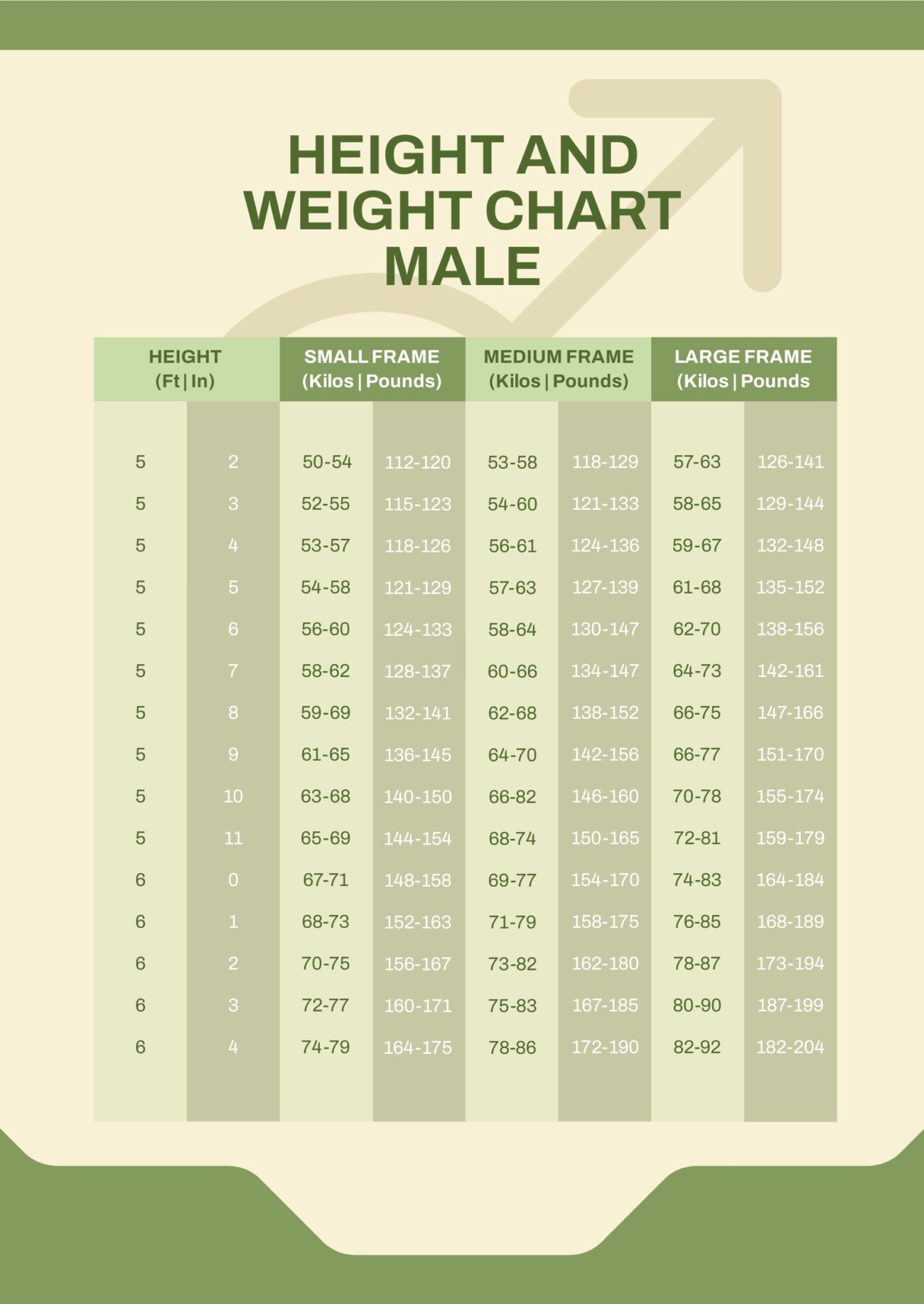
Maintaining an accurate understanding of your child’s growth can be a bit overwhelming. That’s where Weight Charts By Age And Height come in. These charts provide a visual representation of how your child’s weight compares to their peers, allowing you to track their growth over time. If you are a parent, teacher, or healthcare provider, having these charts handy can simplify your planning and monitoring process.
Understanding Weight Charts
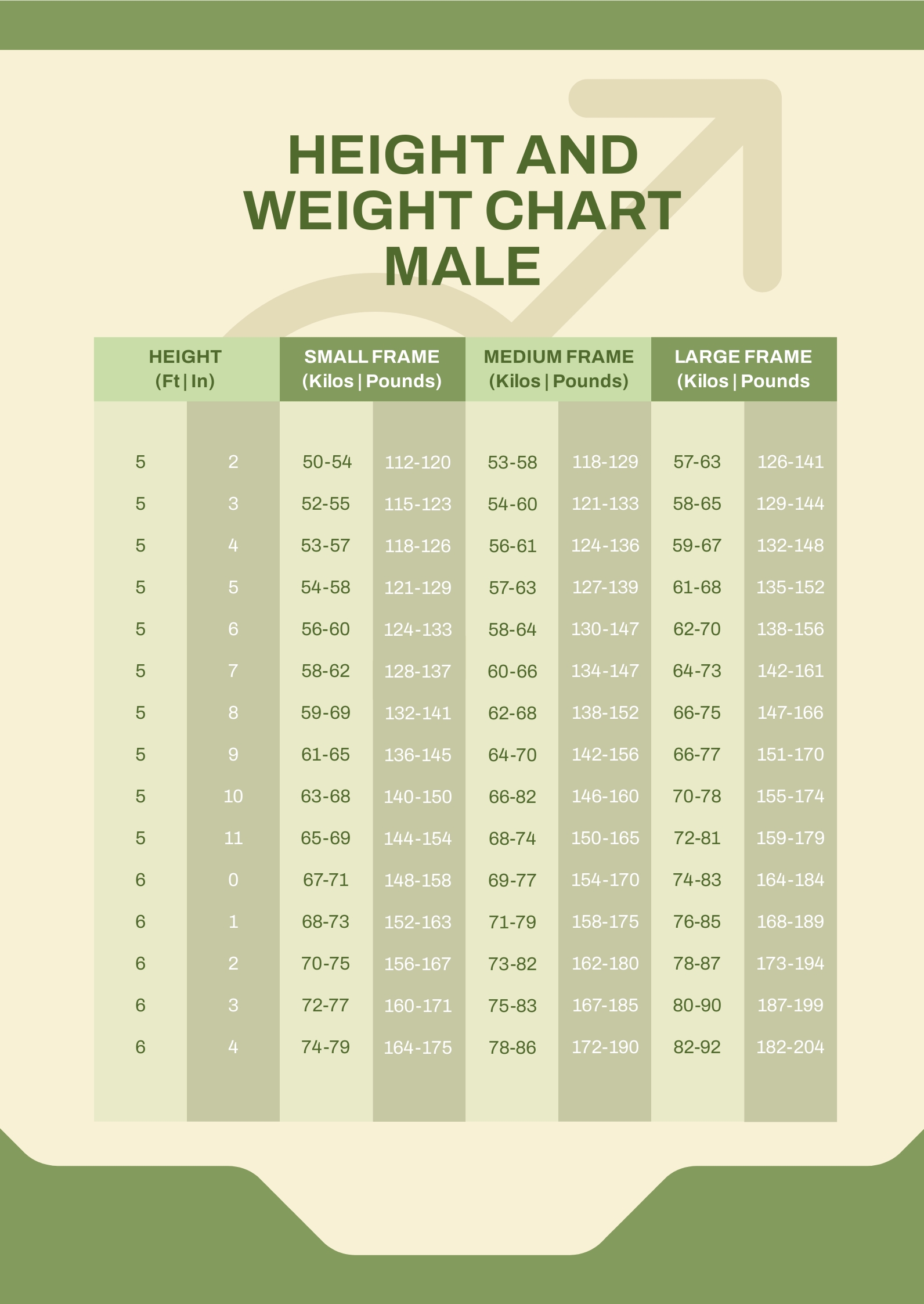
Weight charts are essential tools for tracking children’s growth patterns. They typically plot weight against age and height, allowing you to see if your child is within a healthy range. The charts are often based on data from health organizations, such as the CDC or WHO, ensuring that the information is reliable and relevant.
Why Use Weight Charts?
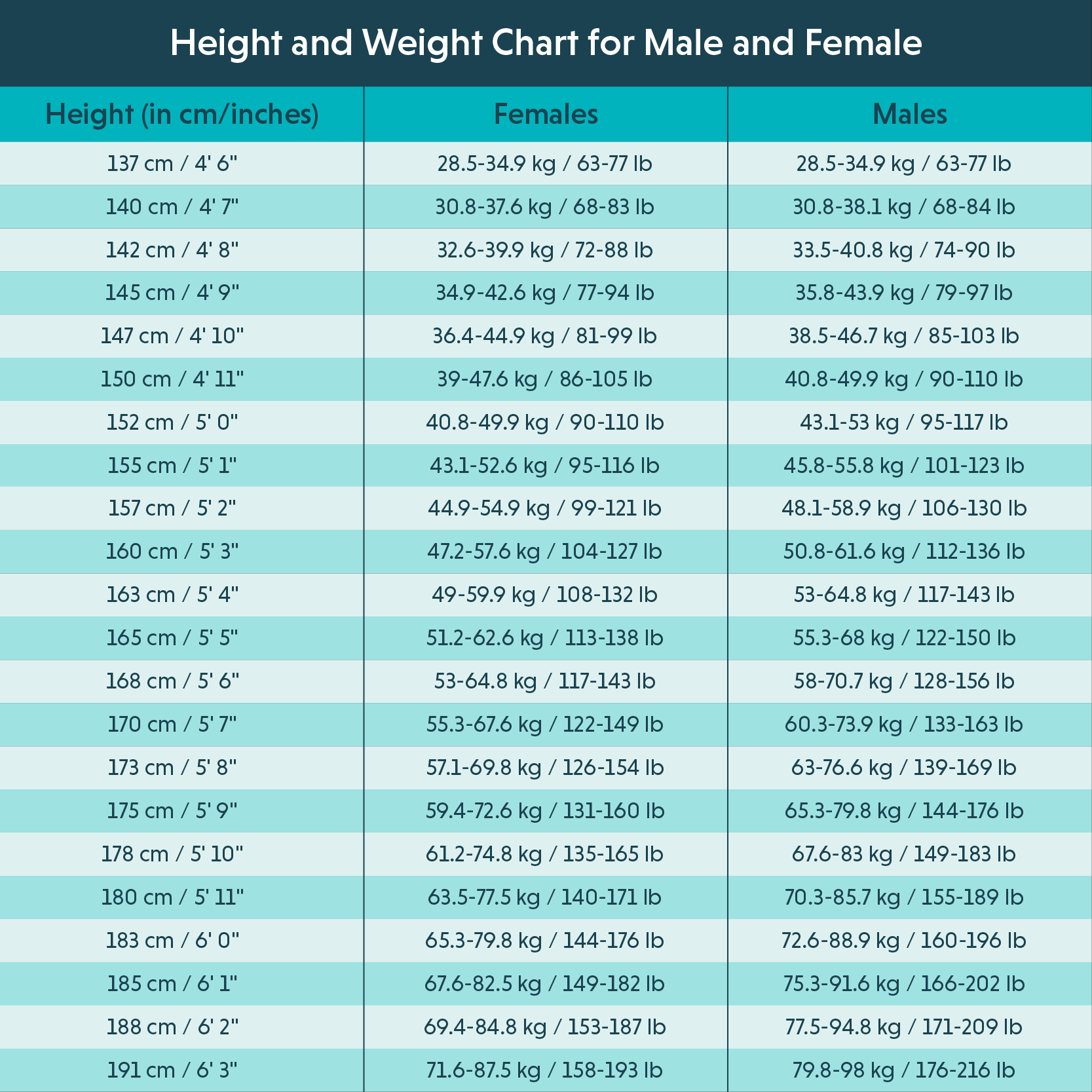
Using Weight Charts By Age And Height helps you understand your child’s growth trajectory. These charts can help identify any potential health issues early on. For instance, if your child consistently falls below the 5th percentile or above the 95th percentile, it may indicate a need for further evaluation by a healthcare professional. Keeping an eye on these metrics can lead to timely interventions, if necessary.
How to Download and Use Weight Charts
Getting started with Weight Charts By Age And Height is straightforward. Here’s a step-by-step guide to ensure you get the most out of these resources.
Step 1: Choose the Right Chart
When selecting a weight chart, consider the following factors:
- Age Range: Make sure the chart is appropriate for your child’s specific age group. Most charts cover ages from birth to 18 years.
- Gender: Some charts are gender-specific, as boys and girls tend to have different growth patterns. Choose accordingly to get the most accurate assessment.
Step 2: Download the Chart
Once you’ve chosen the right chart, downloading it is typically just a few clicks away. Most resources offer PDFs that can be easily printed at home. When downloading, ensure that you select the high-resolution option for better print quality.
Step 3: Print the Chart
For optimal results, print the chart on standard letter-size paper (8.5 x 11 inches). This size is convenient for most home printers. If you plan to use the chart regularly, consider printing it on cardstock for durability. You might also want to laminate it to protect it from wear and tear.
Step 4: Set Up for Use
Find a dedicated spot to keep the chart handy—perhaps on your refrigerator or in a family binder. This visibility will encourage you to use it regularly. Make sure you have a measuring tape and a scale nearby for easy updates.
Step 5: Record Measurements
Regularly track your child’s weight and height by recording the measurements on the chart. Doing this monthly can help you notice patterns in growth. Remember to note the date next to each entry for future reference.
Interpreting the Data
Once you’ve recorded your child’s measurements, it’s time to interpret the data. Look for trends in their growth:
- Consistent Growth: If your child is consistently growing along a particular percentile, it typically indicates that they are developing normally.
- Growth Spurts: It’s common for children to have spurts in growth, often followed by periods of slower growth. These fluctuations are usually normal.
- Plateaus: If your child’s weight or height plateaus for an extended period, consider consulting a healthcare provider for guidance.
Additional Resources
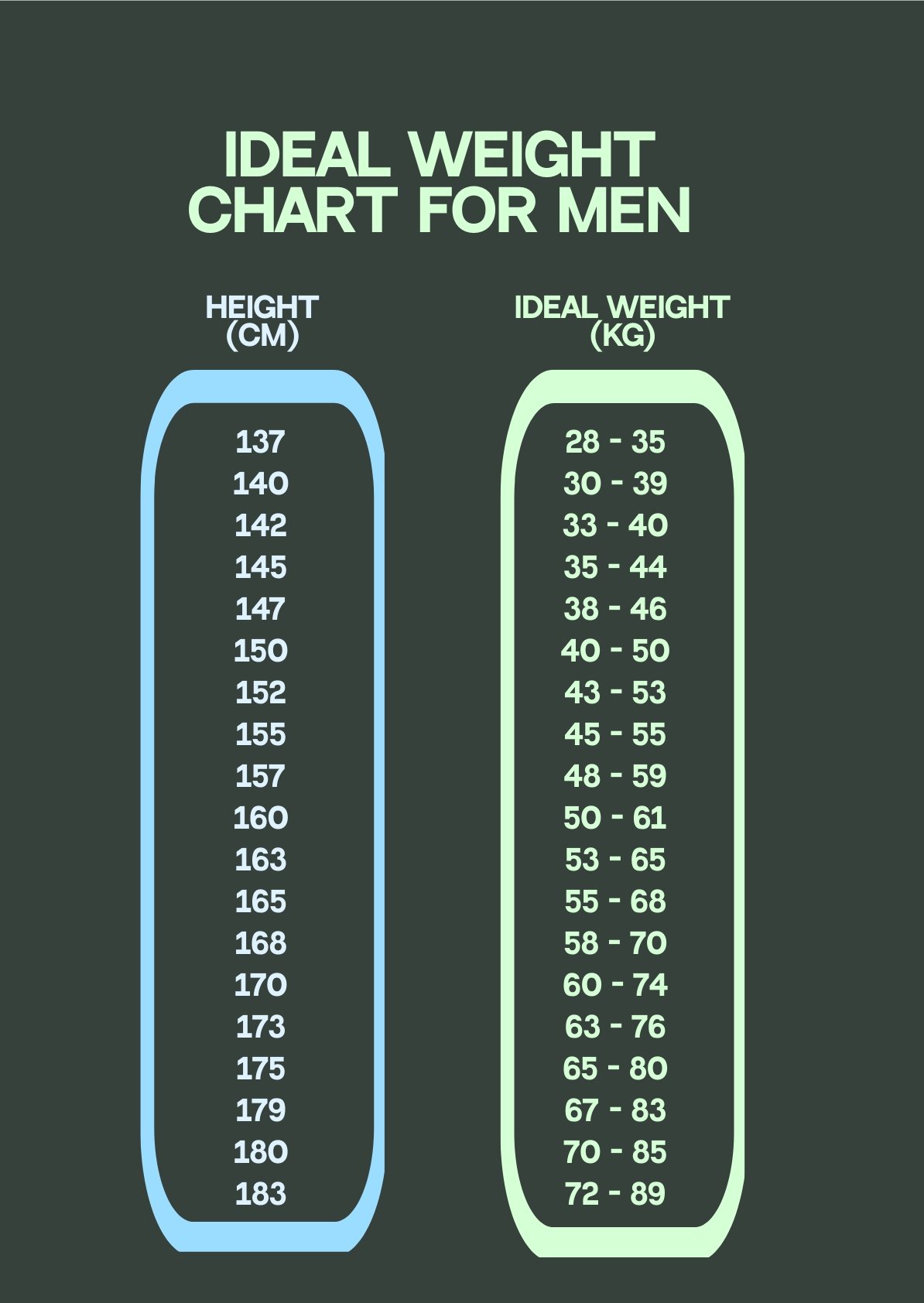
In addition to Weight Charts By Age And Height, there are other resources that may be useful:
- Growth Monitoring Worksheets: These can help you track additional factors such as dietary habits or physical activity.
- Printable Checklists: Consider creating checklists for milestones or health check-ups alongside your weight charts to ensure comprehensive tracking.
Using these resources together can help you maintain a well-rounded view of your child’s health and growth.
