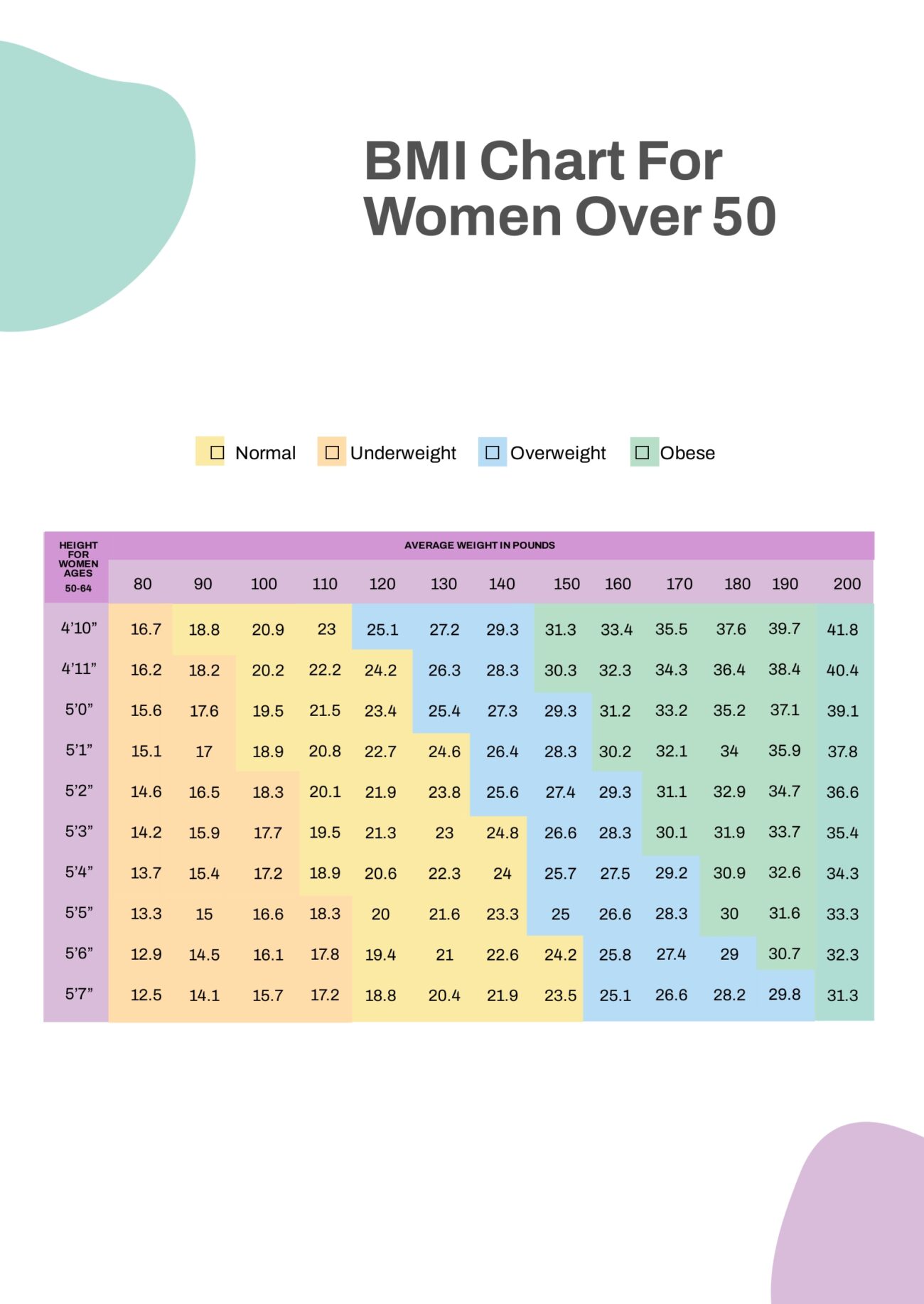
Understanding your weight and how it changes over time is crucial, especially for older women. A well-structured Weight Chart For Older Women can provide a clear visual aid to track your weight, helping you manage your health goals effectively. This resource is not just about recording numbers; it serves as a motivational tool, reminding you of your progress and encouraging you to stay on track.
Why Use a Weight Chart?
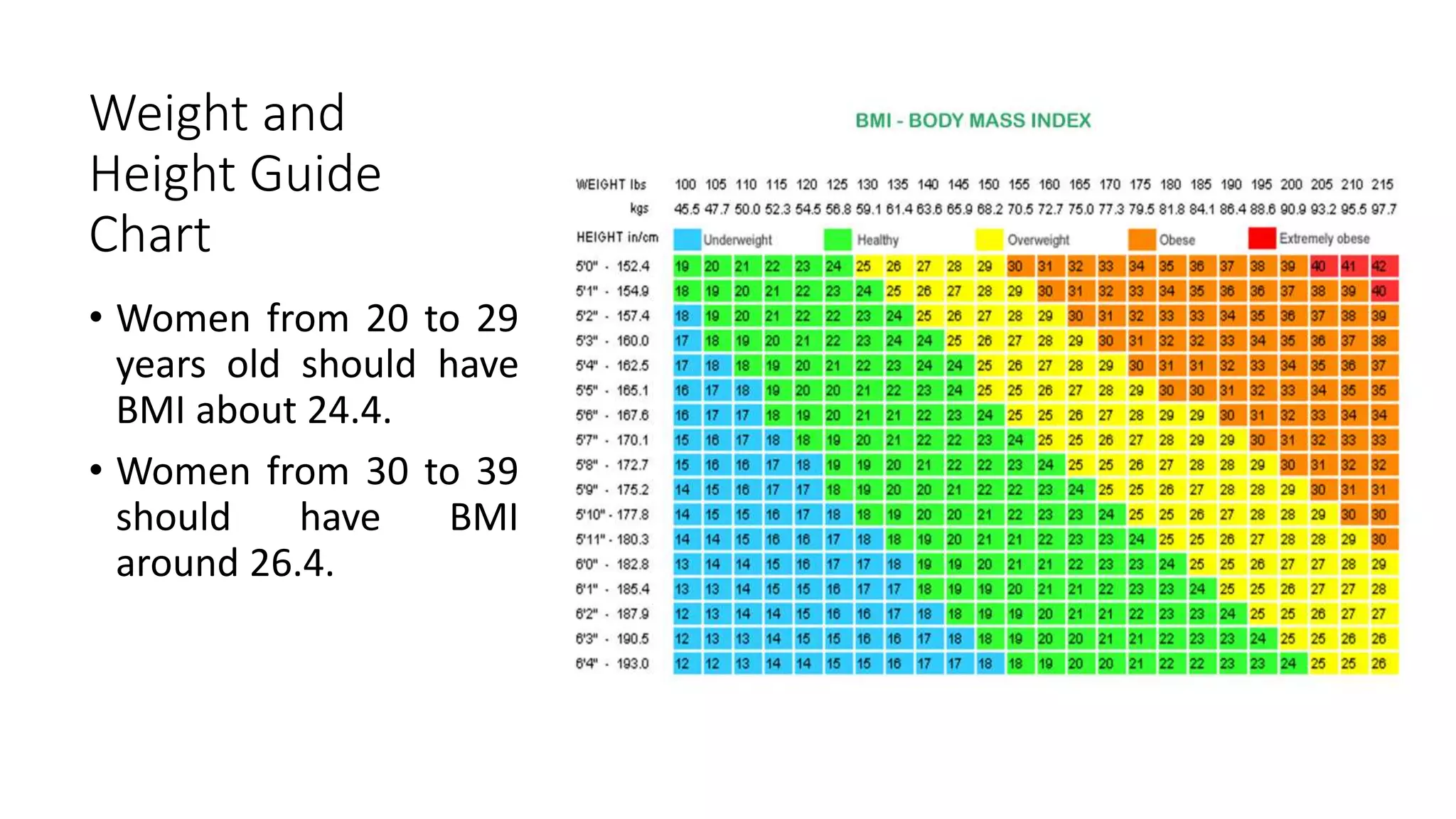
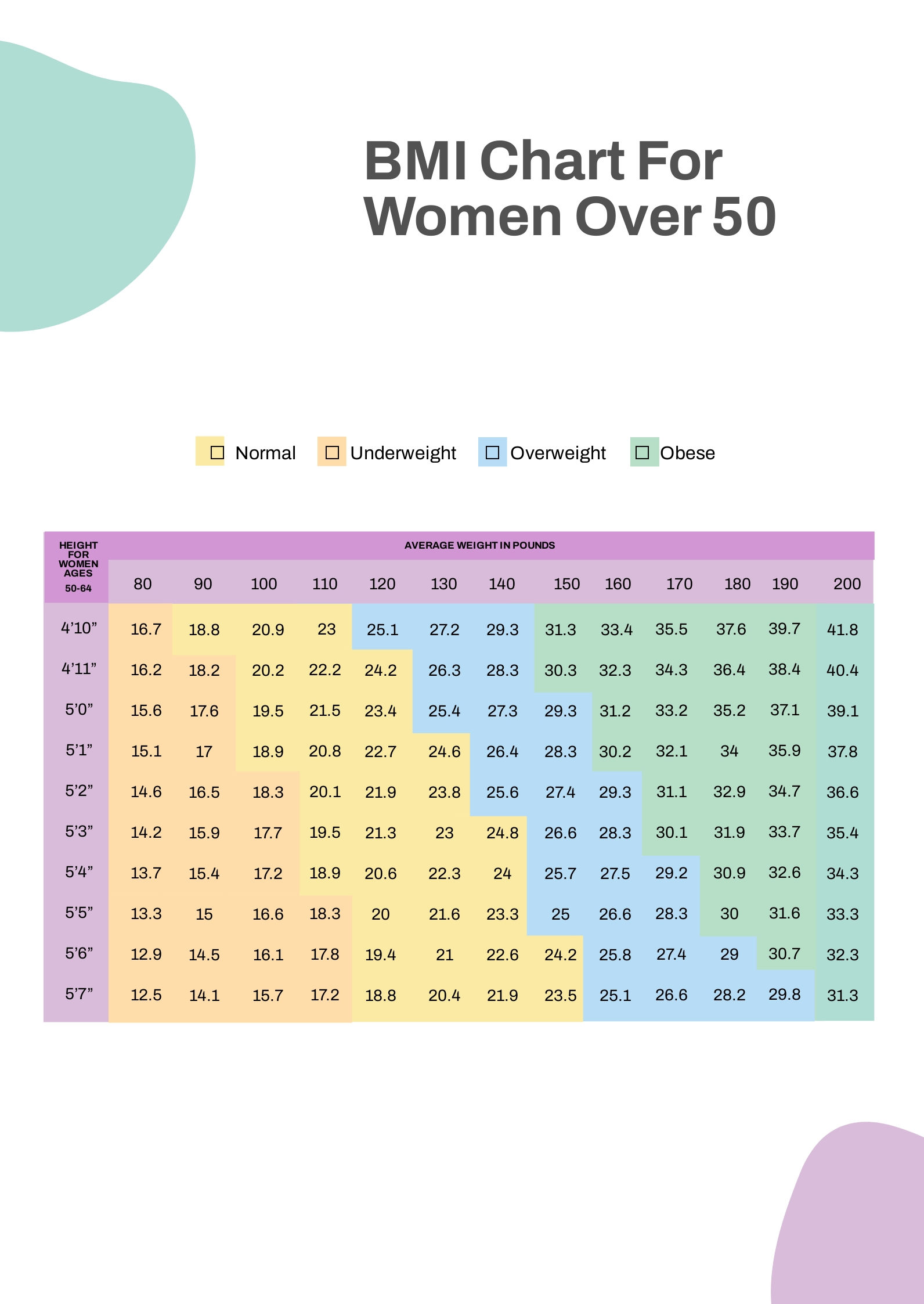
Using a weight chart can be incredibly beneficial for older women. It helps visualize trends over time, rather than focusing on daily fluctuations that can be misleading. By tracking your weight regularly, you can identify patterns and make informed decisions about your health and wellness.
A weight chart can also help you set realistic goals. Whether you aim to lose weight, gain muscle, or maintain your current weight, having a visual representation of your progress can be encouraging. It allows you to celebrate small victories along the way, making your health journey more manageable and rewarding.
How to Read and Fill in Your Weight Chart
Filling in your weight chart is straightforward, but it’s important to do it consistently and accurately. Here’s a simple step-by-step process:
- Choose Your Format: Download your preferred weight chart template. Many come in PDF format for easy printing, ensuring you have a physical copy to refer to regularly.
- Select a Regular Interval: Decide how often you want to weigh yourself—weekly is a common choice. This frequency helps to smooth out daily fluctuations.
- Record Your Weight: Each time you weigh yourself, write the date and your weight in the appropriate space on the chart. Ensure that you’re weighing yourself under similar conditions (e.g., same time of day, similar clothing) for consistency.
- Monitor Your Trends: After a few weeks, step back and look at your chart. Are you seeing a downward trend if you’re aiming to lose weight? If the trend isn’t what you hoped for, it’s a prompt to reassess your diet or exercise routine.
- Reflect on Your Progress: Use the chart not just for numbers but as a motivational tool. Celebrate milestones—whether that’s losing a certain number of pounds or simply sticking to your routine for a month.
Best Practices for Using Your Weight Chart
To get the most out of your Weight Chart For Older Women, consider these best practices:
- Use Quality Paper: If you plan to print your chart, use heavier paper like cardstock. It holds up better over time and is less likely to tear or crumple.
- Keep It Visible: Place your weight chart somewhere you see it often, like on your refrigerator or in your planner. This constant reminder can help keep you accountable.
- Pair with Other Resources: A weight chart is most effective when used alongside other resources, like a food diary or exercise log. This holistic approach gives you a fuller picture of your health.
- Stay Patient: Weight management is a journey. Understand that there will be ups and downs, and that’s perfectly normal. Your chart is a tool to help you stay focused on your long-term goals.
Incorporating Your Weight Chart Into a Health Routine
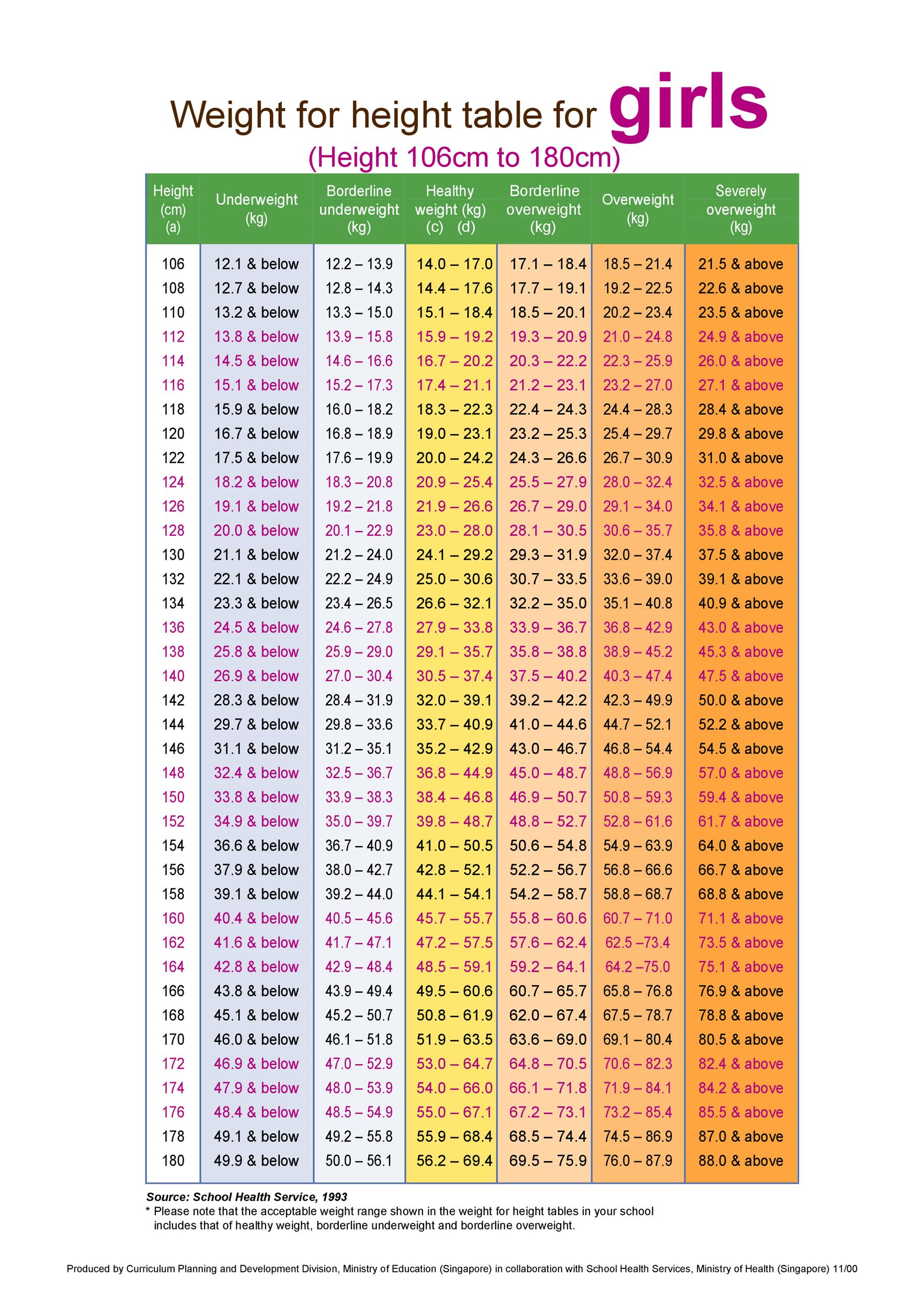
Integrating your weight chart into your daily or weekly health routine is essential for maximizing its benefits. Here are some tips to seamlessly incorporate it:
- Weekly Weigh-In Ritual: Make weighing yourself a ritual. Choose a specific day and time each week to step on the scale. This consistency helps establish a routine.
- Combine with Health Activities: Use your weigh-in day as a cue to engage in other healthy habits. For example, schedule a workout or plan healthy meals for the week ahead right after your weigh-in.
- Reflect and Adjust: After filling in your chart, take a few minutes to reflect on your week. Did you stick to your exercise routine? Did you indulge in sweets? Use this reflection to adjust your plan for the coming week.
- Share Your Journey: If you feel comfortable, share your chart and progress with a friend or family member. Having a support system can provide additional motivation and accountability.
- Set Goals: Use the insights from your chart to set short-term and long-term goals. Maybe you want to lose five pounds in a month or maintain your current weight. Write these goals down next to your chart for added encouragement.
Tracking your weight doesn’t have to be a daunting task. With a well-organized Weight Chart For Older Women, you can make the process straightforward and effective. The most important thing is to stay committed to your health journey and use this resource to guide you along the way. Remember, it’s not just about the numbers; it’s about feeling your best and living a healthy life.
