The Weight Chart For Older Females is a practical tool designed to help you monitor your weight trends over time. This chart can assist in setting personal health goals, tracking progress, and maintaining a healthy lifestyle. It’s particularly useful for older females who may want to keep an eye on their weight as it can fluctuate due to various factors including hormonal changes, lifestyle adjustments, and health conditions. In this article, I’ll guide you through how to effectively use this resource to achieve your health objectives.
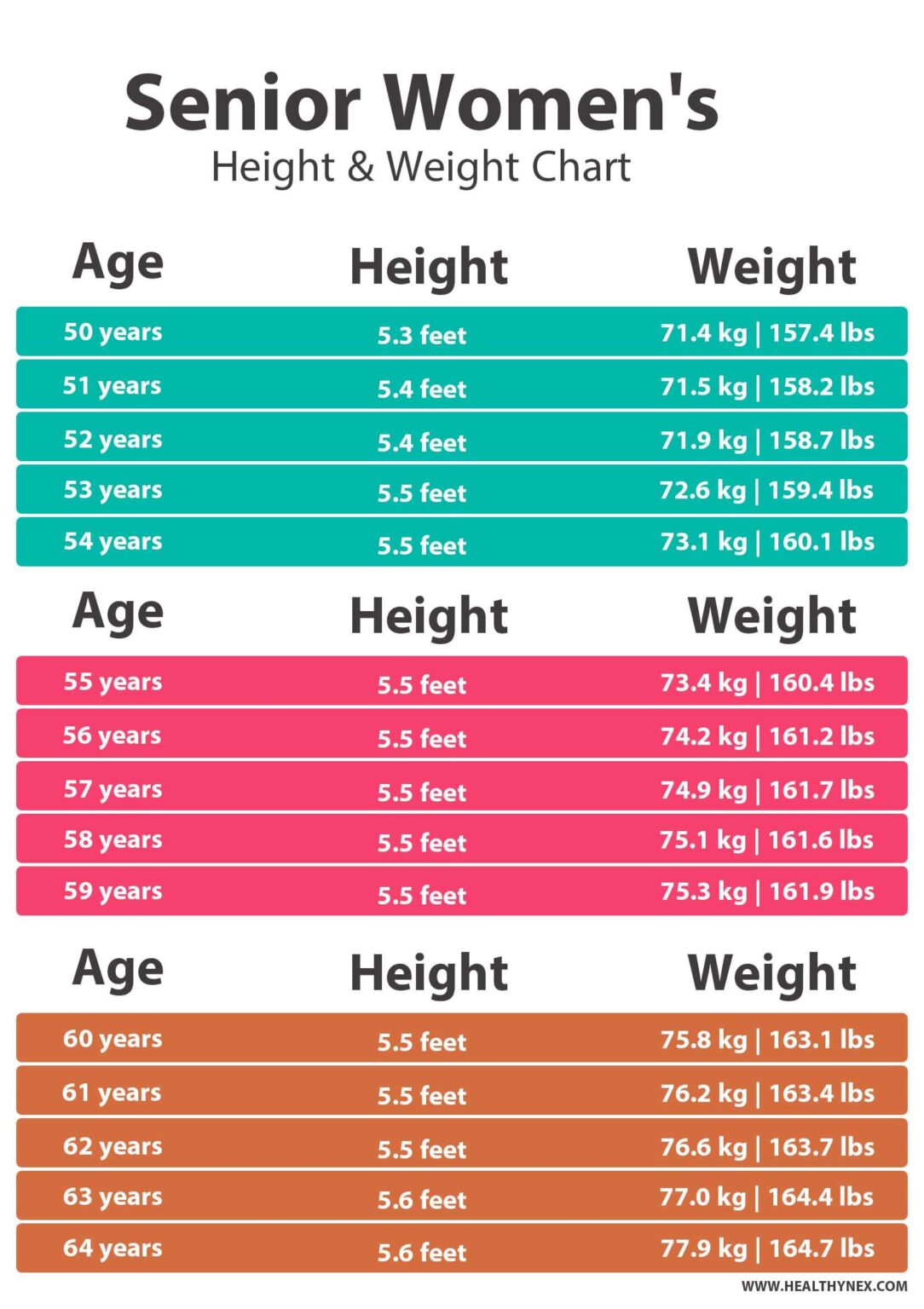
Understanding the Weight Chart
The weight chart is essentially a visual representation that allows you to log your weight consistently. It’s typically laid out in a grid format, showing a range of weights on one axis and dates or months on the other. This layout makes it easy to see trends over time.
When you first download your Weight Chart For Older Females, take a moment to familiarize yourself with its sections. You’ll usually find columns for your starting weight, goal weight, and space to record your actual weight each week or month. This organization helps you visualize your progress clearly, which can be motivating.
How to Use the Weight Chart
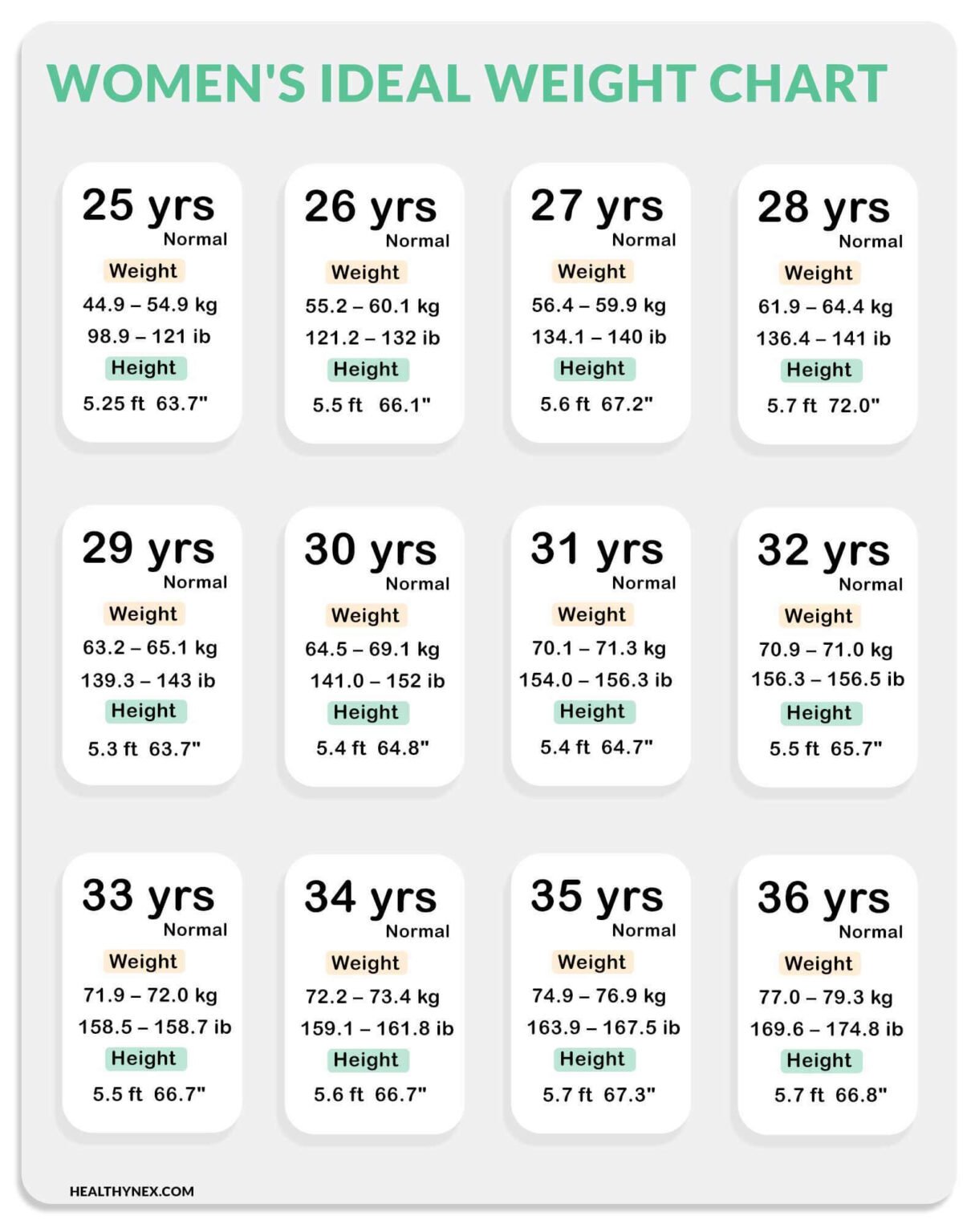
- Download and Print: Start by downloading the Weight Chart For Older Females from a reliable source. Make sure to print it on a sturdy paper, like cardstock, to ensure it lasts longer. If you’re planning to frequently update your weight, consider laminating it for easy wipe-off with a dry-erase marker.
- Set Your Goals: Before filling in your chart, define your weight goals. If you are looking to lose, gain, or maintain your weight, having a clear target helps keep you focused. Write your goal weight at the top of the chart as a constant reminder.
- Record Your Weight Regularly: Choose a specific day each week or month to weigh yourself, ideally at the same time of day for consistency. After weighing in, jot down your weight in the appropriate section of the chart. This regular logging helps you stay accountable and can highlight patterns in your weight changes.
- Analyze Your Trends: After a few weeks of recording your weight, take time to review the chart. Look for trends or fluctuations – are there specific times when your weight tends to go up or down? This analysis can provide insights into how your lifestyle choices affect your weight.
- Adjust as Needed: If you notice that you’re consistently above or below your goal weight, it might be time to adjust your eating habits or activity levels. Use the chart as a guide to inform your decisions moving forward.
Why a Weight Chart is Important
Tracking weight is crucial for maintaining a healthy lifestyle, especially as we age. For older females, changes in metabolism and muscle mass can significantly impact weight. A weight chart helps:
- Promote Accountability: Regularly recording your weight encourages you to stay committed to your health goals.
- Identify Patterns: By seeing your weight changes over time, you can identify what works for you and what doesn’t, helping you to make informed decisions.
- Encourage Healthy Habits: The act of tracking can motivate you to engage in healthier behaviors, whether it’s exercising more or making better food choices.
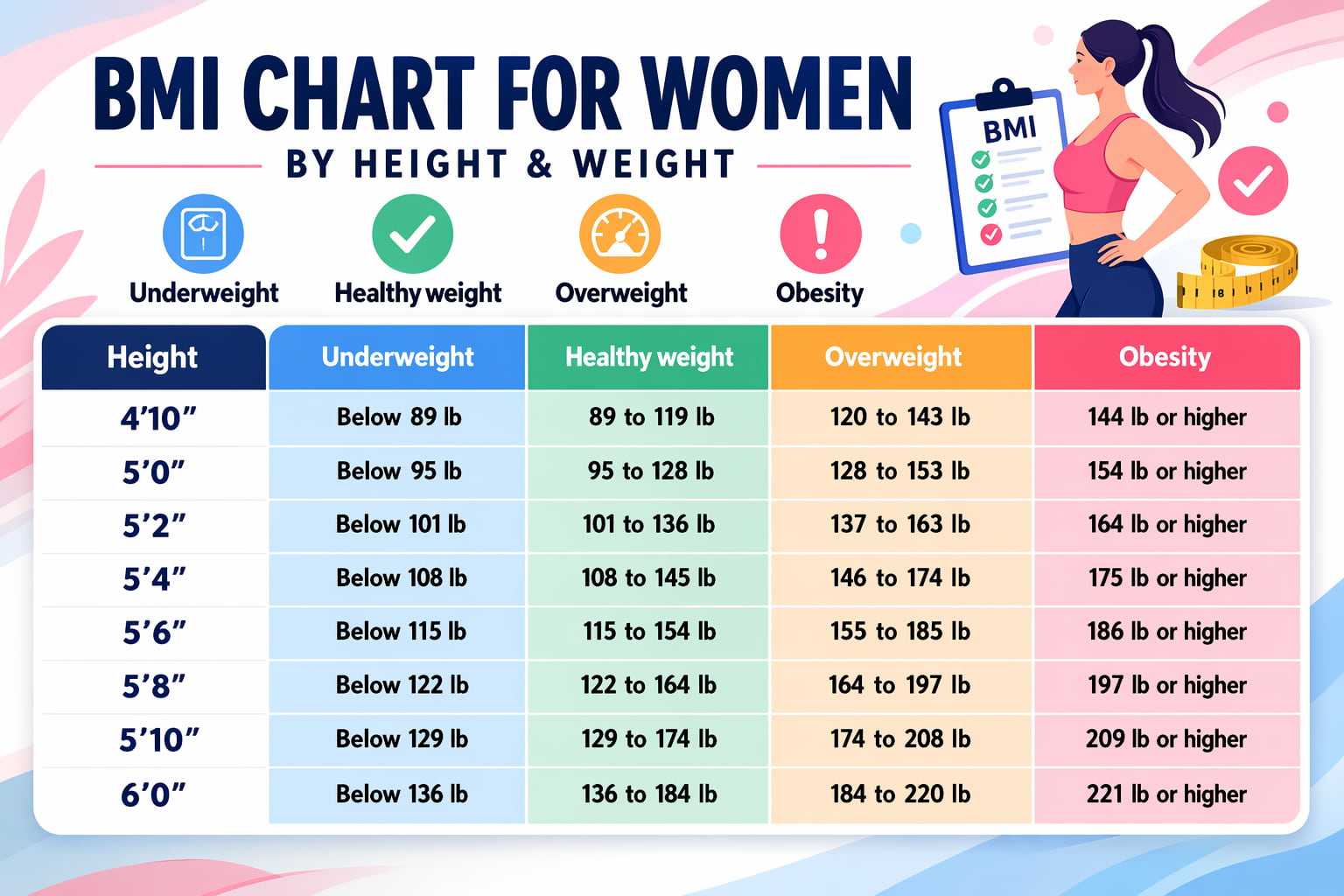
Tips for Effective Use of Your Weight Chart
- Choose the Right Format: Make sure your printed weight chart is easy to read and fill in. A portrait layout often works better for most home printers, especially if you’re using standard letter-sized paper.
- Maintain Consistency: Weigh yourself at the same time each week, preferably in the morning before breakfast, to ensure your readings are accurate.
- Incorporate Other Health Metrics: Consider including additional health metrics such as body measurements or exercise logs in your tracking routine. This provides a more comprehensive view of your health journey.
