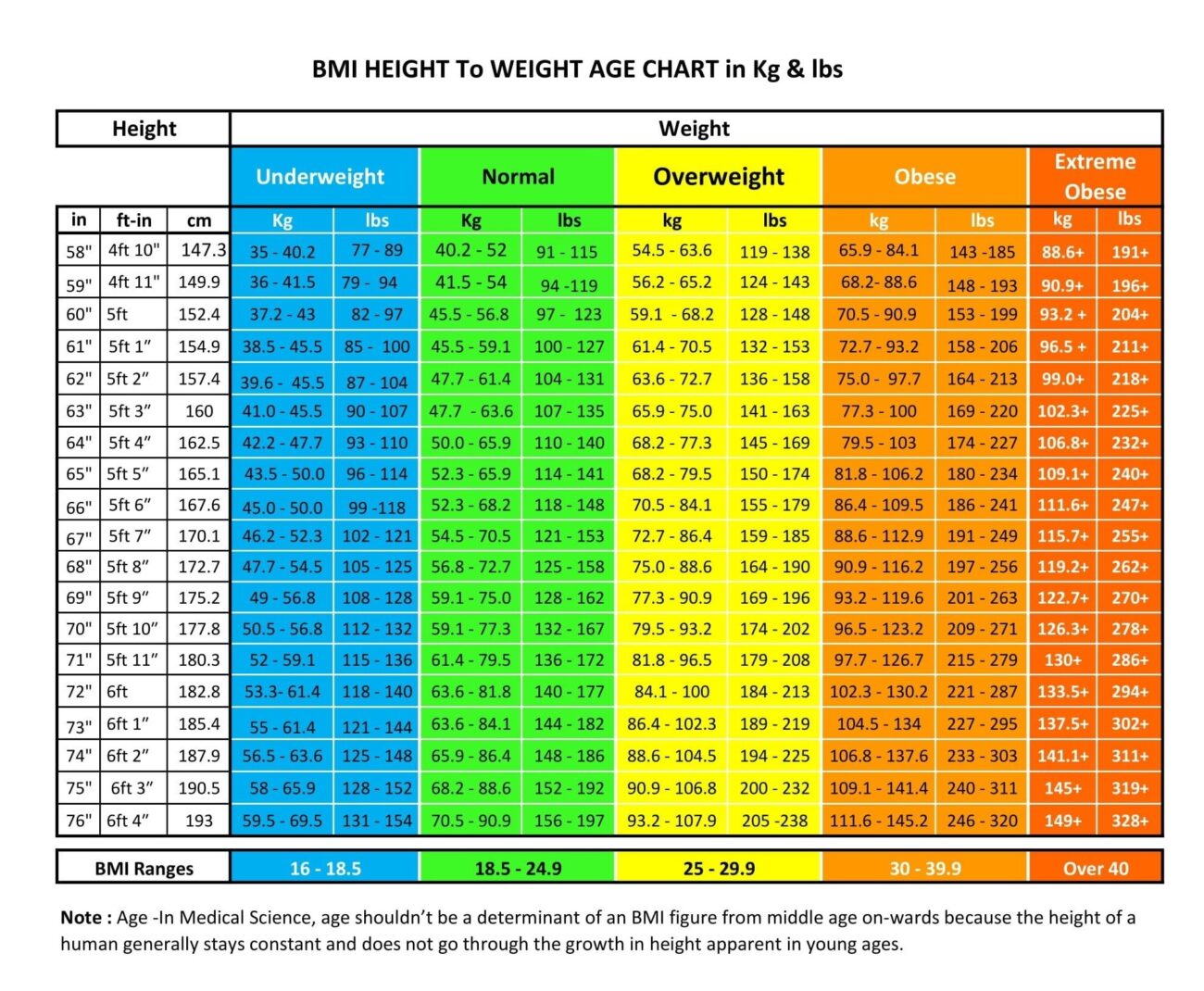
Understanding your child’s growth is crucial for their health and development. A Weight Chart As Per Height And Age helps you track where your child stands on the growth spectrum. This chart provides a visual representation of weight standards based on height and age, allowing you to monitor growth patterns over time.
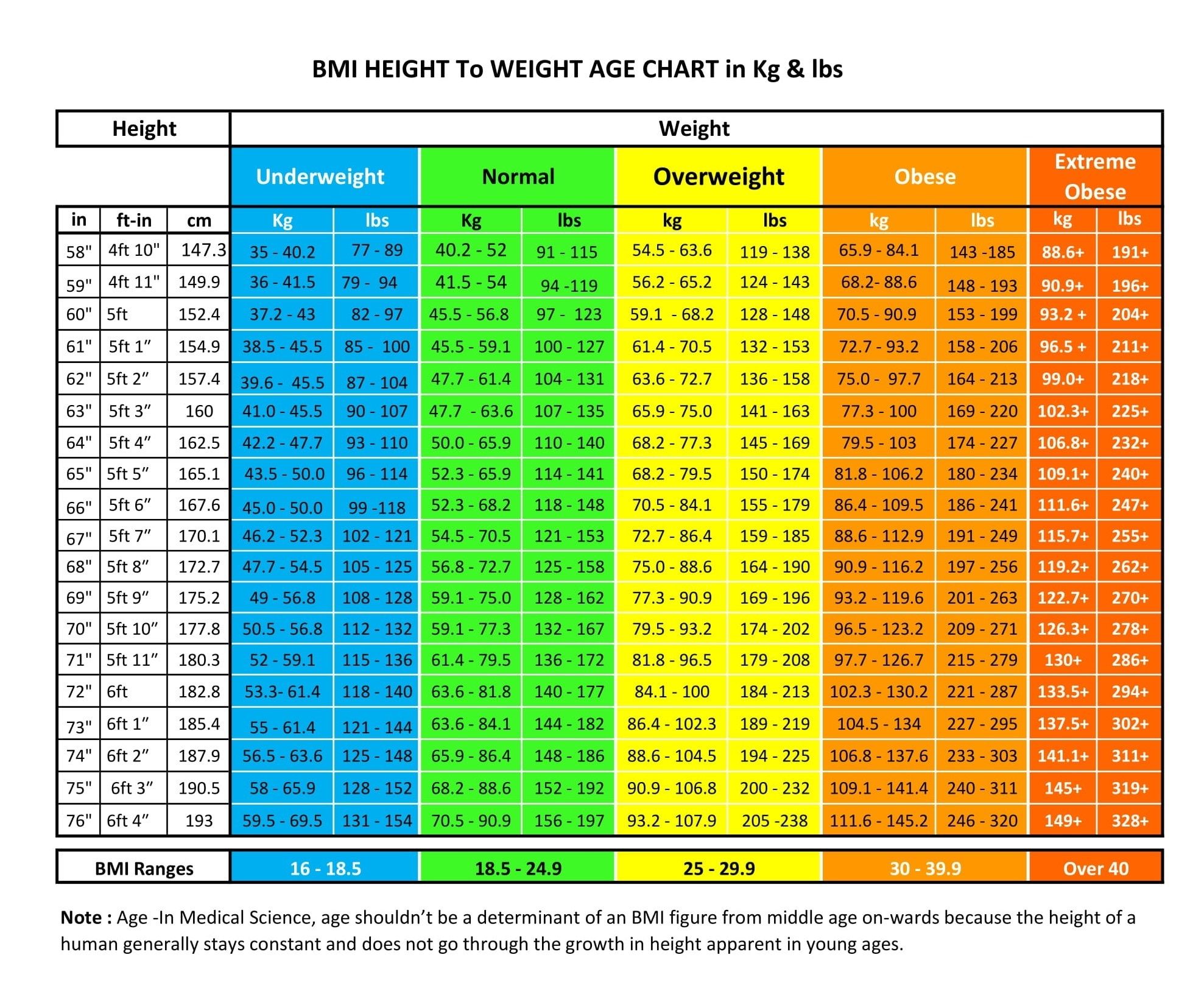
What Is a Weight Chart As Per Height And Age?
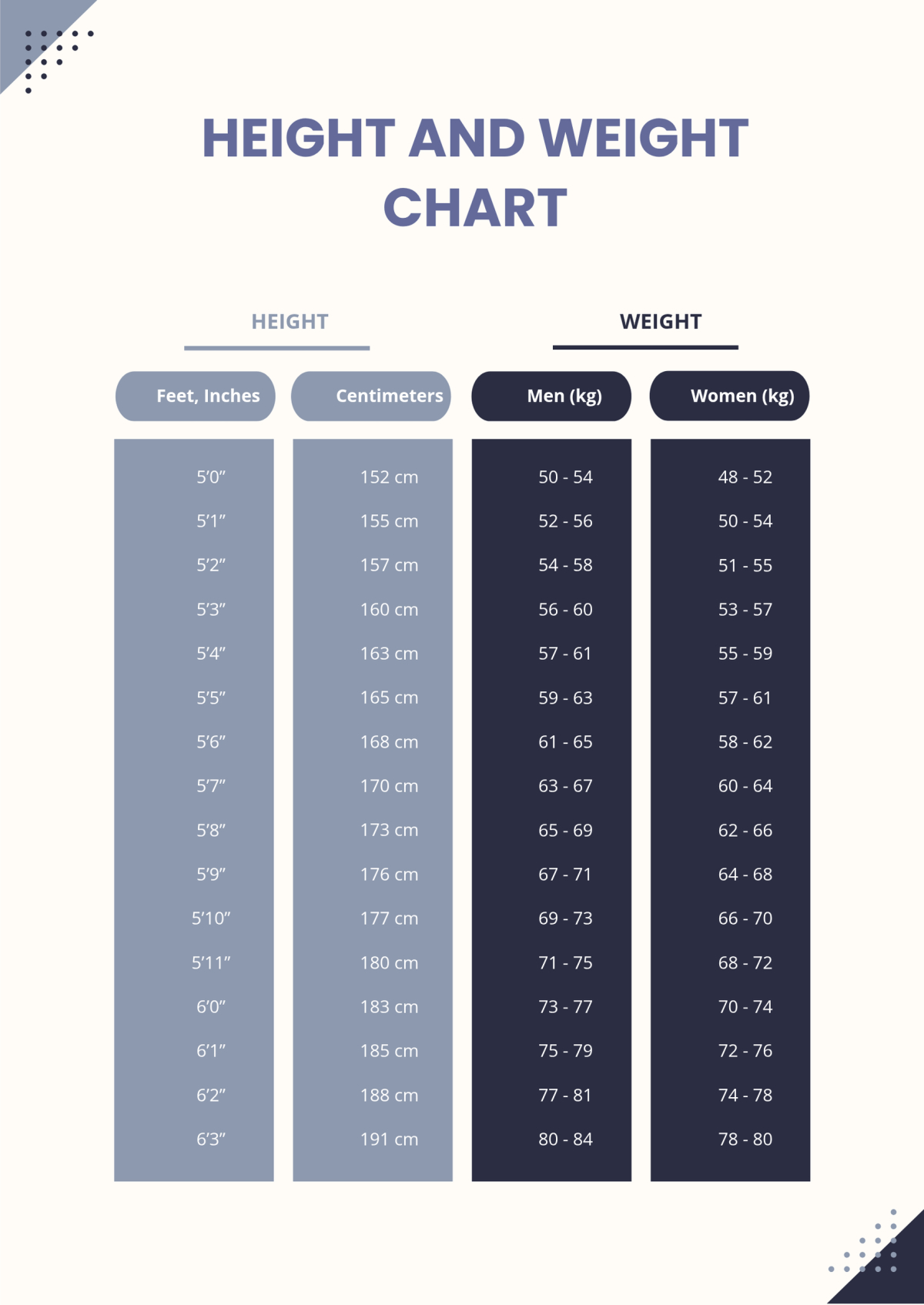
A Weight Chart As Per Height And Age is a tool that visually displays the recommended weight ranges for children based on their height and age. These charts are typically created using data from health organizations and are designed to help parents and caregivers assess whether a child is growing at a healthy rate.
You can find these charts in various formats, often as printable PDFs, which makes them easy to access and use at home. By comparing your child’s measurements to the chart, you can quickly identify whether they are within a healthy weight range or if further evaluation might be needed.
How to Use the Weight Chart Effectively
To effectively use a Weight Chart As Per Height And Age, follow these steps:
- Measure Your Child’s Height: Use a wall-mounted measuring tape or a stadiometer for accuracy. Make sure your child is standing straight with their heels together, back against the wall, and looking straight ahead.
- Weigh Your Child: Use a digital scale for the most accurate reading. Make sure your child is wearing minimal clothing for the best result.
- Locate the Age on the Chart: Find your child’s age on the horizontal axis of the chart.
- Find the Height: Move up vertically from the age to find where it intersects with your child’s height.
- Read the Weight Range: The chart will provide a range of weights that are considered healthy for your child’s height and age.
- Assess the Results: Compare your child’s weight with the recommended range. If your child’s weight falls within the range, they’re likely growing normally. If not, consider consulting a pediatrician for further guidance.
When to Use the Weight Chart
Using a Weight Chart As Per Height And Age is beneficial during regular health check-ups, especially when:
- Tracking Growth: It’s essential to keep a record of your child’s growth over time. Regularly measuring and recording their height and weight can help identify any significant changes.
- Preparing for Doctor Visits: Having this information on hand can be helpful during pediatric appointments. It allows you to discuss any concerns with the doctor based on the chart results.
- Monitoring Diet and Exercise: If you’re making changes to your child’s diet or activity levels, the chart can help you assess whether those changes are having the desired effect.
Best Practices for Using a Weight Chart
To maximize the effectiveness of the Weight Chart As Per Height And Age, consider the following best practices:
- Print on Quality Paper: If you’re downloading a printable version, consider using cardstock or heavier paper. This will make the chart more durable and easier to handle.
- Use a Clear Writing Tool: When filling in your child’s measurements, use a fine-tip pen or pencil for clarity. This makes it easier to read and helps keep your records organized.
- Keep It Accessible: Store the chart in a visible place, such as on the fridge or in a family planner. This encourages regular updates and makes it easy to refer back to.
- Consistency is Key: Use the chart consistently, ideally every few months. Growth can vary widely, so regular updates provide a clearer picture of your child’s development.
Adapting the Weight Chart for Your Needs
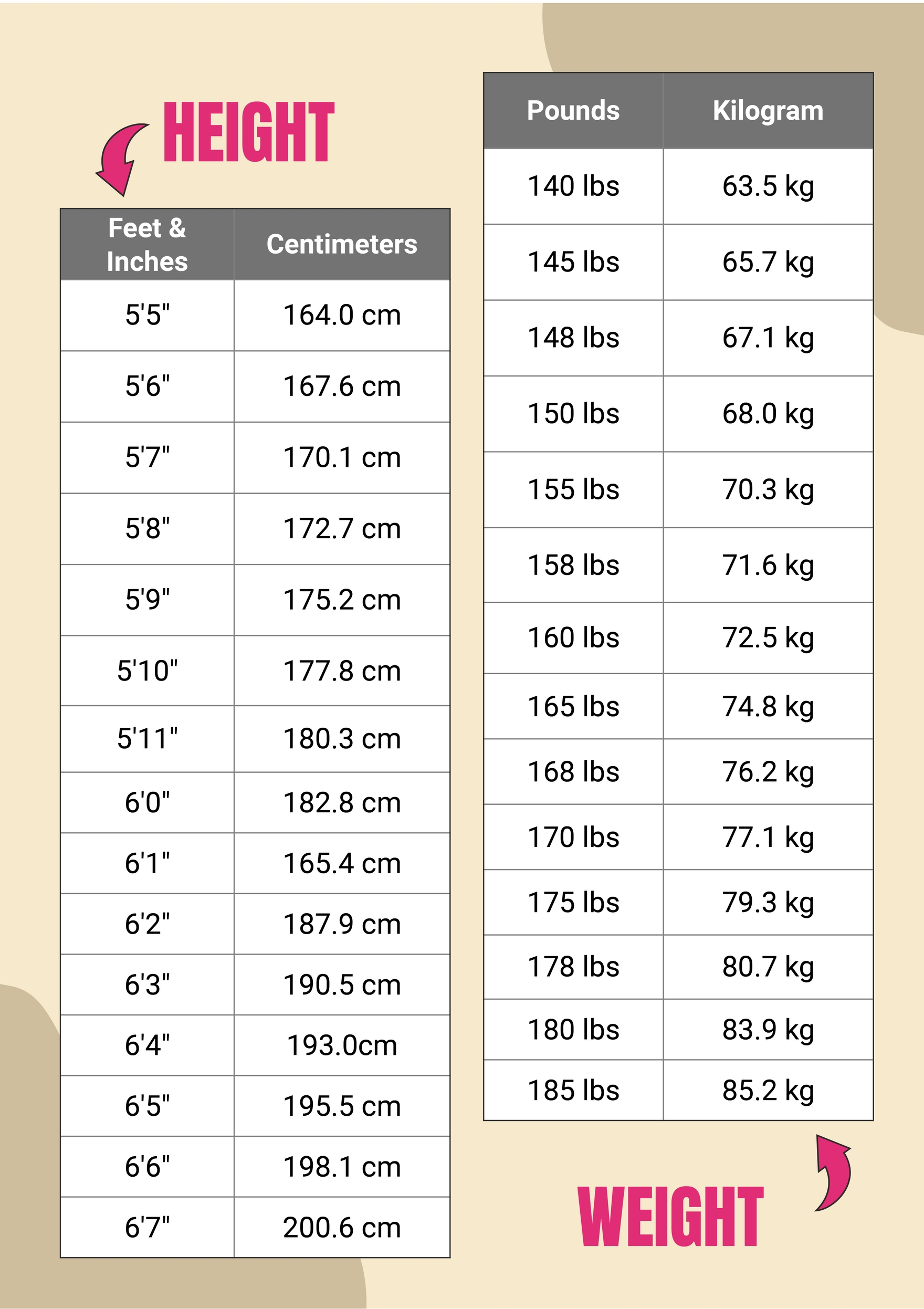
Every child is unique, and sometimes a standard Weight Chart As Per Height And Age may not perfectly fit your needs. Here are a few ways to adapt it:
- Custom Records: Create a personalized chart that includes additional notes on your child’s eating habits, physical activities, or any health concerns. This can provide valuable context when discussing growth with a healthcare professional.
- Incorporate Other Measurements: Consider tracking other important health metrics, such as BMI (Body Mass Index), in conjunction with the weight chart. This provides a more comprehensive view of your child’s health.
- Use Digital Tools: Some apps allow you to input measurements and track growth digitally. This can make it easier to visualize changes over time without needing to print new charts.
Tracking your child’s growth using a Weight Chart As Per Height And Age is a straightforward and effective way to ensure they are developing healthily. By regularly measuring and recording their height and weight, you can maintain a clear overview of their growth journey. Download a printable chart today to start monitoring your child’s development and ensure they stay on the right path!
