Understanding your baby’s growth is crucial for their health and well-being. The Weight And Height Percentile Chart For Infants serves as a vital tool in this journey, helping you monitor your child’s progress against standard growth benchmarks. These charts provide a visual representation of where your infant stands in terms of weight and height compared to their peers, allowing you to identify patterns and potential health concerns early on.
What Is a Weight And Height Percentile Chart?
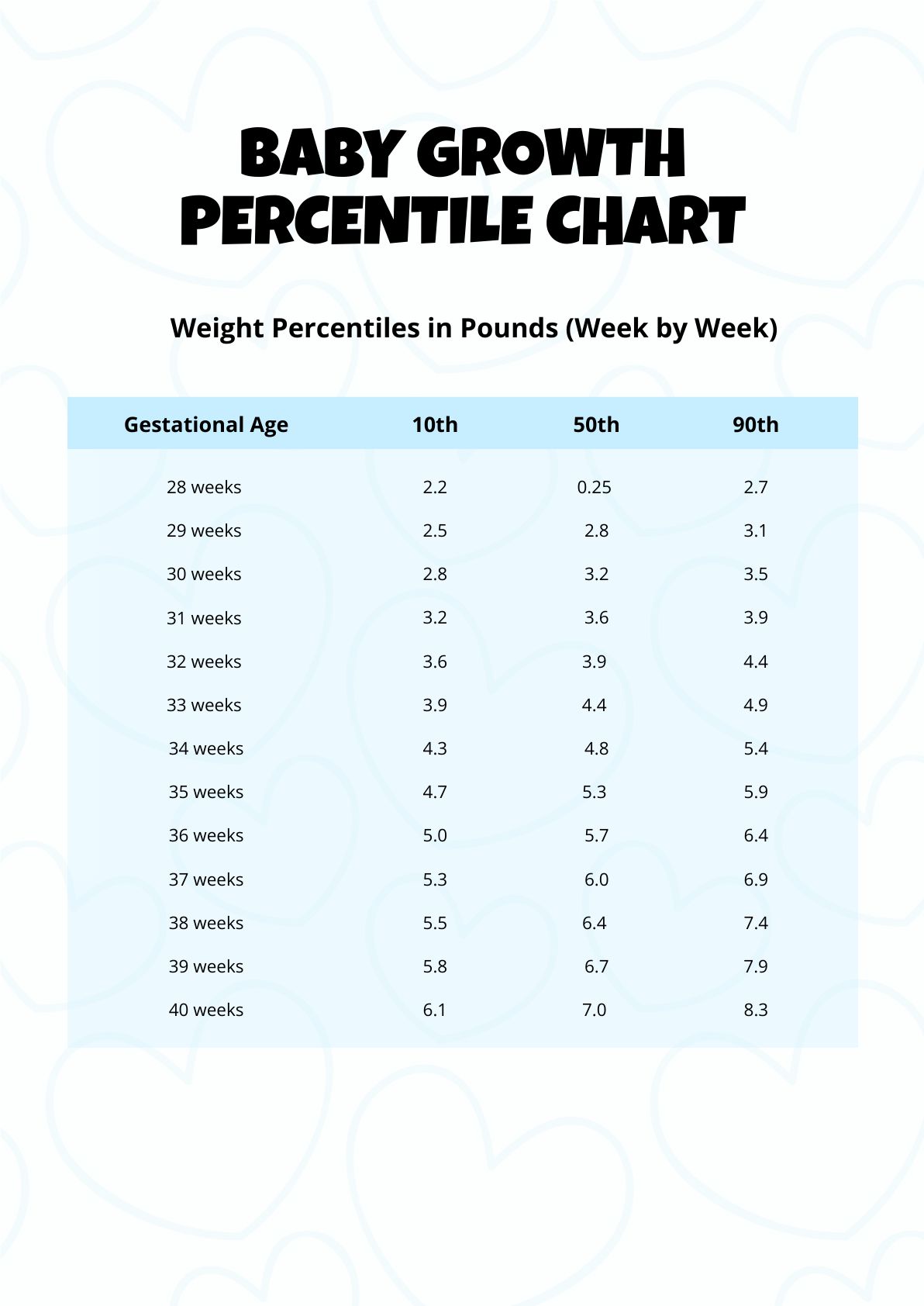
A Weight And Height Percentile Chart is a graphical representation designed to show how an infant’s weight and height measure up against those of other infants in the same age group. Percentiles range from 0 to 100, indicating the percentage of children who fall below a certain measurement. For example, if your baby is in the 75th percentile for weight, this means they weigh more than 75% of infants their age.
These charts are typically based on data collected from a large population of healthy children and can vary slightly depending on the source. The World Health Organization (WHO) and the Centers for Disease Control and Prevention (CDC) both provide widely used growth charts.
How to Read the Chart
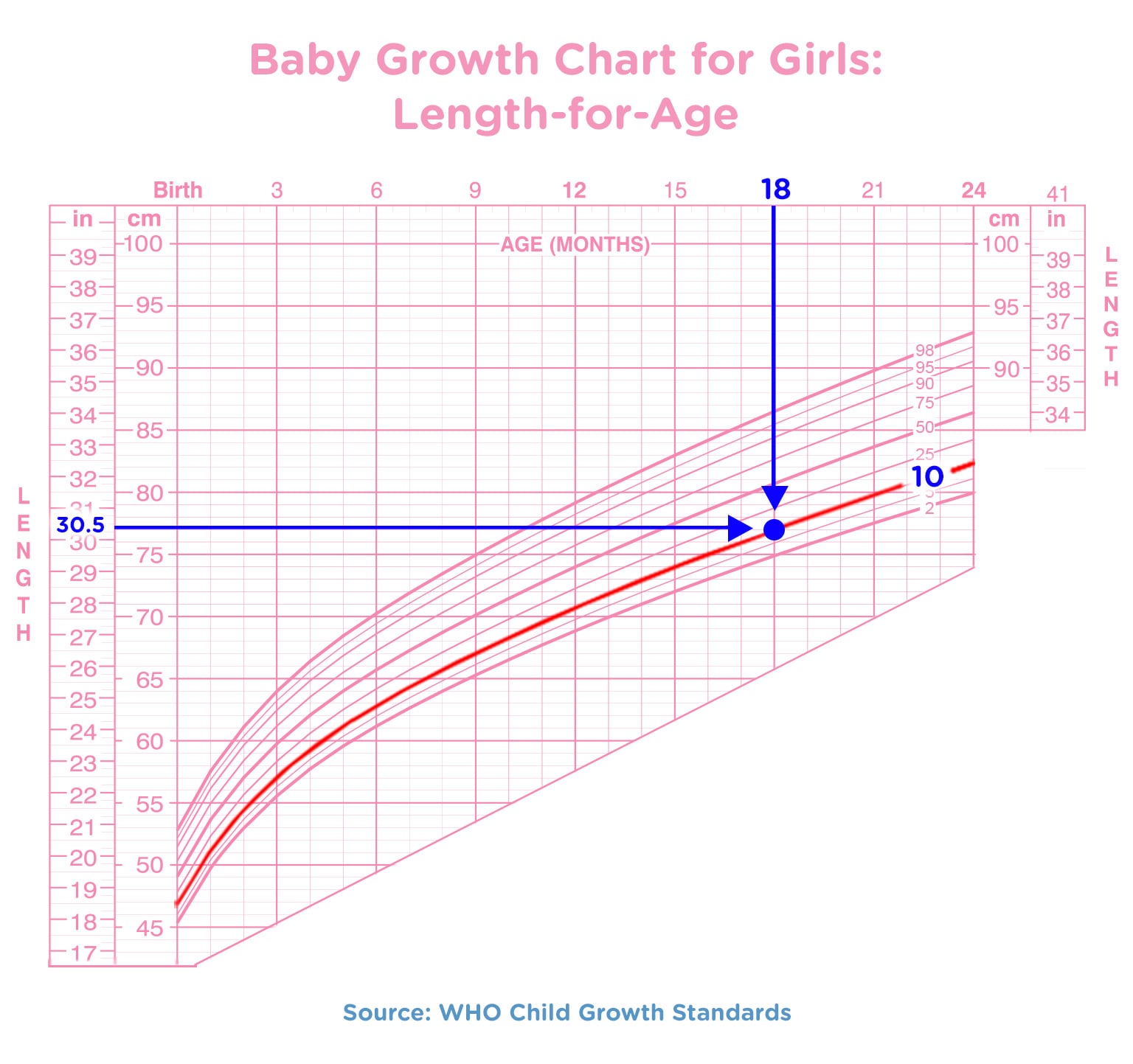
To effectively use the Weight And Height Percentile Chart, start by locating your infant’s age on the horizontal axis. From there, you’ll find their weight and height plotted on the vertical axis. Each curve on the chart represents a different percentile, allowing you to see how your child compares to the norm.
Here are steps to guide you through:
- Identify Age: Look for your child’s age in months on the bottom of the chart.
- Plot Measurements: Find your child’s height and weight on the respective axes.
- Determine Percentile: See which curve your child’s measurements intersect. This will indicate their growth percentile.
Understanding how to interpret these measurements can help you make informed decisions about your child’s nutrition, health check-ups, and overall development.
When to Use the Chart
You can use the Weight And Height Percentile Chart during routine pediatric visits or as part of your home monitoring system. Here are some scenarios where it might be particularly helpful:
- Regular Check-Ups: Bring the chart to each pediatric visit to track growth trends over time.
- Concerns About Growth: If you notice that your child is consistently below the 10th percentile or above the 90th percentile, it may be worth discussing with a healthcare professional.
- Tracking Development: Use it to celebrate milestones, like reaching a new percentile as they grow.
Digital Vs. Printable Charts
When it comes to using the Weight And Height Percentile Chart, you have options: you can either download a digital version or print it out. Here are some benefits of each format:
Digital Format
- Interactive: Fillable PDF formats allow you to enter your child’s measurements directly on the chart.
- Easy to Share: You can email or share it with your pediatrician for quick consultations.
- No Printing Hassles: You can access it on any device, making it convenient for on-the-go tracking.
Printable Format
- Tangible Reference: Having a physical copy can be easier for some parents to reference during appointments.
- Visual Tracking: You can jot down weight and height measurements by hand, which may feel more personal.
- Customization: You can print on different paper types, such as cardstock, for durability.
Deciding which format suits your needs best will depend on your personal preferences and how you plan to use the chart.
Adapting the Chart for Your Needs
Every child is different, and while the Weight And Height Percentile Chart provides a general guideline, it’s important to adapt it to suit your child’s specific needs. Here are a few tips:
- Keep a Growth Journal: In addition to the chart, maintain a journal of your child’s growth milestones, feeding habits, and any health concerns. This comprehensive approach will give you a clearer picture of their overall health.
- Consult Professionals: Use the chart as a conversation starter with your pediatrician. They can provide insights on whether your child’s growth is on track and suggest any necessary interventions.
- Be Mindful of Percentiles: Remember that being at a lower or higher percentile isn’t inherently good or bad. Focus on consistent growth rather than the number itself.
Next Steps for Parents
Using the Weight And Height Percentile Chart For Infants is just one part of supporting your child’s growth. After you’ve printed or downloaded your chart, take the next steps:
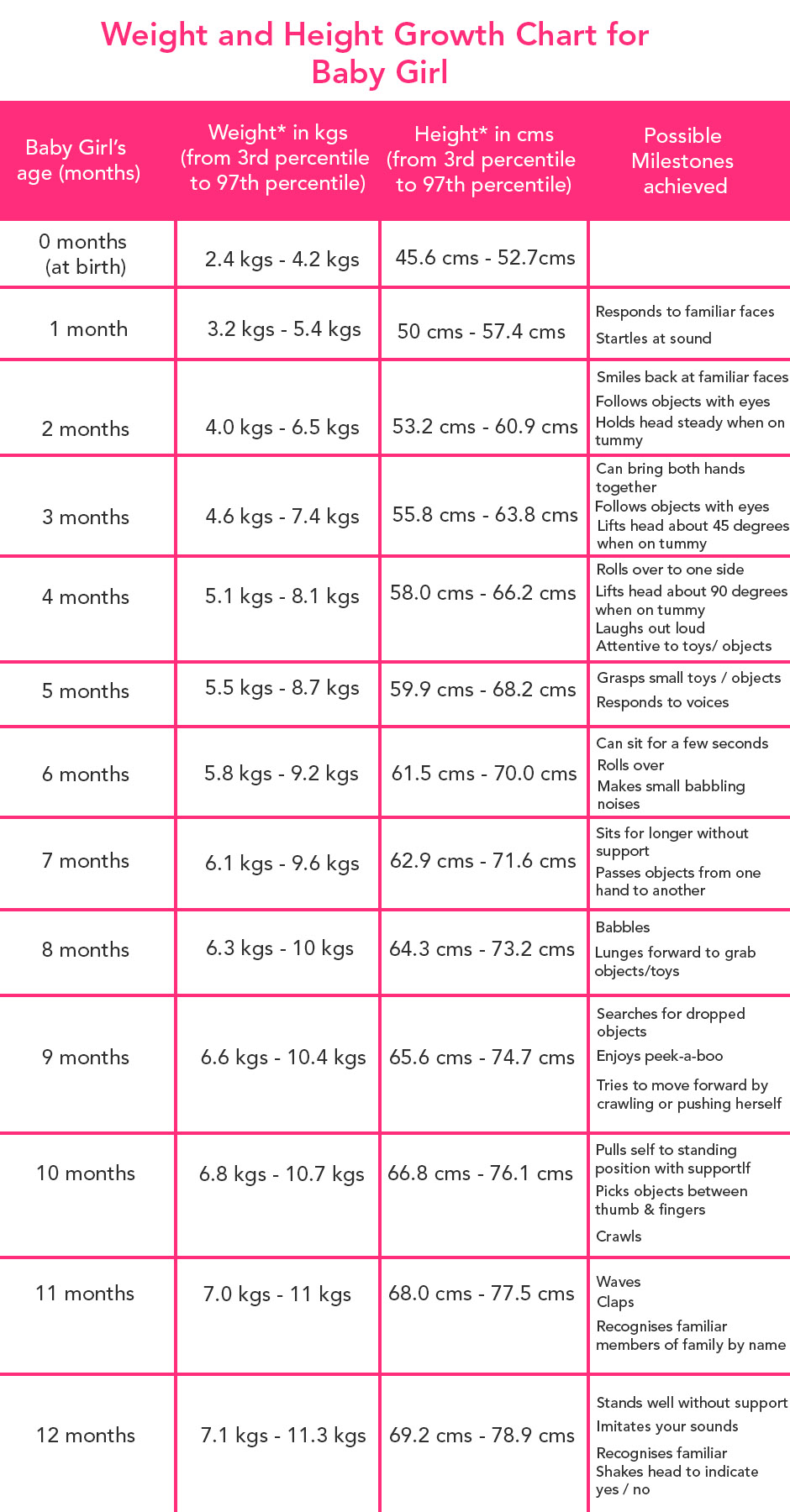
- Record Measurements Regularly: Make it a habit to measure your child’s weight and height every month. This will help you spot trends and make adjustments as needed.
- Discuss Findings with Your Pediatrician: If you have concerns or if your child’s growth appears to be stalling, don’t hesitate to talk to your healthcare provider.
- Celebrate Milestones: Use the chart as a way to celebrate your child’s growth. Tracking and acknowledging their progress can be motivating for both you and your child.
By staying engaged with your child’s growth, you’re taking an active role in their health and development. Whether you choose to work with a digital or printable version, the Weight And Height Percentile Chart For Infants can be an invaluable resource in understanding and nurturing your little one’s journey.
