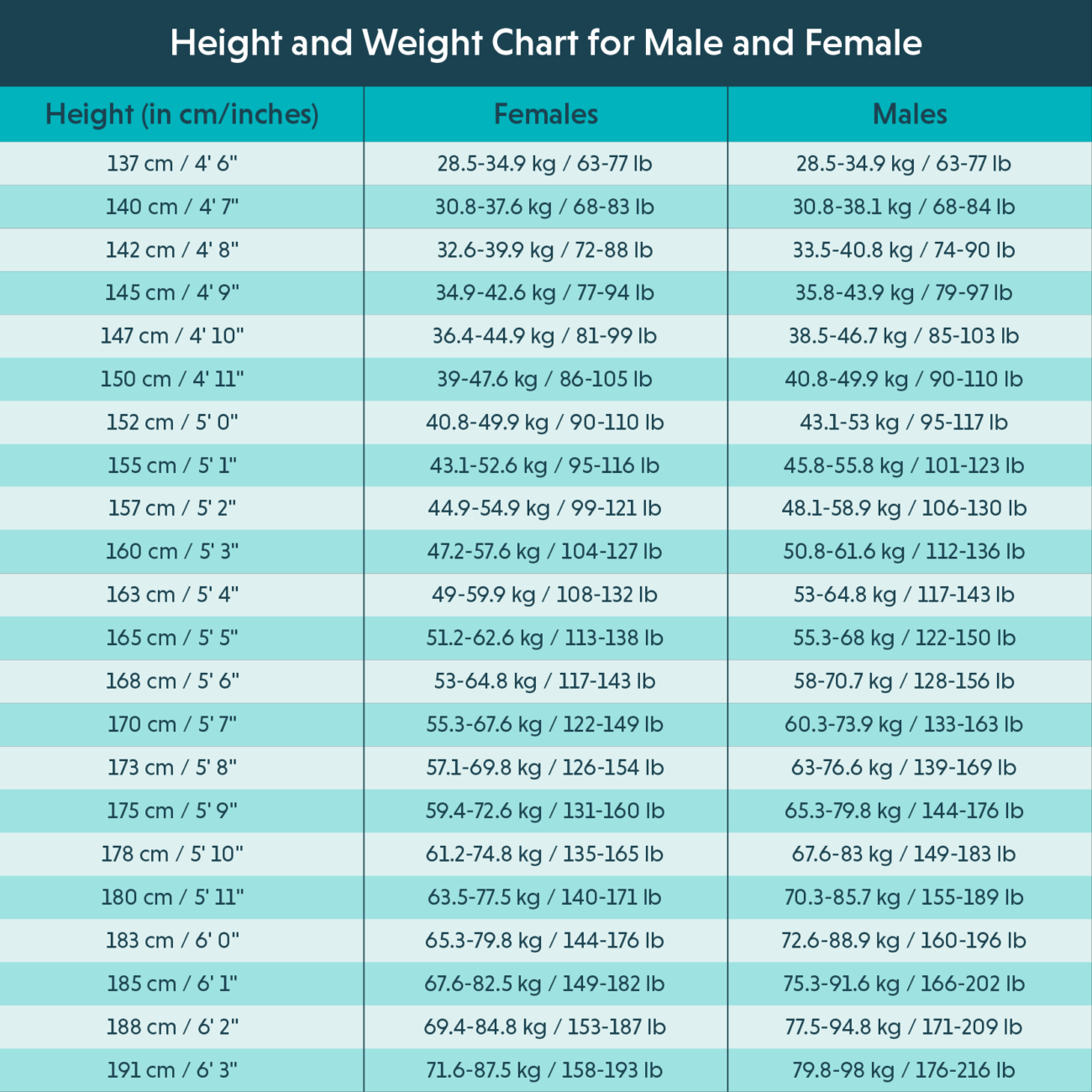
When it comes to monitoring your child’s growth, having a Recommended Height And Weight Chart can be incredibly useful. This chart provides a clear and organized way to track your child’s development over time, helping you easily identify any changes or trends. If you are a new parent or have multiple kids, using a height and weight chart is a straightforward way to keep tabs on your child’s growth journey.
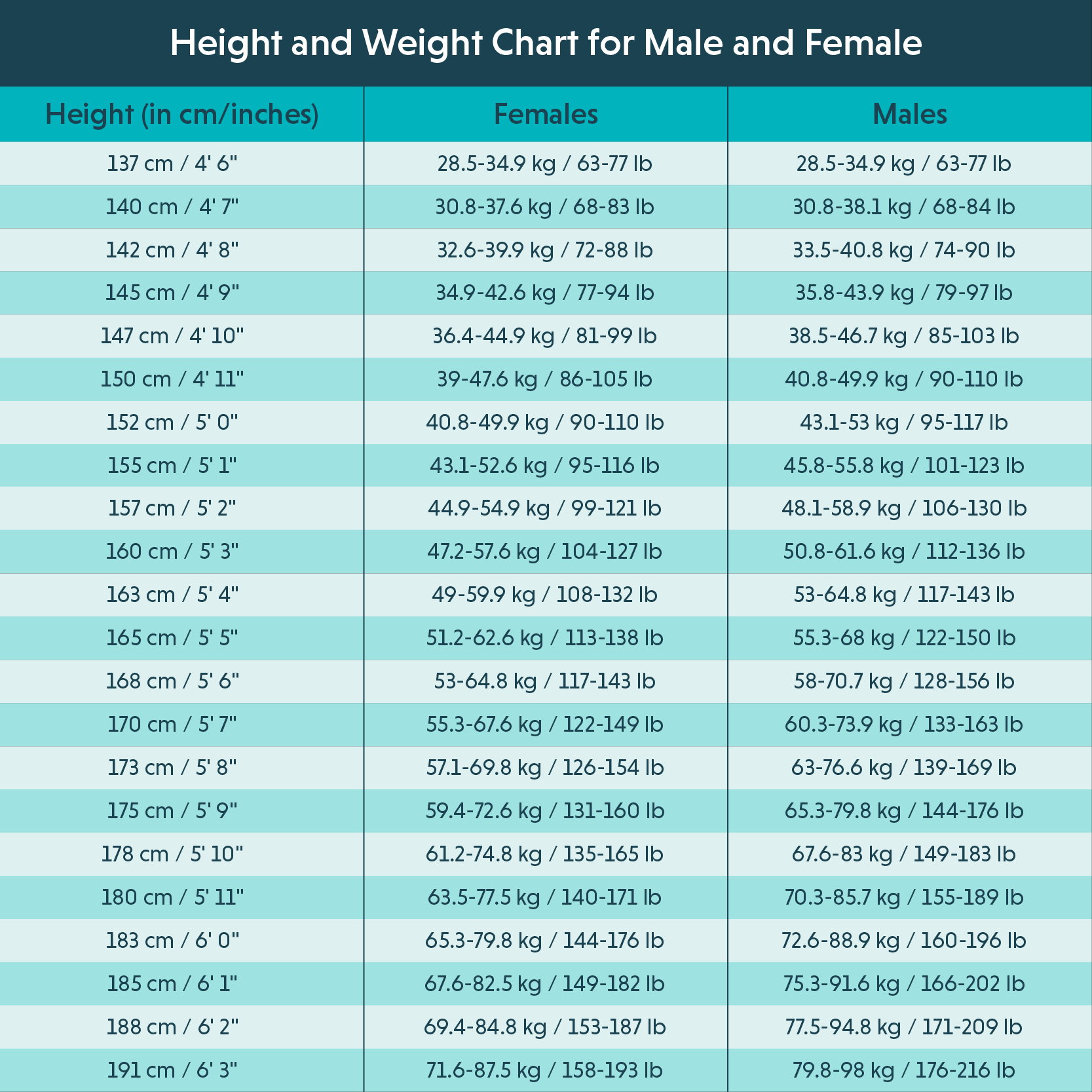
Understanding the Recommended Height And Weight Chart
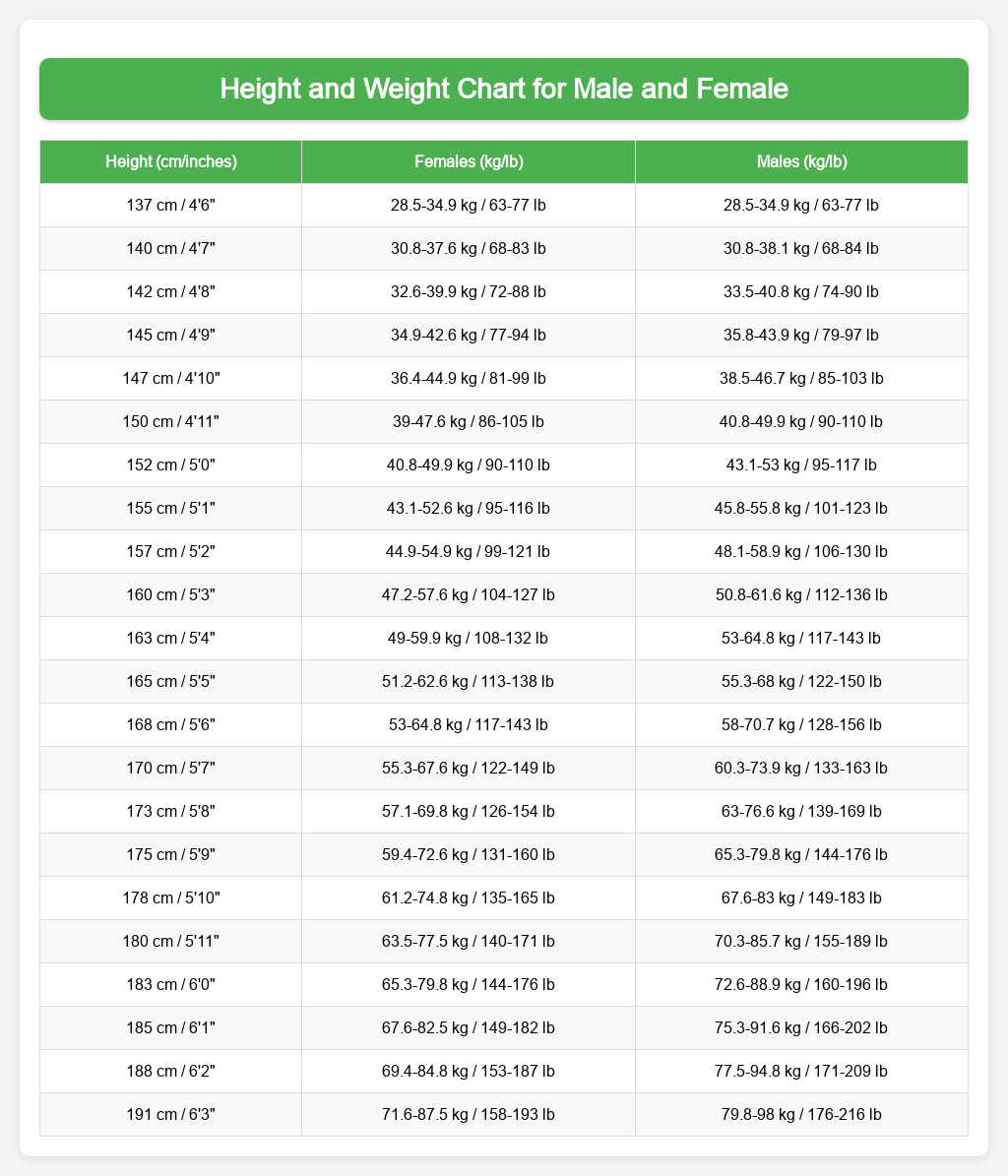
A Recommended Height And Weight Chart typically includes age ranges and corresponding height and weight averages for boys and girls. These charts are based on data collected from a wide range of children and can serve as a helpful benchmark for parents. By comparing your child’s measurements to the chart, you can assess whether they are growing at a healthy rate.
You can find these charts in various formats, from simple printouts to detailed fillable PDFs. When choosing a format, consider how you plan to use the chart. A printable version works well for quick reference, while a fillable PDF allows you to track measurements digitally.
How to Use the Height and Weight Chart
Getting started with your Recommended Height And Weight Chart is simple. Follow these steps to make the most of this resource:
- Download and Print: Begin by downloading the chart from a reputable source. If you prefer a physical copy, print it on standard letter-sized paper (8.5 x 11 inches). If you’re using a fillable PDF, open it in a compatible application to enter your child’s data directly.
- Gather Measurements: Use a measuring tape to measure your child’s height and a scale to determine their weight. It’s best to do this consistently, perhaps once a month, to track growth effectively.
- Record Data: Write down your child’s age, height, and weight on the chart. If you’re using a fillable PDF, enter the data into the designated fields. Make sure to date each entry to keep track of your child’s progress over time.
- Compare to Averages: Once you’ve recorded the data, compare it to the averages listed on the chart. This will help you see where your child stands in relation to their peers.
- Consult a Pediatrician: If you’re concerned about your child’s growth patterns, don’t hesitate to consult a pediatrician. They can provide insights and recommendations based on your child’s specific situation.
Advantages of Using a Height and Weight Chart
Using a Recommended Height And Weight Chart has several benefits:
- Visual Tracking: Charts provide a visual representation of growth that can be easier to understand than numbers alone. You can quickly see if your child is on track.
- Encourages Healthy Habits: By regularly measuring your child’s growth, you can encourage healthy habits such as physical activity and balanced nutrition.
- Identifying Trends: Keeping records over time allows you to identify trends in your child’s growth. If you notice significant changes, it may be worth discussing with a healthcare professional.
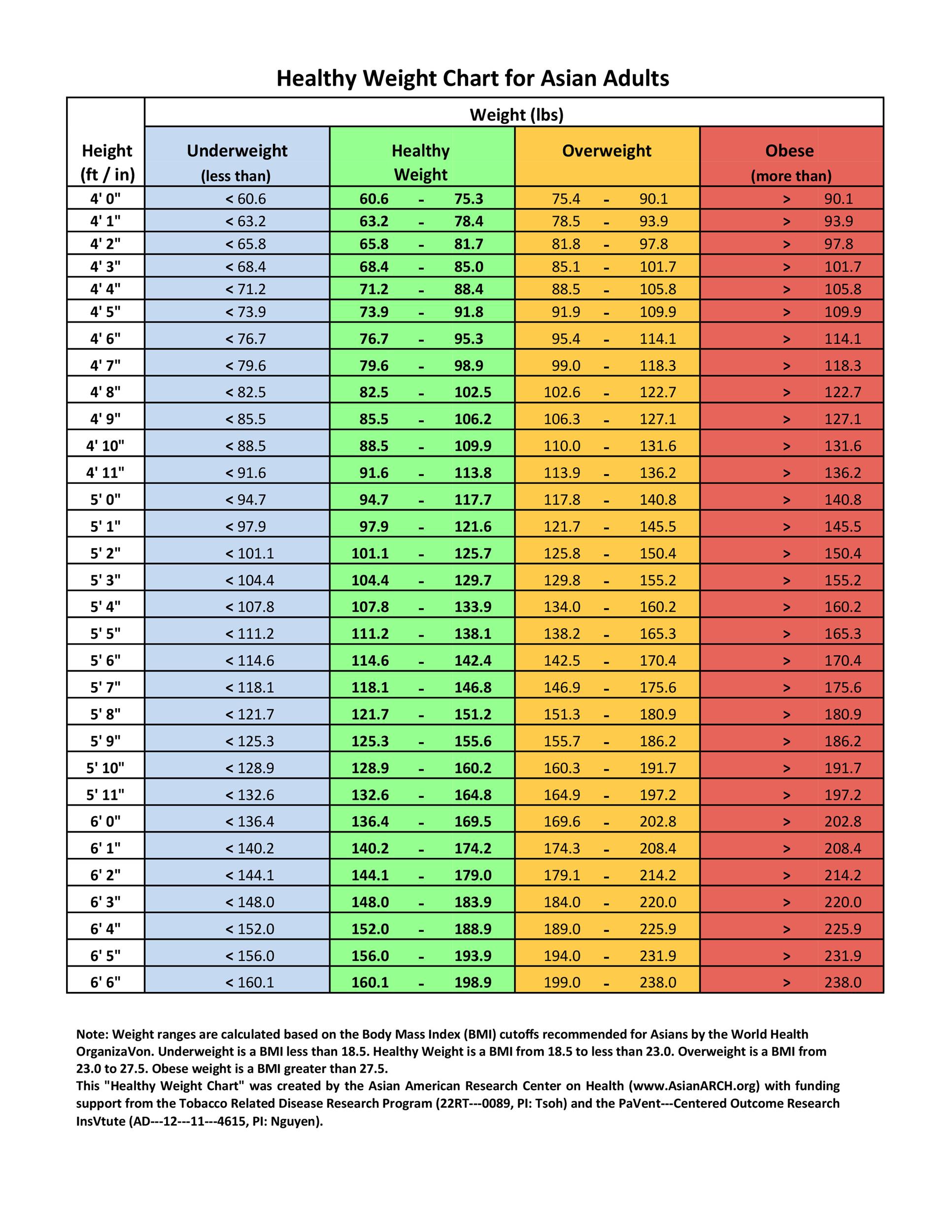
Digital Vs. Print: Which is Best?
When it comes to choosing between a digital or print version of the Recommended Height And Weight Chart, consider your lifestyle and preferences.
- Digital Charts: Fillable PDFs are great for parents who want to keep everything organized on their devices. You can easily update the numbers and even add notes about your child’s health or milestones. Plus, digital versions can be stored securely and accessed anytime.
- Print Charts: On the other hand, printed charts can be hung on the fridge or kept in a scrapbook, making it easy to reference at a glance. You can also involve your children by letting them see their growth visually, which can be exciting and motivating for them.
