Weight gain during pregnancy can feel like a daunting topic for many expectant mothers. With the Pregnant Women Weight Gain Chart, you can easily monitor your weight throughout your pregnancy journey. This resource is designed specifically for parents who want to keep track of their health and well-being while preparing for their new arrival. Understanding the layout and how to effectively use this chart can help you maintain a healthy balance during this pivotal time.
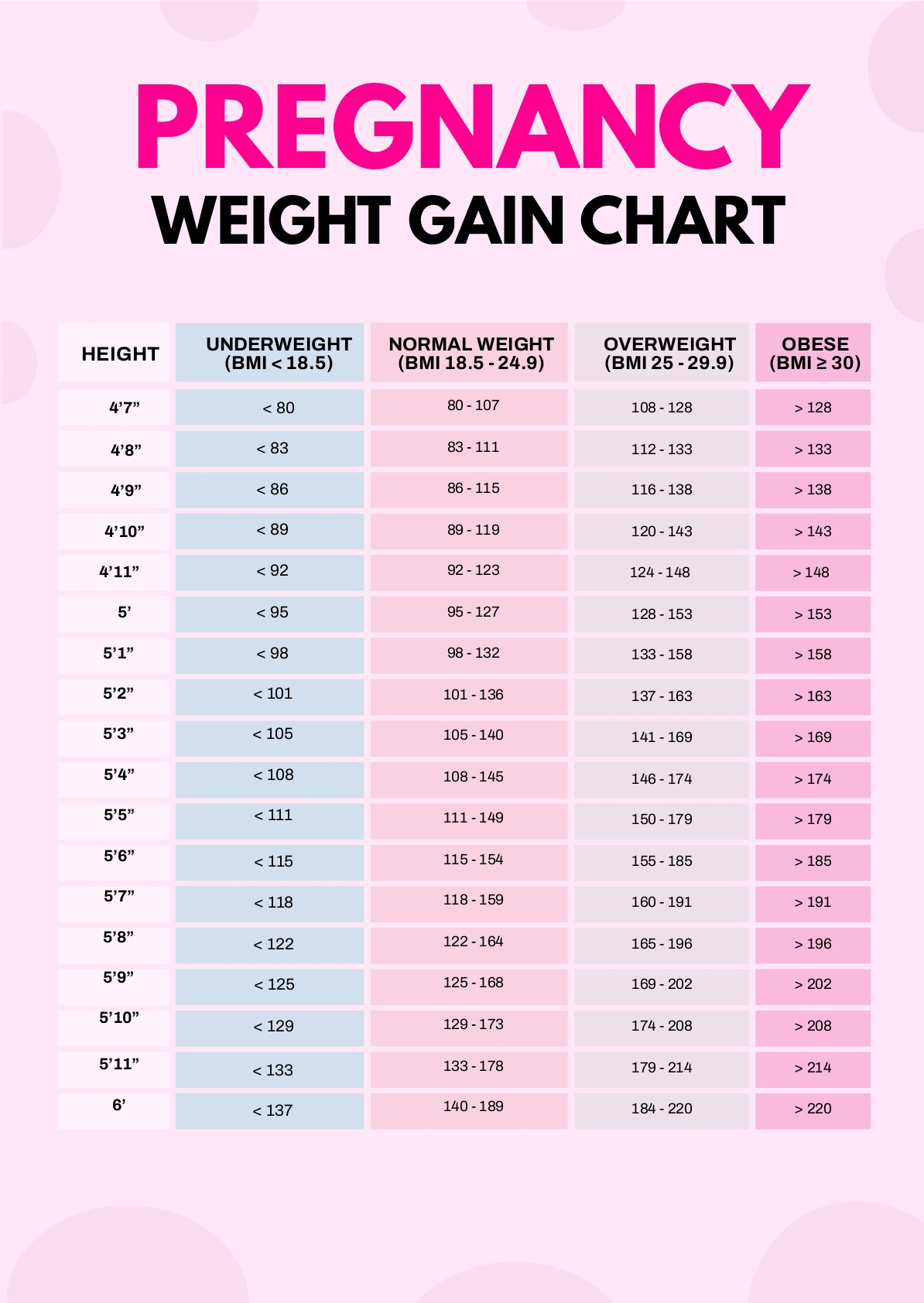
Understanding the Layout of the Weight Gain Chart
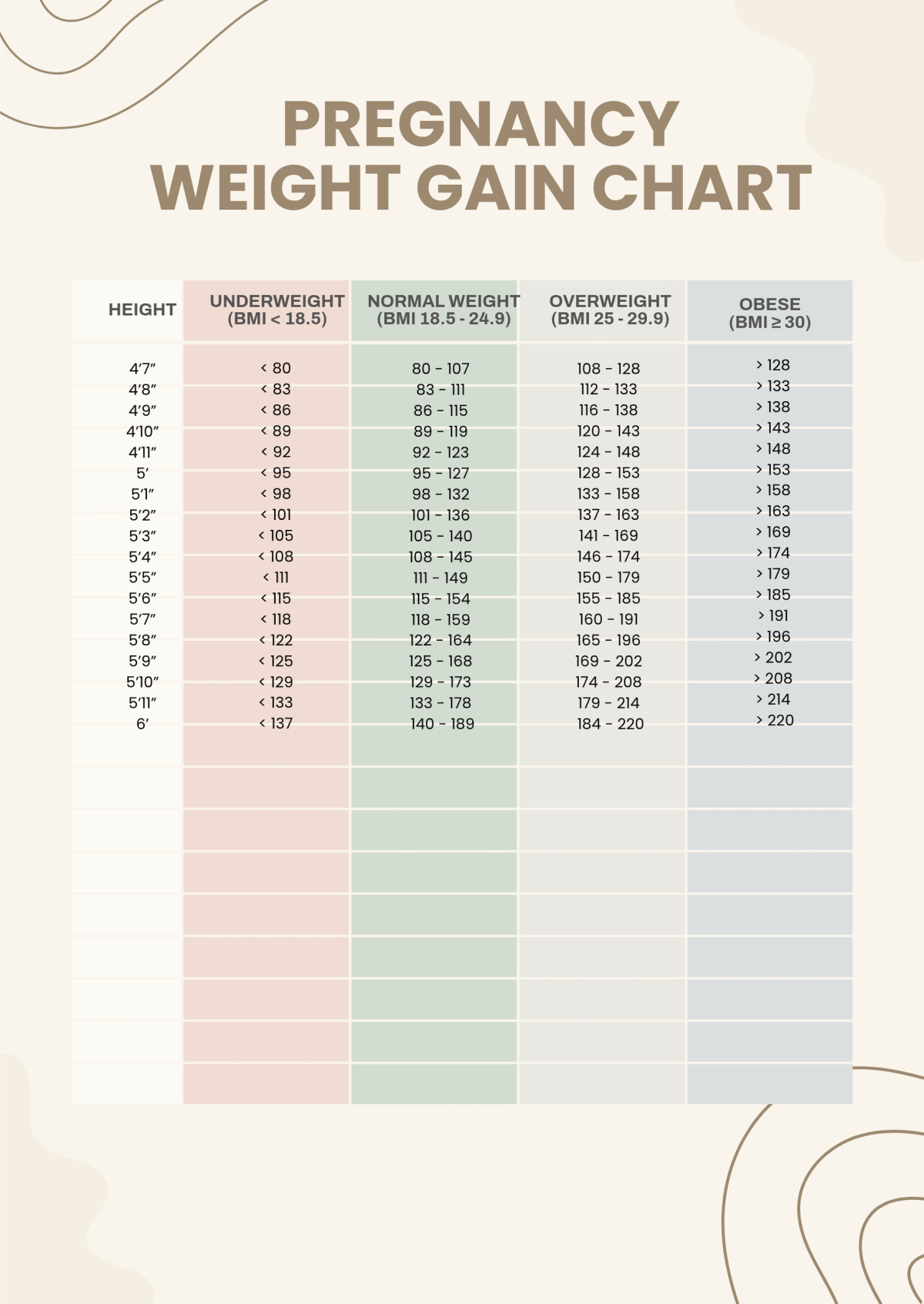
The Pregnant Women Weight Gain Chart typically features a simple and user-friendly layout. You’ll find a table that spans the duration of your pregnancy, usually divided by weeks. Each row represents a week, and columns typically include:
- Week of pregnancy: This indicates the specific week you are in, starting from week 1 up to week 40.
- Recommended weight gain range: This section shows the ideal weight gain for your BMI category (underweight, normal weight, overweight, and obese).
- Your current weight: A space for you to fill in your actual weight each week.
- Comments or notes: This is where you can jot down any additional observations, such as changes in appetite or physical activity.
This organized format allows you to quickly see where you stand in relation to the recommended weight gain for your specific situation.
How to Use the Chart Effectively
Using the Pregnant Women Weight Gain Chart is straightforward. Here are some practical steps to make the most of it:
- Print it out: Choose a sturdy paper, like cardstock, to ensure durability. This chart will be your companion for several months, so you want it to hold up well.
- Fill in your starting weight: At your first prenatal appointment, your healthcare provider will likely give you your starting weight. Make sure to fill this in at the top of the chart.
- Weigh yourself weekly: Consistency is key. Weigh yourself at the same time each week, preferably in the morning before eating or drinking anything. This will give you the most accurate reading.
- Record your weight: Each week, note your weight in the designated space. This will help you visualize your progress and ensure you’re within the recommended range.
- Utilize the comments section: Use this area to note anything significant, like cravings, changes in exercise, or doctor visits. This can be useful for discussions with your healthcare provider.
By following these steps, you can keep an eye on your weight while also paying attention to how you feel physically and emotionally during your pregnancy.
Recognizing Weight Gain Recommendations
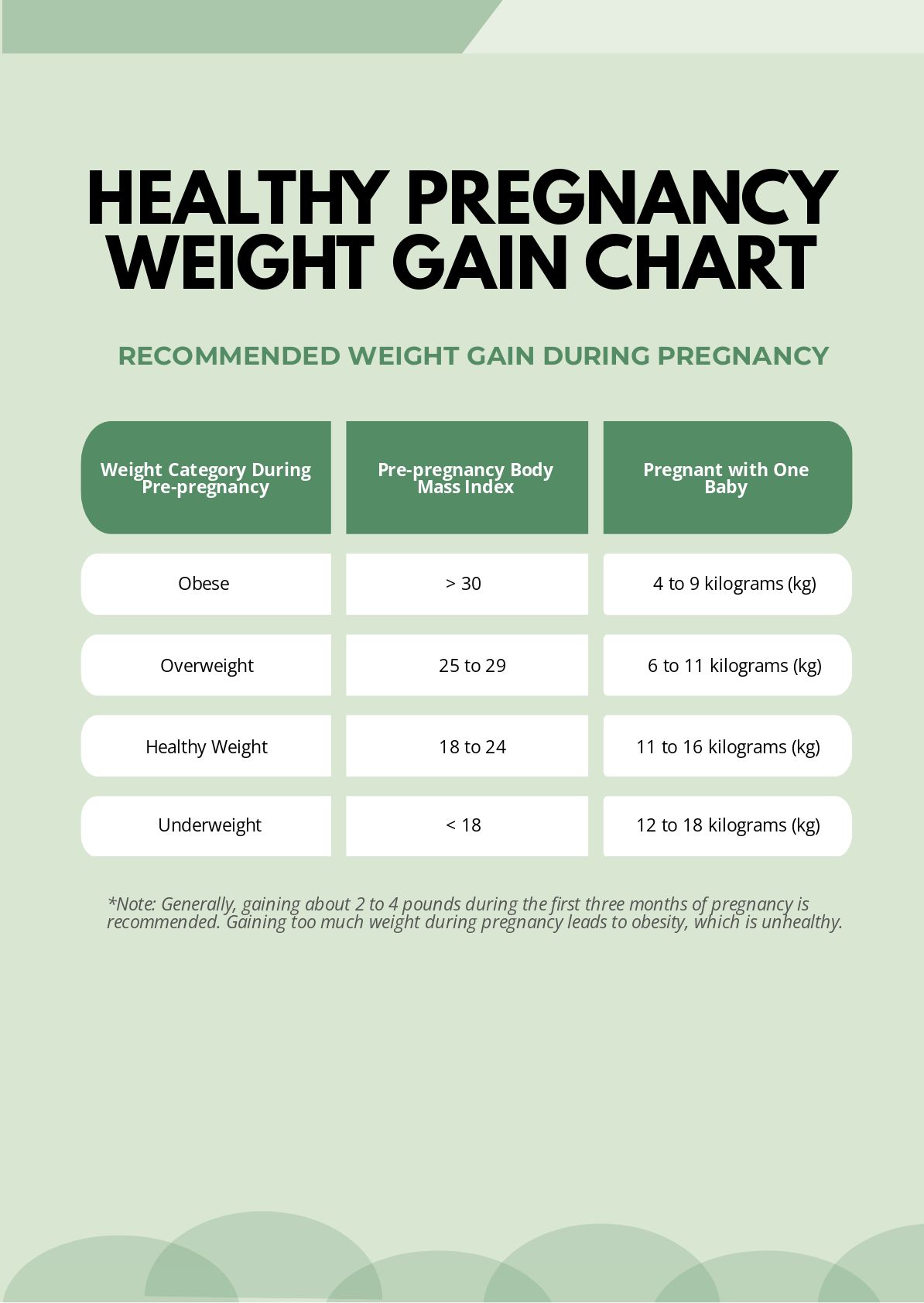
Weight gain recommendations during pregnancy can vary significantly based on your pre-pregnancy BMI. Here’s a quick breakdown:
- Underweight (BMI less than 18.5): Recommended weight gain is typically 28-40 pounds.
- Normal weight (BMI 18.5-24.9): Aim for 25-35 pounds.
- Overweight (BMI 25-29.9): A goal of 15-25 pounds is usually suggested.
- Obese (BMI 30 or greater): The recommendation is often around 11-20 pounds.
These ranges are general guidelines. Individual circumstances may lead to different recommendations, so it’s essential to consult with your healthcare provider about what’s best for you.
Common Mistakes to Avoid
While using the Pregnant Women Weight Gain Chart, here are a few common pitfalls to watch out for:
- Inconsistent weighing: Weighing yourself at different times or under different conditions can lead to inaccurate tracking. Stick to the same routine for the best results.
- Ignoring the comments section: This space can be your ally. If you notice trends in your cravings or energy levels, documenting them can help your healthcare provider give you tailored advice.
- Focusing solely on the number: Remember, the number on the scale is just one piece of the puzzle. Pay attention to how you feel, your energy levels, and any other health indicators.
By being mindful of these points, you can use the Pregnant Women Weight Gain Chart to its full potential, ensuring a more informed and healthier pregnancy experience.
Where to Keep Your Chart
Once you’ve printed and filled in your Pregnant Women Weight Gain Chart, consider where you’ll store it. A few practical suggestions include:
- On your fridge: Keeping it in a visible spot can serve as a constant reminder to update your weight weekly.
- In your planner: If you use a planner or organizer for pregnancy-related tasks, this chart can easily fit inside.
- In a dedicated pregnancy binder: If you’re the organized type, creating a binder for all your pregnancy-related documents can be a great way to keep everything in one place.
Choosing the right spot will encourage you to keep up with your tracking.
Tracking your weight gain during pregnancy doesn’t have to be overwhelming. With the Pregnant Women Weight Gain Chart, you can monitor your progress, stay informed, and have meaningful conversations with your healthcare provider. Whether you opt for a simple printout or a more decorative chart you can hang up, what matters is that it serves your needs and helps you feel empowered during this incredible journey.
