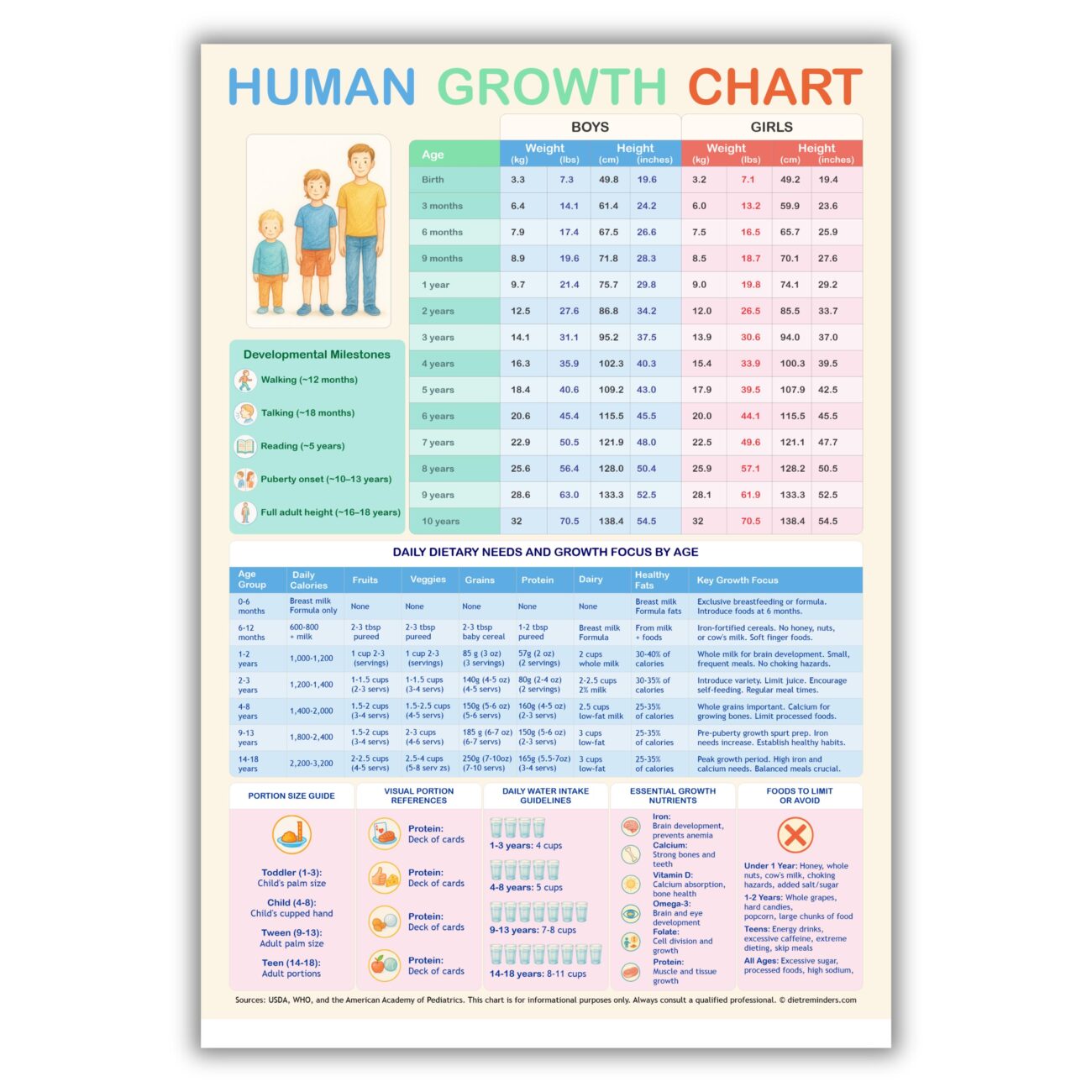
Tracking your child’s growth is an essential part of parenting, and a Pediatric Height And Weight Growth Chart is a helpful tool for this purpose. These charts provide a visual representation of your child’s growth over time, allowing you to monitor their progress and ensure they are developing healthily. In this article, I’ll walk you through the layout of these charts, explain how to fill them out, and discuss how they can fit into your routine as a parent.
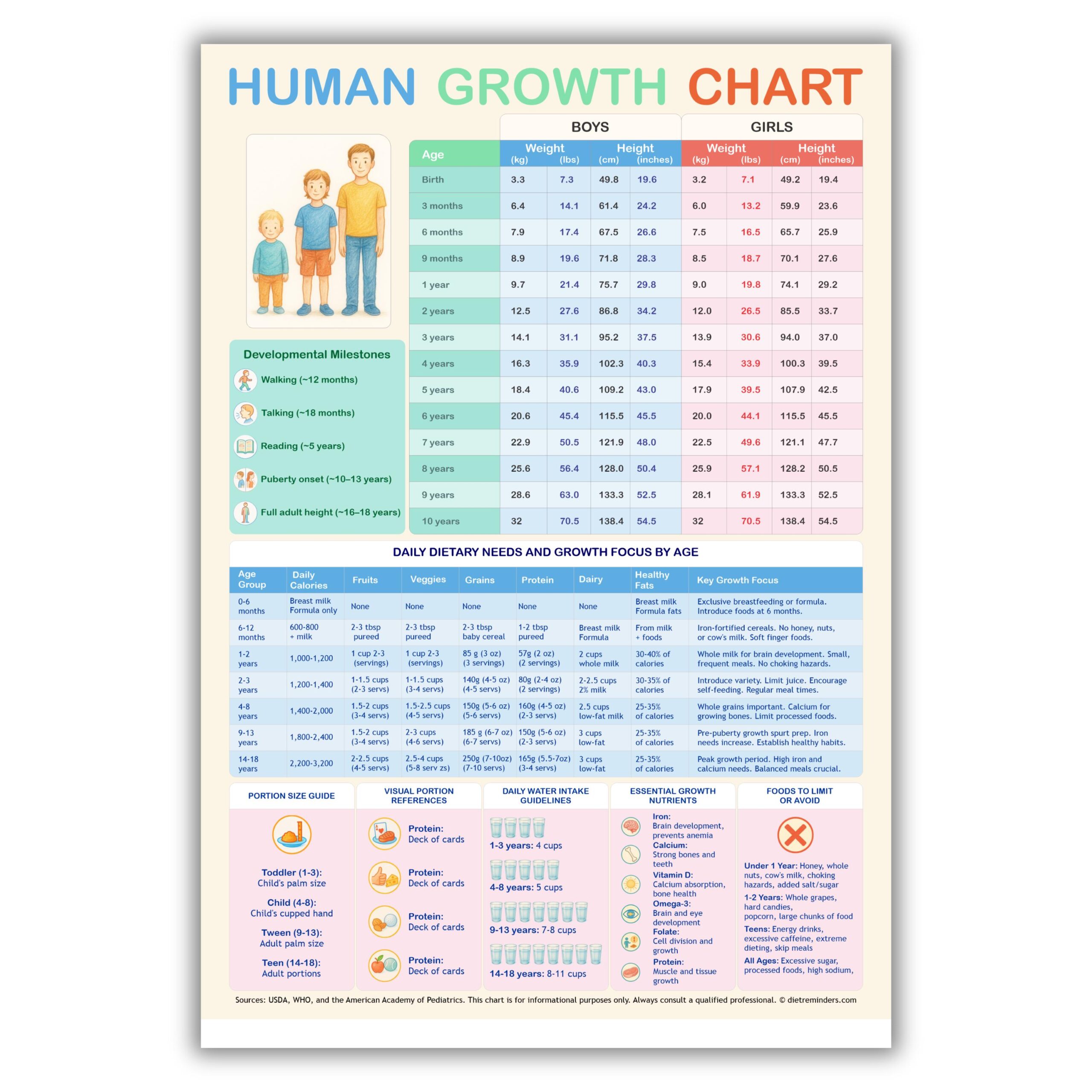
Understanding the Layout of a Pediatric Height And Weight Growth Chart
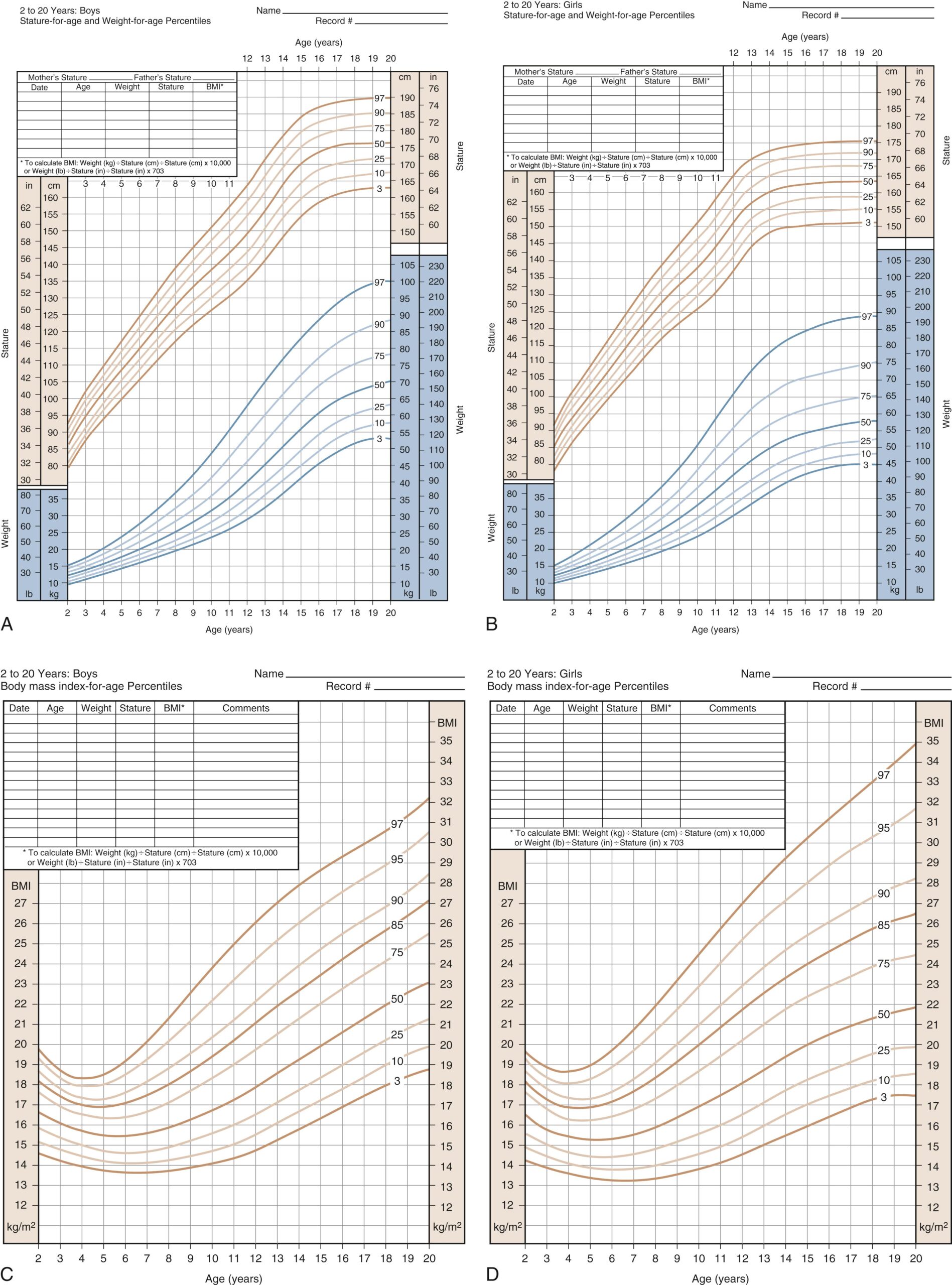
A typical Pediatric Height And Weight Growth Chart is designed to be user-friendly and informative. You’ll notice that these charts usually have a grid format, where the X-axis represents age (often in months or years) and the Y-axis indicates height and weight measurements.
When you first look at the chart, you’ll see percentile lines that run horizontally across the graph. These lines represent different growth percentiles, such as the 5th, 50th, and 95th percentiles. Understanding these percentiles is crucial as they help you determine how your child’s growth compares to other children of the same age and sex. For example, if your child falls on the 50th percentile, it means they are taller or heavier than 50% of their peers.
Filling Out the Growth Chart
When it comes to filling out the Pediatric Height And Weight Growth Chart, preparation is key. You’ll want to have your child’s most recent height and weight measurements handy. Here’s how to do it effectively:
- Take Accurate Measurements: Make sure to measure your child’s height without shoes, standing straight against a wall. For weight, use a reliable scale. It’s best to weigh your child in light clothing.
- Locate the Correct Age: Find your child’s age on the X-axis of the chart. If your child is 3 years and 4 months old, you would mark them at the 3-year mark and find the corresponding month.
- Plot the Measurements: Mark your child’s height and weight on the chart. For instance, if your 3-year-old weighs 30 pounds, locate 30 on the weight axis and draw a dot at the intersection of their age.
- Connect the Dots: Over time, as you take new measurements, you can connect the dots to create a line. This visual representation will show you how your child’s growth is progressing.
Regular Updates and Routine Tracking
Integrating the Pediatric Height And Weight Growth Chart into your routine can be both satisfying and revealing. I recommend checking your child’s growth every few months, especially during well-child visits. This consistency allows you to keep a close eye on their development.
When you update the chart, take a moment to talk to your child about their growth. It can be a fun way to engage them in their health journey and encourage a positive outlook on physical development. You can also use this opportunity to discuss nutrition and exercise, helping them understand the importance of a healthy lifestyle.
Common Concerns and What They Mean
As you fill out the Pediatric Height And Weight Growth Chart, you might have questions or concerns about your child’s growth patterns. It’s essential to know that not all children grow at the same pace, and variations are normal. However, if you notice that your child consistently falls below the 5th percentile or above the 95th percentile, it might be worth discussing with your pediatrician.
Your doctor can provide insights into whether your child’s growth pattern is typical for their age and help address any underlying issues if necessary. Always remember that these charts are just one tool among many in monitoring your child’s health.
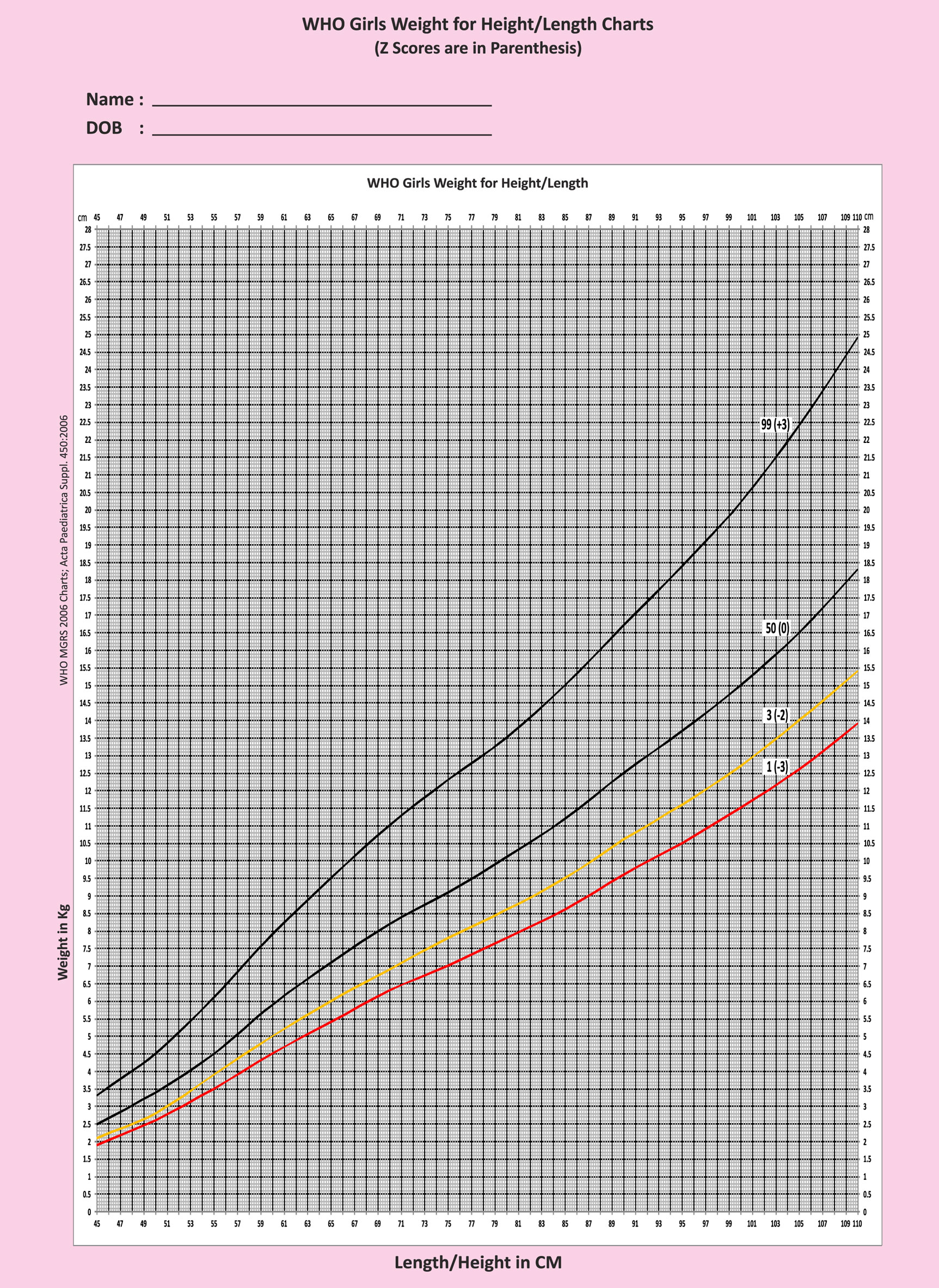
Printable Resources for Easy Tracking
If you’re looking for a convenient way to maintain your child’s growth records, consider downloading and printing a Pediatric Height And Weight Growth Chart. Many websites offer free, printable templates that you can easily fill out at home. Make sure to choose one that is tailored to your child’s age group and specific needs.
When printing, opt for a larger paper size, like 11×17 inches, to give you enough space to plot multiple measurements over time. You might also want to laminate the chart to protect it from wear and tear, especially if your child is involved in activities that could damage paper.
By keeping a printed chart at home, you can easily access it during doctor’s visits or when discussing your child’s growth with family and friends. It can even serve as a fun keepsake to look back on as your child grows.
In summary, using a Pediatric Height And Weight Growth Chart is a practical way to track your child’s growth and development. By understanding how to read and fill it out, regularly updating it, and utilizing printable resources, you’ll have a clearer picture of your child’s health journey. Whether it’s by engaging with your child about their growth or discussing concerns with a pediatrician, this tool empowers you to support their healthy development.
