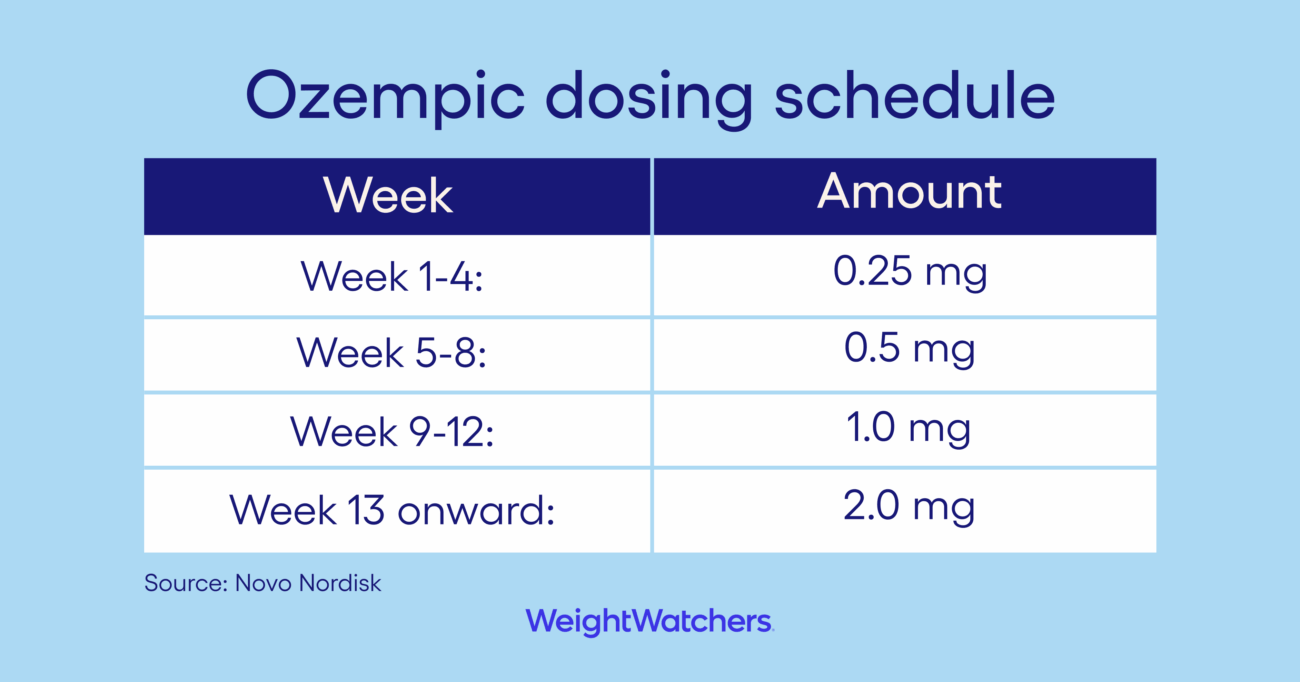
Ozempic is gaining attention for its role in weight loss management, and having a clear dosage chart can make a significant difference in how you approach this treatment. The Ozempic For Weight Loss Dosage Chart serves as a practical guide to help you understand how to effectively use this medication while keeping track of your progress. You’ll find that this resource is designed specifically for individuals looking to manage their weight safely and effectively.
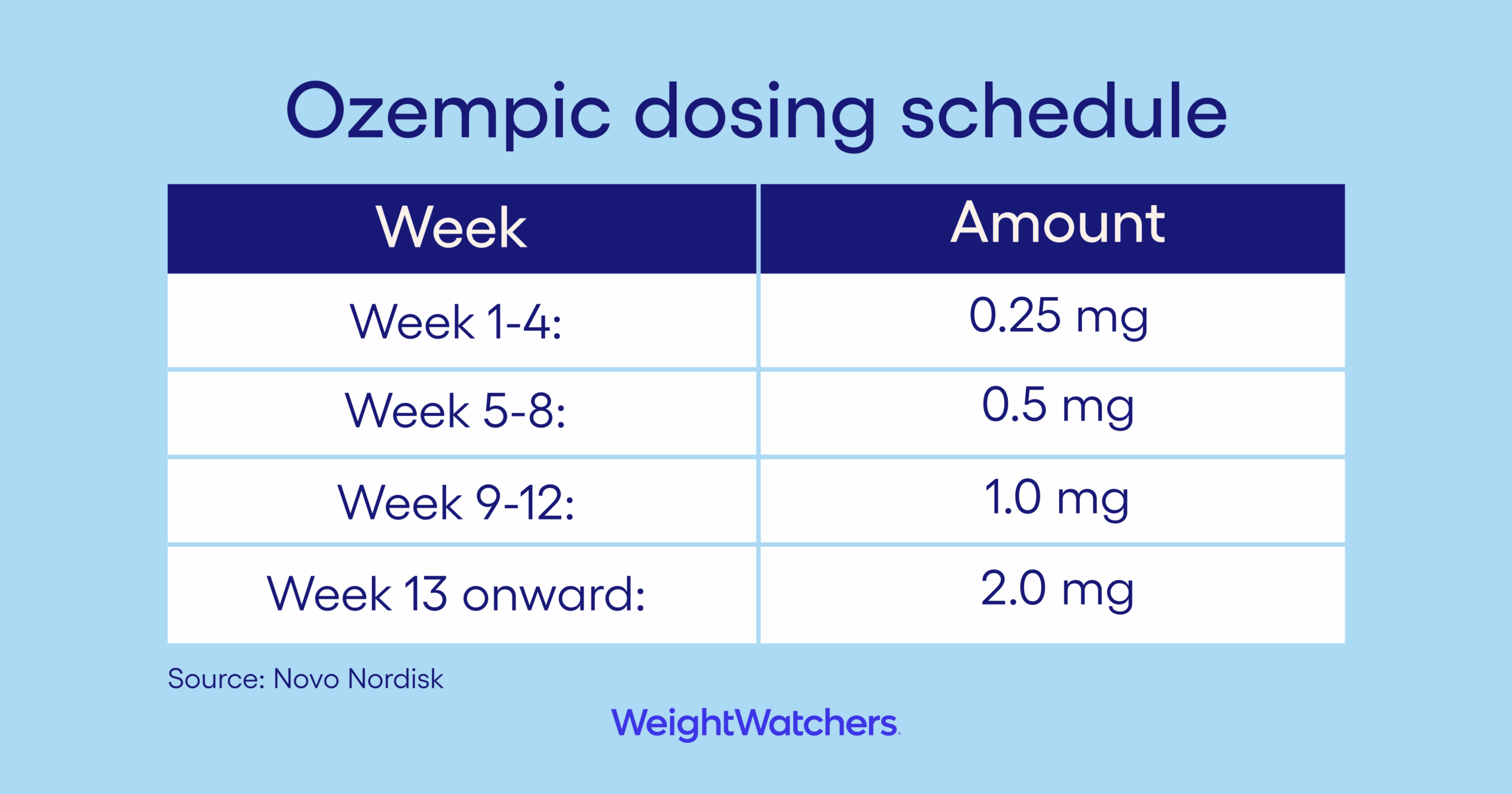
Understanding Ozempic and Its Dosage
Ozempic, or semaglutide, is an injectable medication that helps control blood sugar levels and has been shown to aid in weight loss. It’s important to start with the proper dosage to maximize its effectiveness while minimizing potential side effects. The dosage typically begins low and can be gradually increased based on your healthcare provider’s recommendations.
A well-structured dosage chart helps you keep track of your dosage schedule, ensuring that you administer the correct amount at the right time. This is essential not just for weight loss, but also for maintaining stable blood sugar levels if you’re also managing diabetes.
How to Read the Dosage Chart
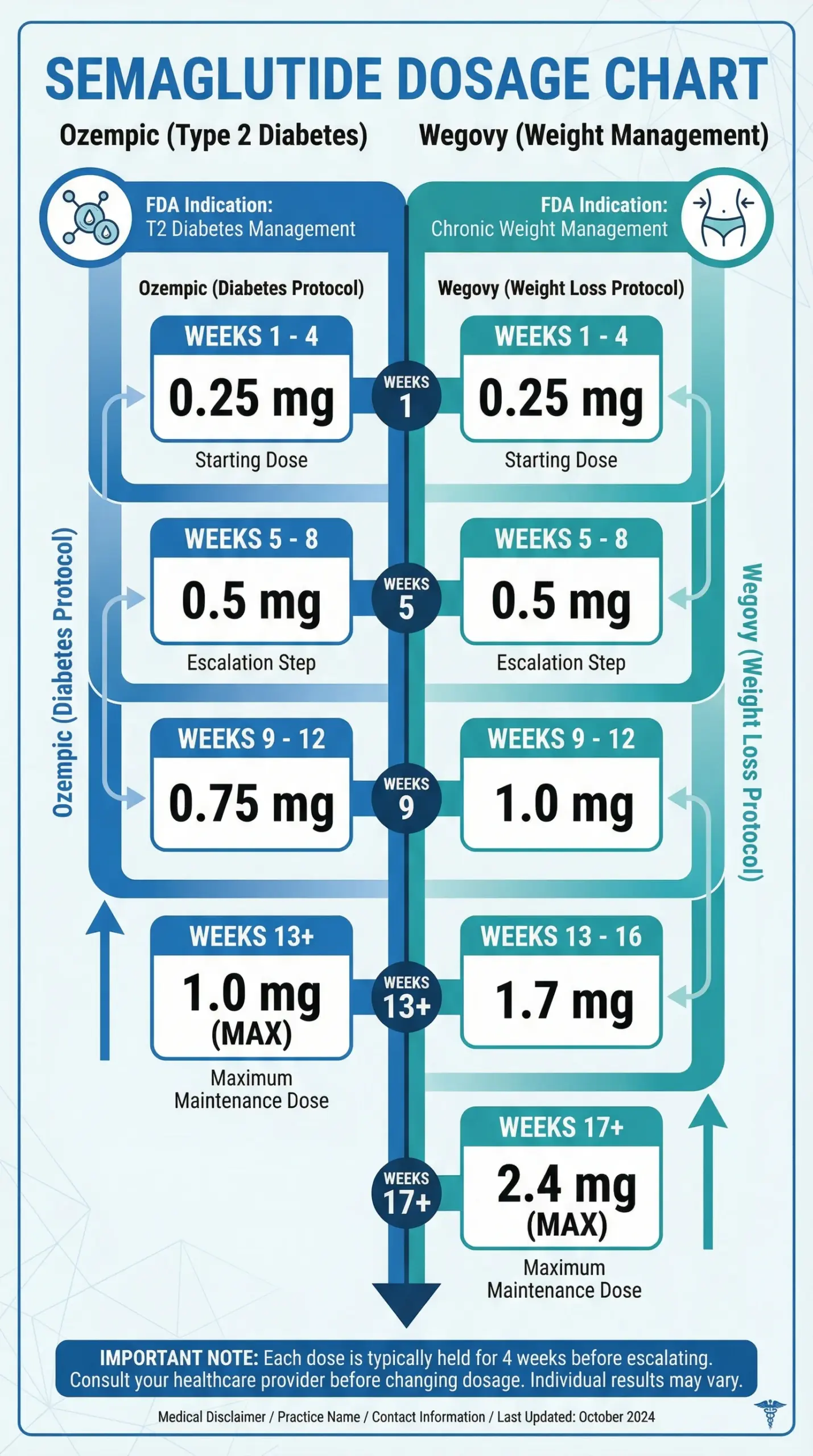
The Ozempic For Weight Loss Dosage Chart usually includes several key pieces of information laid out in an easy-to-read format:
- Dosage Amounts: This section lists the various dosage levels you may be prescribed, typically starting from 0.25 mg to 2 mg.
- Administration Schedule: This indicates how often you should administer the medication, often once a week.
- Weight Loss Goals: Some charts may include weight loss targets based on dosage adjustments, helping you visualize your progress.
Understanding how to read this chart can streamline your routine and help you stay organized in your weight loss journey.
Filling Out Your Dosage Chart
When using the Ozempic For Weight Loss Dosage Chart, it’s crucial to fill it out correctly. Here are some steps to help you get started:
- Initial Dosage: Begin by noting your initial dosage as prescribed by your healthcare provider.
- Administration Dates: Write down the dates you take your medication. This helps you maintain a consistent schedule.
- Progress Tracking: Include a section for tracking your weight and any side effects you notice. This can help in discussions with your healthcare provider about your progress.
- Adjustments: As your doctor may adjust your dosage based on your response to the medication, make sure to update the chart accordingly.
By keeping this chart updated, you can stay organized and focused on your weight loss goals.
When to Use the Dosage Chart
The Ozempic For Weight Loss Dosage Chart is particularly useful in various scenarios:
- Starting Treatment: If you’re beginning your weight loss journey with Ozempic, this chart can guide you through your initial weeks.
- Monitoring Progress: As you continue treatment, regularly updating the chart can help you see patterns in your weight loss and how your body responds to different dosages.
- Consulting with Healthcare Providers: Having a detailed record of your dosages and progress can facilitate discussions with your doctor, allowing for informed adjustments to your treatment plan.
This chart is more than just a list of dosages; it’s a tool that empowers you to take charge of your health.
Presentation and Use of the Chart
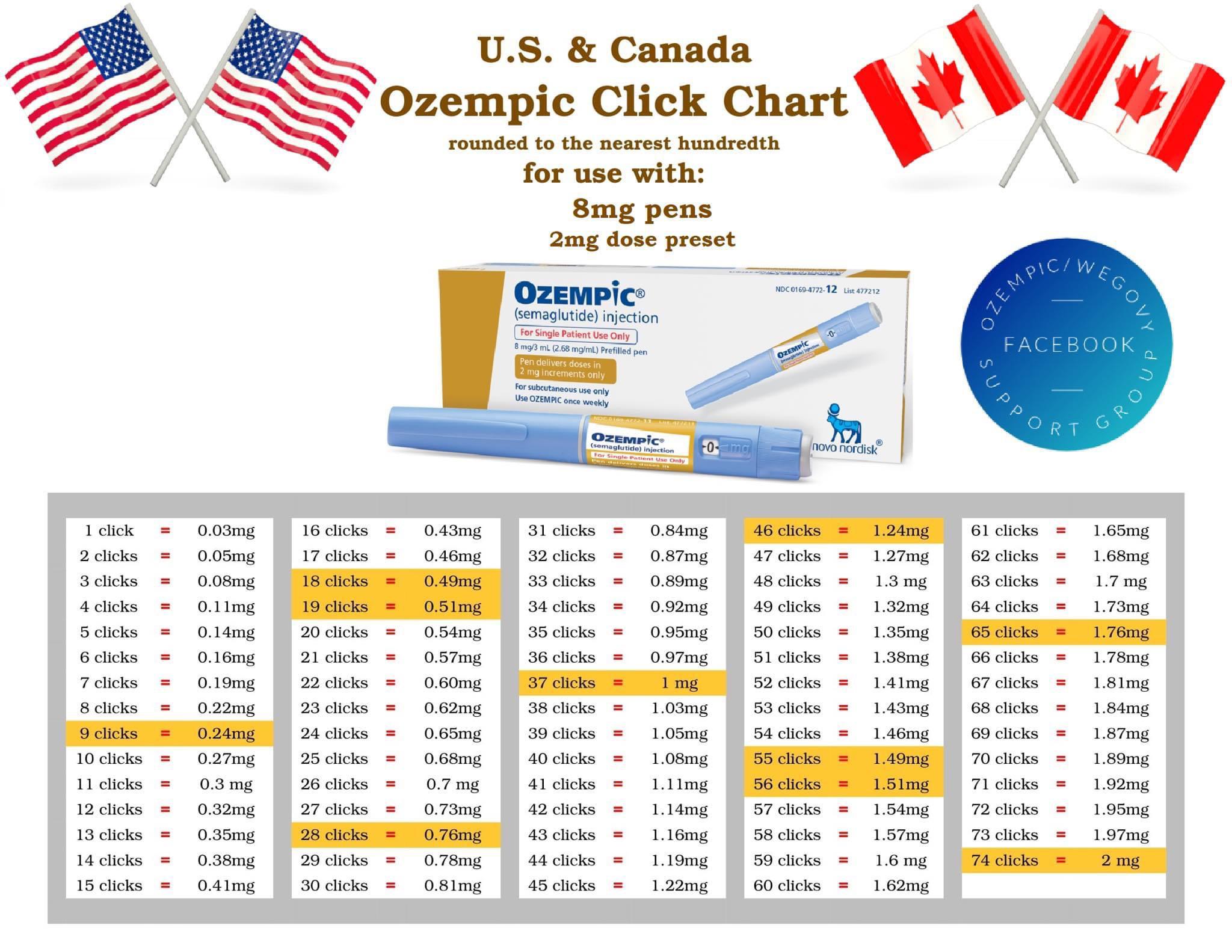
To get the most out of your Ozempic For Weight Loss Dosage Chart, consider how you present and utilize it. Here are some tips:
- Printable Format: Ensure that you have a printable version that you can easily fill out by hand. A PDF format is often best for printing.
- Paper Quality: Use a heavier paper, like cardstock, for durability. This is especially important if you plan to keep the chart in a kitchen or bathroom where it may be exposed to moisture.
- Visibility: Place your chart in a visible location, such as on your fridge or in your planner, to remind you of your medication schedule.
By considering these presentation details, you can create a chart that is not only functional but also a constant reminder of your health journey.
The most important detail to remember is that regular communication with your healthcare provider ensures that your treatment plan remains effective and safe. Keep your dosage chart updated and take charge of your weight loss journey with confidence.
