Understanding the metric system can sometimes feel overwhelming, especially when it comes to weight conversions. If you’re like me, you might find yourself needing a quick reference to convert grams to kilograms or pounds to grams for various everyday tasks. That’s where a Metric System Weight Conversion Chart comes in handy. This printable resource can simplify your life, making it easy to keep track of weight measurements, whether for cooking, science projects, or educational purposes.
What Is a Metric System Weight Conversion Chart?
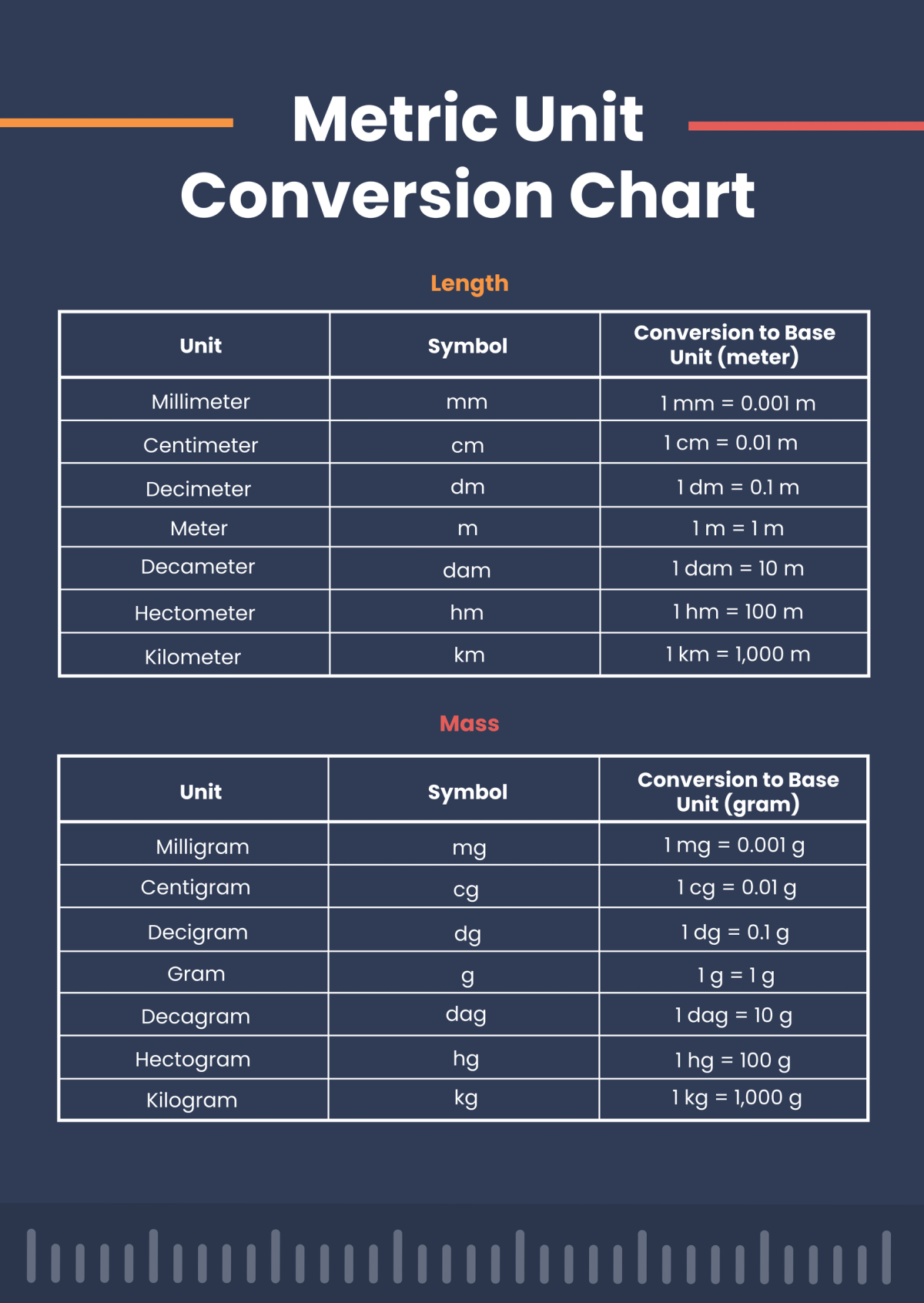
A Metric System Weight Conversion Chart is a simple tool that helps you convert between different weight units within the metric system, such as grams and kilograms, as well as between metric and imperial systems like pounds. This chart typically lists weights in a clear format, allowing you to quickly find the equivalent weights without needing a calculator or a smartphone app.
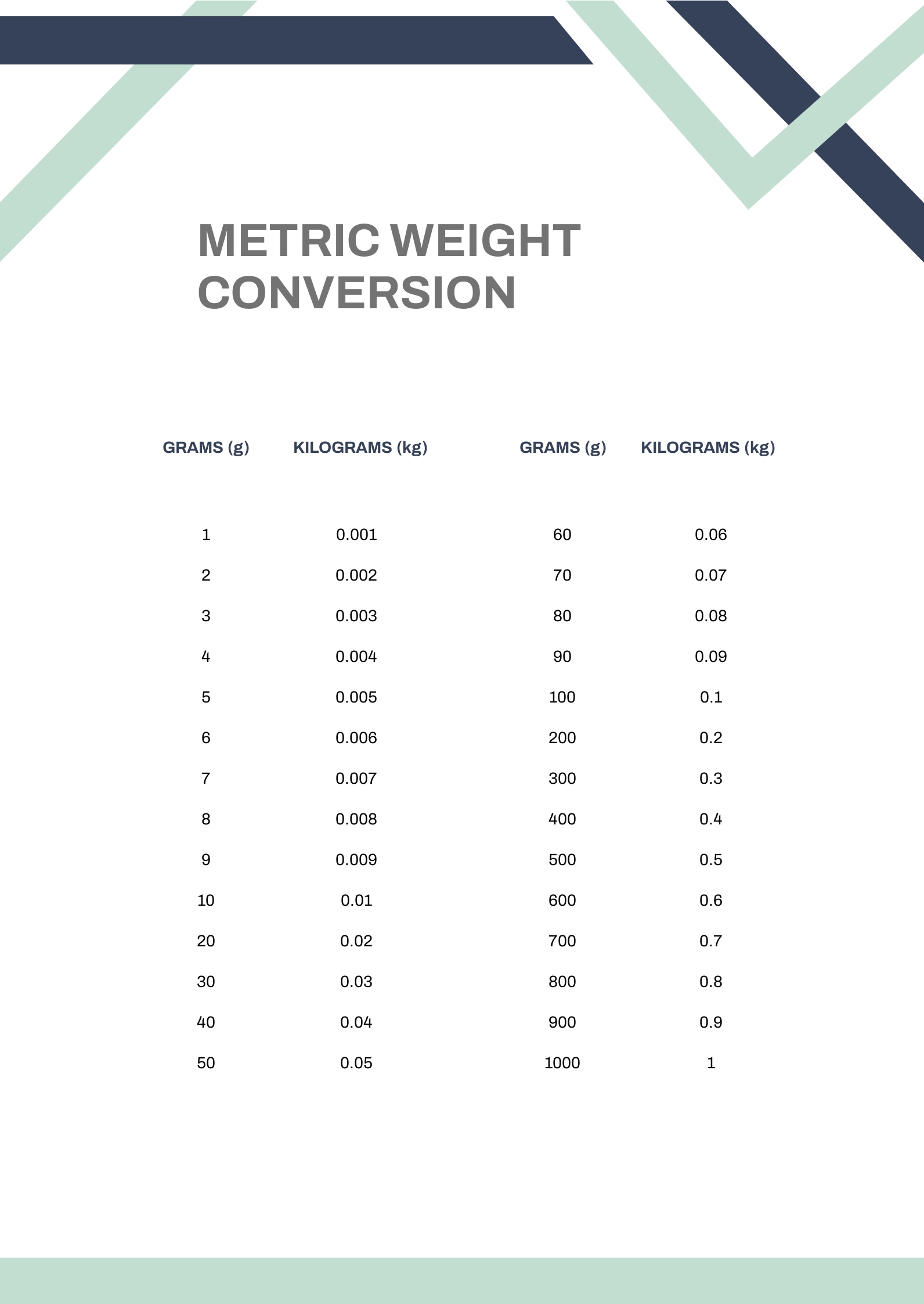
When using the chart, you’ll find values arranged in a way that makes it intuitive to read. For example, if you look up 500 grams, you can easily see that it equals 0.5 kilograms and approximately 1.1 pounds. Such a resource is particularly useful for parents, educators, and anyone who might be involved in cooking or crafting that requires precise measurements.
How to Use the Metric System Weight Conversion Chart
Using this chart is straightforward. Here’s a step-by-step guide:
- Download the Chart: First, find a reliable website that offers a downloadable Metric System Weight Conversion Chart. Ensure it’s in a printable format like PDF to avoid any reformatting issues.
- Print the Chart: Once downloaded, print it out. Use standard A4 or letter-sized paper, depending on your printer settings. For durability, consider using cardstock, especially if this is for a classroom or kitchen.
- Locate Your Measurement: When you need to convert a weight, simply find the measurement on the chart. Most charts will have a column for grams, one for kilograms, and another for pounds.
- Read the Equivalent: Look across the row to find the equivalent weight in the other units. This visual format speeds up the process, saving you time and effort.
- Keep It Accessible: Place your printed chart in a handy location, like your kitchen or study area, so you can refer to it whenever you need.
Common Uses for the Metric System Weight Conversion Chart
There are several practical applications for this conversion chart in daily life:
Cooking and Baking
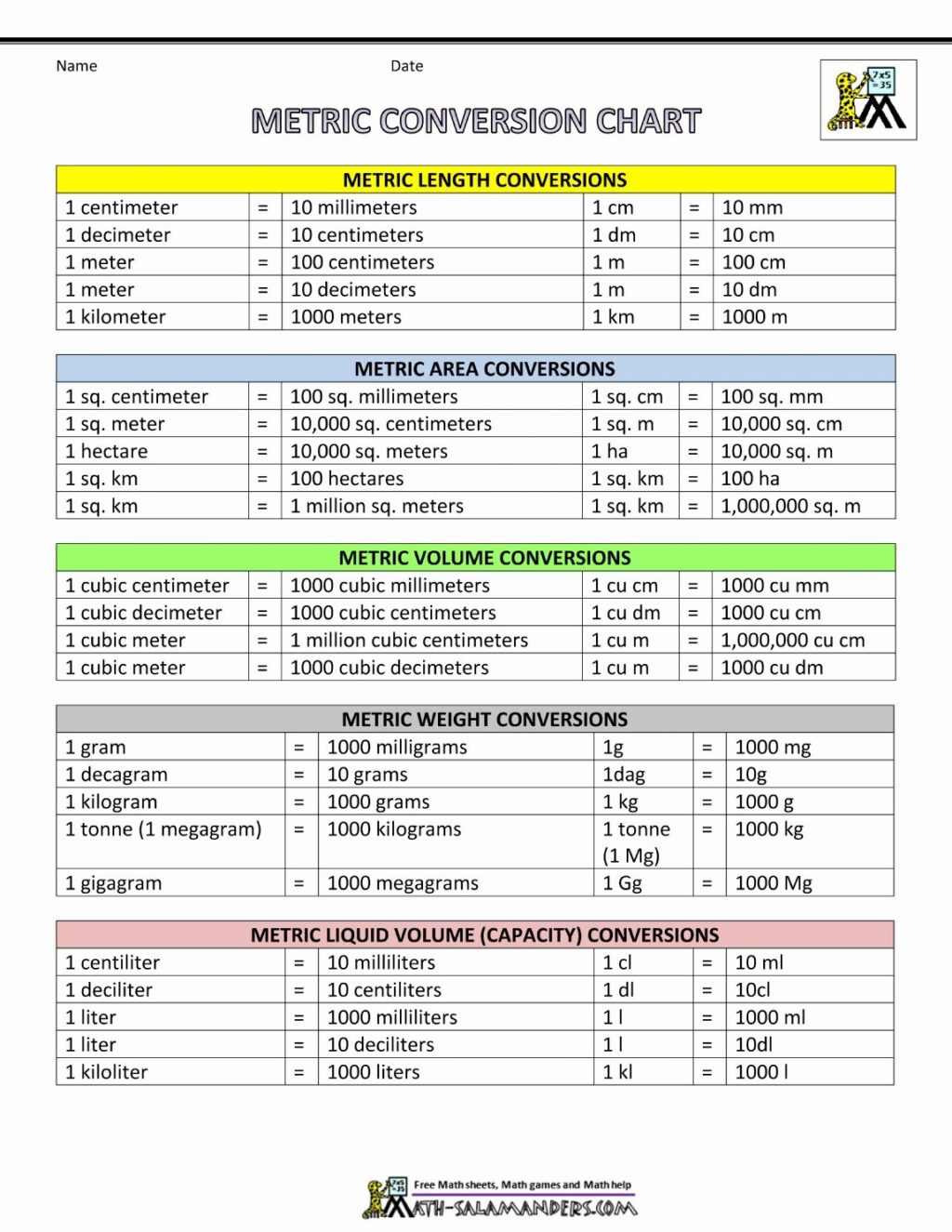
When following recipes that use different measurement systems, a Metric System Weight Conversion Chart is invaluable. For instance, if you have a recipe that calls for 250 grams of flour but your scale only measures in cups, you can quickly find the equivalent in cups using the chart. This ensures that you get the right amount of ingredients, leading to better results in your cooking.
Educational Activities
If you’re helping your child with science homework or a project, having this chart can help them understand weight conversions better. It reinforces their learning and provides a hands-on way to engage with math and science concepts. You can encourage them to use the chart while measuring items around the house, turning it into a fun learning game.
Fitness and Nutrition
For those tracking dietary intake, converting grams of protein or carbohydrates into ounces or pounds can be necessary. This chart makes it easy to manage your nutrition goals without getting bogged down in calculations.
Tips for Using Your Metric System Weight Conversion Chart Effectively
- Double-Check Measurements: While charts are generally reliable, always double-check if you’re working with critical measurements, especially in baking.
- Teach Kids to Use the Chart: If you have children, involve them in the process. Show them how to use the chart, which not only reinforces their learning but also makes them more self-sufficient.
- Customize Your Chart: If you find yourself using specific conversions frequently, consider marking those on your chart. For example, if you often need to convert 100 grams of sugar, highlight it for easy reference.
- Use in Combination with Other Resources: Sometimes, you may need to convert more than just weight. Pair your weight conversion chart with volume conversion charts for a complete cooking toolkit.
- Keep a Digital Copy: In addition to the printed version, having a digital copy on your phone can be handy for quick reference while shopping or cooking.
By following these practical steps, you’ll find that a Metric System Weight Conversion Chart can become an essential tool in your household. If you are cooking, educating, or tracking nutrition, this resource will save you time and enhance your understanding of weight measurements. So, take a moment to download and print your chart today, and put it to use in your daily routine!
