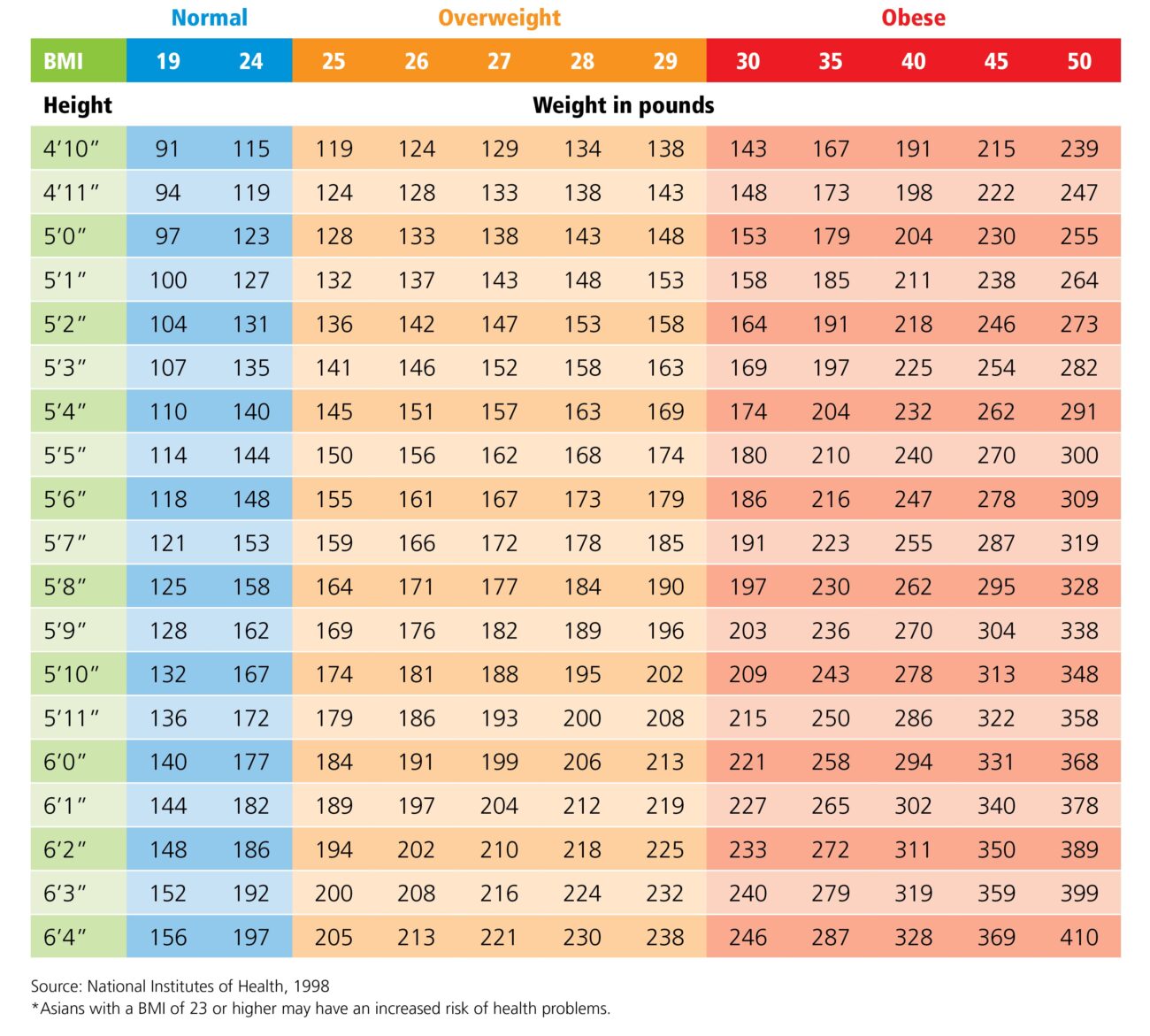
Keeping track of your child’s growth can be overwhelming. One helpful tool to simplify this is the Men’s Weight And Height Age Chart. This chart allows you to monitor your child’s development over time, ensuring they are growing within healthy ranges for their age. In this article, I’ll guide you through how to use this resource effectively, what to look for, and how it can fit into your routine.
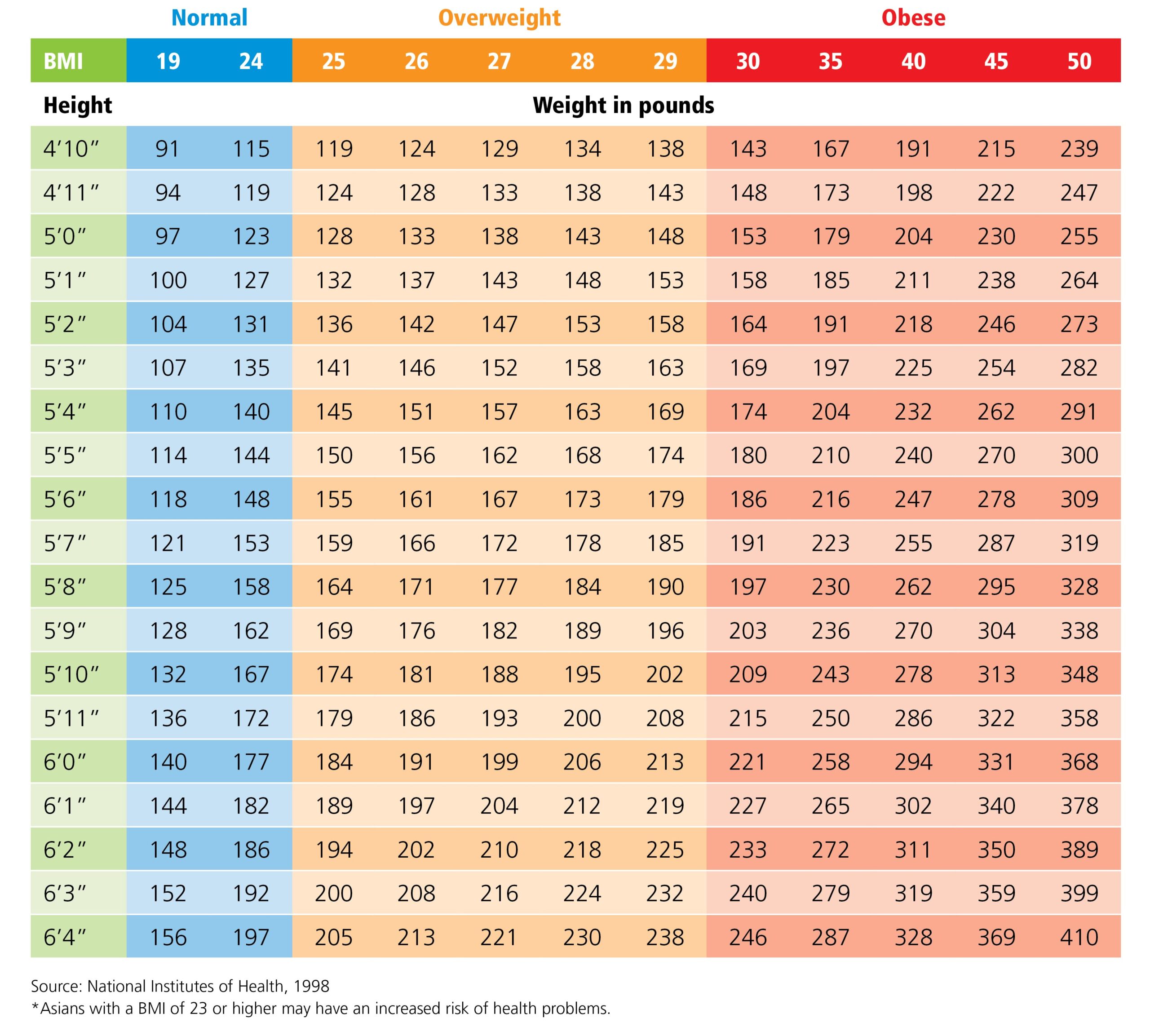
Understanding the Chart Layout
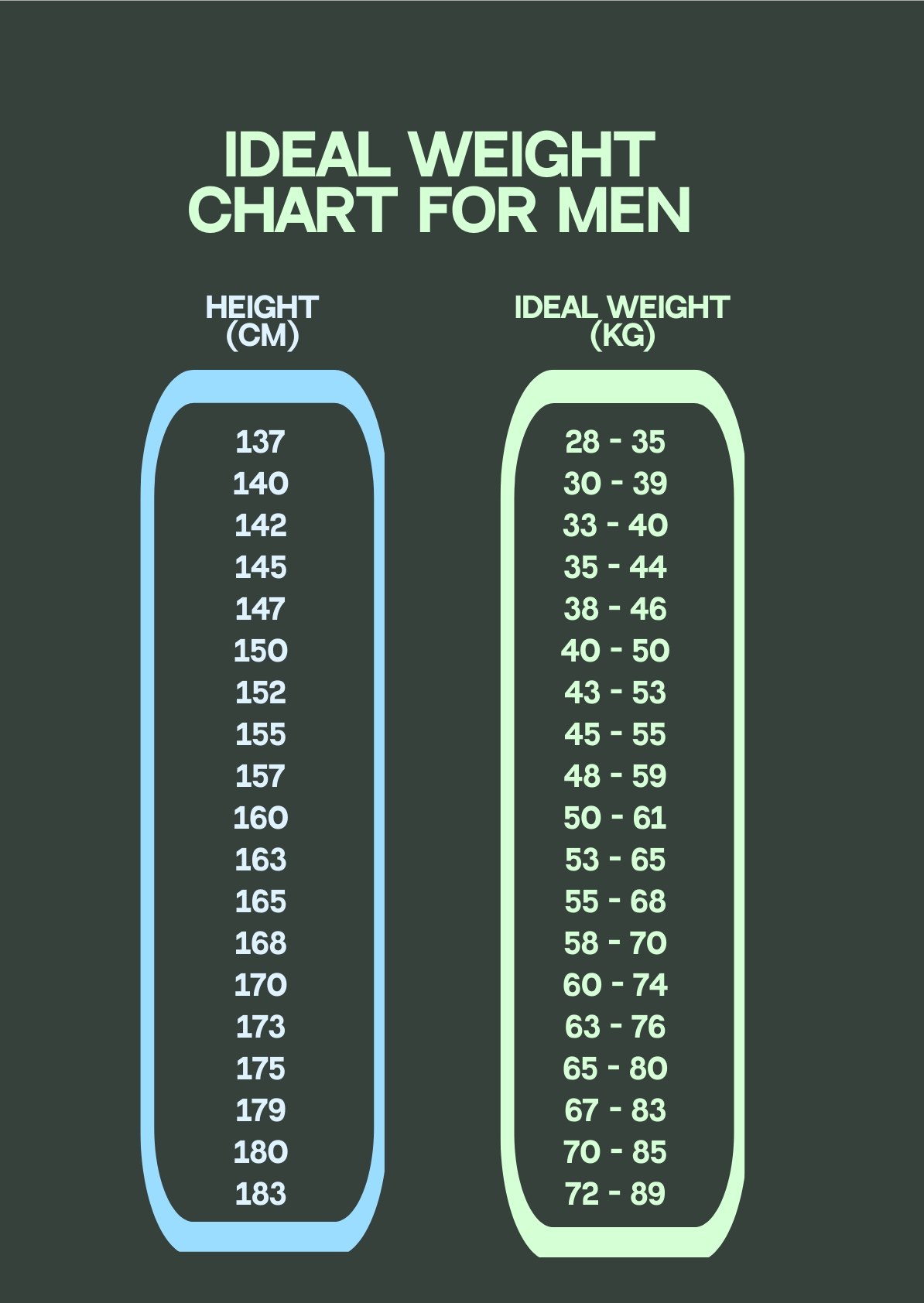
The Men’s Weight And Height Age Chart typically displays age ranges along one axis, with corresponding weight and height measurements along the other. This format helps you quickly determine whether your child is within the average range for their age.
Here’s how to read it:
- Age Ranges: Usually listed in years, from infancy to late adolescence.
- Height Measurements: Generally measured in inches or centimeters.
- Weight Measurements: Usually provided in pounds or kilograms.
When you plot your child’s height and weight on this chart, you can easily see how they compare to the average values for their age group. This is essential for identifying any potential growth issues early on.
When to Use the Chart
You might wonder when you should be consulting the Men’s Weight And Height Age Chart. Regular check-ins are recommended during routine pediatric visits, typically once a year. However, you can also use the chart at home during growth spurts or if you notice changes in your child’s eating habits that might affect their growth.
- Routine Check-ups: Keep the chart handy for annual physicals.
- Growth Spurts: Monitor changes during puberty when growth rates can vary significantly.
- Health Concerns: If you’re concerned about your child’s growth, use the chart to discuss with your pediatrician.
Filling in the Chart
To use the chart effectively, you’ll need accurate measurements of your child’s height and weight. Here’s a step-by-step guide to get you started:
- Measure Height: Stand your child against a wall without shoes. Use a flat object like a book to mark the top of their head. Measure from the floor to the mark with a tape measure.
- Measure Weight: Use a digital scale for accuracy. Make sure your child is standing still and not wearing heavy clothing.
- Locate Age: Find your child’s age on the chart.
- Plot Measurements: Mark their height and weight on the chart.
- Analyze: See where their measurements fall. Ideally, their data should fall within the 5th to 95th percentile range.
This process encourages you to engage with your child’s health actively, making it easier to identify any areas that may need attention.
Presentation and Printing Tips
When you’re ready to print the Men’s Weight And Height Age Chart, consider these tips for optimal results:
- Paper Type: Use high-quality paper like cardstock if you plan to laminate it. This will ensure durability, especially if you’re using it frequently.
- Size: Standard letter size (8.5” x 11”) is usually sufficient, but larger formats can be helpful if you want to display it prominently.
- Printer Settings: Set your printer to “best quality” to ensure clear, readable text and graphics.
Having a physical copy on hand can make it easier to reference during doctor visits or discussions with family about health.
Adapting the Chart for Different Needs
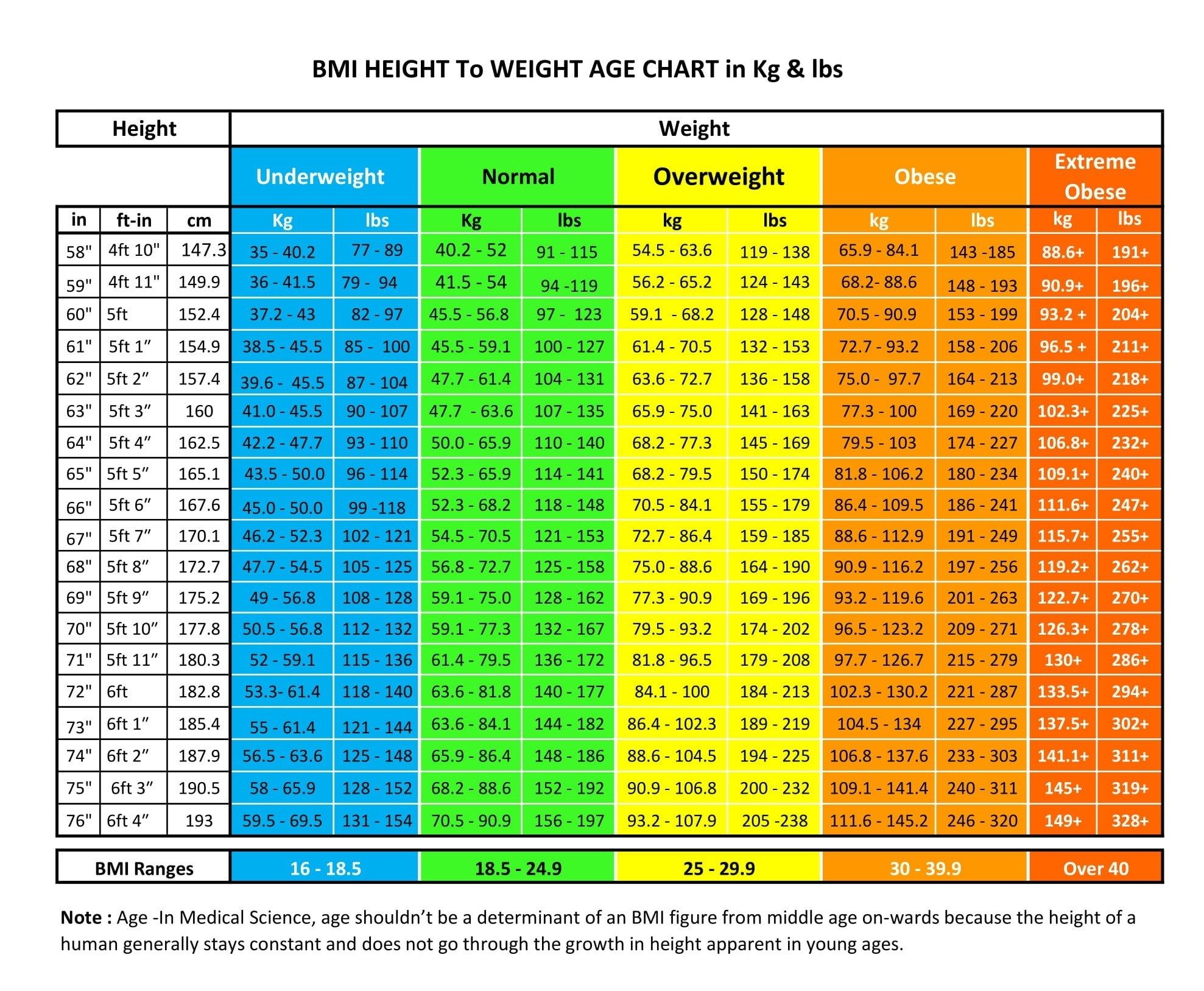
The Men’s Weight And Height Age Chart can be adapted for various situations. For example, if you’re a teacher or coach, you might find it useful to track the growth of multiple children in a classroom or sports team setting.
- Group Use: Create a poster-sized version to display in your classroom.
- Individual Tracking: Keep a personal copy for each child to monitor their progress over time.
- Event Preparation: Use the chart when planning athletic events or physical activities to ensure all participants are within healthy growth ranges.
The versatility of this chart makes it a practical tool for parents and educators alike.
By incorporating the Men’s Weight And Height Age Chart into your routine, you can feel more confident about your child’s growth and health. It’s a straightforward way to keep track of important health metrics and ensure your child is growing at a healthy rate. Whether you’re using it during regular check-ups or monitoring changes at home, this chart is an invaluable resource for any parent.
