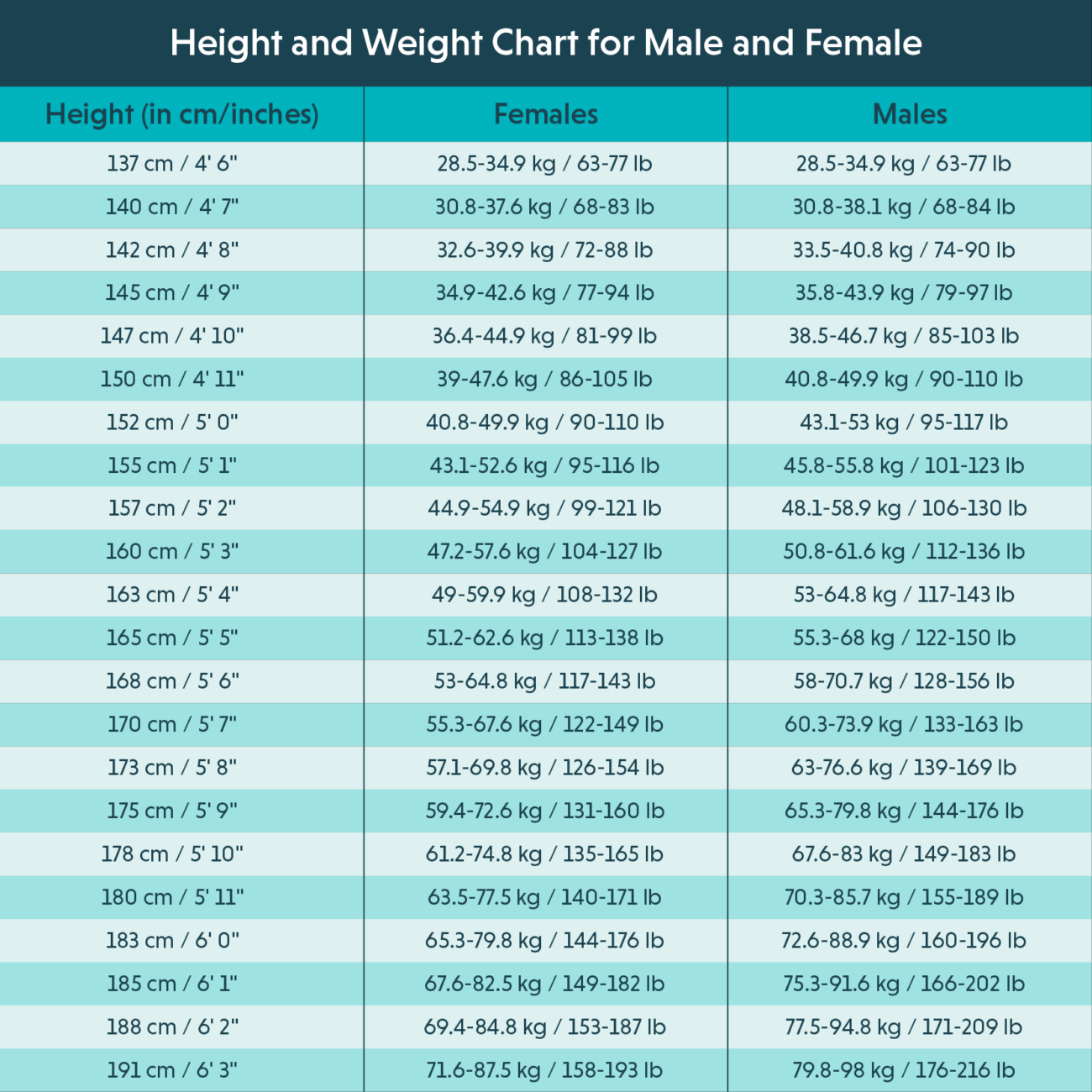
To keep track of your family’s health and growth, using a Male And Female Height And Weight Chart can be incredibly helpful. These charts provide a clear layout to monitor height and weight, making it easier to identify trends and ensure that everyone is on track. If you are a parent concerned about your child’s growth or someone looking to maintain your own healthy weight, this resource is an essential tool.
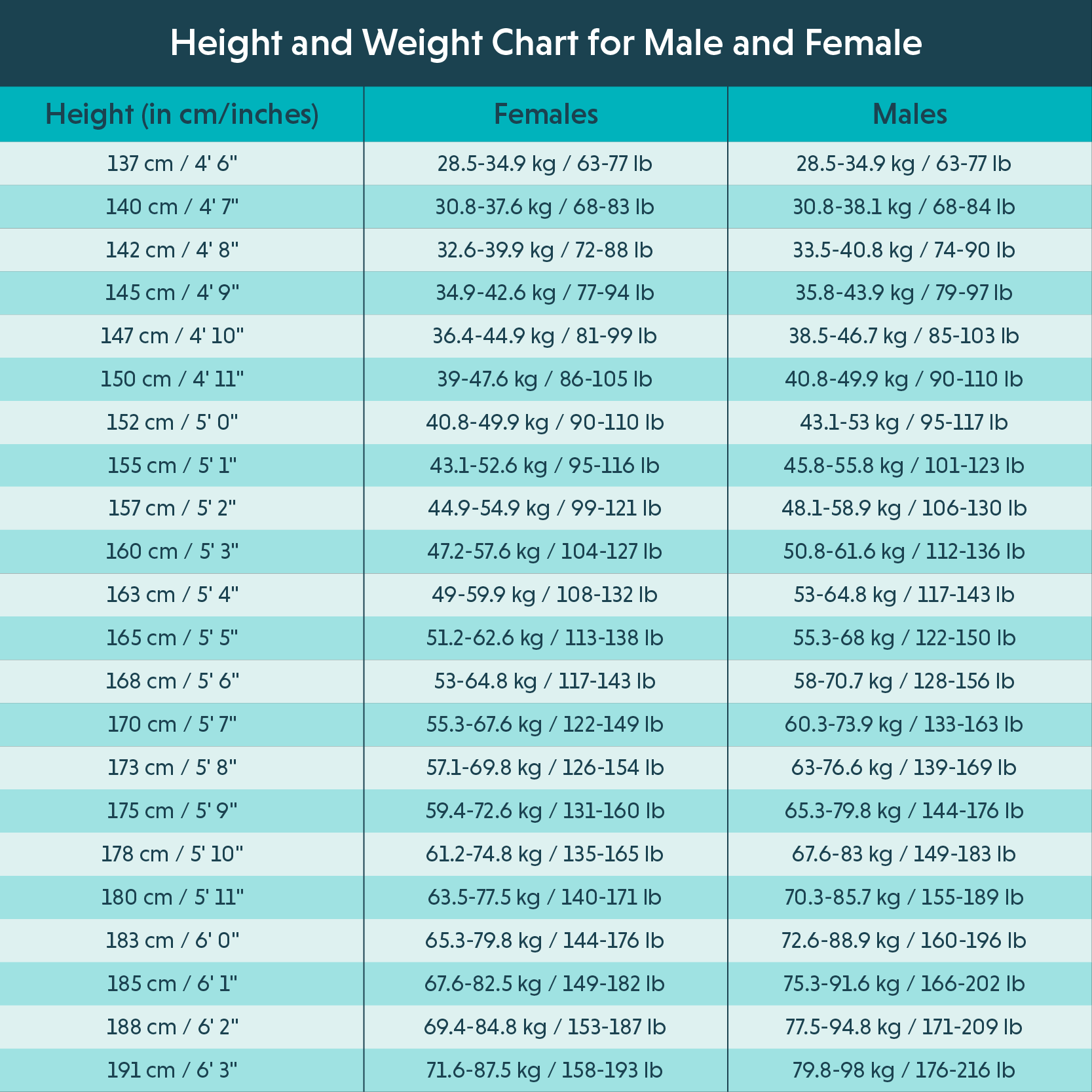
Understanding the Chart’s Layout
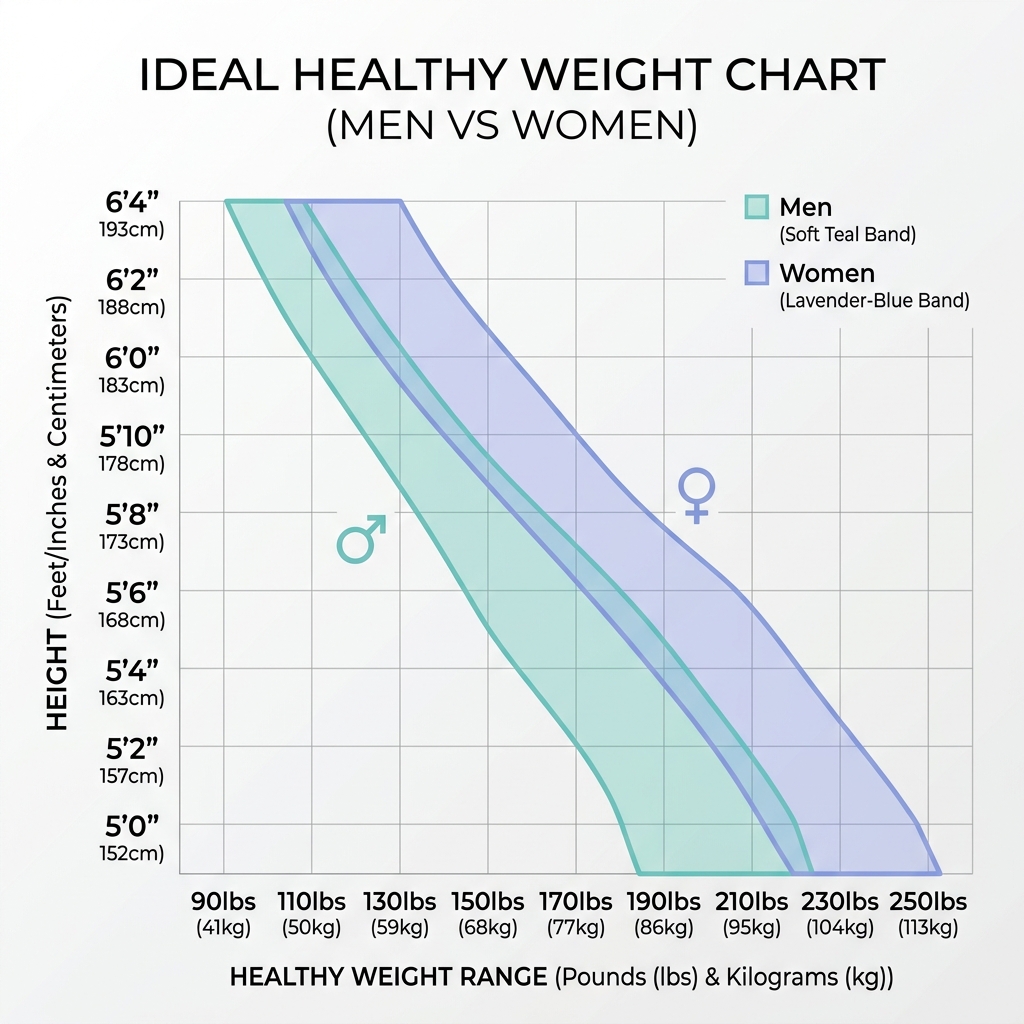
A Male And Female Height And Weight Chart typically includes columns for age, height, and weight. Some versions may even break it down by gender, providing separate values for males and females. This distinction is crucial since growth patterns can differ significantly between genders, especially during puberty.
Here’s how to read the chart:
- Age: This is usually listed in years, allowing you to quickly find the corresponding height and weight for that specific age group.
- Height: Typically measured in inches or centimeters, this column shows the average height for both males and females at various ages.
- Weight: This column usually shows the corresponding weight range for the average height, often displayed in pounds or kilograms.
Before using the chart, gather the following information about the individual you are tracking: their age, current height, and weight. This preparation will help you to accurately fill in the chart and assess their growth.
How to Use the Chart Effectively
Using a Male And Female Height And Weight Chart can seem straightforward, but there are a few practical tips to keep in mind:
- Regular Updates: Measure height and weight regularly, ideally once every few months, to keep track of growth patterns. This is especially important during childhood and adolescence.
- Check Percentiles: Many charts show percentiles that indicate where a child’s height and weight fall in comparison to their peers. Understanding these percentiles can help you identify if your child is growing at a healthy rate.
- Consult Professionals: If there are significant deviations from the norm (either above or below the average), it may be a good idea to consult a pediatrician or healthcare provider for advice.
- Use as a Motivational Tool: For adults, this chart can serve as a motivational tool for weight management or fitness goals. Tracking progress can help maintain focus and commitment to a healthy lifestyle.
Practical Considerations for Downloading and Printing
When you’re ready to download and print your Male And Female Height And Weight Chart, consider the following:
- Format: Look for a PDF version to avoid formatting issues that can occur with image files. PDFs maintain their layout across different devices and printers.
- Paper Size: Standard letter size (8.5 x 11 inches) works well for most home printers. If you have access to larger paper, such as A3, that can give you more space to write and track additional information.
- Print Quality: Use a color printer if possible, as it can make the chart more visually appealing and easier to read. However, black and white prints are perfectly acceptable too.
Make sure to print on good-quality paper, especially if you plan to hang the chart somewhere visible, like a fridge or a child’s room.
Where to Use the Chart
The Male And Female Height And Weight Chart can fit into various routines and settings:
- Home: Hang it in your child’s room to track their growth over the years. It can become a fun activity to measure and mark progress together.
- School: Teachers can use these charts in health classes to educate students about growth patterns and the importance of maintaining a healthy lifestyle.
- Clinics: Health professionals can integrate these charts into routine check-ups to help parents understand their child’s growth trajectory.
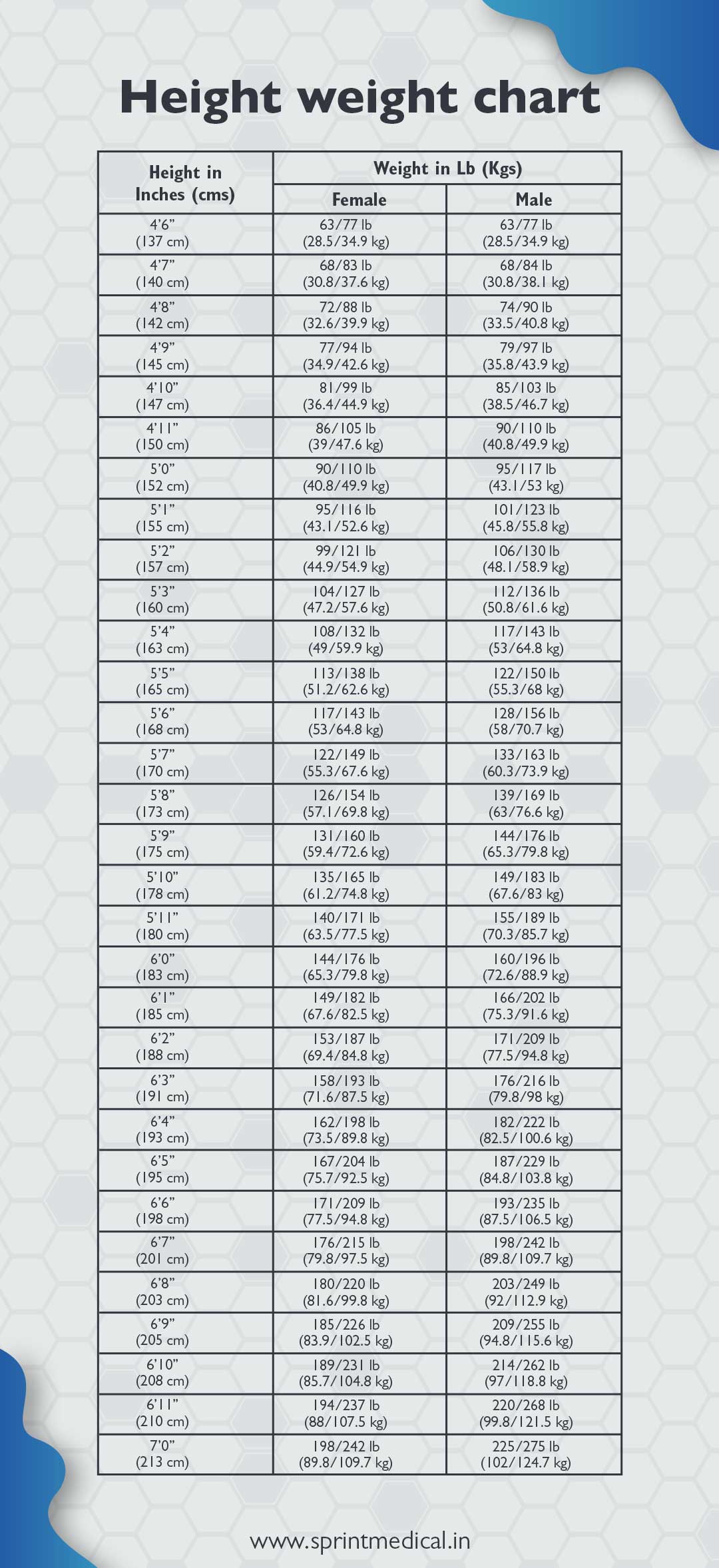
Tips for Filling Out the Chart
When you sit down to fill out the Male And Female Height And Weight Chart, here are a few tips to keep in mind:
- Accuracy is Key: Ensure that height is measured without shoes and weight is taken at the same time each day for consistency.
- Use a Growth Tracking App: If you’re tech-savvy, consider using a growth tracking app that allows you to input data digitally. Many apps can generate charts and graphs for more visual tracking.
- Involve Your Kids: If you’re tracking your child’s growth, involve them in the process. Make it a fun activity where they can see how they compare to their peers, which can encourage a healthy attitude towards growth and fitness.
This chart not only serves as a practical tool for tracking growth but also as a way to engage with your family’s health in a meaningful manner. By following these guidelines, you can make the most of your Male And Female Height And Weight Chart and ensure that it serves its purpose effectively. As a last tip, remember to keep it in a place where it’s easily accessible and visible, so you can update it regularly and celebrate the milestones together!
