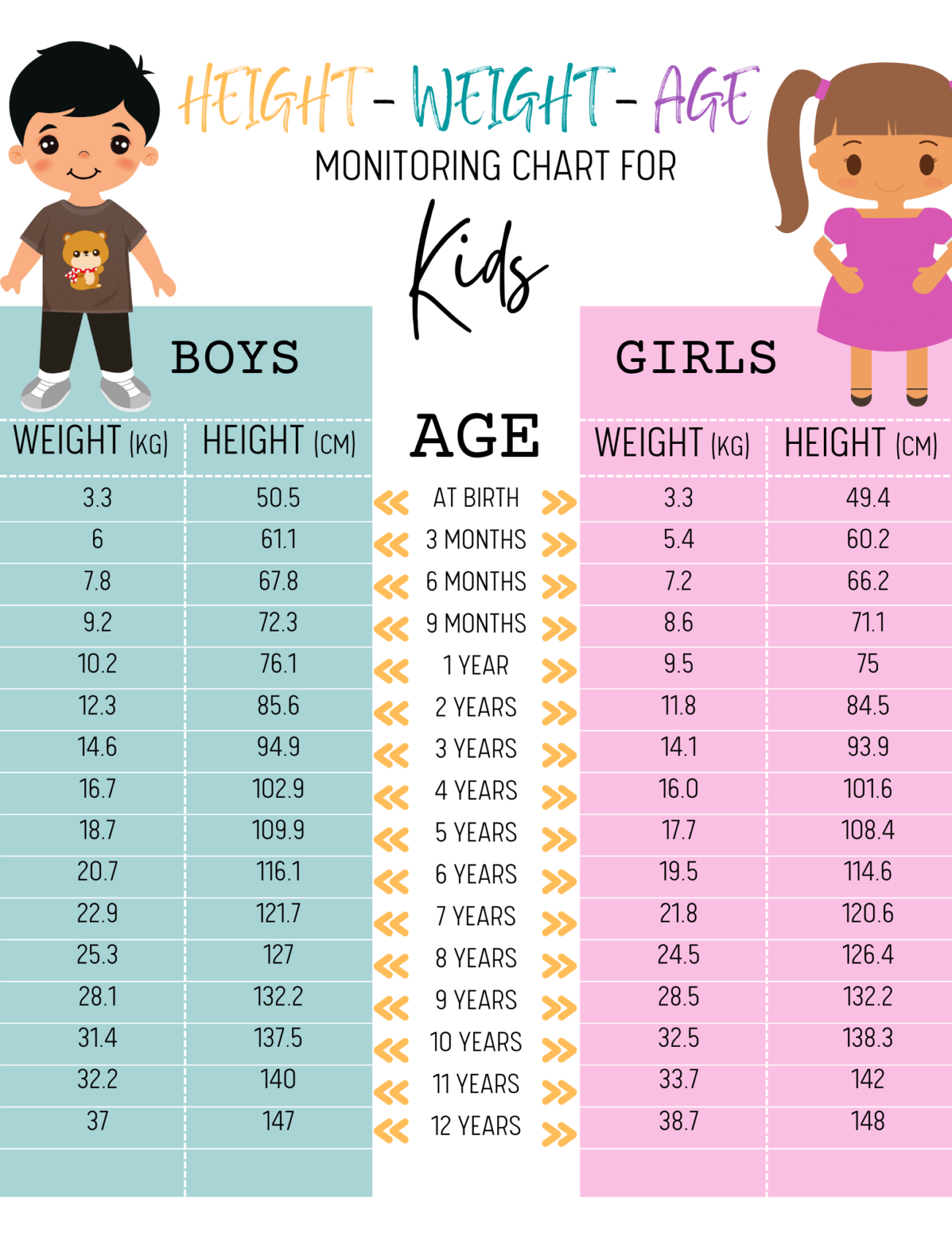
Tracking your child’s growth is essential for their health and development. A Kids Height And Weight Chart is an invaluable tool that helps you monitor their progress over time. By using this chart, you can ensure that your child is growing at a healthy rate and identify any potential concerns early on. In this article, I’ll guide you through the steps of using this chart effectively, from downloading the resource to incorporating it into your regular routine.
Understanding the Kids Height And Weight Chart
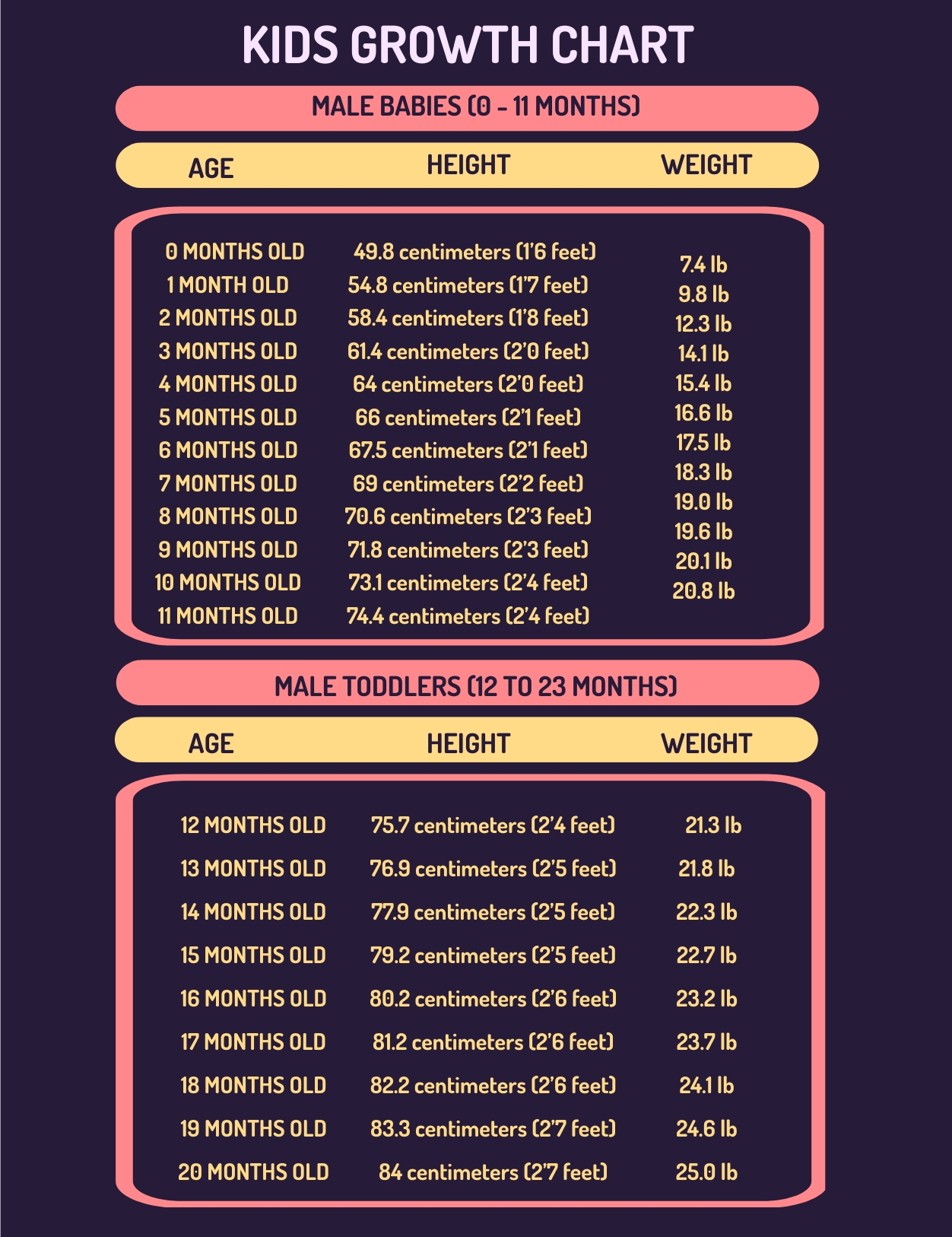
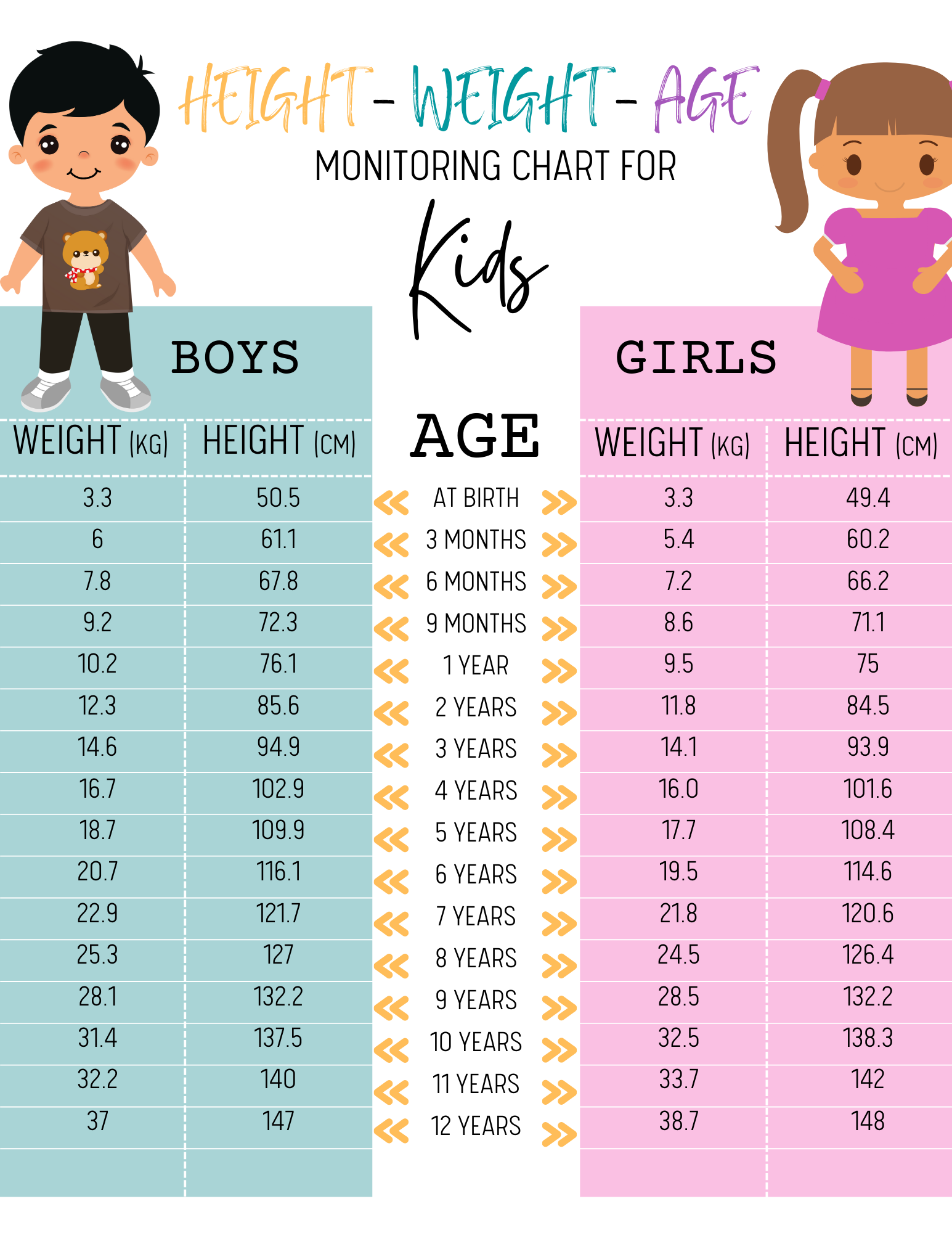
Before you look at using the chart, it’s important to understand what it is and how it works. A Kids Height And Weight Chart is typically a printable resource that displays standard height and weight ranges for children at various ages. This chart allows you to plot your child’s measurements against these standards, making it easier to see where they stand.
When you look at the chart, you’ll notice that it is divided into age categories, usually from birth to 18 years. Each age group has corresponding height and weight ranges, often presented in percentile form. This means that if your child’s measurements fall in the 50th percentile, they are taller or heavier than 50% of their peers.
Downloading and Printing the Chart
Now that you understand the chart’s purpose, the next step is to download it. Many websites offer free printable versions of the Kids Height And Weight Chart. When choosing one, look for a PDF format; this ensures that the layout remains intact when printed.
Once you’ve found a suitable chart, follow these steps:
- Click the download link.
- Open the PDF file on your computer.
- Check the dimensions to ensure it fits standard paper sizes (like A4 or Letter).
- Print the chart using a high-quality printer for best results.
You may want to use cardstock for durability, especially if you plan to keep it for several years.
Filling Out the Chart
After printing the chart, it’s time to fill it out. Gather your child’s recent height and weight measurements. If you’re unsure how to measure your child correctly, here’s a quick guide:
- Height: Have your child stand straight against a wall without shoes. Use a flat object, like a book, to make a mark at the top of their head. Measure from the floor to the mark using a tape measure.
- Weight: Use a reliable scale. Ensure your child is standing still, and ideally, weigh them at the same time each day for consistency.
Once you have the measurements, locate the appropriate age category on the chart. Plot your child’s height and weight on the graph. This visual representation will help you track their growth over time.
Interpreting the Results
Interpreting the chart is crucial for understanding your child’s growth patterns. After plotting their measurements, take note of where they fall on the chart. If your child consistently hovers around the same percentile, it’s a good sign they are growing steadily. However, significant fluctuations can be a cause for concern.
For instance, if their weight percentile drops while their height remains stable, it might be worth discussing with a pediatrician. Likewise, if they are gaining weight but not growing in height, this could also warrant further investigation.
Incorporating the Chart Into Your Routine
To make the most of your Kids Height And Weight Chart, incorporate it into your routine. Here are a few practical tips:
- Regular Updates: Measure your child every few months, or at least twice a year. This allows you to keep an accurate record and spot trends.
- Share with Healthcare Providers: Bring the chart to pediatric appointments. It can provide valuable context for your child’s growth and health.
- Use as a Discussion Point: If you notice any concerning trends, don’t hesitate to discuss them with family or healthcare providers. Early intervention can be key to addressing growth-related issues.
Common Pitfalls to Avoid
While using a Kids Height And Weight Chart is straightforward, there are a few common mistakes to watch out for:
- Infrequent Measurements: Skipping updates can lead to missed opportunities for addressing potential issues.
- Ignoring Percentiles: Remember that percentiles are relative. A child in the 70th percentile is not necessarily better off than one in the 30th; it’s all about individual growth patterns.
- Overemphasis on Numbers: Growth patterns vary widely. As long as your child is healthy and active, slight deviations from the standard can be normal.
Immediate Action to Take
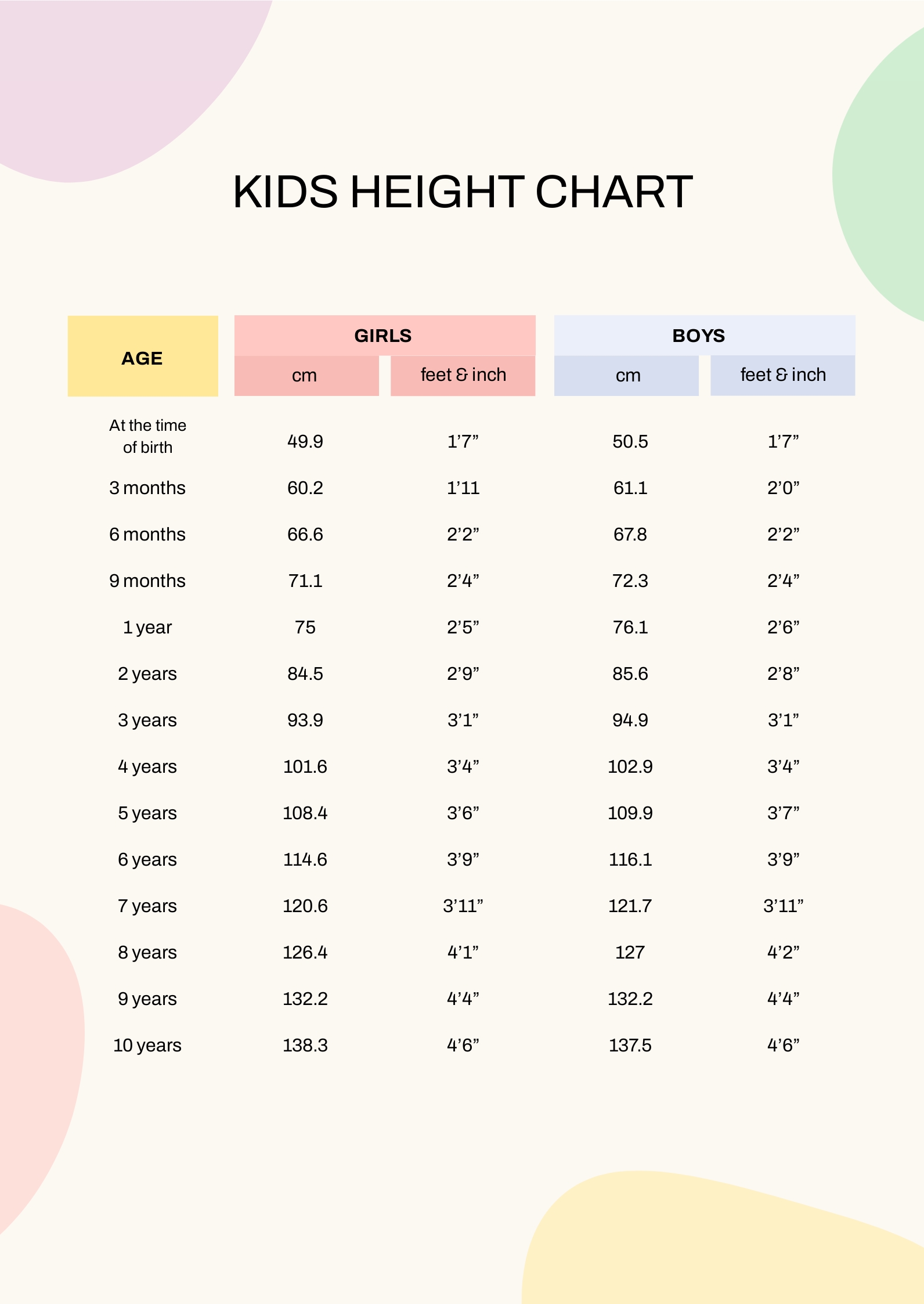
Start using your Kids Height And Weight Chart today. Download it, print it out, and take your child’s measurements. Make this a fun activity; involve your child by letting them see how much they’ve grown. This not only keeps them engaged but also helps them understand the importance of maintaining a healthy lifestyle as they grow.
