Understanding your baby’s growth is crucial, and the Infant Weight Chart By Age is a valuable tool for parents and caregivers. This chart helps you track your infant’s weight as they grow, ensuring they are on the right path to healthy development. By regularly comparing your baby’s weight to the chart, you can identify any potential issues early and consult a pediatrician if necessary.
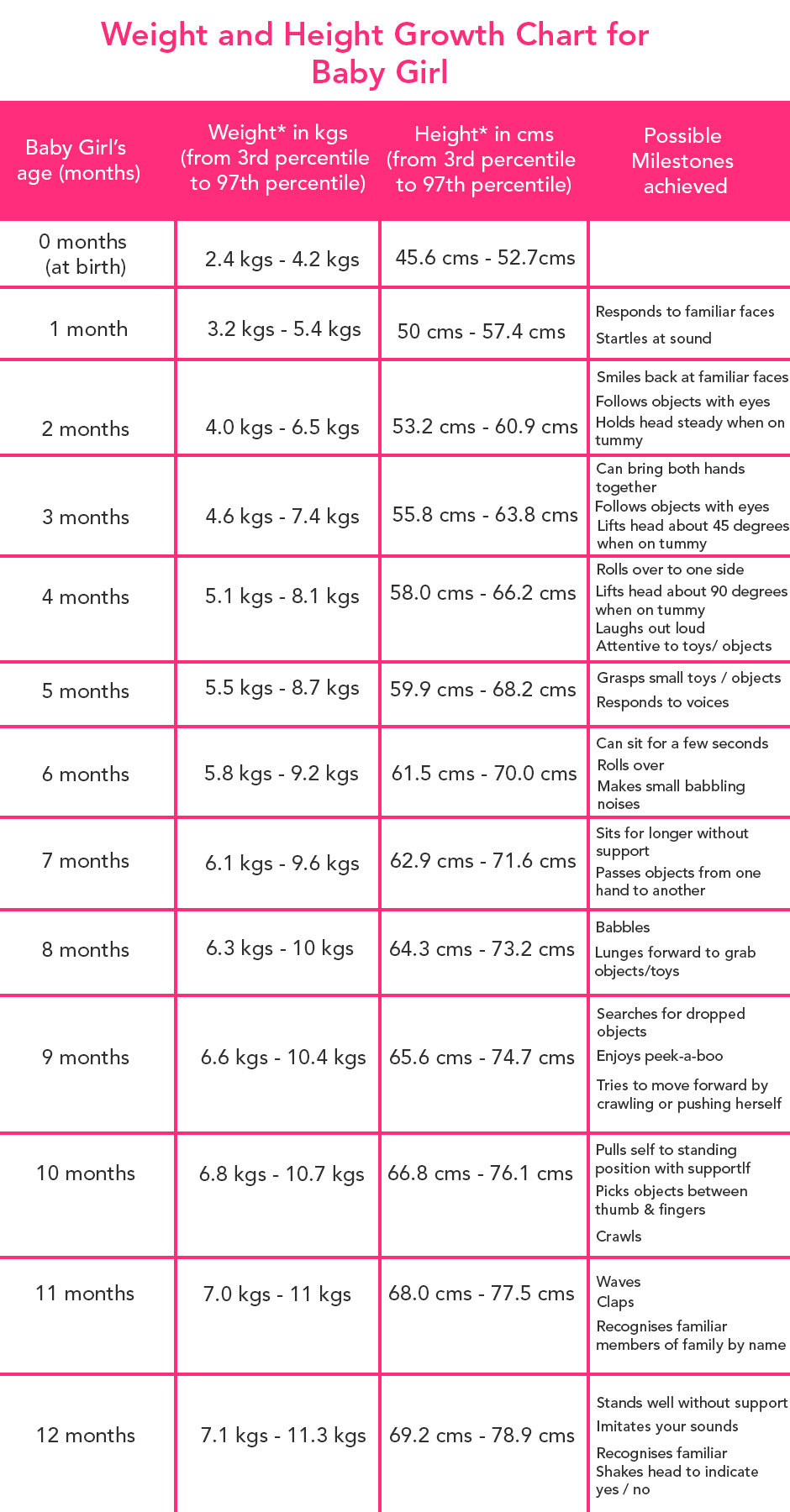
What is an Infant Weight Chart?
An Infant Weight Chart is a visual representation of the average weight for infants at different ages. Typically, it includes percentiles that indicate where your child’s weight falls compared to other infants of the same age and sex. The chart can help you assess whether your baby is gaining weight appropriately.
Key Features of the Chart
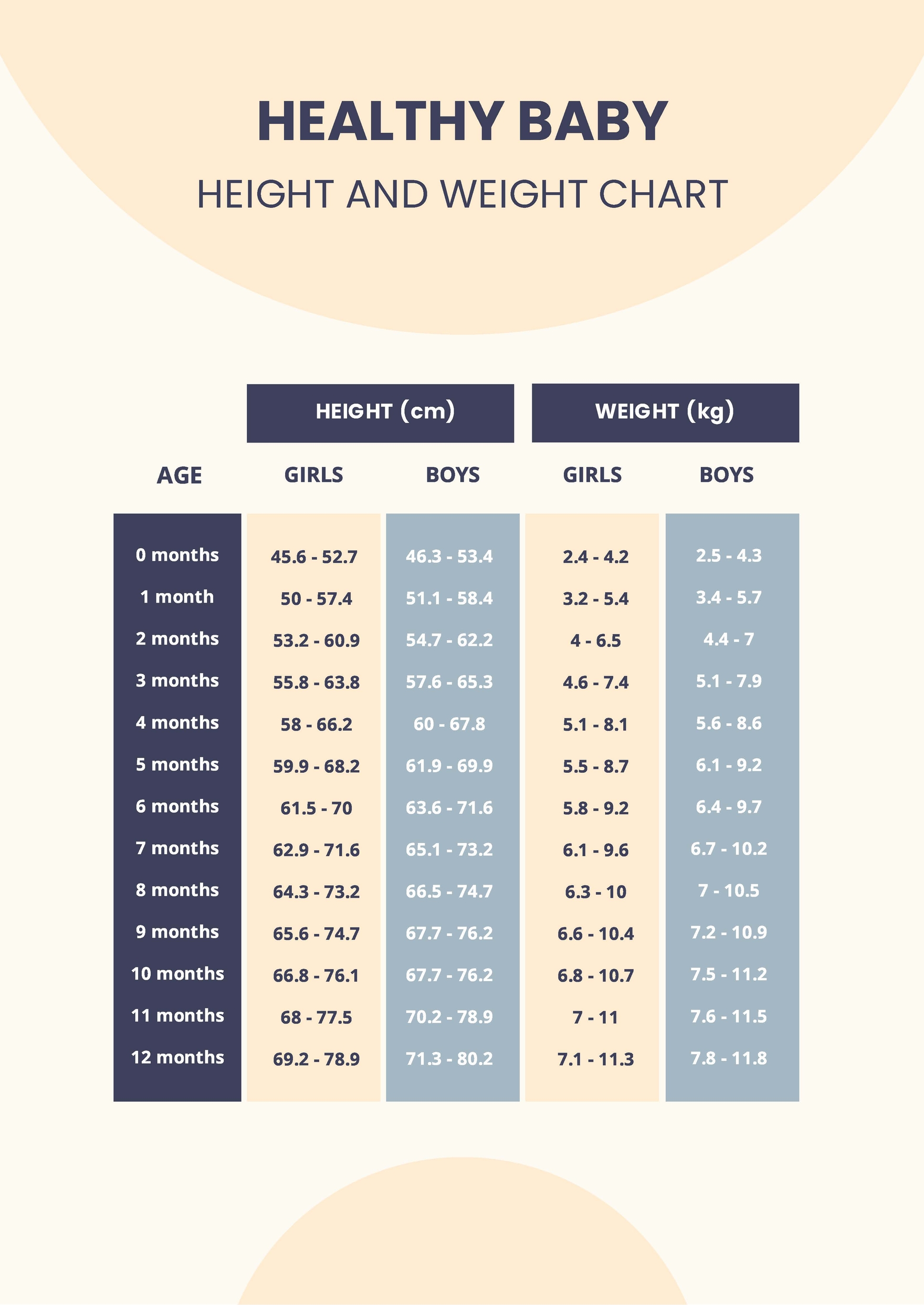
- Age Ranges: The chart is usually divided into months, from birth up to 24 months.
- Percentiles: You’ll see lines representing the 3rd, 15th, 50th, 85th, and 97th percentiles, helping you understand how your child’s weight compares to peers.
- Gender Differences: Separate charts for boys and girls account for natural differences in growth patterns.
How to Use the Infant Weight Chart
Using the Infant Weight Chart effectively requires some basic steps. Here’s how you can navigate it:
- Gather Information: Before you start, make sure you have accurate weight measurements for your infant. Weigh your baby on a reliable scale, ideally while they are in a diaper only for the most accurate reading.
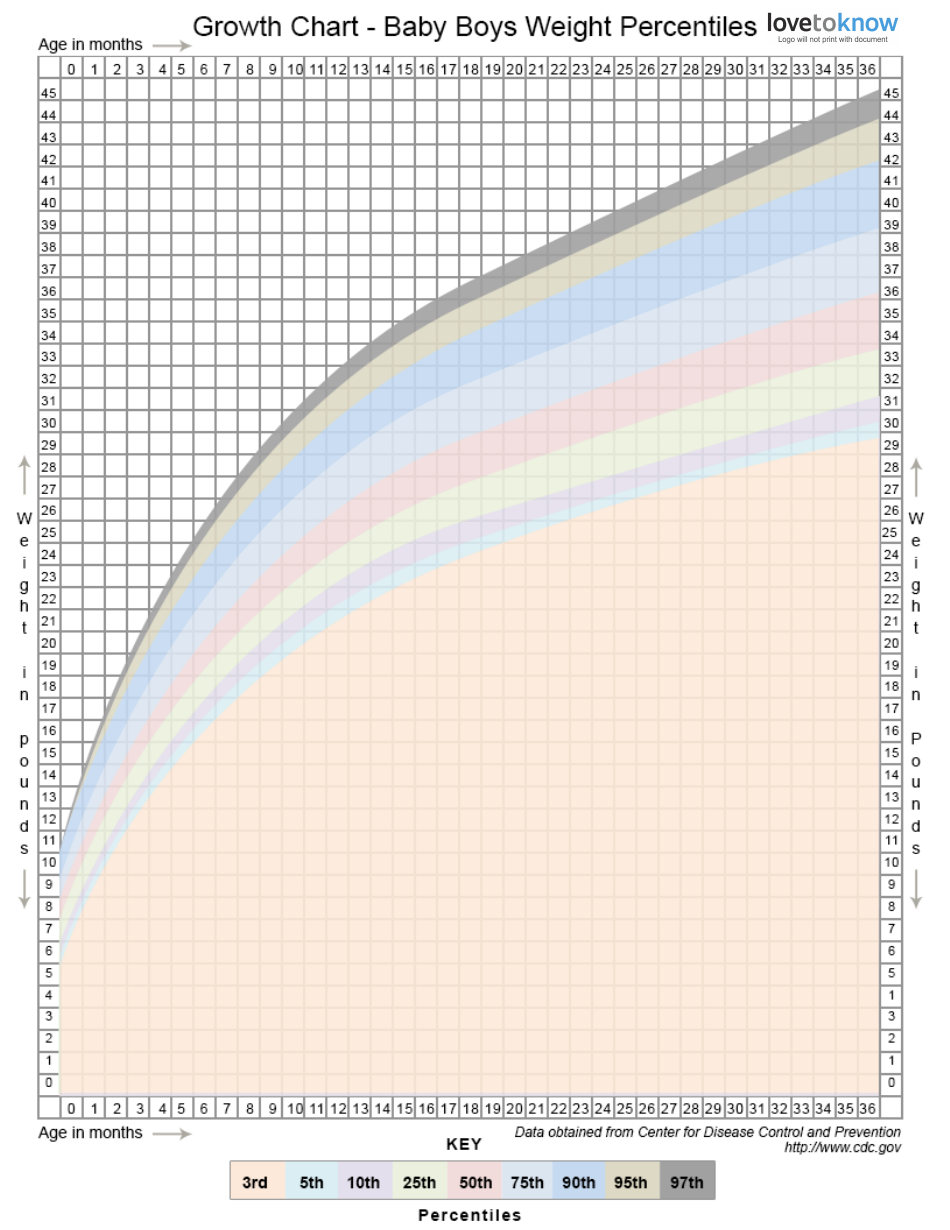
- Locate the Age: Find your infant’s age on the horizontal axis of the chart.
- Plot the Weight: Move up to the corresponding weight on the vertical axis.
- Determine the Percentile: See which curve your baby’s weight falls on. This tells you how their weight compares to other infants. For example, if your baby is in the 50th percentile, they weigh more than 50% of infants their age.
What to Prepare Before Filling Out the Chart
- Accurate Weighing Method: Use the same scale each time for consistency.
- Regular Check-Ups: Schedule periodic weigh-ins during pediatric visits for optimal tracking.
- Note Growth Trends: Record any notable changes or patterns over time, as this might be helpful for discussions with your pediatrician.
Growth Patterns and What They Mean
Understanding the implications of where your baby falls on the Infant Weight Chart By Age can help you interpret their growth patterns better:
- Below 3rd Percentile: If your baby consistently falls below the 3rd percentile, it could indicate underweight issues, and you should consult your pediatrician.
- Between 3rd and 85th Percentile: This range is generally considered healthy. Your child is likely growing at a normal rate.
- Above 85th Percentile: Being above the 85th percentile may suggest that your baby is overweight, which could lead to health concerns down the road. Discuss this with your doctor for personalized advice.
Tracking Your Baby’s Growth Over Time
To get the most out of the Infant Weight Chart By Age, it’s essential to maintain a consistent tracking routine. Here are some tips to integrate this into your schedule:
- Monthly Weigh-Ins: Weigh your baby monthly, especially during the first year when growth is rapid.
- Maintain a Growth Journal: Keep a simple journal or digital record of your baby’s weight and percentiles. This could help you see trends more clearly over time.
- Incorporate Other Growth Metrics: Along with weight, consider tracking height and head circumference. This gives a fuller picture of your infant’s growth and development.
By consistently using the Infant Weight Chart By Age, you can better ensure that your child is developing healthily. If you notice any unusual patterns or have concerns, always reach out to your pediatrician for guidance. They can provide personalized advice tailored to your baby’s unique growth journey.
