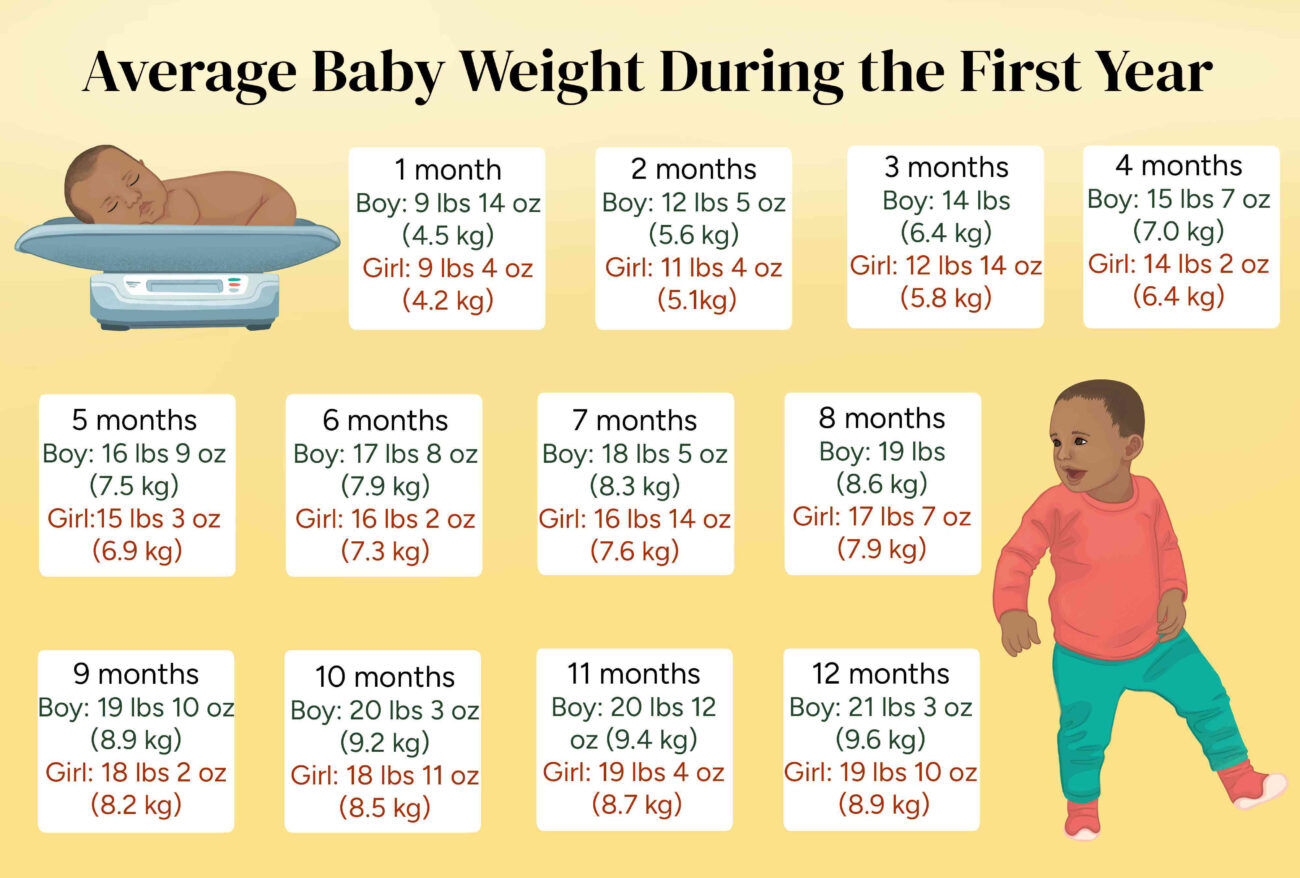
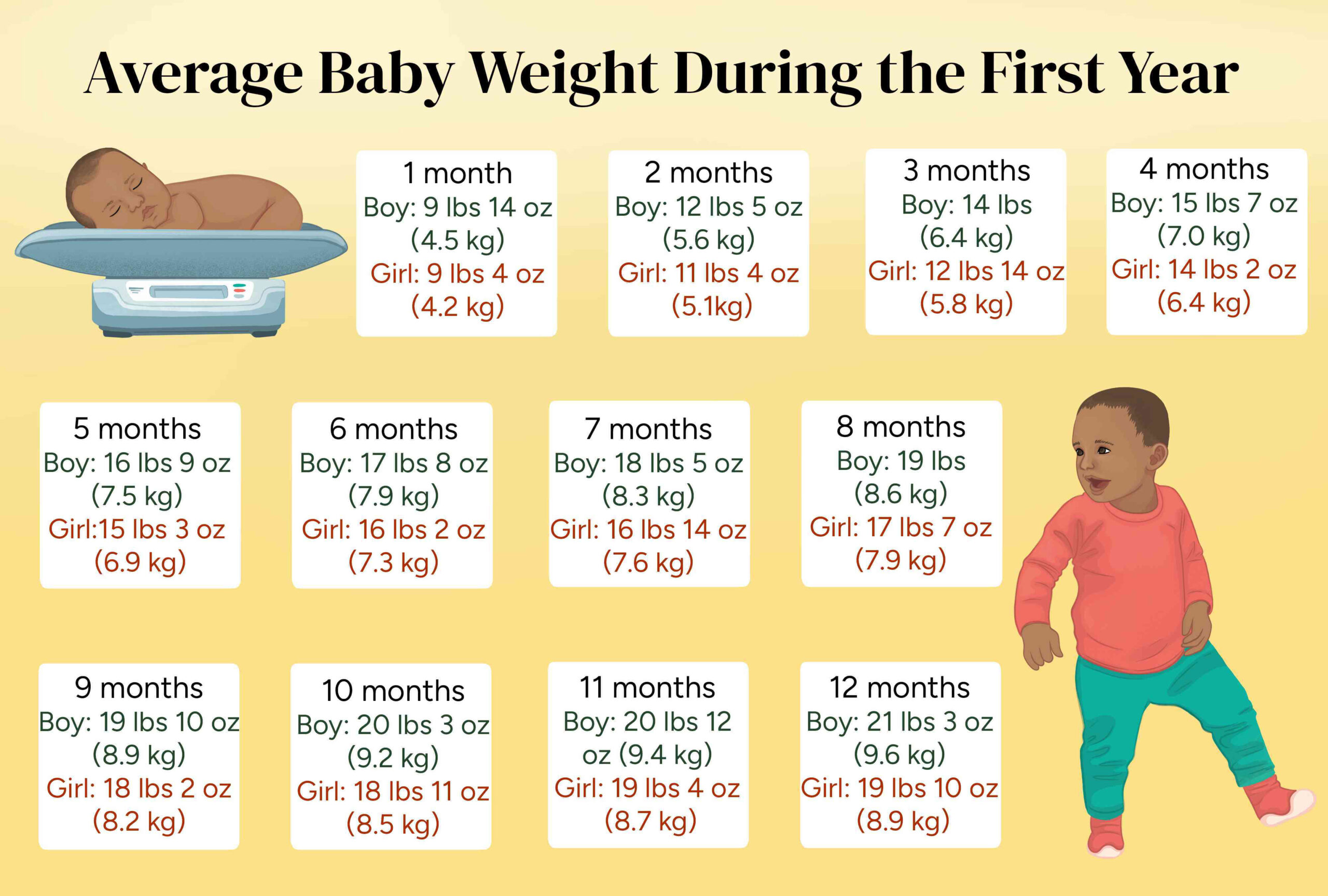
Understanding how your baby is growing can be one of the most reassuring aspects of parenting. The Infant Age And Weight Chart serves as a practical tool for parents to monitor their child’s growth trajectory. This chart not only helps you visualize your baby’s weight and age but also offers insights into how they compare to standardized growth patterns.
Importance of Tracking Infant Growth
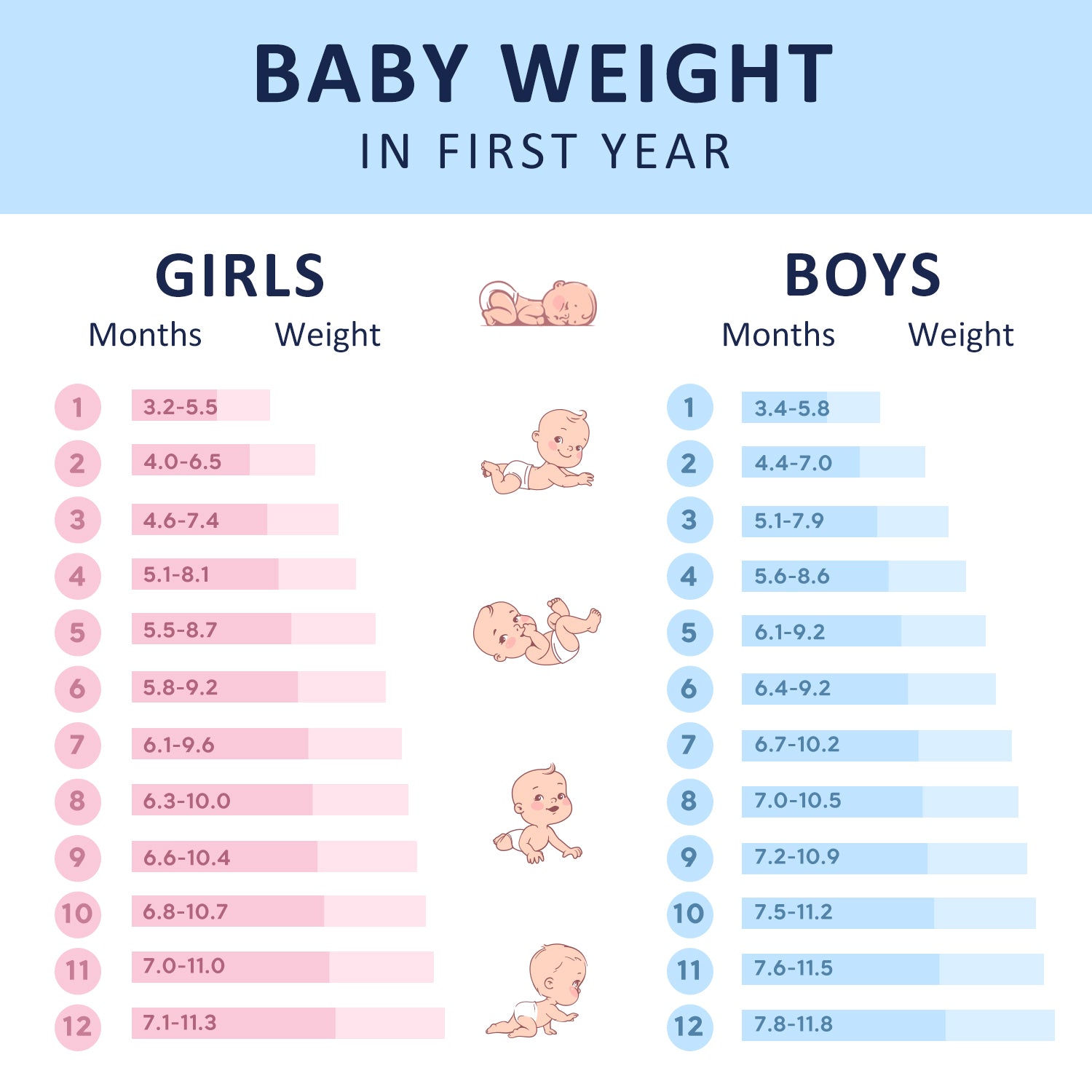
Keeping track of your infant’s growth is essential for several reasons. First, it allows you to ensure that your baby is developing at a healthy rate. Pediatricians often use growth charts during check-ups to assess whether a child is growing appropriately for their age. If you notice your baby is consistently below or above the average range, it might be time to consult a healthcare professional.
Moreover, tracking your infant’s growth can help you identify patterns that may need attention. For instance, if your baby is gaining weight too slowly or experiencing rapid weight gain, these can be indicative of underlying health issues. You can easily visualize these trends with the Infant Age And Weight Chart.
Layout of the Infant Age And Weight Chart
The layout of an effective Infant Age And Weight Chart is designed to be user-friendly. Typically, the chart consists of columns that represent age in months and corresponding weight ranges.
- Age Column: This usually runs vertically along the left side of the chart, displaying each month from birth to 24 months or even beyond.
- Weight Ranges: The weight ranges are often marked on the horizontal axis. This allows you to quickly match your baby’s age with their weight to see where they fall on the growth spectrum.
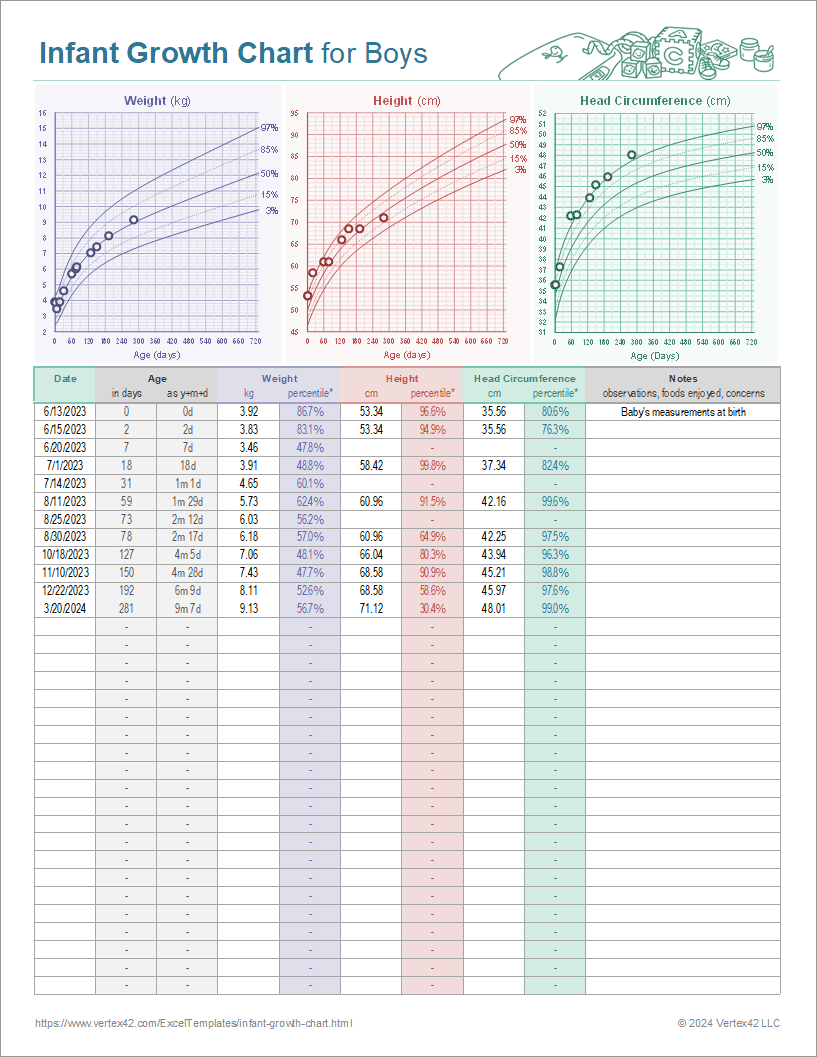
- Percentile Lines: Many charts also include percentile lines, indicating where your baby stands compared to others. For example, being in the 50th percentile means your baby is average in weight for their age, while the 75th percentile indicates they weigh more than 75% of infants their age.
This format makes it easy to read and interpret, providing you with immediate insights into your baby’s growth pattern.
How to Fill Out the Chart
Filling out the Infant Age And Weight Chart is a straightforward process. Here’s a step-by-step guide:
- Measure Your Baby’s Weight: Use a reliable scale to weigh your baby. Ensure they are in a comfortable position to get an accurate reading.
- Record the Age: Note the current age of your baby in months. For example, if your baby is 6 months old, you’ll find the row corresponding to 6 months.
- Find the Weight Range: Locate the weight your baby measured on the chart. You’ll find this on the horizontal axis.
- Mark the Chart: You can either draw a line or place a sticker where the age and weight intersect. This visual representation allows you to track changes over time.
Make it a habit to update the chart regularly, perhaps during each pediatric visit or every month at home.
Presentation Quality for Practical Use
When it comes to using the Infant Age And Weight Chart, presentation matters. Here are a few tips for the best results:
- Print Quality: Using high-quality paper can improve durability, especially if you plan to use this chart frequently. Consider using cardstock for a sturdier feel that can withstand handling.
- Size Matters: Most charts are designed in a standard letter size (8.5 x 11 inches), making them easy to store in a binder or hang on the wall where you can see them regularly.
- Lamination: If you prefer a long-lasting option, laminating the chart can protect it from spills or tears. You can use a dry-erase marker on laminated sheets for easy updates.
This attention to detail ensures that your chart is not only functional but also visually appealing, making it more likely that you’ll use it regularly.
When to Use the Infant Age And Weight Chart
The Infant Age And Weight Chart is most beneficial during your baby’s first two years. This period is crucial for growth and development, and having a reliable chart can guide your parenting decisions. It can also help you prepare for pediatric appointments, as you’ll have documented evidence of your baby’s growth trends to share with your doctor.
Regularly using the chart fosters an understanding of your baby’s development and encourages proactive parenting. You’ll feel more confident discussing your child’s growth with healthcare providers, armed with clear data.
The most useful detail to remember is that every baby is unique. While charts provide guidance, they shouldn’t be the only measure of your child’s health. Always consult with your pediatrician if you have concerns about your baby’s growth or development.
