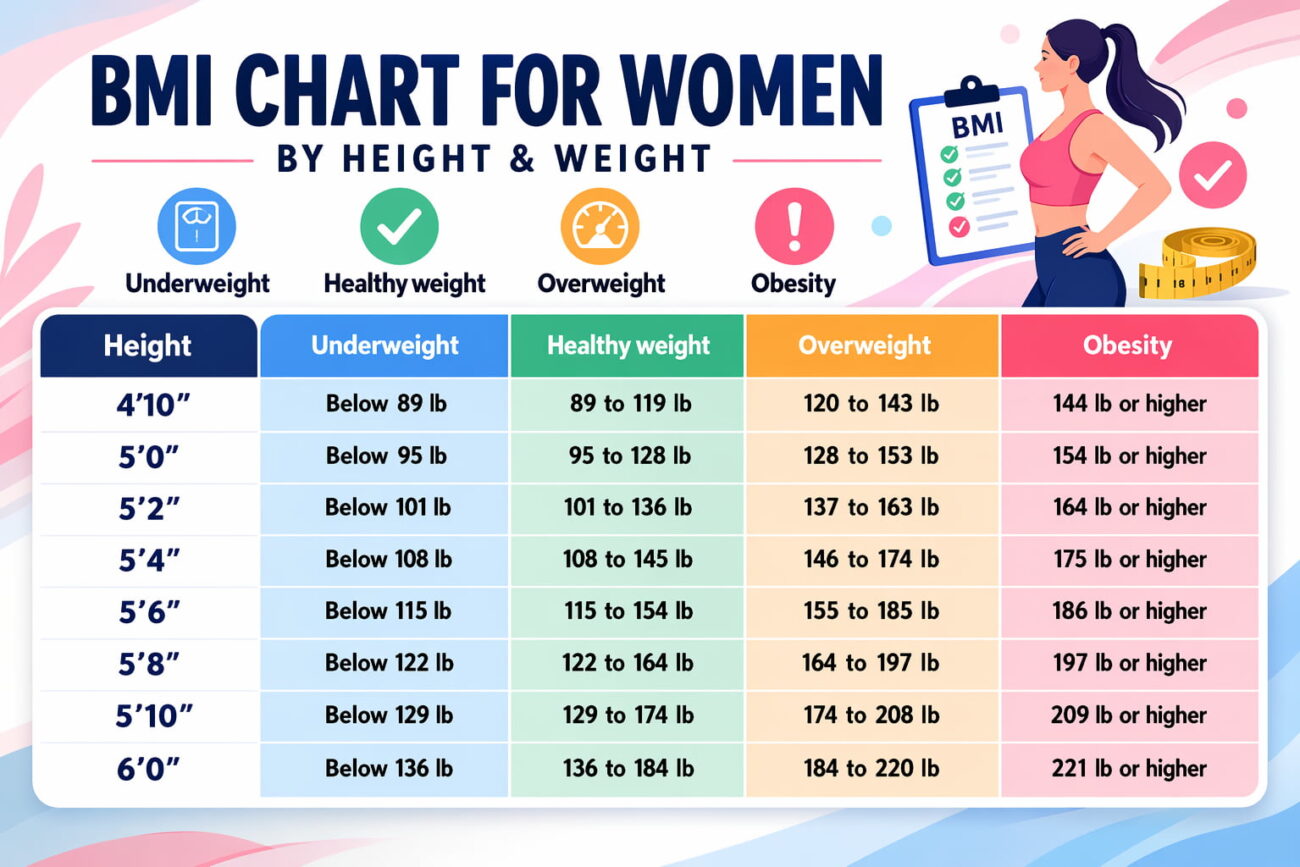
When it comes to keeping track of health and fitness, a Height Weight Chart Female Bmi can be an incredibly useful tool. This chart helps you assess whether a woman’s weight is appropriate for her height, providing a quick reference for Body Mass Index (BMI). If you are a parent looking to monitor your child’s growth or someone interested in maintaining your own health, understanding how to use this chart can make a significant difference.
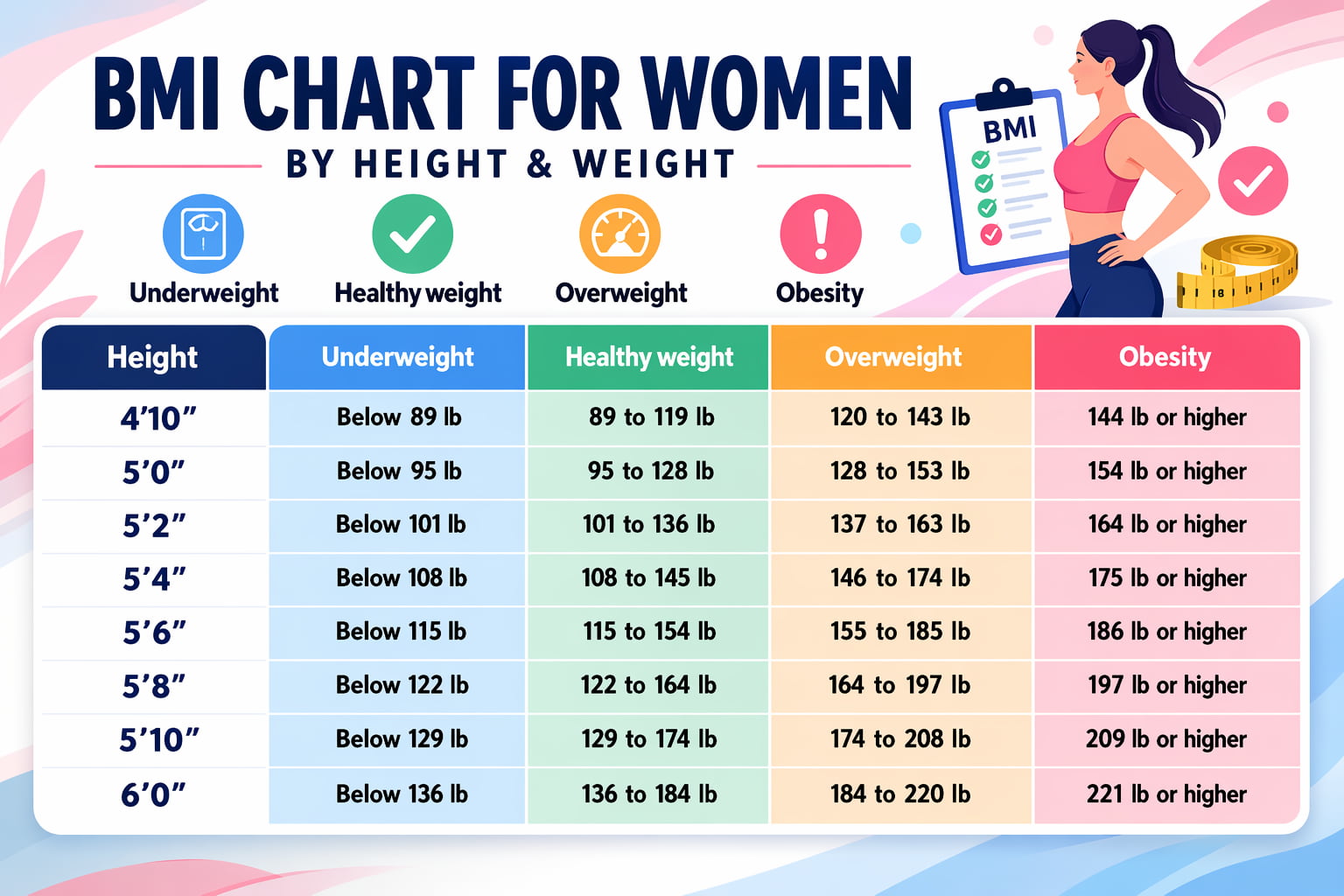
What is a Height Weight Chart Female Bmi?
A Height Weight Chart Female Bmi is a straightforward visual guide that lists various heights alongside corresponding weights that fall within a healthy BMI range. This chart is designed for females and helps in determining whether an individual is underweight, at a healthy weight, overweight, or obese based on their height and weight. The BMI calculation is a common method used by healthcare professionals to assess body fat in relation to height and weight.
How to Read the Height Weight Chart
Reading a Height Weight Chart Female Bmi is simple, but there are a few steps to ensure accuracy:
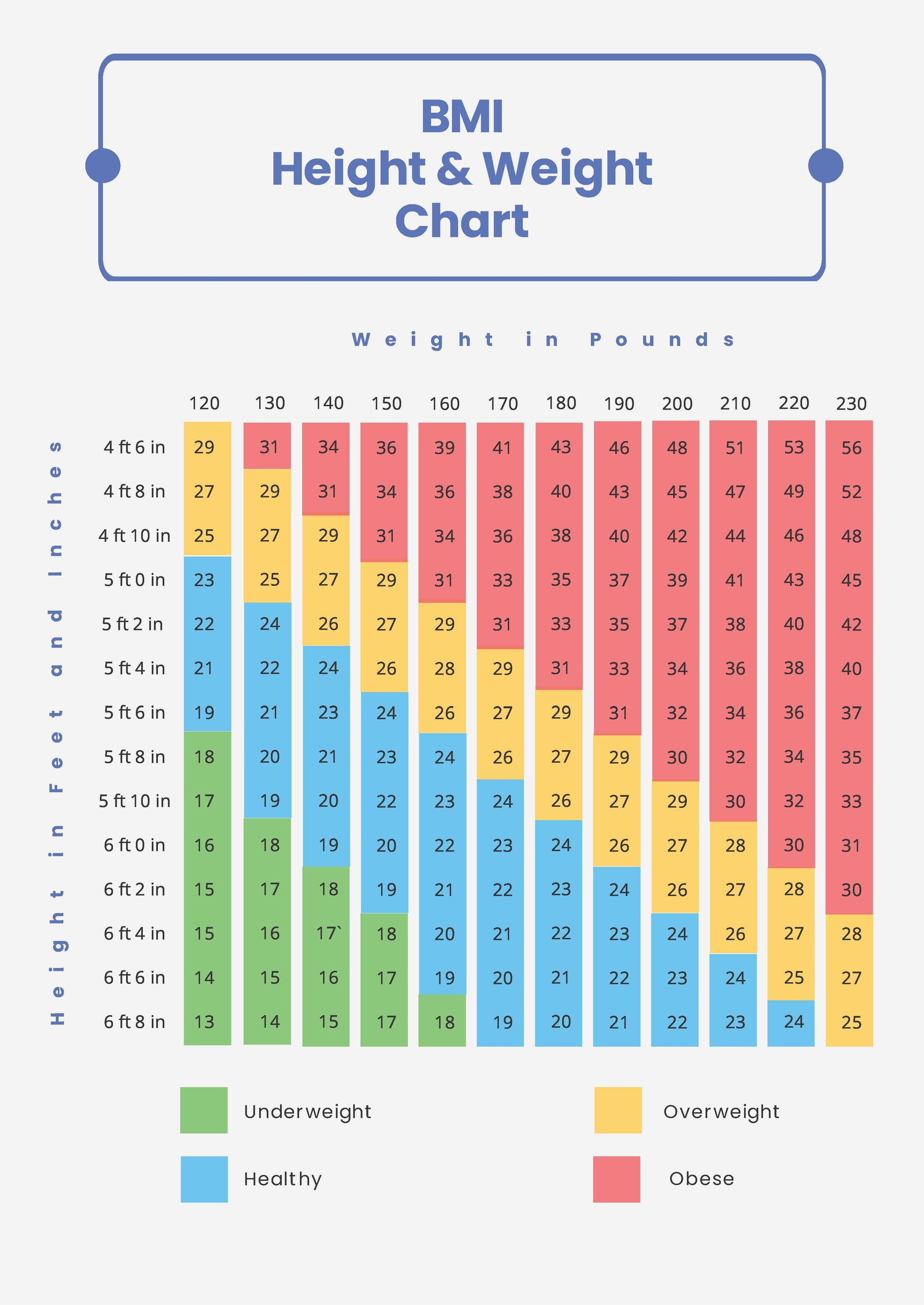
- Find the Height: Look for the height in the left column of the chart. Heights are usually listed in feet and inches or centimeters for international standards.
- Locate the Weight Range: Move horizontally across the row of the chosen height to see the weights that correspond to a healthy BMI.
- Calculate Your BMI (if needed): If you want a more precise measurement, you can calculate your BMI using the formula:
BMI = weight (kg) / (height (m)²).
Alternatively, many online calculators can do this for you.
- Understand the Categories: The ranges on the chart will typically fall into categories: underweight, normal weight, overweight, and obese. Knowing where you or your child fall on this scale can guide health decisions.
Practical Uses of the Chart
For Parents
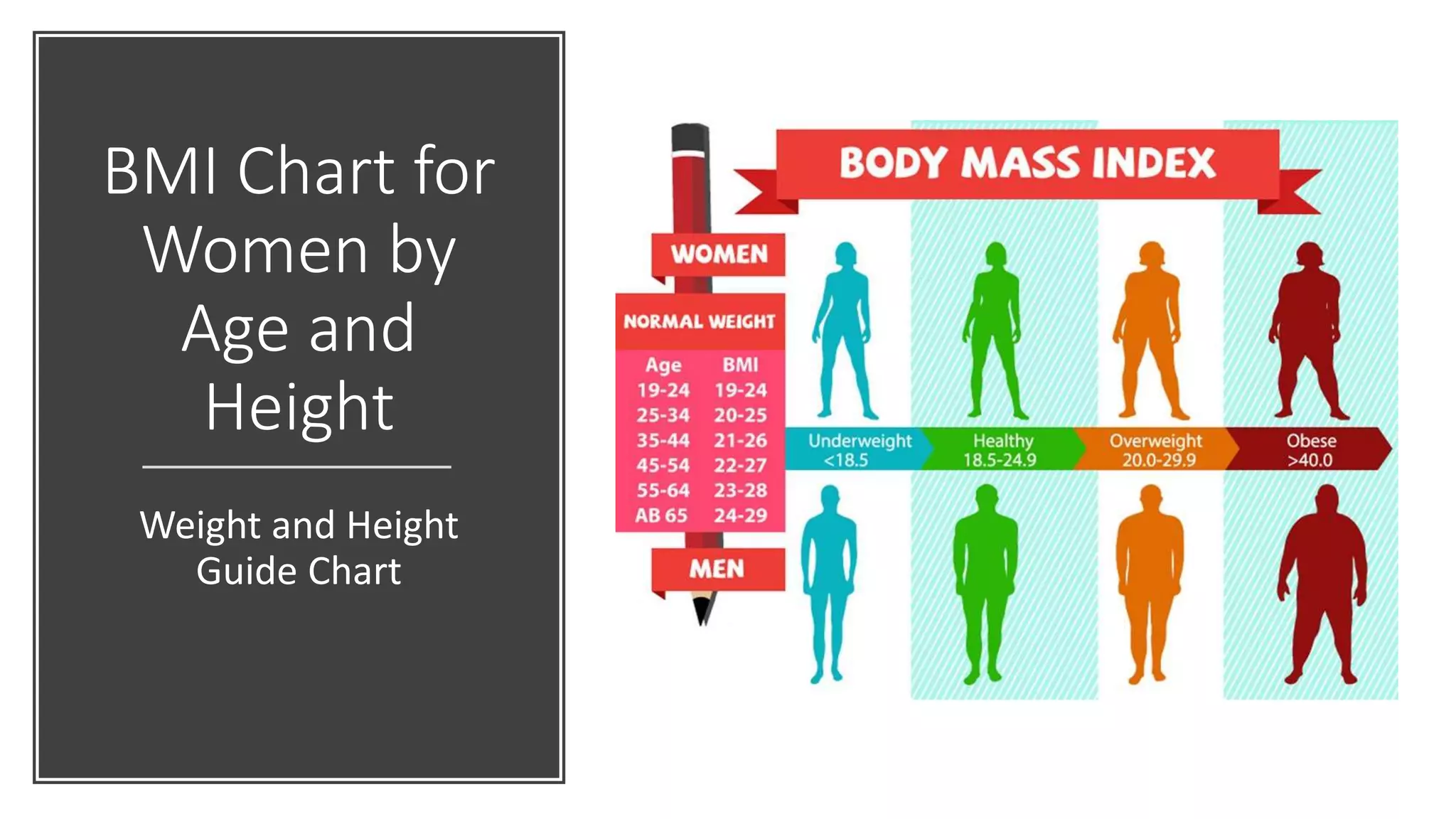
As a parent, monitoring your child’s growth and development is crucial. The Height Weight Chart Female Bmi can help you:
- Track Growth Patterns: Regularly check your child’s height and weight against the chart to ensure they are growing within the expected ranges.
- Set Health Goals: If your child is falling into the overweight or underweight categories, you can work together on setting achievable health goals, whether that means encouraging physical activity or improving dietary habits.
- Communicate with Healthcare Providers: Bring the chart to your child’s doctor visits. This can facilitate discussions about your child’s health and any necessary lifestyle changes.
For Personal Use
If you’re an adult looking to maintain or improve your health, this chart can be used to:
- Assess Your Own Health: Use the chart as a quick reference to see if your weight aligns with your height. This can be a motivator for setting fitness goals.
- Monitor Changes: If you’re embarking on a weight loss or gain journey, the chart can help you keep track of your progress over time.
- Plan Workouts or Diets: Knowing your BMI can assist in determining the kind of exercise and dietary plan that may be best for you, based on whether you want to lose, gain, or maintain weight.
Common Mistakes to Avoid
When using a Height Weight Chart Female Bmi, it’s important to avoid a few common pitfalls:
- Ignoring Muscle Mass: Remember that BMI doesn’t differentiate between muscle and fat. An athlete may have a higher BMI due to muscle mass but still be in excellent health.
- Not Considering Other Factors: Age, bone density, and overall health should also be factors in assessing weight. Always consult with a healthcare professional if you’re unsure.
- Using Outdated Charts: Make sure to use the most recent version of the chart, as health guidelines can evolve.
Where to Find a Downloadable Height Weight Chart
You can easily find a printable Height Weight Chart Female Bmi online. Many health-focused websites offer downloadable PDFs that you can print at home for convenience. When searching, make sure to look for charts that are approved by health professionals to ensure accuracy.
When printing, consider using:
- Standard Letter Size (8.5 x 11 inches): This is perfect for home use and easy to store in a binder.
- High-Quality Paper: If you want it to last longer, especially if you plan to reference it frequently, consider using cardstock.
- Portrait Layout: This layout tends to work better for most home printers, making it easier to read.
By incorporating a Height Weight Chart Female Bmi into your routine, you can take proactive steps towards maintaining a healthy lifestyle for yourself and your family. Tracking growth, setting health goals, and having informed discussions with healthcare providers can all be simplified with this handy resource.
