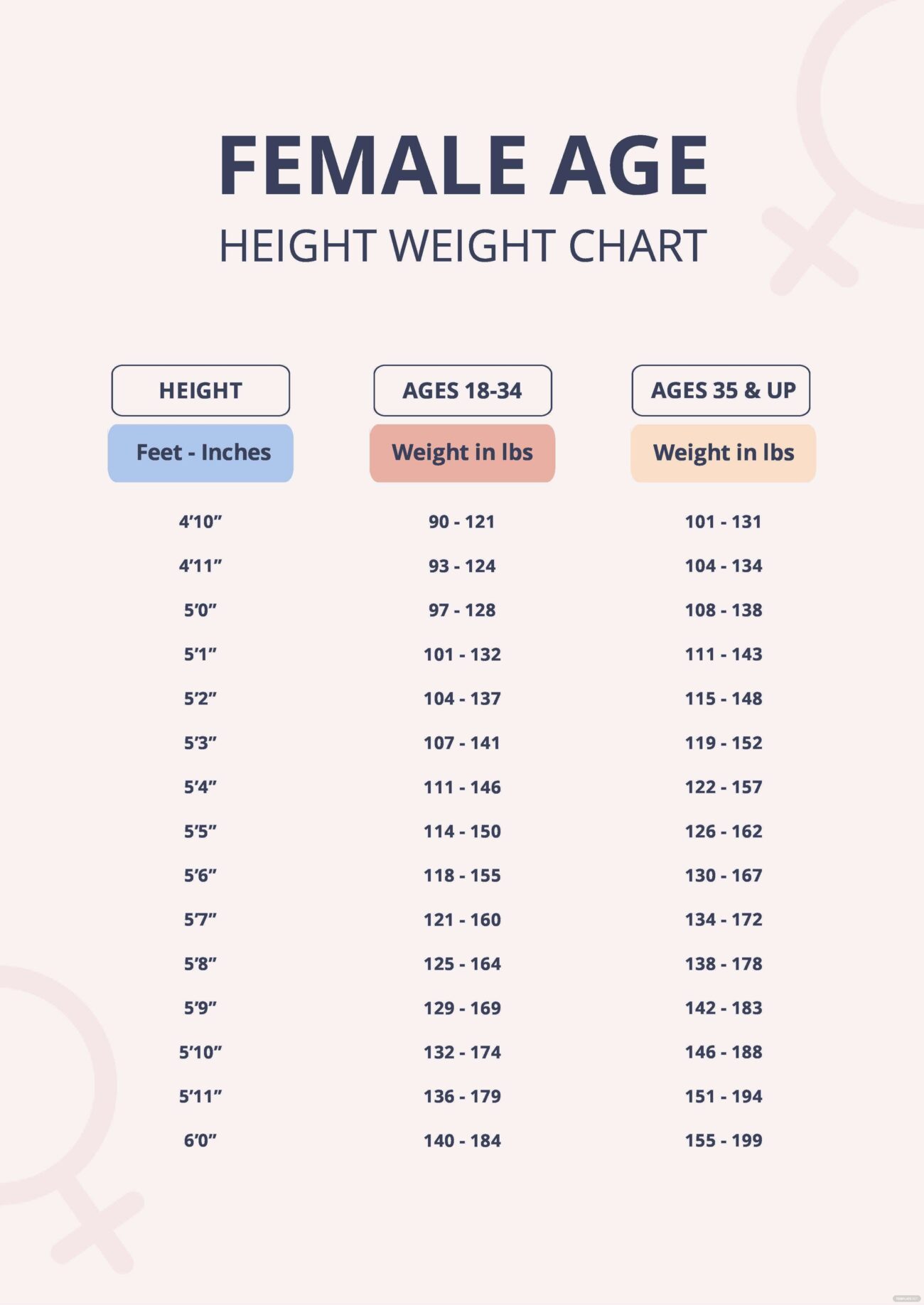
Understanding how your body measurements relate to age can be a helpful tool in managing health and fitness. The Height Weight Age Chart For Women offers a straightforward way to visualize and track these important metrics. This resource can support your health journey, If you are a parent keeping an eye on your child’s development or an individual seeking to maintain a healthy lifestyle. Let’s explore how to effectively use this chart!
What is a Height Weight Age Chart?
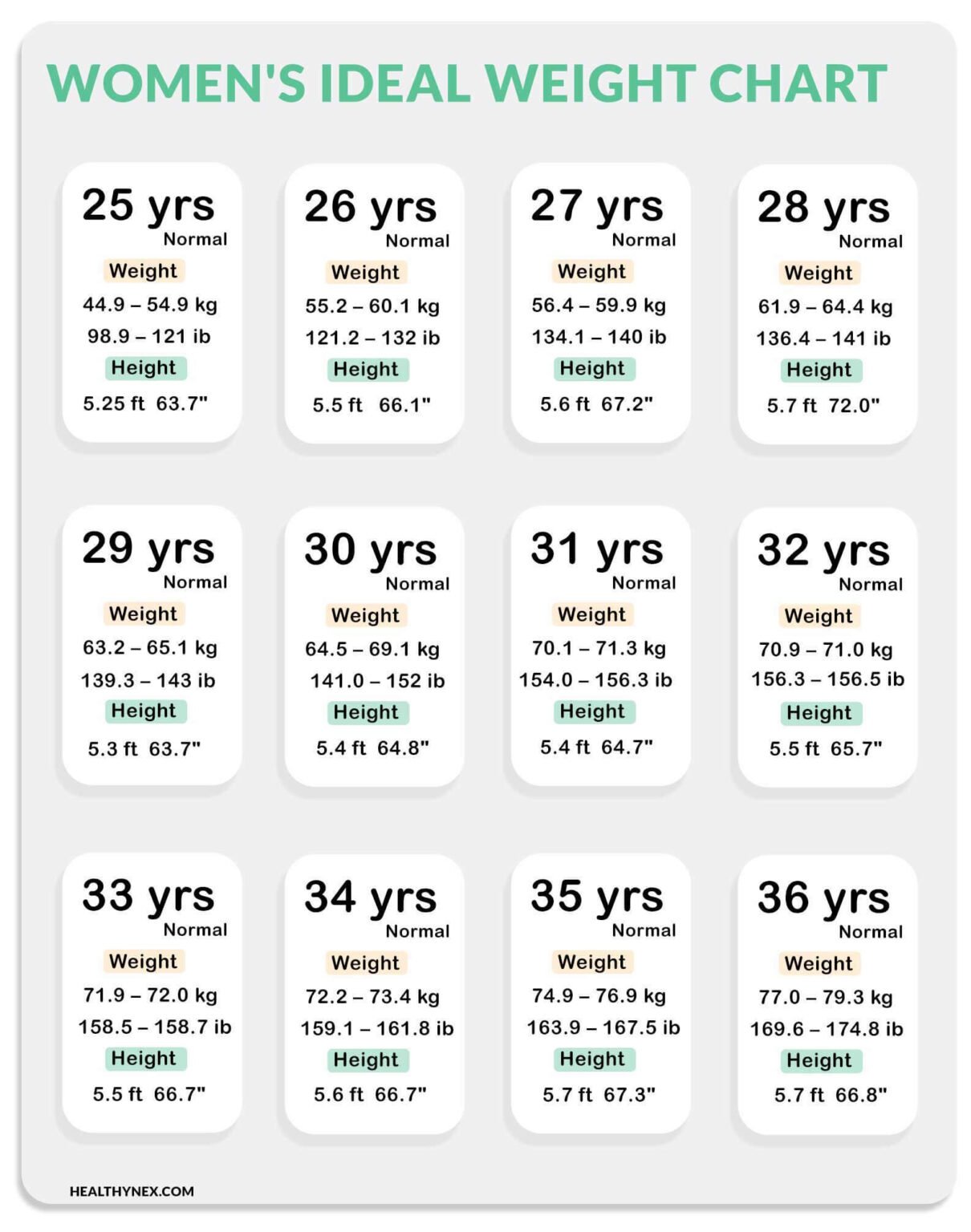
A Height Weight Age Chart For Women is a visual guide that helps you see the relationship between a woman’s height, weight, and age. These charts are designed to provide a reference point, helping you assess whether your weight falls within a healthy range for your height and age group.
You might find this chart particularly useful for tracking growth in children or for adults who want to maintain a healthy weight. It’s a straightforward tool that can help you make informed decisions about health and wellness.
How to Read the Chart
Reading a Height Weight Age Chart is simple, but knowing how to interpret the information correctly is crucial.
- Locate Your Height: Start by finding your height on the left side of the chart. This is usually listed in inches or centimeters.
- Find Your Age: Move across the top of the chart to locate your age range. Charts often group ages in intervals (for example, 18-24, 25-34, etc.).
- Determine Your Weight Range: Where your height and age intersect on the chart will indicate a weight range deemed healthy. This gives you a target to aim for in managing your weight.
- Consider Additional Factors: Remember, while this chart provides a good baseline, individual health can depend on various factors like muscle mass, bone density, and overall body composition.
Preparing to Use the Chart
Before you look at using the Height Weight Age Chart, gather some essential information:
- Height: Measure your height accurately without shoes. Use a tape measure or a stadiometer for the best results.
- Weight: Weigh yourself using a reliable scale. Ideally, do this first thing in the morning for consistency.
- Age: Ensure you know your current age, as this will help you locate the correct row on the chart.
By having these details ready, you can easily navigate the chart and assess your health metrics.
Where to Use the Chart
Incorporating the Height Weight Age Chart into your routine can be straightforward. Here are a few ideas:
- Health Check-ups: Bring the chart to your next doctor’s appointment. It can serve as a discussion point regarding your health and fitness goals.
- Fitness Tracking: Use the chart as a benchmark for your fitness journey. If you’re working to lose weight or gain muscle, regularly check your progress against the chart.
- Family Health: For parents, this chart can help monitor children’s growth and ensure they’re developing healthily.
You can print out the chart and keep it in a visible place, such as on your fridge or in your planner, to regularly remind you of your health goals.
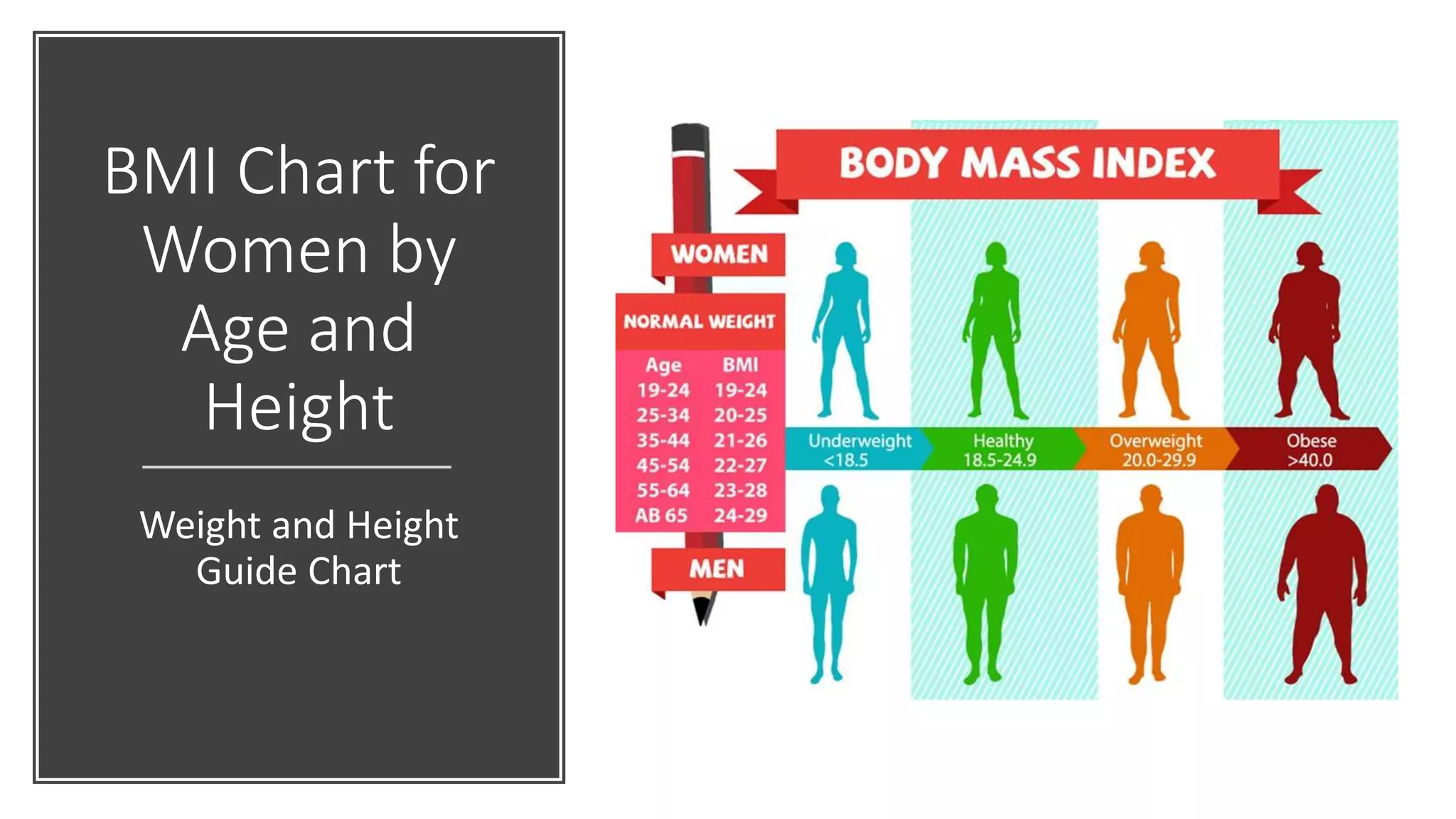
Tips for Using the Chart Effectively
To get the most out of your Height Weight Age Chart For Women, consider these practical tips:
- Regular Updates: Weigh and measure yourself regularly (e.g., monthly or bi-monthly) to keep track of changes. This helps you stay accountable and motivated.
- Contextualize the Data: Use the chart as a guideline rather than an absolute measure. Everyone’s body is different, and what’s healthy for one person may not be for another.
- Combine with Other Tools: Pair the chart with other health resources, like fitness apps or nutritional tracking, to create a comprehensive health plan.
By integrating this chart into your routine, you’re taking proactive steps toward understanding and managing your health.
