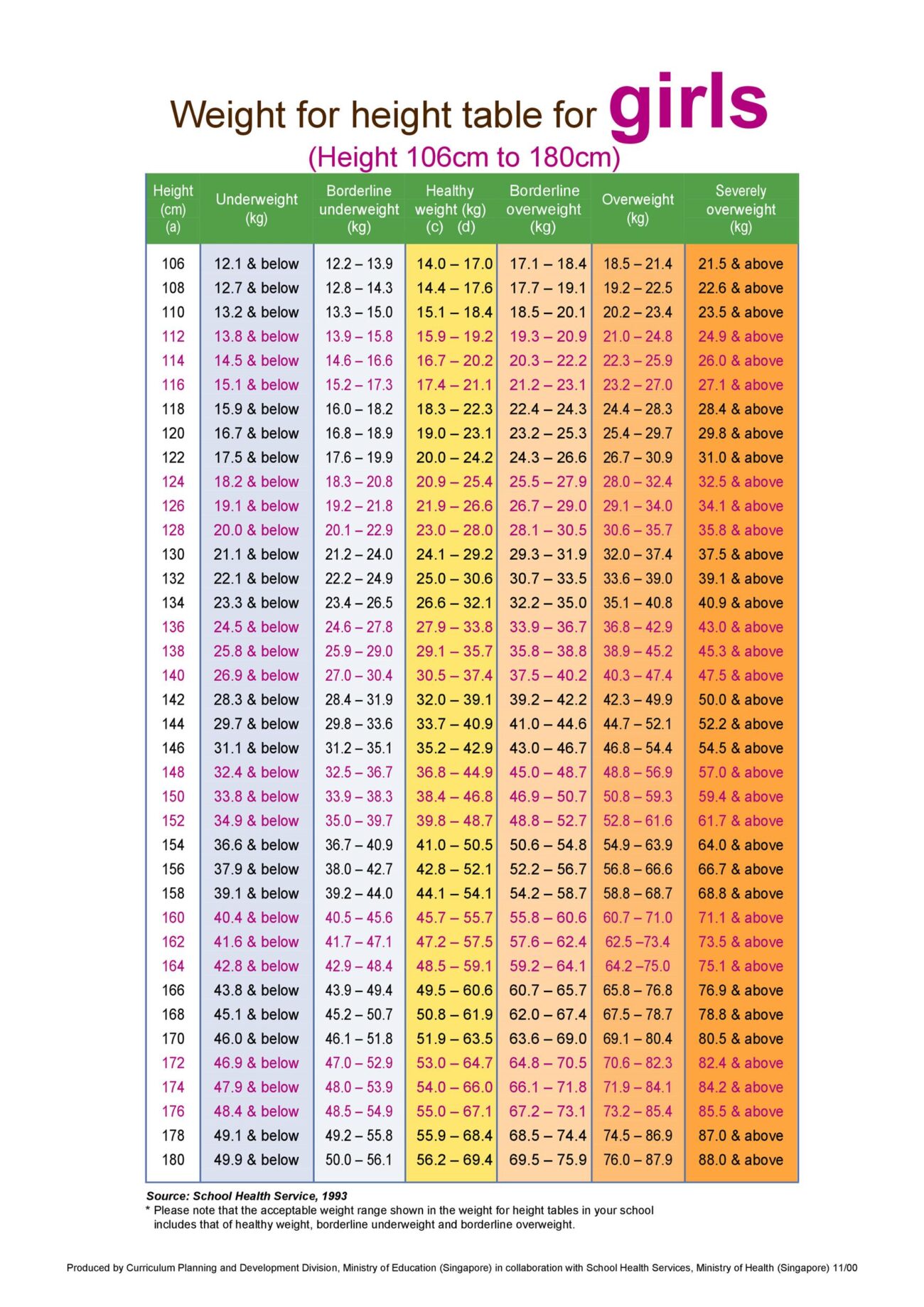
Understanding the relationship between height and weight is important for maintaining good health, especially for growing children. A Height To Weight Chart In Pounds can be an effective tool for parents looking to track their child’s growth and ensure they remain within a healthy weight range. This chart provides a visual representation of weight ranges based on height, which can help in making informed decisions about diet and exercise.
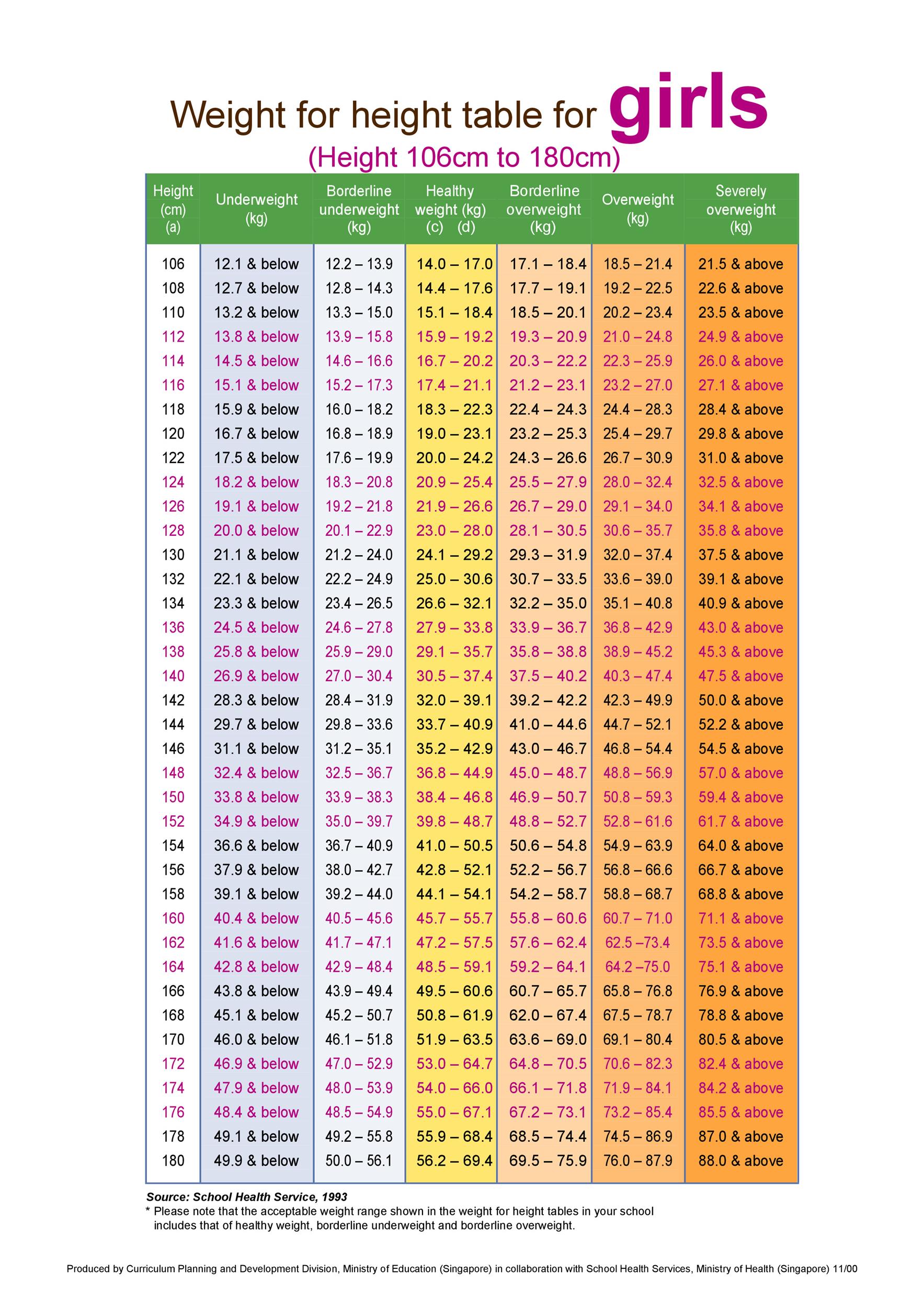
What Is a Height To Weight Chart?
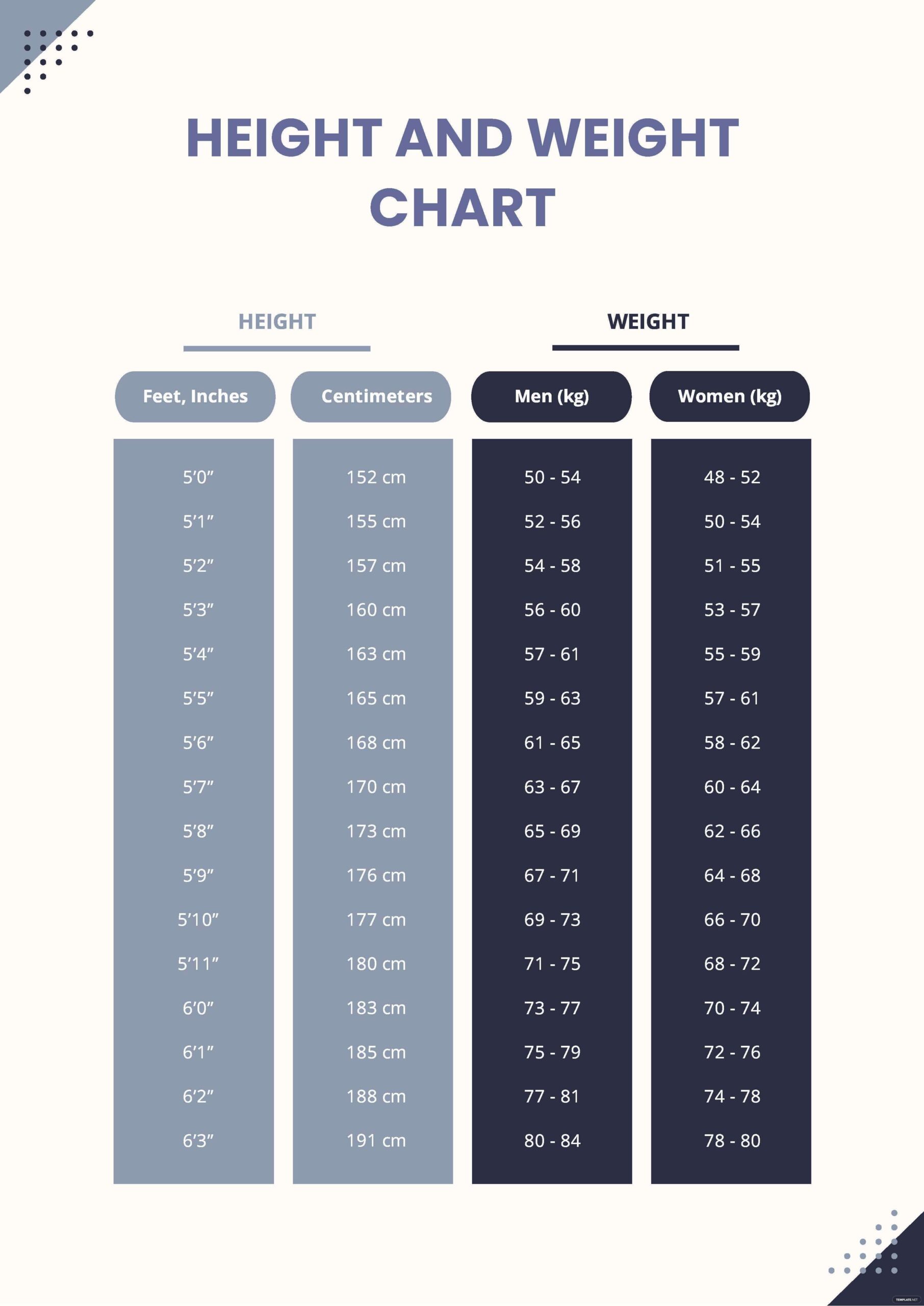
A Height To Weight Chart is a simple reference guide that displays the ideal weight range for individuals based on their height. The chart is typically laid out with height measurements listed vertically and corresponding weight ranges listed horizontally. This allows you to quickly identify whether your child or family member is within a healthy weight range based on their height.
These charts are often used by parents, teachers, and healthcare providers to monitor growth patterns in children. They can also be helpful for adults looking to maintain or achieve a healthy weight.
How to Use the Height To Weight Chart
Using the Height To Weight Chart is straightforward. Here’s how you can make the most of it:
- Measure Height: Start by measuring the height of the individual in inches or centimeters. It’s best to do this while they are standing straight against a wall.
- Locate Height on the Chart: Find the height measurement on the vertical axis of the chart.
- Find Weight Range: Move horizontally from the height measurement to see the suggested weight range. This will give you a clear idea of what is considered healthy for that height.
- Assess and Monitor: Regularly check the chart as your child grows or if you’re tracking your own weight. If you notice significant deviations from the suggested range, consider consulting a healthcare professional for advice.
When to Use the Height To Weight Chart
Parents should consider using the Height To Weight Chart during routine check-ups or whenever there are concerns about weight gain or loss. Here are some specific scenarios:
- Routine Health Check-Ups: Use the chart during annual pediatrician visits to track your child’s growth.
- New Diet Plans: If you’re starting a new diet or exercise regimen, reference the chart to set realistic goals.
- Sports Participation: Coaches may require weight checks for youth sports, so having this chart handy can help you stay informed.
- Health Education: Use the chart in educational settings to teach children about healthy growth and nutrition.
Practical Tips for Printing and Using the Chart
When it comes to using your Height To Weight Chart effectively, here are some practical tips:
- Print Quality: Use high-quality paper for printing the chart. Cardstock is ideal, as it holds up better and is less likely to tear.
- Size Matters: Make sure to print at a size that is easy to read. A standard letter size (8.5 x 11 inches) usually works well. If you have space, consider printing a larger version for easy visibility.
- Placement: Hang the chart in a common area, like the kitchen or a playroom, where it can serve as a constant reminder of healthy growth.
- Regular Updates: If you’re using it for children, update their height and weight on the chart regularly. This will help you visualize their growth over time.
Understanding Weight Categories
It’s important to note that the Height To Weight Chart typically divides weight into categories: underweight, healthy weight, overweight, and obese. Understanding these categories can help in making informed decisions:
- Underweight: Weights below the recommended range for height. This may indicate a need for dietary adjustments.
- Healthy Weight: This is the target range you should aim for, indicating balanced growth and health.
- Overweight and Obese: Weights above the healthy range, which may require lifestyle changes to improve health.
These categories can help guide discussions about health with children and young adults, fostering a supportive environment for healthy choices.
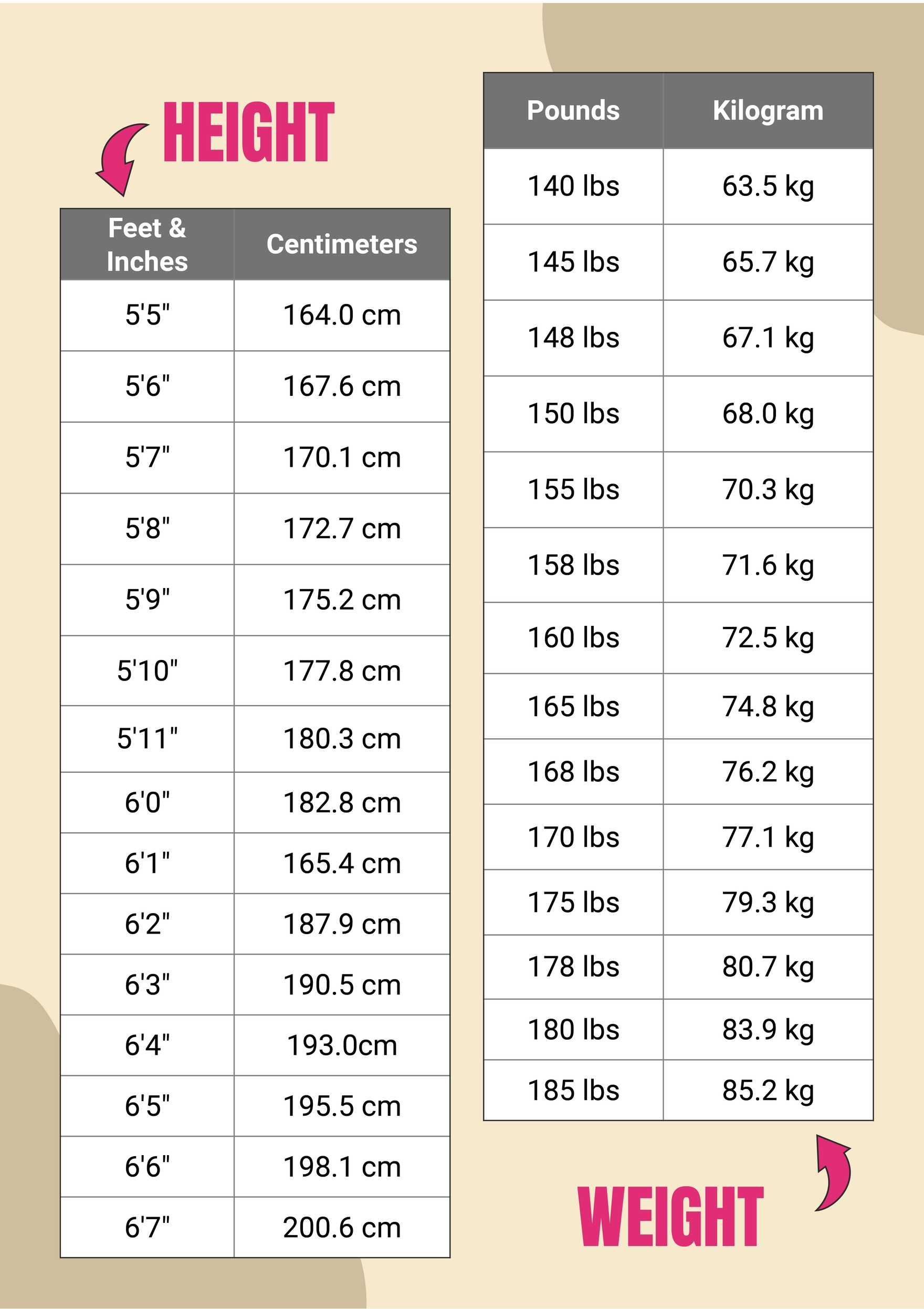
Adapting the Chart for Different Ages
While the Height To Weight Chart is a great resource, it’s important to remember that children’s bodies develop differently. Here are some considerations for adapting the chart based on age:
- Infants and Toddlers: For very young children, growth charts that include age-specific data may be more appropriate. Pediatricians often use specialized charts for children under two.
- Adolescents: During growth spurts, adolescents may temporarily fall outside the healthy range. Frequent check-ins can help keep track of their growth patterns.
Using the Height To Weight Chart In Pounds can be a vital resource in promoting healthy growth and lifestyle choices. By understanding how to read and utilize this chart, you can take proactive steps toward ensuring that your family maintains a healthy weight. So, print your chart, hang it up, and start tracking those important measurements today!
