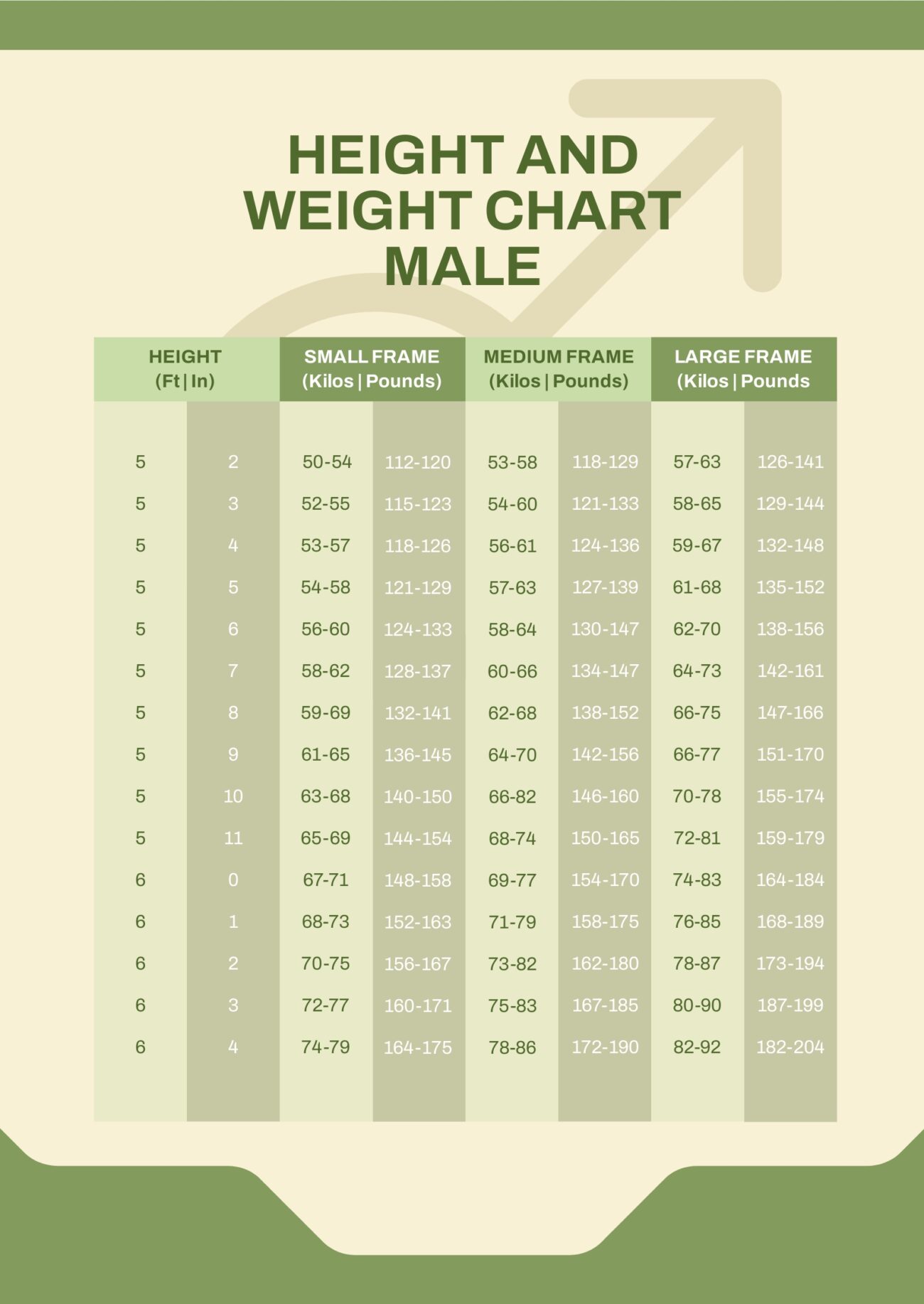
Tracking your child’s growth can be a rewarding yet challenging experience. One of the best tools to help you with this is a Height To Weight Chart By Age. This chart helps you visualize how your child’s height and weight compare to peers in their age group, providing insight into their growth trajectory and overall health.
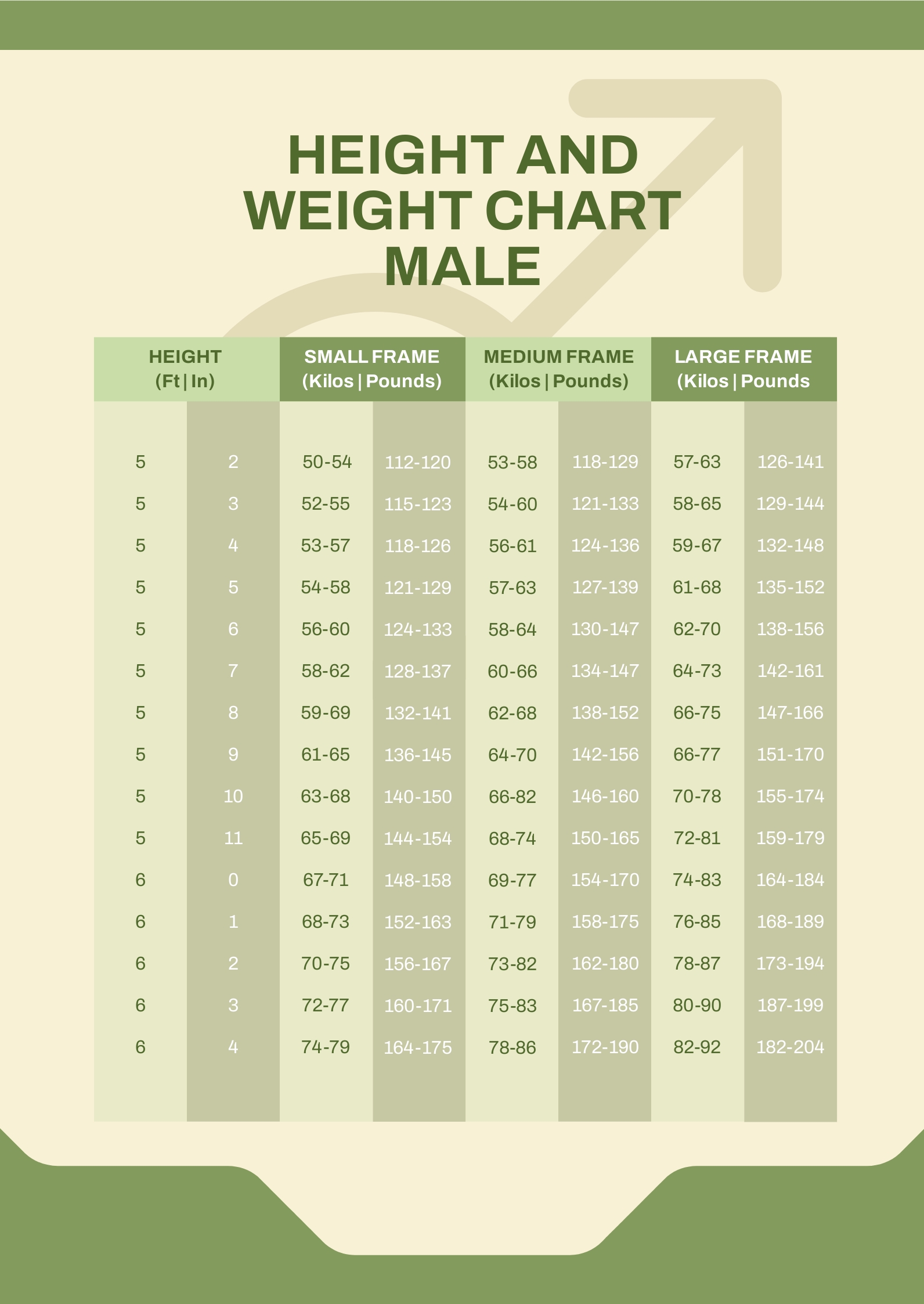
Understanding the Layout of the Height To Weight Chart
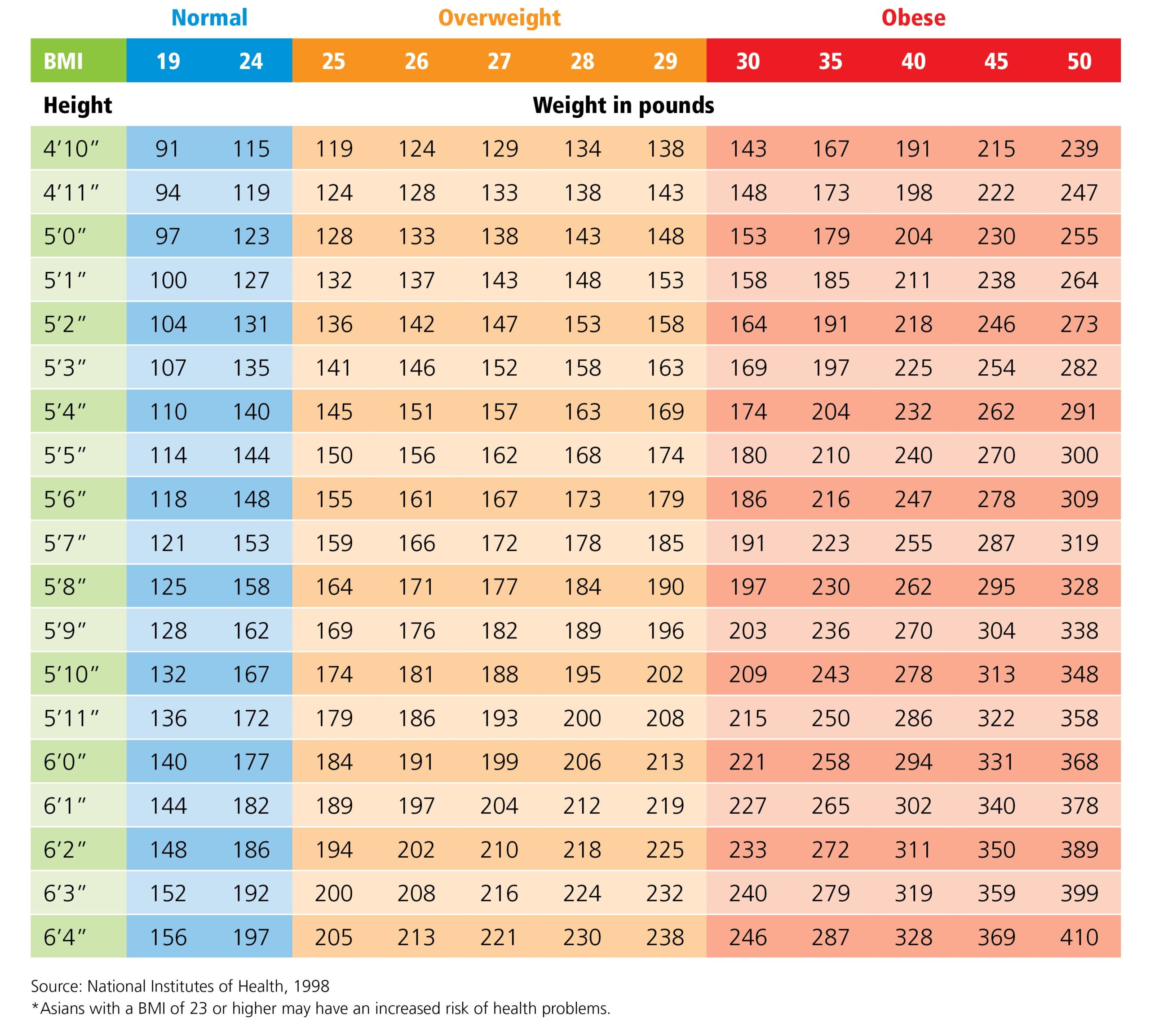
A typical Height To Weight Chart is organized into a grid format, with age listed on the horizontal axis and weight on the vertical axis. Some charts may also include additional information like percentiles, which indicate how your child’s measurements compare to others. For instance, if your child is in the 75th percentile for weight, they weigh more than 75% of children their age.
The chart may use different units of measurement, such as pounds and inches or kilograms and centimeters, depending on the region. The layout is designed to be straightforward, allowing you to quickly find your child’s age, locate their height, and determine the corresponding weight range.
How to Read and Use the Chart Effectively
When using a Height To Weight Chart By Age, start by finding your child’s age on the bottom of the chart. Next, move vertically to find their height. Once you have located these two points, you can gauge whether their weight falls within the healthy range.
Here’s a simple way to approach it:
- Locate Age: Find your child’s age on the horizontal axis.
- Find Height: Move up to the height column that corresponds with your child’s height.
- Check Weight Range: Look across to see the ideal weight range for that height.
This chart is particularly useful during routine check-ups or when monitoring growth spurts, which can happen at various stages in childhood.
Common Mistakes to Avoid
Using a Height To Weight Chart can be straightforward, but some common mistakes can lead to misunderstandings. One of the biggest pitfalls is not considering the child’s overall growth patterns. For example, if your child typically falls below the average weight but is consistently healthy and active, they may just be on the smaller side of the growth spectrum.
Another mistake is failing to account for developmental factors such as muscle mass and body composition. A child who is very active may weigh more due to muscle, which is denser than fat. It’s essential to look at the whole picture rather than focusing solely on numbers.
When filling in the chart for your records, ensure you have accurate measurements. Weigh your child at the same time of day, ideally in the morning, and without heavy clothing. Consistency is key for accurate tracking!
Where to Keep the Chart
Once you’ve filled out the Height To Weight Chart By Age, think about where you’ll keep it. A good practice is to store it in a folder with other important documents, like medical records and vaccination history. You might also want to consider a digital version—many parents find it handy to have a PDF version on their devices for easy reference during doctor visits.
If you’re using it as a progress tracker, consider creating a separate section for notes. This could include observations about your child’s eating habits, physical activity, or any changes in their health. This additional data can be invaluable for discussions with your pediatrician.
Additional Resources
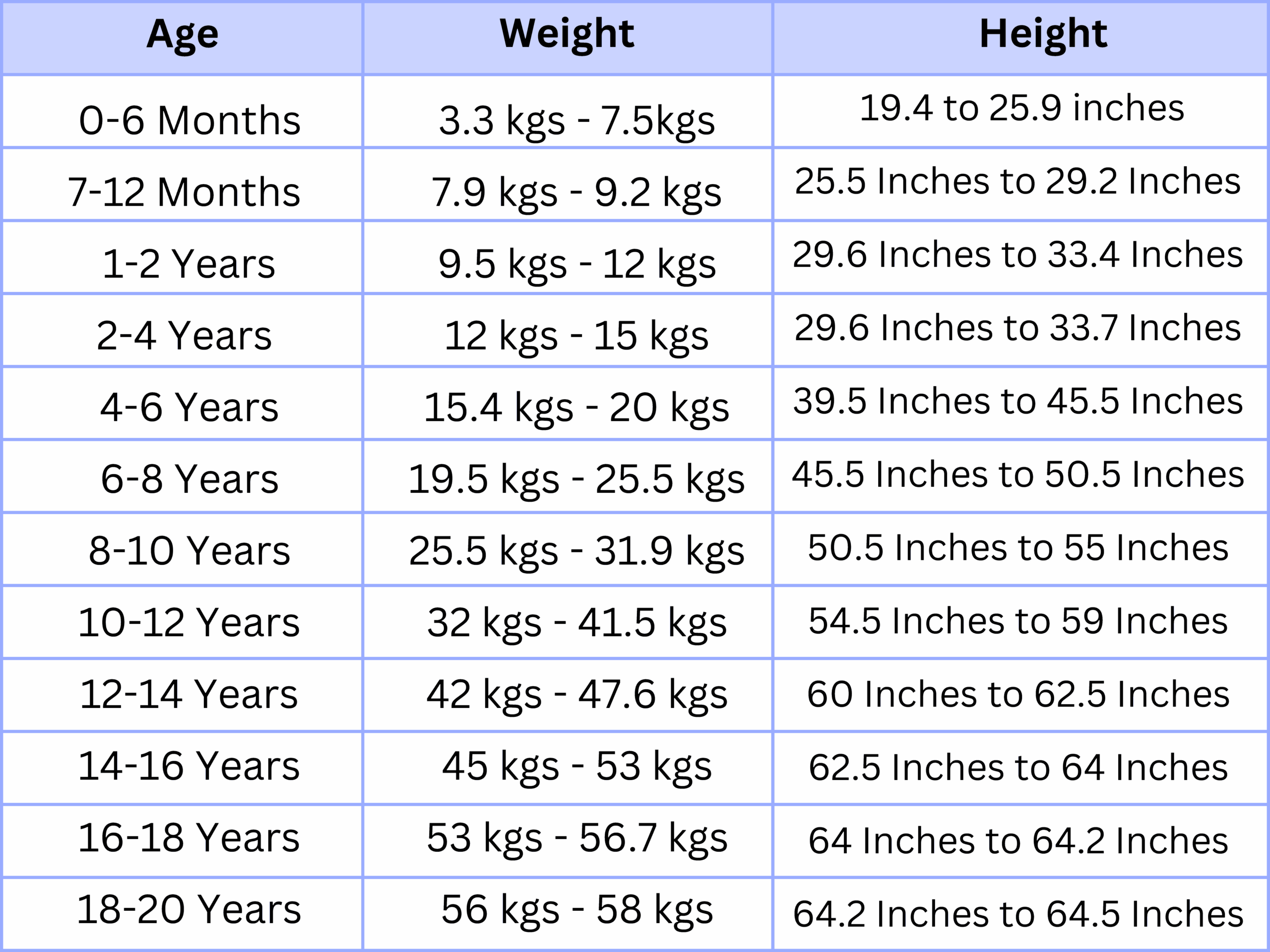
If you’re interested in exploring more about your child’s growth and development, various printable resources can complement the Height To Weight Chart By Age. Calendars can help you track doctor appointments and growth milestones, while planners can assist in maintaining a balanced diet and exercise routine for your kids.
Coloring pages or fun worksheets can also engage children in learning about health and fitness, making the process enjoyable for them. When combined with the Height To Weight Chart, these resources can create a comprehensive approach to monitoring your child’s health.
So, whether you’re using a printed chart or a digital version, ensure it’s easily accessible and that you refer to it regularly. This proactive approach not only keeps you informed but also helps foster healthy habits in your child as they grow.
When it comes to tracking growth, you have the power to make it a fun and engaging experience for both you and your child!
