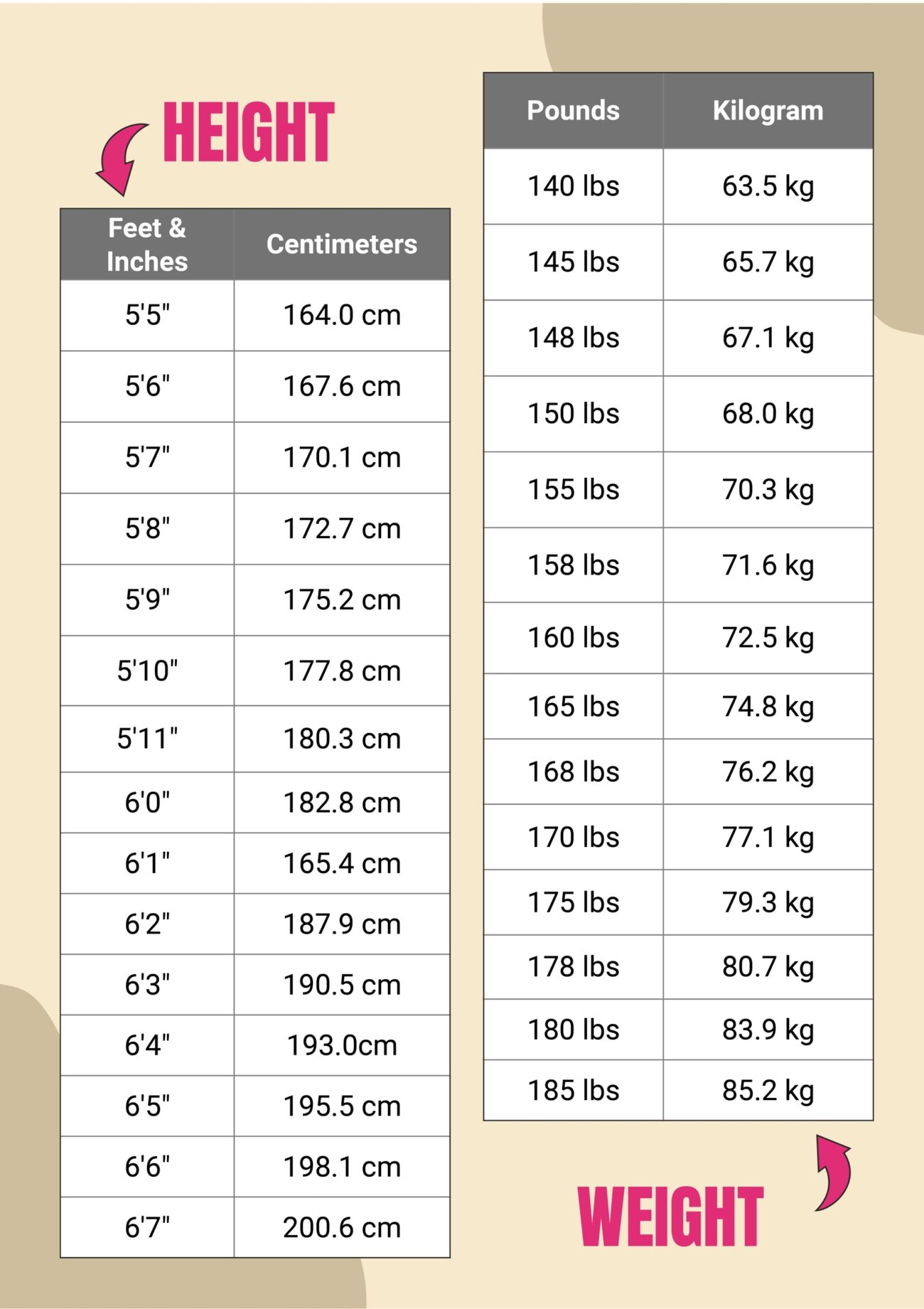
When managing your health and fitness goals, a Height And Weight Chart For Adults can be an invaluable tool. This chart allows you to easily track your height, weight, and body mass index (BMI), helping you understand your overall health better. If you are trying to lose weight, gain muscle, or simply maintain a healthy lifestyle, having a clear visual reference is essential.
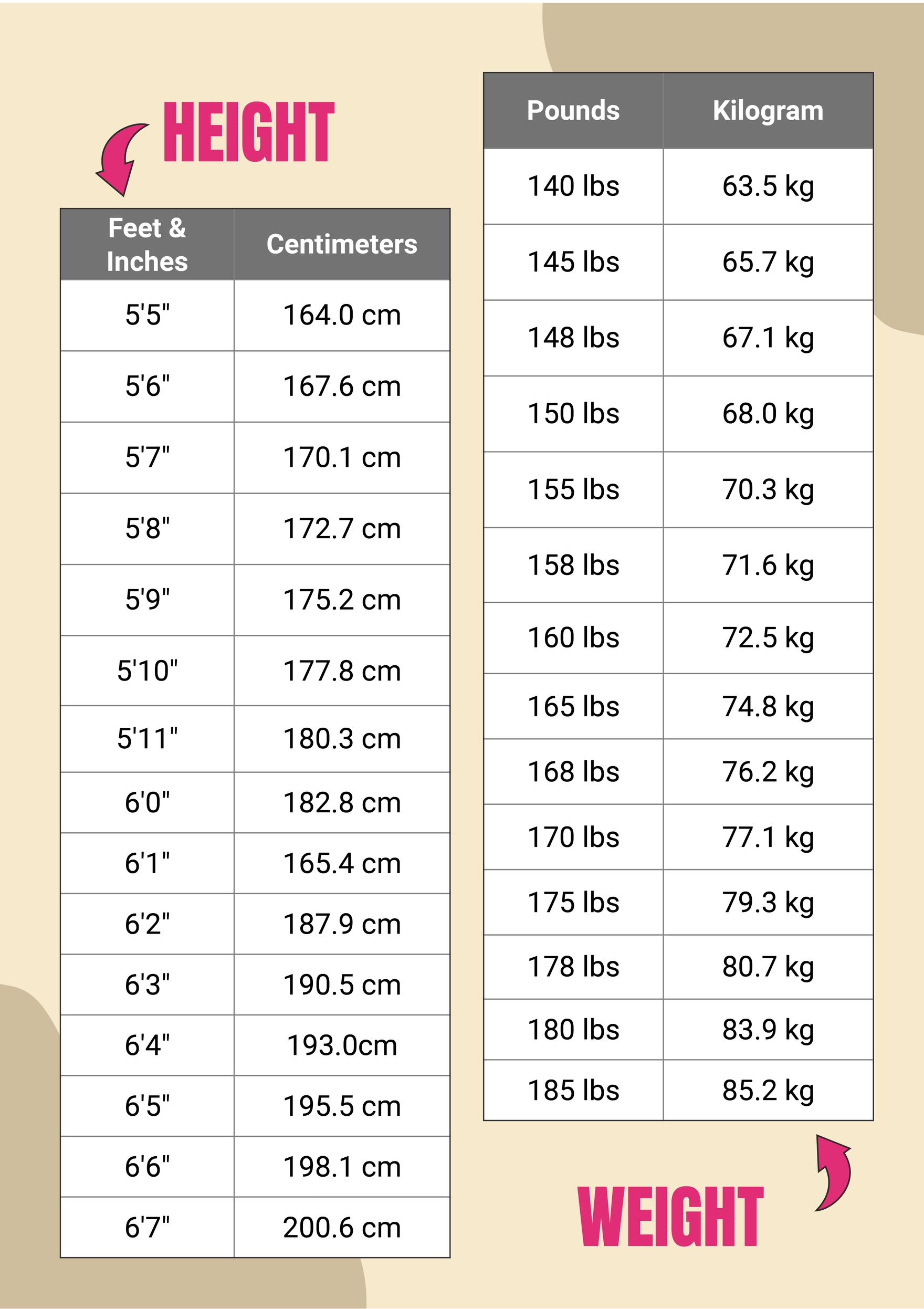
Understanding the Height And Weight Chart
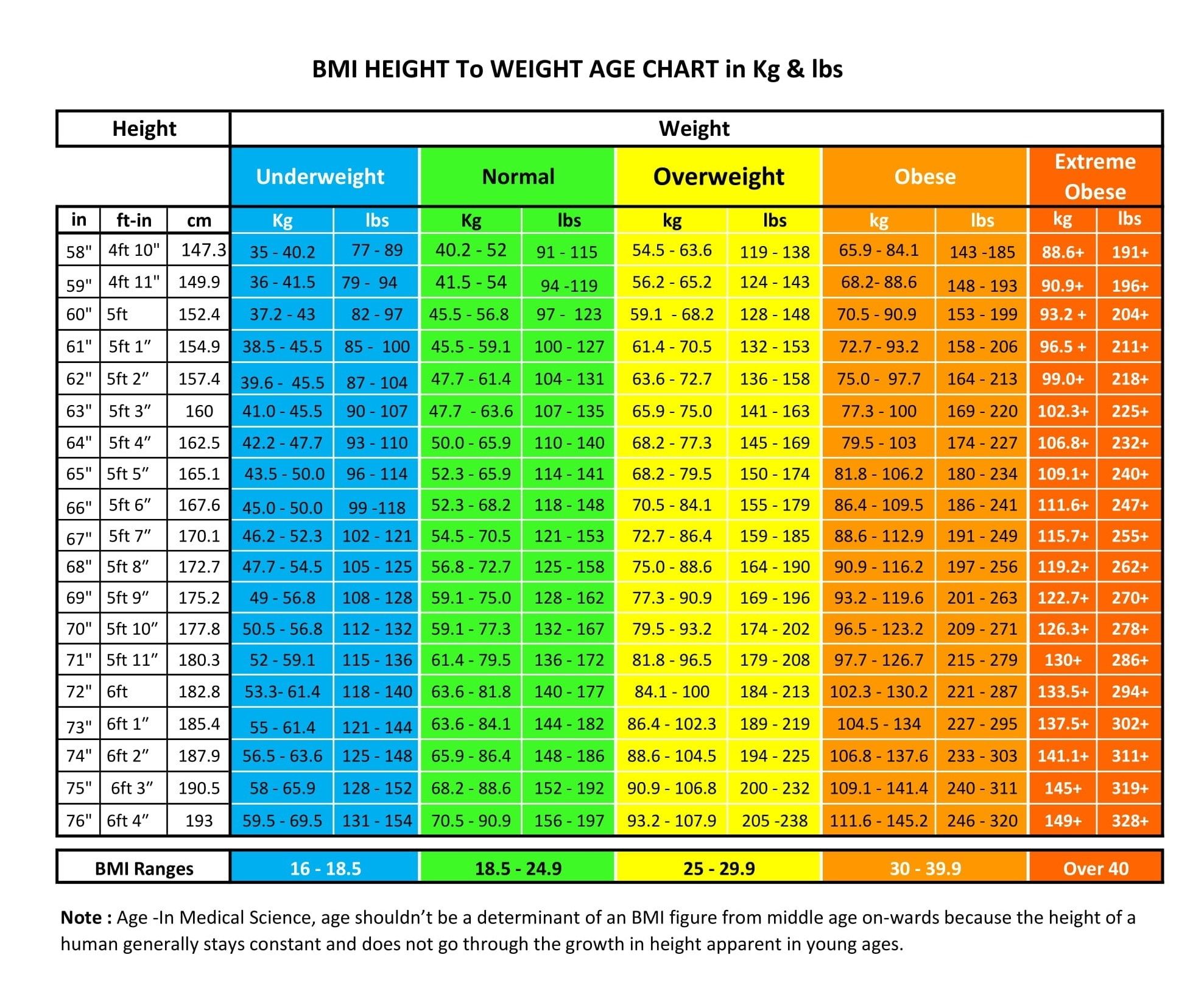
The Height And Weight Chart for adults typically lists height measurements alongside corresponding weight ranges. This information helps you determine whether your weight falls within a healthy range for your specific height. The most common method for interpreting this data is through the Body Mass Index (BMI), which is calculated using your weight and height.
To use the chart effectively, find your height on the left side. Then, look across the row to see the recommended weight range for your height. This range can help you gauge whether you are underweight, normal weight, overweight, or obese.
How to Use the Chart for Tracking Progress
Using a Height And Weight Chart is straightforward, but how you implement it in your routine can make a big difference. Here’s a simple guide to help you track your progress:
- Download and Print: You can often find printable versions of these charts online. Look for a PDF format to ensure the layout remains consistent when printed. Portrait layout is generally best for home printers.
- Fill in Your Information: Write down your current height and weight. If you’re monitoring your progress, consider creating a section for date tracking. This allows you to see how your weight changes over time.
- Set Goals: Use the chart to set realistic health goals. For instance, if you’re currently in the overweight range, aim for a gradual weight loss to reach a healthier weight category.
- Regular Updates: Make it a habit to update the chart regularly—weekly or bi-weekly is common. This consistency helps you stay accountable to your health goals.
- Visual Reference: Keep the chart somewhere visible, such as on your fridge or in your workout space. This serves as a daily reminder of your goals and helps motivate you to stay on track.
Common Mistakes to Avoid
While using a Height And Weight Chart can be beneficial, there are some common pitfalls to be aware of:
- Ignoring Height Changes: As we age, our height can gradually decrease due to spinal compression. Make sure you measure your height accurately, especially if you’re using the chart over several years.
- Focusing Solely on Weight: Remember that the chart is just one way to assess health. Factors like muscle mass and body composition are also crucial. Someone with a higher muscle mass may weigh more but still be healthy.
- Setting Unrealistic Goals: Quick fixes and drastic weight loss can be harmful. Focus on gradual, sustainable changes instead. This is where the chart can help you visualize and track realistic goals over time.
Where to Find Your Printable Height And Weight Chart
Finding a good Height And Weight Chart for adults is easy. Many health and fitness websites offer free downloads. Look for charts that include:
- Height Ranges: Commonly from 4’10” to 7’0″.
- Weight Ranges: Clearly marked for each height.
- BMI Calculations: Some charts also include BMI calculations for further insight into your health.
Once you find a chart that meets your needs, ensure it’s in a user-friendly format like PDF, which is printable and maintains its layout.
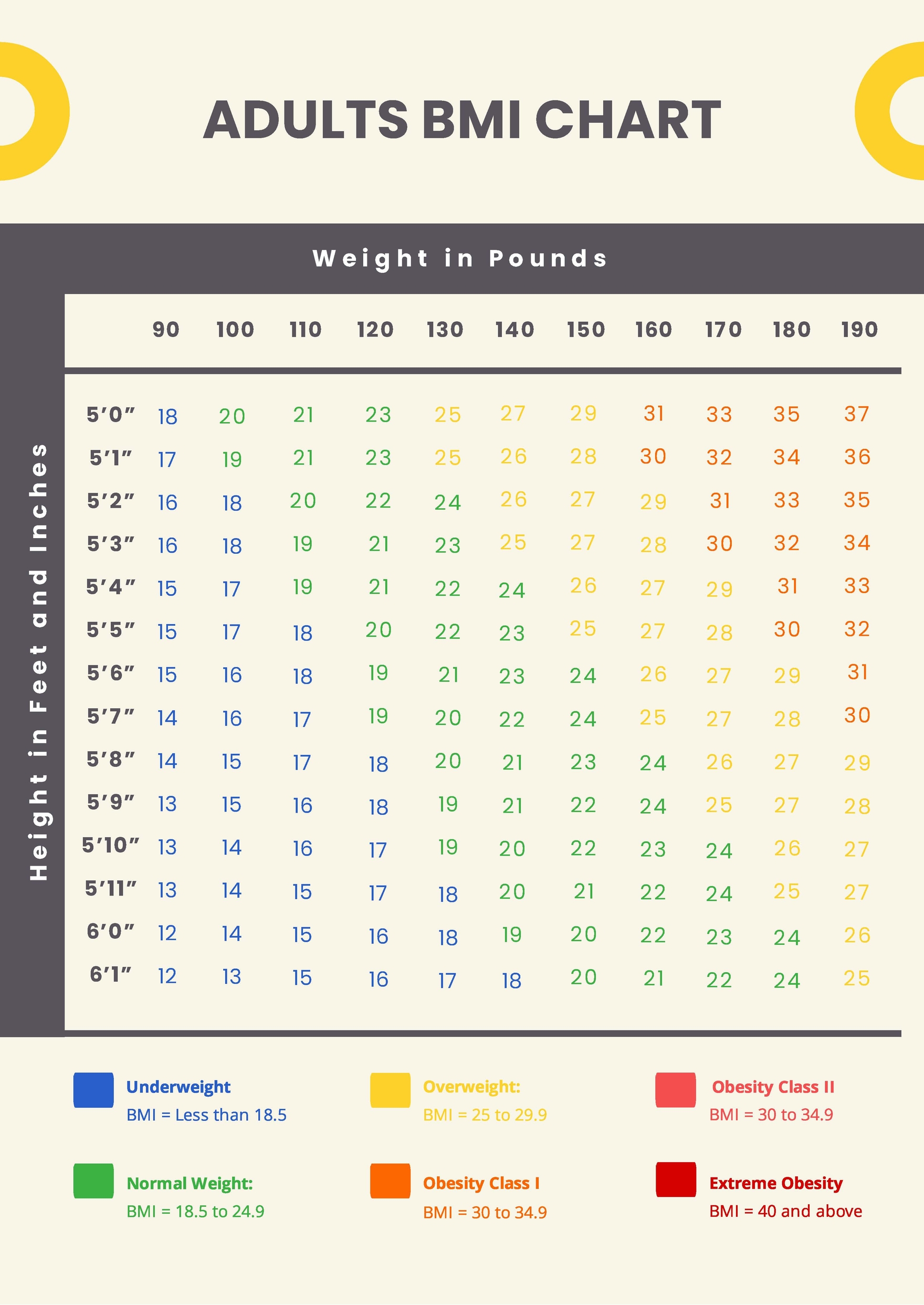
Final Practical Tip
To make the most of your Height And Weight Chart for Adults, consider laminating it after printing. This allows you to use a dry-erase marker to track changes directly on the chart, making it easy to update as you progress towards your goals.
