Understanding where your child’s weight falls in relation to their height can help you make informed decisions about their health and well-being. A Healthy Weight To Height Chart provides a visual representation of this relationship, allowing you to easily assess whether your child is in a healthy weight range. This tool is essential for parents wanting to ensure their little ones are growing up strong and healthy.
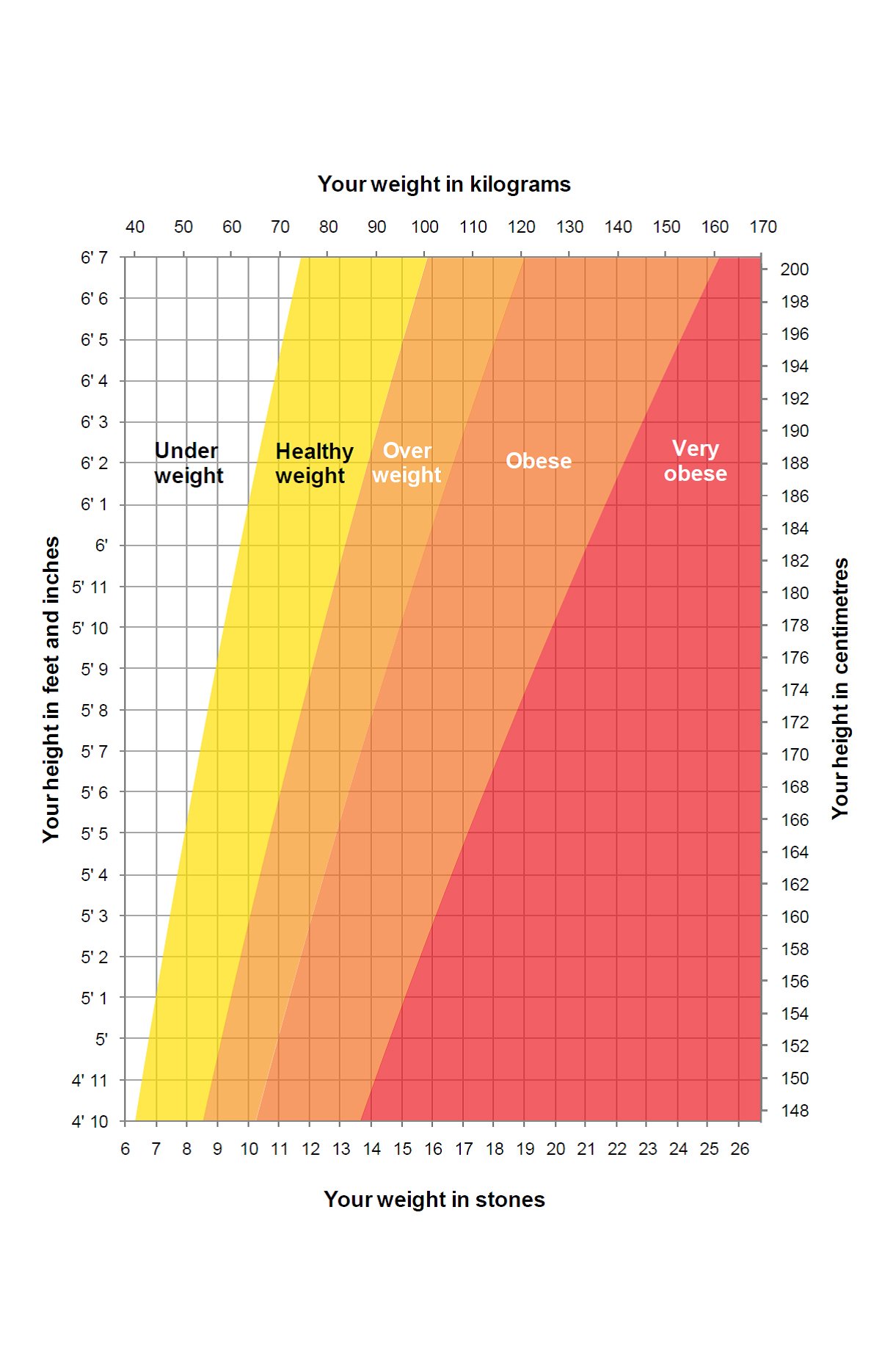
What is a Healthy Weight To Height Chart?
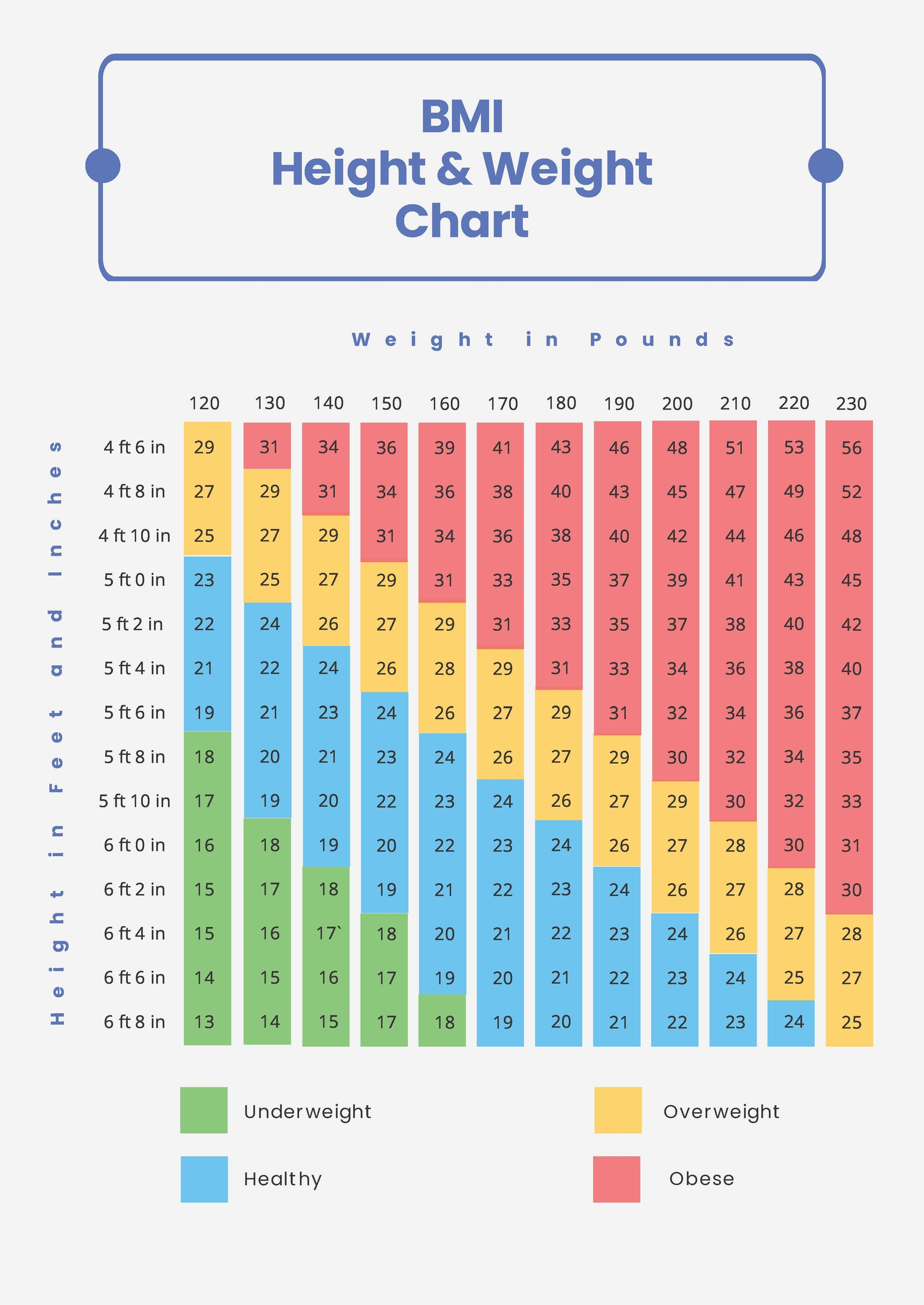
A Healthy Weight To Height Chart is a simple yet effective reference tool that helps parents determine if their child’s weight is appropriate for their height. These charts typically use Body Mass Index (BMI) calculations to categorize weight as underweight, healthy, overweight, or obese. This information is crucial for monitoring growth patterns and guiding dietary and lifestyle choices.
The chart displays height on one axis and weight on the other, creating a grid where you can find the intersection of your child’s height and weight. By identifying their position on the chart, you can quickly see if they fall within the healthy range.
How to Read the Chart
Reading a Healthy Weight To Height Chart is straightforward. First, you need to know your child’s height (in inches or centimeters) and weight (in pounds or kilograms).
- Locate Height: Find your child’s height on the vertical axis.
- Locate Weight: Move horizontally to find their weight on the horizontal axis.
- Determine Range: The point where the two intersect will indicate where your child’s weight falls—underweight, healthy, overweight, or obese.
It’s important to consult with a healthcare professional when interpreting the results, as individual growth patterns can vary. The chart is merely a guide, not a definitive assessment of health.
When and Why to Use the Chart
Parents can utilize the Healthy Weight To Height Chart during regular check-ups, or whenever they have concerns about their child’s growth. Here are some scenarios when it may come in handy:
- Routine Check-Ups: Use the chart during annual pediatric visits to monitor your child’s growth over time.
- Dietary Adjustments: If you notice a significant change in your child’s weight, the chart can help you evaluate whether dietary changes or increased physical activity are necessary.
- School Requirements: Some schools require health screenings that may include assessing height and weight. Having a chart handy can help you prepare.
Tips for Effective Use
To make the most out of the Healthy Weight To Height Chart, consider these practical tips:
- Print a Copy: Have a printed version of the chart available for easy reference. You can download a PDF version from reliable health websites.
- Use Accurate Measurements: Ensure that you measure your child’s height and weight accurately. Use a stadiometer for height and a scale for weight.
- Consult with Healthcare Providers: If you have concerns about your child’s growth patterns, don’t hesitate to reach out to their doctor for personalized advice.
Presentation Quality for Printing
When printing your Healthy Weight To Height Chart, consider the following for the best results:
- Paper Type: Use standard printer paper for everyday use. If you plan to laminate it for durability, cardstock is a better option.
- Print Settings: Set your printer to “Best” quality for a clear and legible chart. This can help ensure all text and lines are sharp.
- Size Matters: Make sure to print the chart in a size that is easy to read, typically in portrait layout. Standard letter size (8.5 x 11 inches) usually works well.
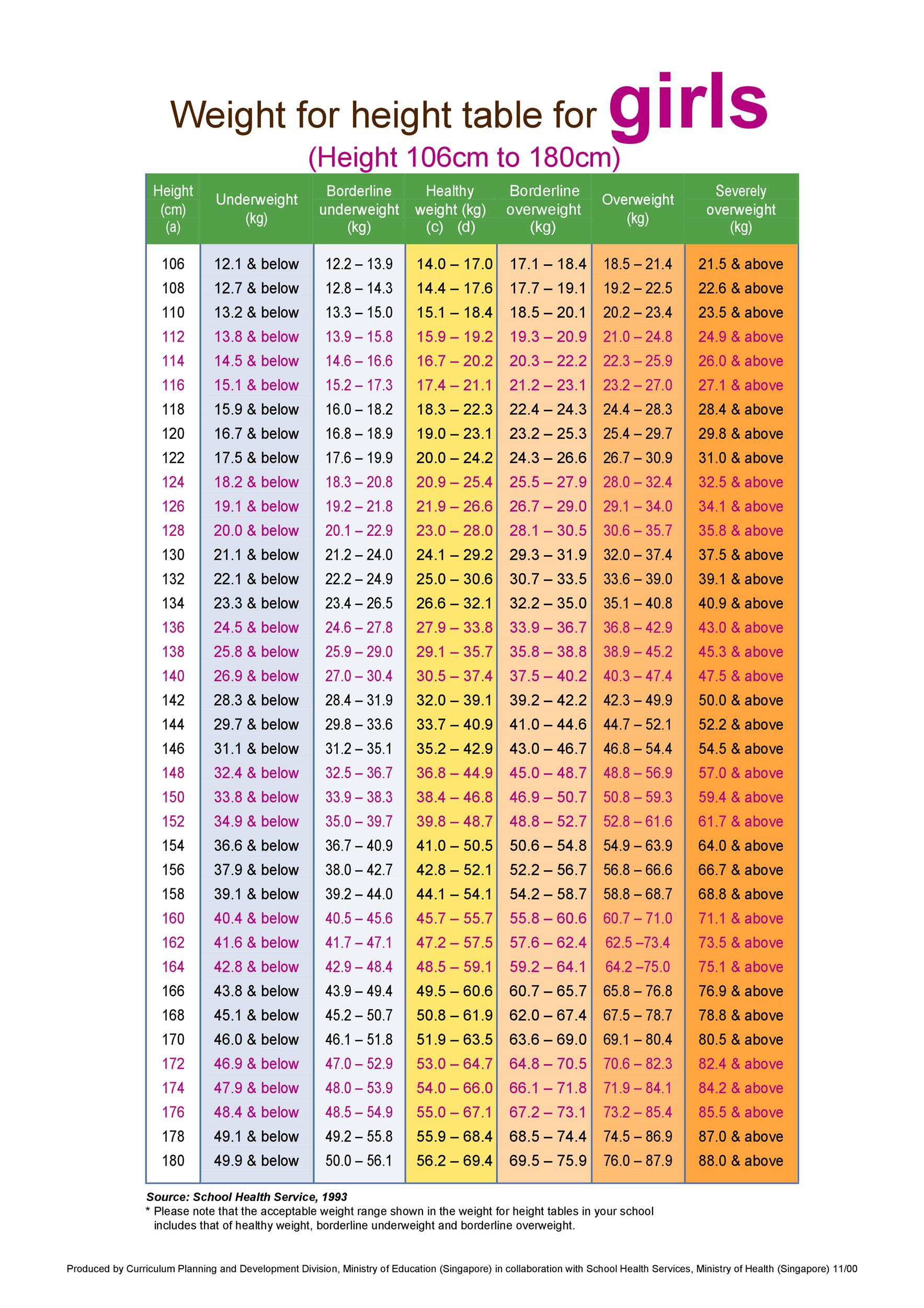
Adapting the Chart for Home Use
You can easily adapt the Healthy Weight To Height Chart for your family’s unique needs. Here are a few ideas:
- Create a Growth Tracker: Use the chart to document your child’s height and weight over time. This can help you visualize their growth trends and make adjustments as necessary.
- Incorporate Activity Goals: Alongside the chart, you might want to create a simple planner for tracking physical activities. This can encourage your child to stay active and maintain a healthy lifestyle.
- Engage Your Child: Involve your child in the process by explaining how the chart works. This can help them understand the importance of maintaining a healthy weight and encourage them to make healthy choices.
By using the Healthy Weight To Height Chart effectively, you can take an active role in your child’s health and development. This simple tool can empower you to make informed decisions about nutrition, activity levels, and overall well-being. Start by downloading your chart today, and take the first step towards a healthier future for your family.
