Understanding how much formula to feed your baby can be overwhelming, especially when it comes to determining the right amount based on their weight. A Formula Feeding Chart By Weight is an invaluable tool that helps parents like you manage feeding schedules while ensuring your little one is getting the right nutrition. guide you through using the chart effectively, from choosing the right format to filling it in correctly.
What is a Formula Feeding Chart By Weight?
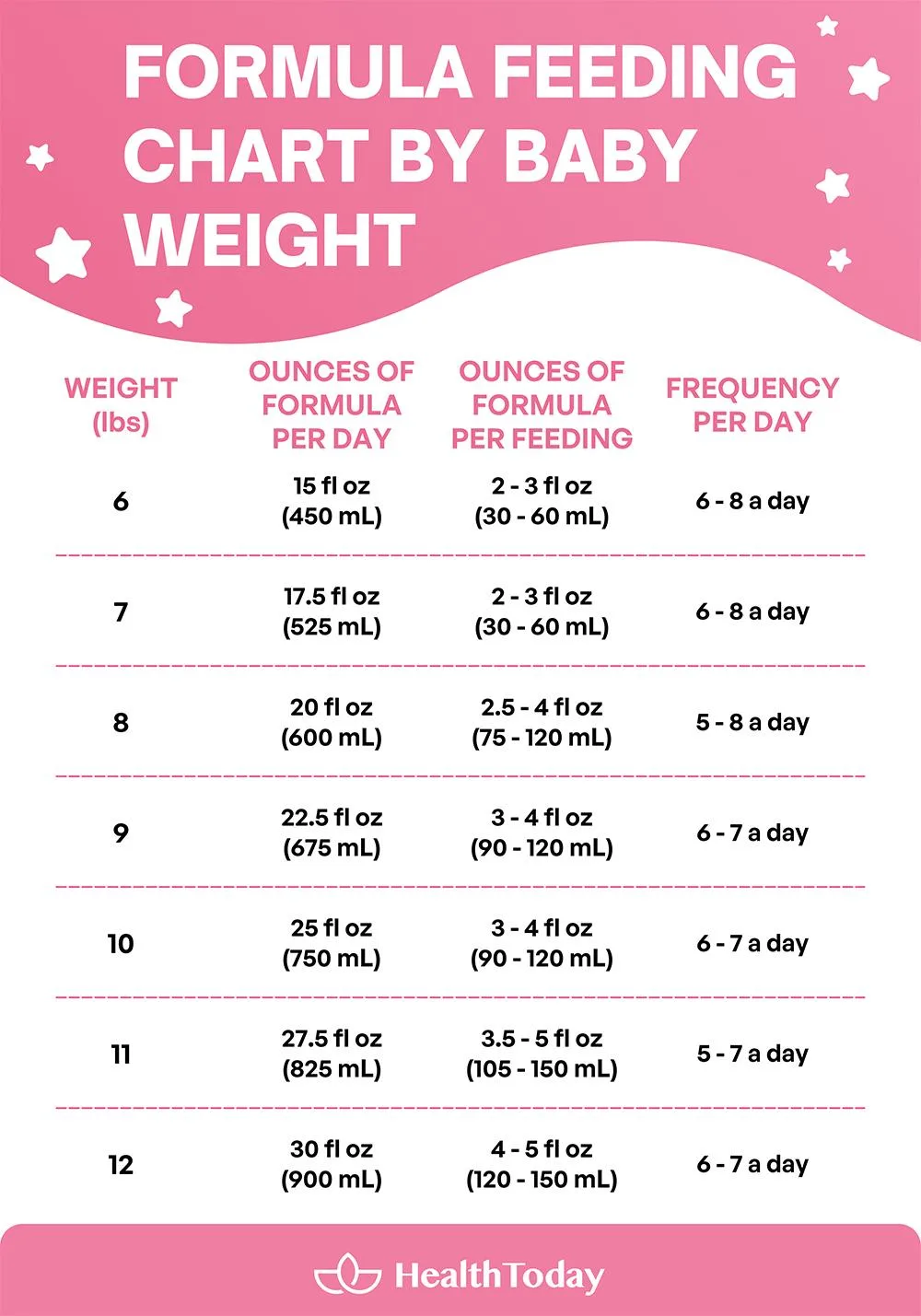
A Formula Feeding Chart By Weight is a simple, easy-to-read chart that outlines the recommended formula intake for infants based on their weight. It typically lists various weight ranges alongside the corresponding amount of formula (in ounces or milliliters) that your baby should consume at each feeding. This resource is especially useful for new parents who want to ensure they are meeting their baby’s dietary needs without excessive guesswork.
The chart usually adheres to the guidelines set forth by pediatricians and nutritionists, ensuring that you have a reliable reference. By following this chart, you can make informed decisions about how much formula to prepare, which in turn helps establish a consistent feeding routine.
How to Use the Formula Feeding Chart
Using the Formula Feeding Chart By Weight effectively involves a few simple steps:
- Download and Print: First, locate a reliable source for the chart. Many websites offer free printable versions. Choose a format that suits you; a PDF is often best for maintaining layout integrity when printed. When printing, use standard letter size (8.5 x 11 inches) for easy handling.
- Determine Your Baby’s Weight: Weigh your baby to get an accurate measurement. If your baby is still in the fluctuating weight range of newborns, consider weighing them weekly to monitor changes.
- Locate the Correct Weight Range: Once you have your baby’s weight, find the corresponding range on the chart. The ranges are usually grouped by pounds or kilograms, so be sure to look in the correct section.
- Check the Recommended Amount: Next to your baby’s weight range, you’ll see the recommended amount of formula to give. This is typically broken down into ounces or milliliters per feeding.
- Adjust as Necessary: Keep in mind that this chart serves as a guideline. Your baby’s appetite may vary, and it’s important to pay attention to hunger cues. If your baby consistently seems hungry after feeding, you may need to increase the amount slightly.
Digital Vs. Print Completion
You have two main options for completing the Formula Feeding Chart By Weight: digitally or by hand. Each method has its benefits.
Digital Completion
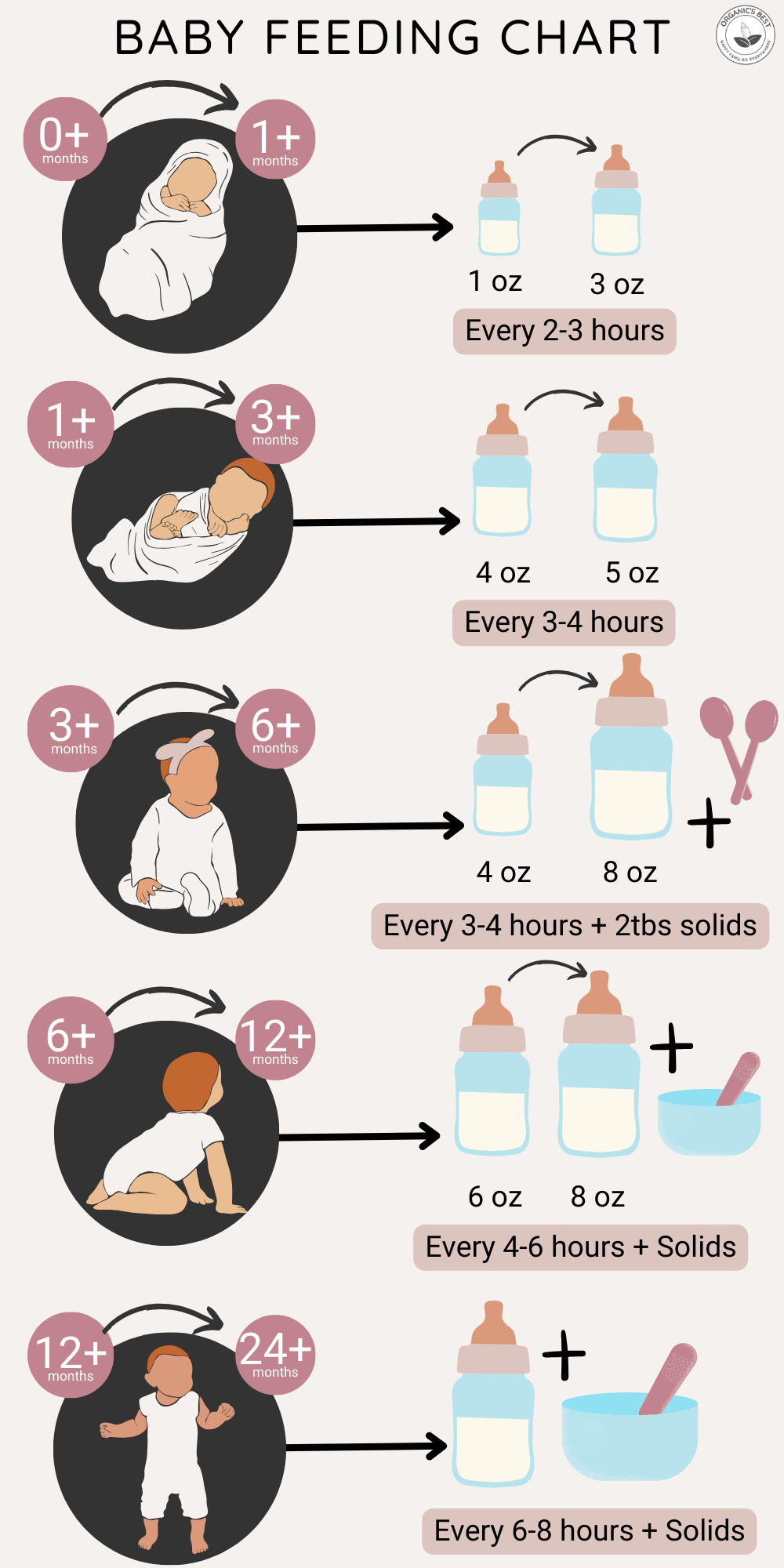
If you choose a fillable PDF version, you can enter your baby’s information directly on your device. This method allows for easy adjustments and saves you from having to rewrite everything if your baby’s weight changes. A digital chart can also be easily stored on your phone or computer for quick access.
Handwritten Completion
On the other hand, printing the chart and filling it in by hand can be more tactile and engaging. If you enjoy the process of writing things down, using a pen can help you better internalize the information. Just make sure to use a clear, legible handwriting style to avoid any confusion later on.
Incorporating the Chart Into Your Daily Routine
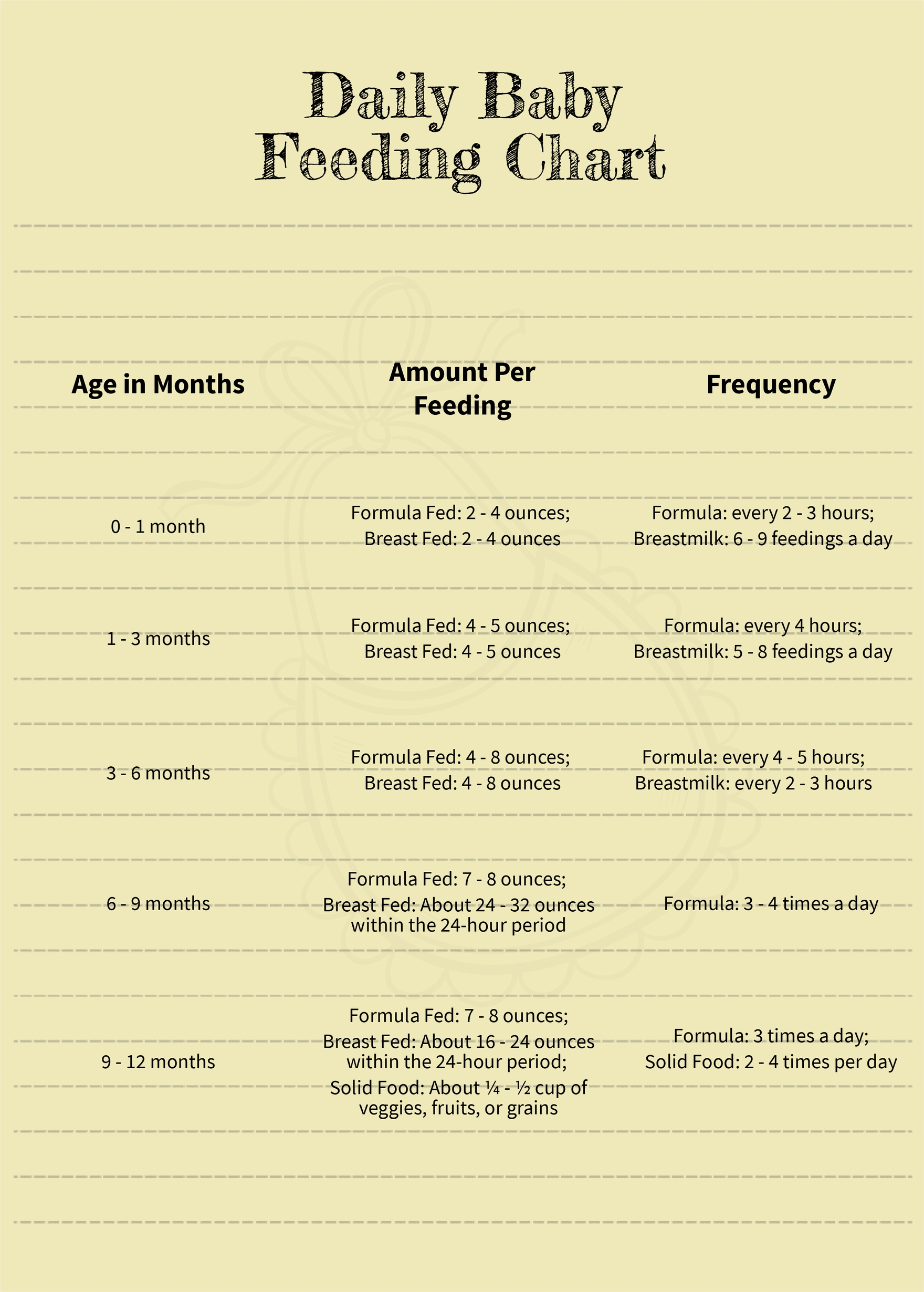
To make the most of your Formula Feeding Chart By Weight, integrate it into your daily routine. Here are a few tips:
- Keep It Accessible: Place the chart somewhere visible, like on your refrigerator or in your baby’s feeding area. This way, you can easily reference it during feeding times.
- Track Feeding Times: Alongside the chart, consider keeping a feeding log. Write down when you feed your baby and how much they consume. This can help you identify patterns and adjust your feeding schedule as necessary.
- Consult Your Pediatrician: Always discuss your baby’s feeding routine with your pediatrician. They can provide personalized advice based on your baby’s growth and nutritional needs.
- Review Regularly: As your baby grows, their feeding needs will change. Regularly review the chart to ensure you’re providing the appropriate amount of formula as they gain weight.
