When you’re looking to shed a few pounds, having a structured approach can make all the difference. A Dietitian Chart For Weight Loss serves as a practical tool to help you plan your meals, track your progress, and navigate your weight loss journey with ease. This chart organizes essential information, making it accessible and easy to follow.
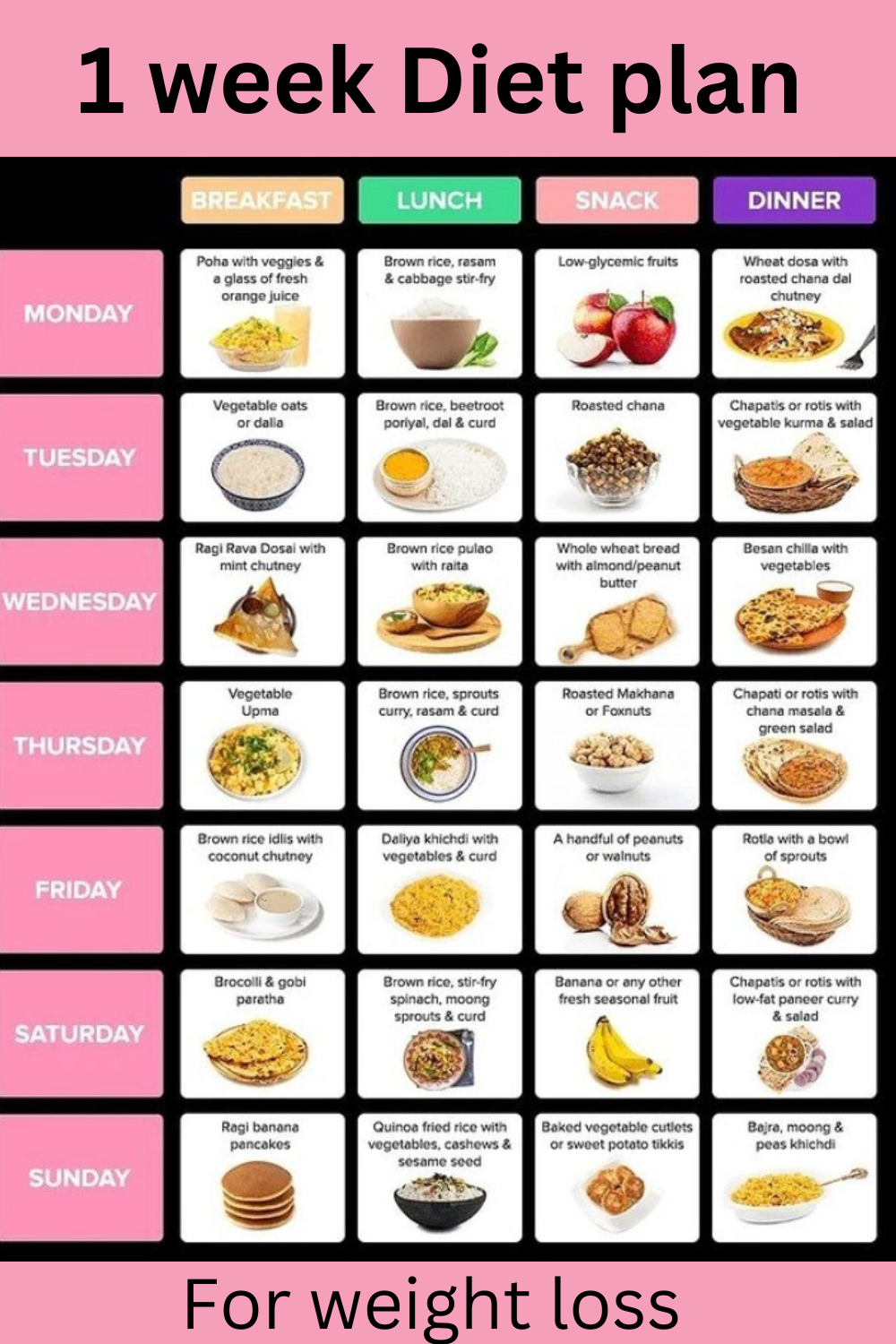
Understanding the Dietitian Chart
A Dietitian Chart For Weight Loss typically includes sections for meal planning, calorie counting, and tracking your daily intake of nutrients. It offers a clear layout that can help you see where adjustments need to be made. You’ll find areas to fill in what you eat, your portion sizes, and even your feelings about certain meals, which can help identify emotional eating patterns.
This chart usually breaks down into columns for each meal of the day: breakfast, lunch, dinner, and snacks. You can fill in what you plan to consume, making it easier to stick to your dieting goals. You can also note your water intake, which is crucial for any weight loss plan.
How to Use the Chart Effectively
You can choose to fill out the Dietitian Chart For Weight Loss digitally or print it out for manual use. If you prefer digital completion, a fillable PDF is an excellent option. This allows for easy adjustments without the hassle of rewriting. However, if you enjoy the tactile experience of writing, printing the chart can be satisfying and give you a physical record of your progress.
Filling It Out
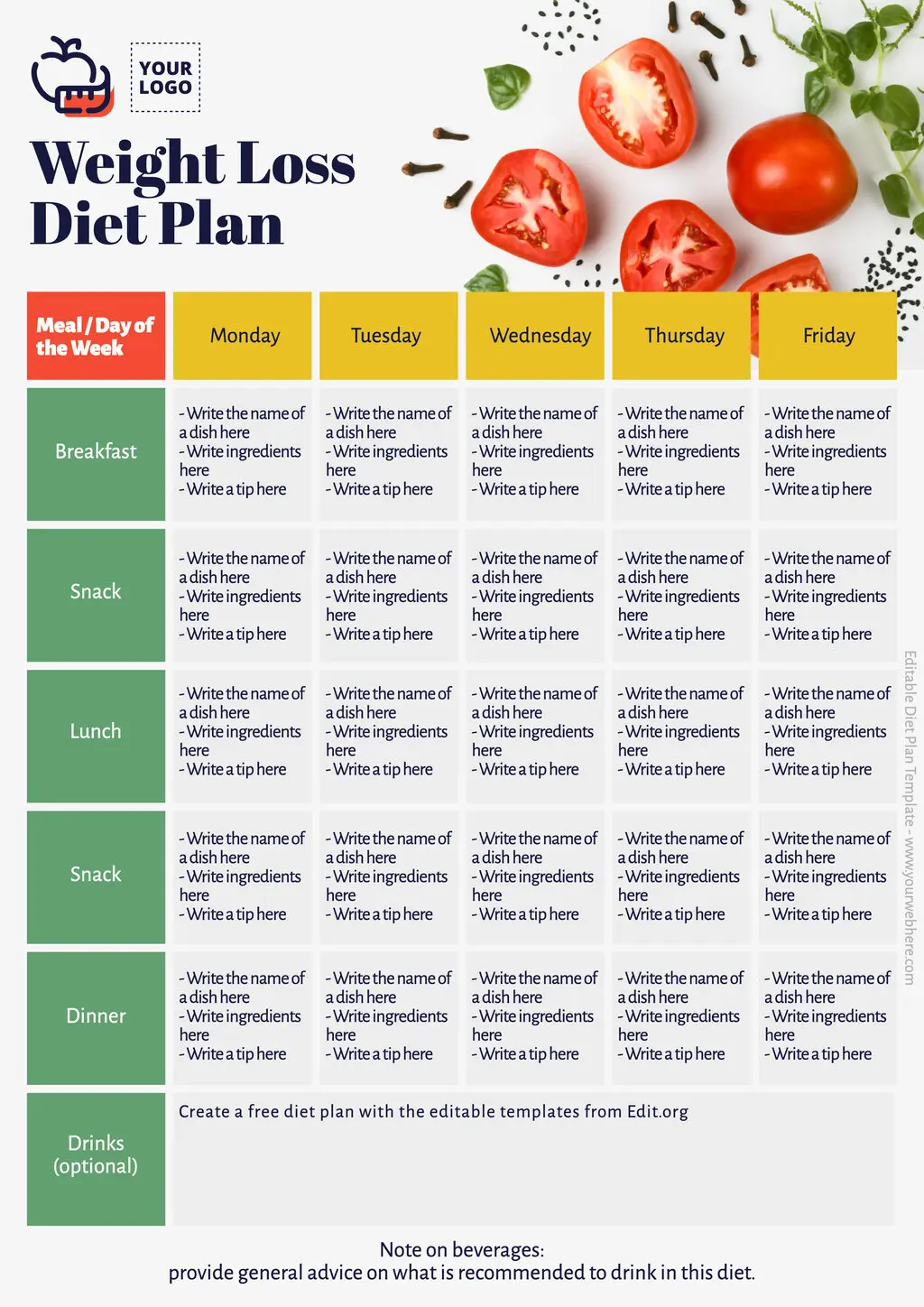
- Meal Planning: Start by planning your meals for the week. You may want to include a variety of proteins, vegetables, and healthy fats. This not only helps with weight loss but also ensures you’re getting a balanced diet.
- Calorie Counting: Use the chart to track your calorie intake. Many parents find it helpful to have a separate column where they can note the calorie count for each meal. This can help you stay within your daily limits.
- Nutrient Tracking: Make sure you’re getting enough vitamins and minerals. The chart can include a section for tracking your macronutrients, like carbs, proteins, and fats. This is especially useful if you’re following a specific diet plan.
- Reflection: At the end of the day or week, review what you’ve written. Reflecting on your meals and feelings can help you make necessary adjustments for the future.
Choosing the Right Format
When it comes to selecting a format for your Dietitian Chart For Weight Loss, consider how you plan to use it. Here are some options:
- Printable PDF: This format is ideal if you prefer writing things down by hand. It can be printed on standard letter-size paper (8.5 x 11 inches), which fits most home printers.
- Digital Fillable PDF: If you’re tech-savvy and want to keep everything organized digitally, this option allows you to fill in your meals without wasting paper. Plus, it’s easy to update as needed.
- Mobile-Friendly Version: Some charts are designed to be used on mobile devices. If you’re often on the go, having a version that fits on your smartphone can be incredibly handy.
Practical Tips for Success
- Set Realistic Goals: Use the chart to set achievable weekly goals. Whether it’s losing a specific number of pounds or simply incorporating more vegetables into your diet, having clear targets can help keep you motivated.
- Stay Consistent: Make it a habit to fill in your chart daily. Consistency is key to understanding your eating habits and making necessary changes.
- Involve the Family: If you’re a parent, consider involving your children in the meal planning process. This can teach them about healthy eating habits and make them more likely to try new foods.
- Review Regularly: Take time to review your chart weekly. This will help you identify areas where you can improve and celebrate your successes, no matter how small.
Common Challenges and Solutions
As you use your Dietitian Chart For Weight Loss, you may encounter some challenges. Here are a few common issues and practical solutions:
- Staying Motivated: It can be hard to stick with a diet. Consider setting up a reward system for when you meet your goals. Small rewards can help maintain your motivation.
- Time Management: If you find meal planning overwhelming, dedicate a specific time each week to plan and prepare meals. Batch cooking can save time and reduce stress during busy weekdays.
- Avoiding Boredom: Eating the same meals repeatedly can lead to burnout. Use your chart to experiment with new recipes. You can note what works and what doesn’t, keeping your meals exciting.
A Dietitian Chart For Weight Loss is not just about tracking numbers; it’s about creating a lifestyle that promotes healthy choices. By organizing your meals and reflecting on your eating habits, you empower yourself to make informed decisions. Whether you choose to fill it out digitally or print it, this chart can be an invaluable resource on your weight loss journey.
