When it comes to monitoring your child’s growth, a Chart Of Height And Weight And Age is an invaluable tool. This chart allows you to track your child’s growth patterns over time, ensuring they are developing in a healthy manner. With just a few clicks, you can download and print a chart that fits your family’s needs.
Understanding the Purpose of the Chart
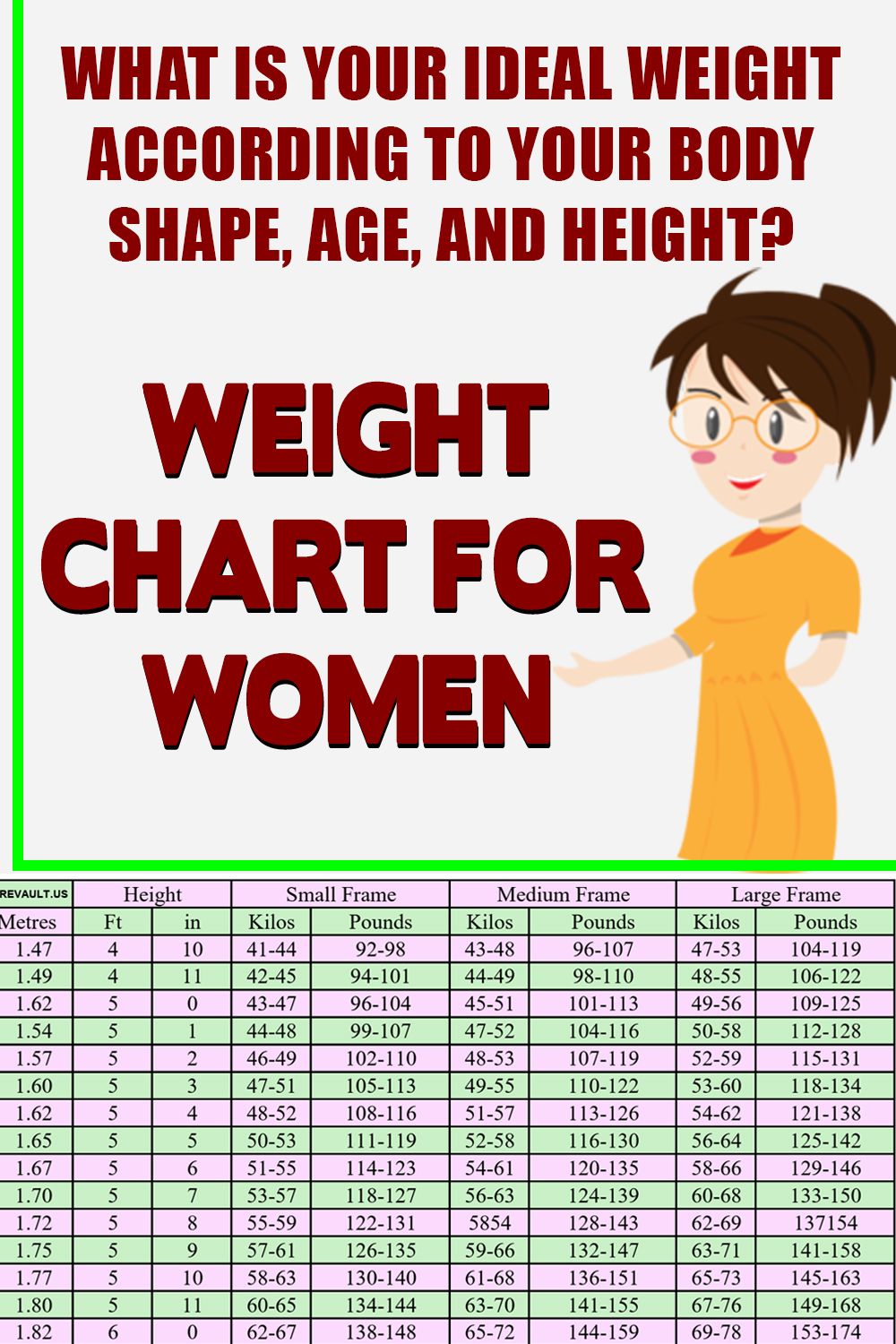
A height and weight chart is designed to help parents and caregivers assess whether a child is growing at a healthy rate. It provides a visual representation of how your child’s measurements compare to standard growth percentiles. This way, you can easily see if they are on track or if there might be any concerns that require a visit to the pediatrician.
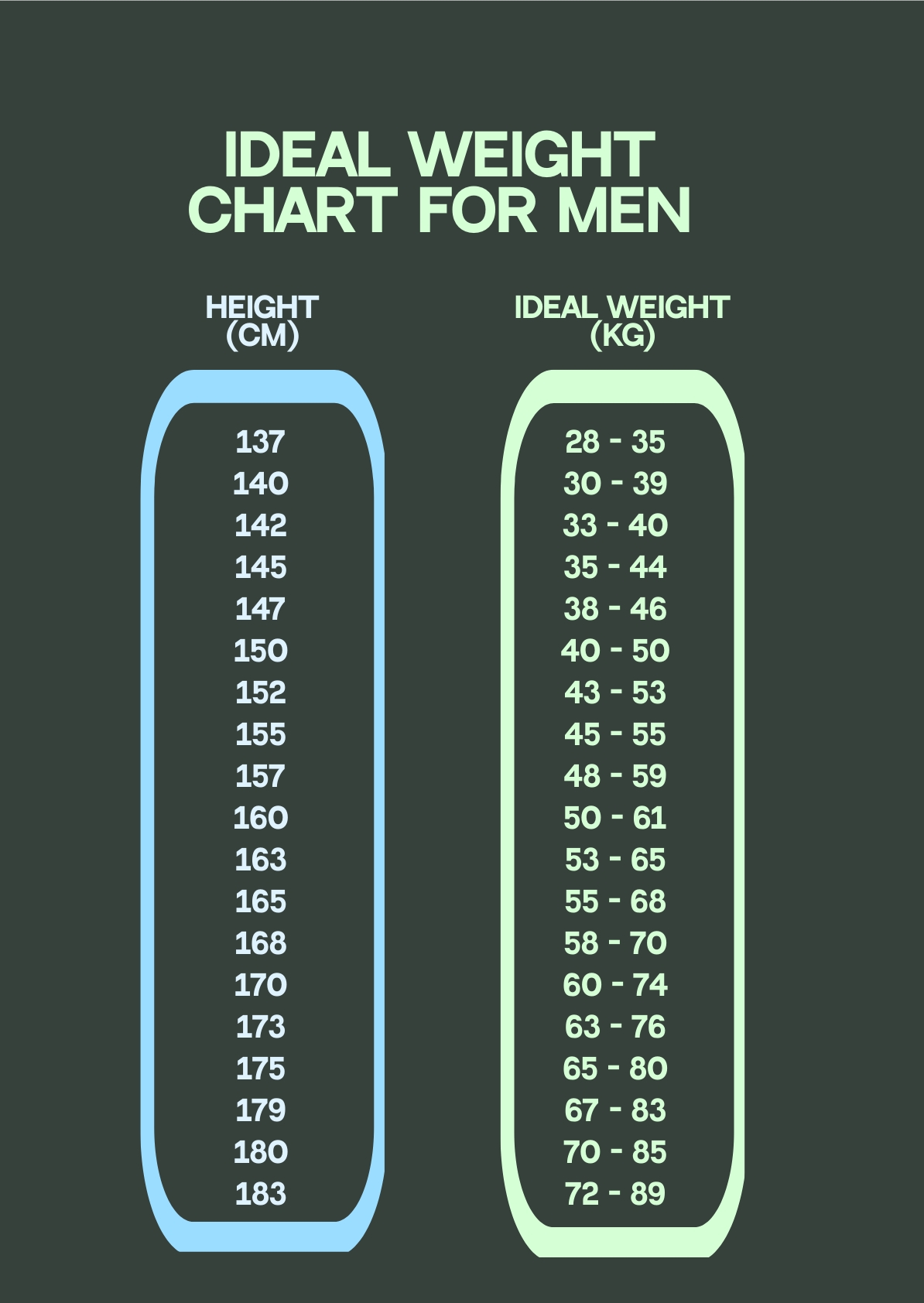
The chart typically includes age ranges from infancy through adolescence, making it useful for parents of children at any developmental stage. Each age category has corresponding height and weight ranges, which are often based on data from health organizations.
How to Use the Chart Effectively
Using a height and weight chart effectively involves a few key steps:
- Gather Accurate Measurements: Before you start filling in the chart, ensure you have accurate measurements. For height, use a stadiometer or a wall-mounted measuring tape. For weight, a digital scale works best. Make sure to measure your child at the same time of day for consistency.
- Record the Data: Write down your child’s height and weight in the appropriate columns on the chart. Make sure to note the date of the measurement. This helps you track growth over time.
- Interpret the Data: After you’ve filled in the chart, look at where your child’s measurements fall on the growth curves. If they’re consistently below the 5th percentile or above the 95th percentile, consider discussing this with your pediatrician.
- Regular Updates: Make it a habit to measure your child every few months, especially during pediatric appointments. Regular updates will give you a clearer picture of their growth trends.
Creating a routine around updating this chart can be helpful. You could choose to do it every month or after each well-child visit, making it a part of your family’s health check-in.
Where to Find Printable Charts
Printable charts can be found on various educational and health websites. Most offer free downloadable versions in PDF format, making it easy to print at home. Here are a few options to consider:
- Health Organization Websites: Sites like the CDC or WHO often provide growth charts that are based on extensive research and are updated regularly.
- Parenting Blogs: Many parenting websites offer customizable charts, allowing you to personalize them for your child’s specific details.
- Educational Resource Sites: Websites that focus on educational printables often have height and weight charts among their offerings.
When selecting a chart, look for one that is easy to read and understand. A clear layout with distinct lines for age, height, and weight will make it easier to track and interpret your child’s growth.
Tips for Filling Out the Chart
When filling out your Chart Of Height And Weight And Age, keep these tips in mind:
- Use Consistent Units: Stick to either centimeters and kilograms or inches and pounds to avoid confusion.
- Highlight Milestones: Mark significant growth milestones on the chart, like when your child first hits a new percentile. This can help you visualize their growth journey.
- Engage Your Child: If your child is old enough, involve them in the process. Explain why tracking their growth is important and let them help fill out the chart. This can make it a fun activity rather than a chore.
The Importance of Monitoring Growth
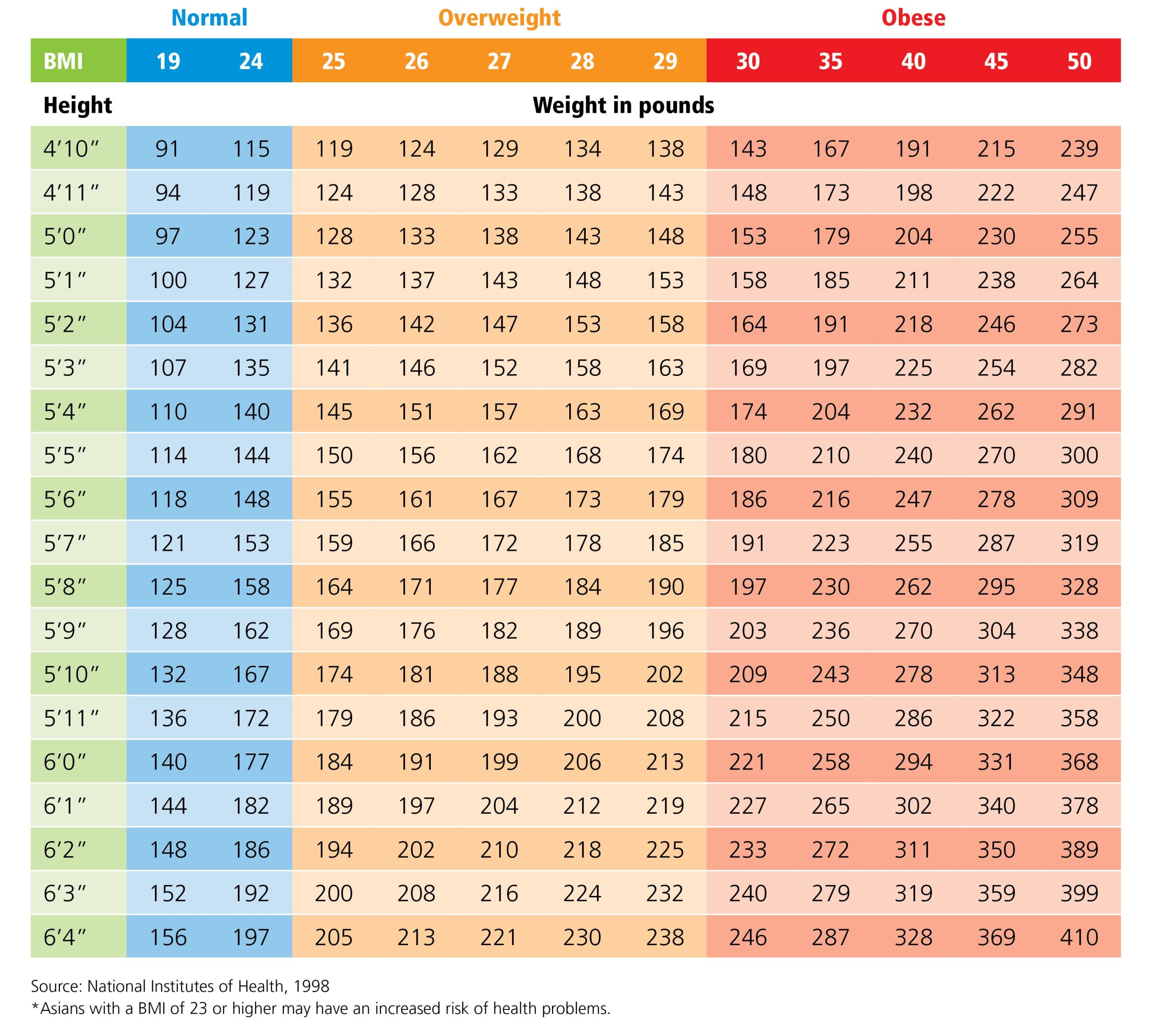
Monitoring your child’s growth with a Chart Of Height And Weight And Age is not just about keeping track of numbers; it’s about understanding their overall health and development. Regularly checking in on their growth can help you spot trends early, allowing for timely interventions if needed.
It’s also a great way to celebrate your child’s growth. You can create a scrapbook or a growth journal that includes the chart and other milestones, such as first days of school or achievements in sports. This adds a personal touch and makes the measurement process more meaningful.
