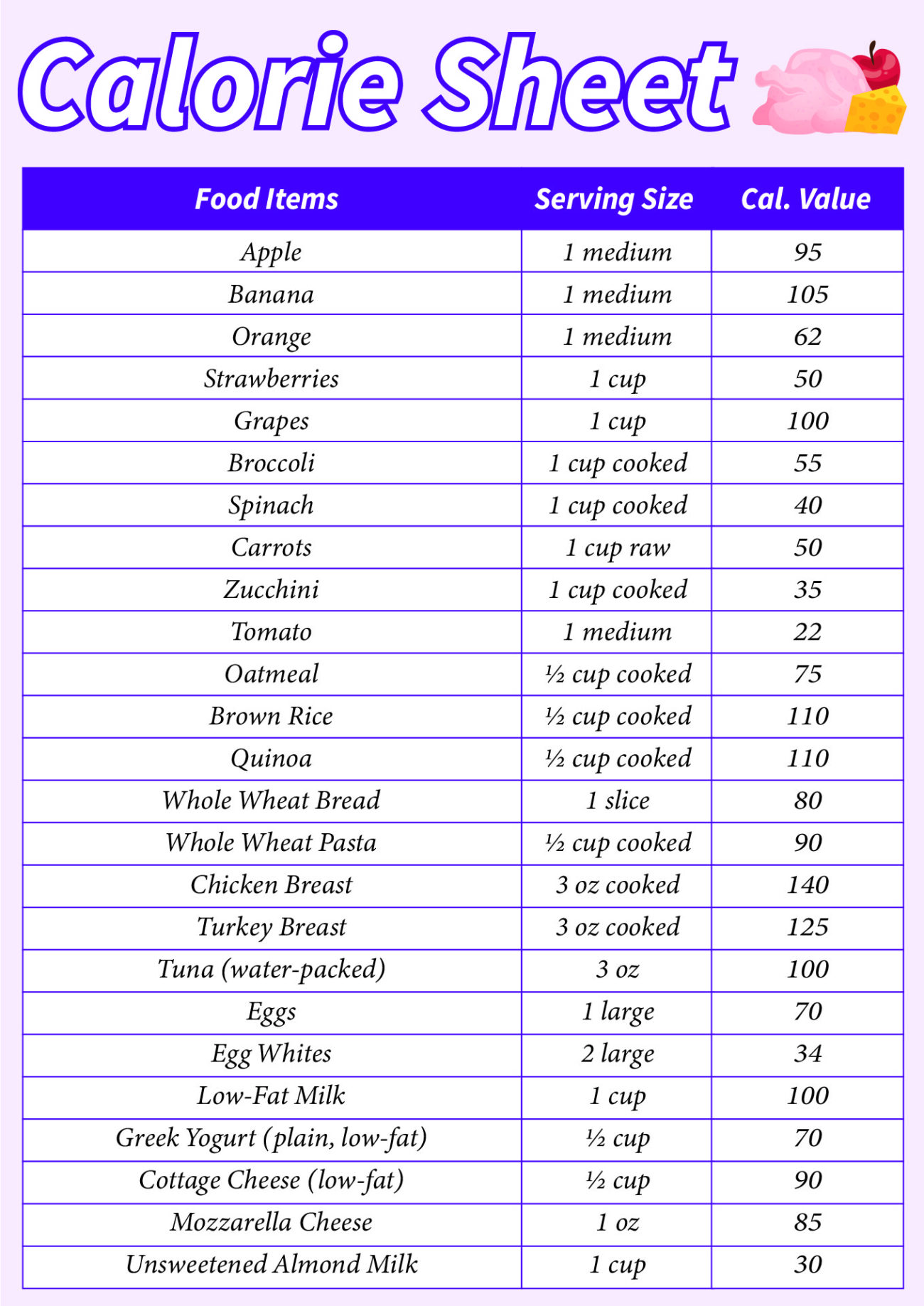
When it comes to managing weight, a Calories And Weight Loss Chart can be a vital tool for parents looking to help their families lead healthier lives. This resource helps you track calorie intake and monitor weight loss progress effectively, making it easier to understand how dietary choices impact overall health. In this article, I’ll share practical insights on how to use this chart, who it’s best suited for, and tips for maximizing its effectiveness in your daily routine.
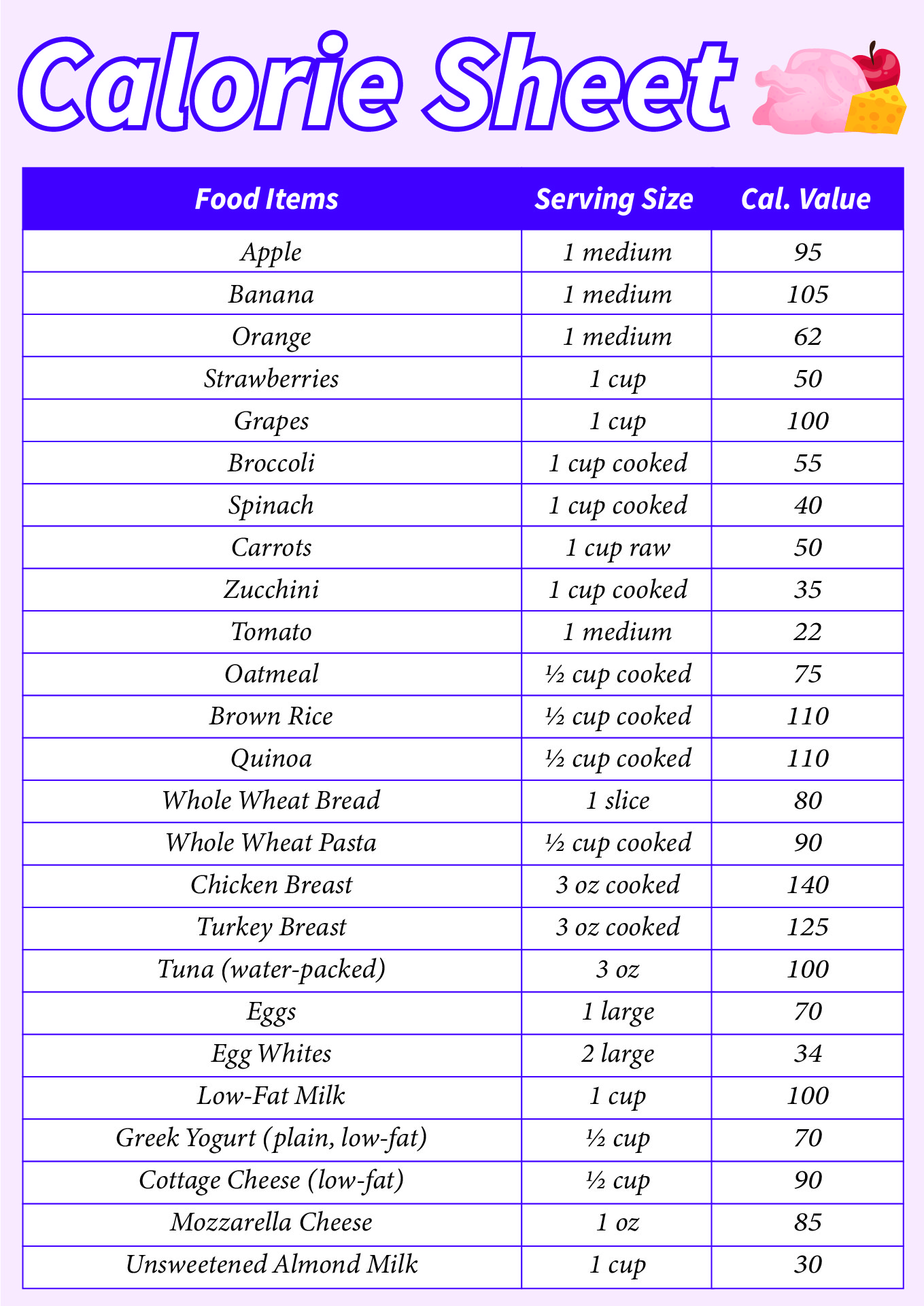
Understanding the Calories And Weight Loss Chart
A Calories And Weight Loss Chart typically includes a structured layout that allows you to record daily calorie intake, weight measurements, and any notes regarding dietary habits or physical activity. This format not only keeps you organized but also helps you identify patterns over time, such as how specific foods affect your weight.
You can usually find these charts in several formats, including printable PDFs and downloadable Excel sheets. The ability to choose a format that suits your needs makes it accessible for everyone, from busy parents to fitness enthusiasts.
How to Use the Chart Effectively
To get started with your Calories And Weight Loss Chart, follow these steps:
- Set Clear Goals: Before diving in, decide on your weight loss or maintenance goals. Are you aiming to lose a specific number of pounds, or are you focusing on eating healthier? Having a clear target will guide your tracking.
- Daily Tracking: Each day, record the calories of everything you eat. This can be done using nutritional labels, online databases, or apps. Be diligent about this step; consistency is key.
- Weigh Yourself Regularly: Ideally, weigh yourself at the same time each day, preferably in the morning after using the restroom. Record your weight on the chart to visualize your progress.
- Reflect on Your Entries: At the end of each week, take some time to review your entries. Look for trends—are there specific days when you eat more? Do certain meals lead to better weight management? This reflection can help adjust your habits moving forward.
- Adjust As Needed: If you find that your weight isn’t changing in the direction you want, revisit your calorie intake and physical activity levels. Sometimes, small adjustments can yield significant results.
Ideal Users of the Calories And Weight Loss Chart
This chart is beneficial for a wide range of users:
- Parents: If you’re trying to instill healthy eating habits within your family, this chart can help you track not only your intake but also your kids’. It encourages everyone to think about what they eat.
- Individuals on a Diet: Whether you’re following a specific diet plan or just want to eat healthier, this chart helps you remain accountable and aware of your choices.
- Fitness Enthusiasts: For those who are heavily involved in fitness, keeping track of calorie intake alongside workout routines can optimize performance and recovery.
Common Mistakes to Avoid
While using a Calories And Weight Loss Chart, it’s easy to make a few common mistakes:
- Neglecting to Track Snacks: Small snacks can add up quickly, so be sure to include everything you consume, no matter how minor it seems.
- Inconsistency: If you skip days or forget to weigh in regularly, the data becomes less reliable. Make it a habit to fill in your chart daily.
- Ignoring Portion Sizes: It’s essential to measure your food portions accurately. Estimating can lead to underreporting or overreporting calories, skewing your results.
Where to Get Your Calories And Weight Loss Chart
You can download a variety of Calories And Weight Loss Charts from websites dedicated to printable resources. Many offer free, customizable options. Look for templates that allow for easy entry of your data and have enough space for notes.
Printable Vs. Digital Options
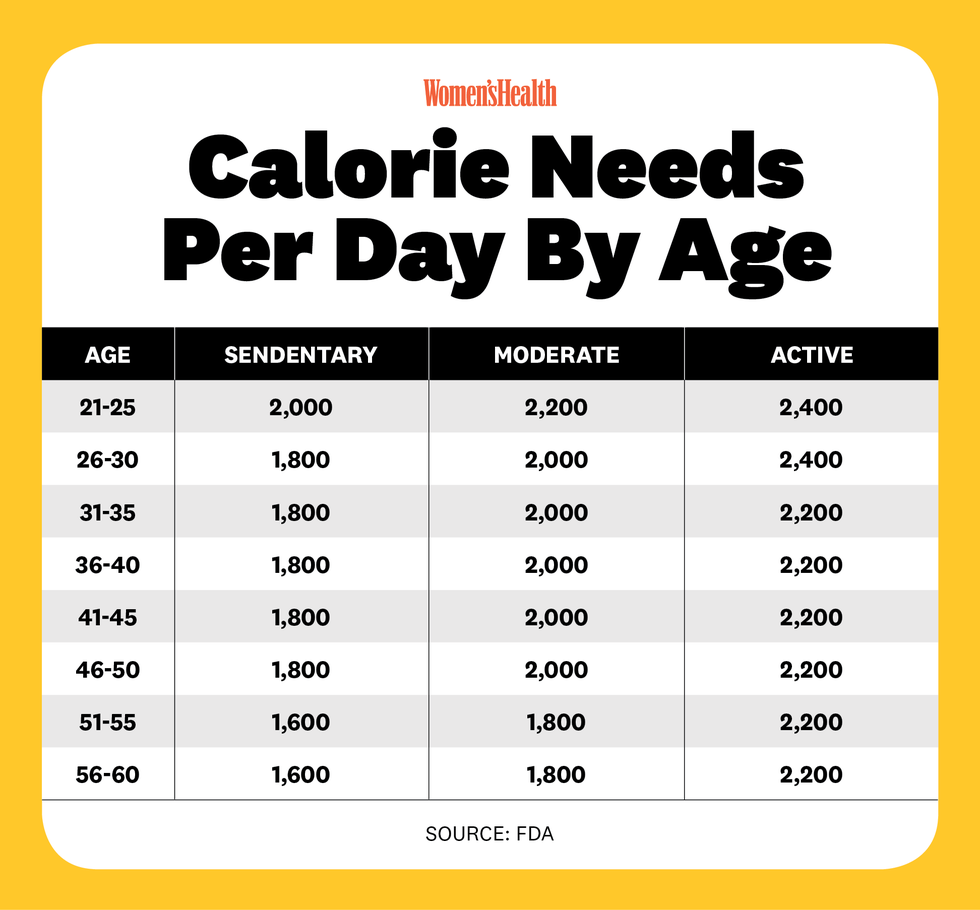
- Printable Charts: These are great for those who prefer writing things down. They can be hung on the fridge or kept in a planner for easy access.
- Digital Charts: If you’re more tech-savvy, consider using a digital version that can sync with your smartphone or computer. This allows for quick updates and may even offer additional features like calorie counting apps.
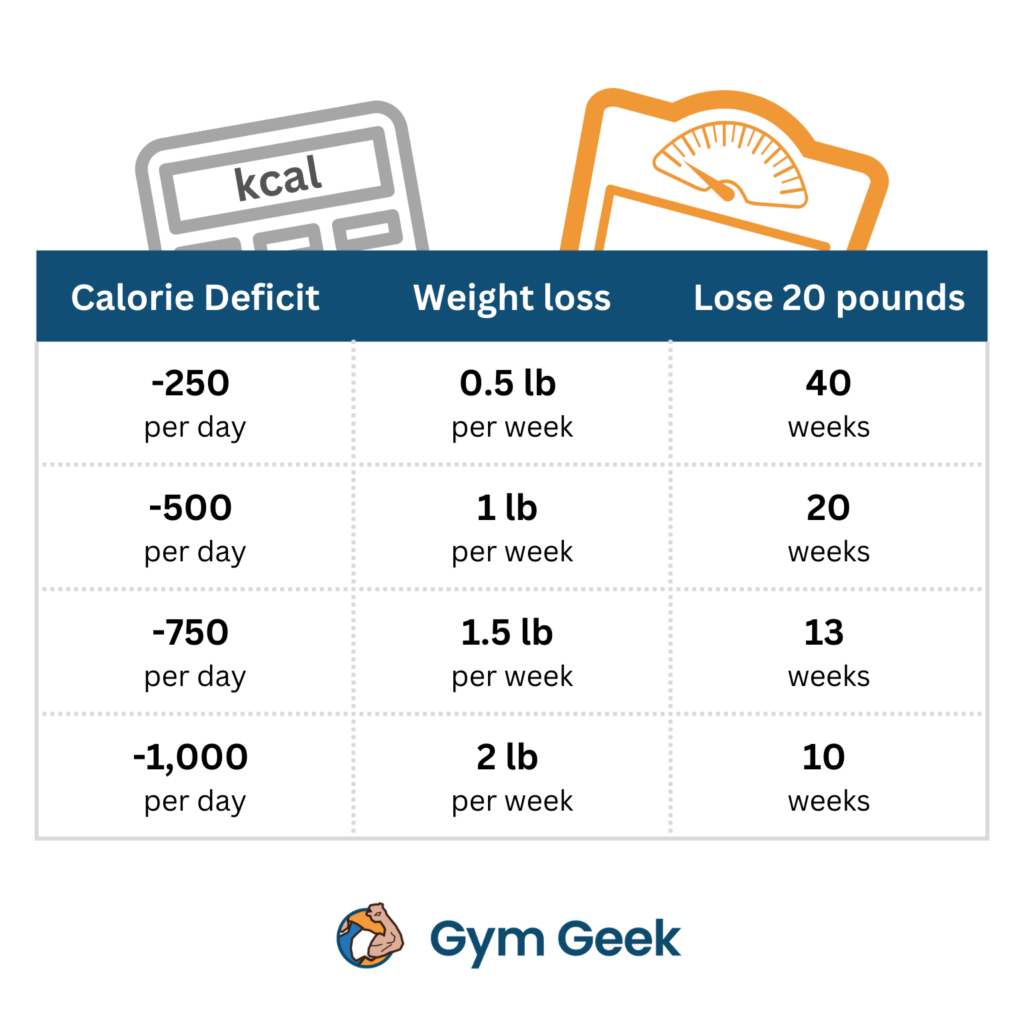
Incorporating the Chart Into Your Routine
To effectively integrate the Calories And Weight Loss Chart into your daily life, try these strategies:
- Set Reminders: Use your phone or a calendar to remind you to fill out the chart at a specific time each day.
- Involve the Family: If you’re tracking your family’s eating habits, make it a fun activity. Sit down together once a week to review everyone’s progress and share tips.
- Celebrate Milestones: Recognize when you hit specific goals, whether it’s losing a certain number of pounds or sticking to your plan for a month. Celebrating these achievements reinforces positive behavior.
By using a Calories And Weight Loss Chart thoughtfully, you can foster a healthier lifestyle for yourself and your family. This resource not only helps you stay accountable but also encourages mindful eating habits that can lead to lasting changes. Whether you choose to print it out or keep it digital, the key is consistency and reflection.
