Tracking calories can be a useful option when it comes to losing weight. A Calorie Chart To Lose Weight helps you monitor what you eat and stay accountable. It acts as a visual tool that can simplify your food choices and ensure you’re sticking to your goals. In this article, I’ll guide you through how to use this resource effectively, share tips on filling it out, and explain how it fits into your daily routine.
Understanding the Calorie Chart
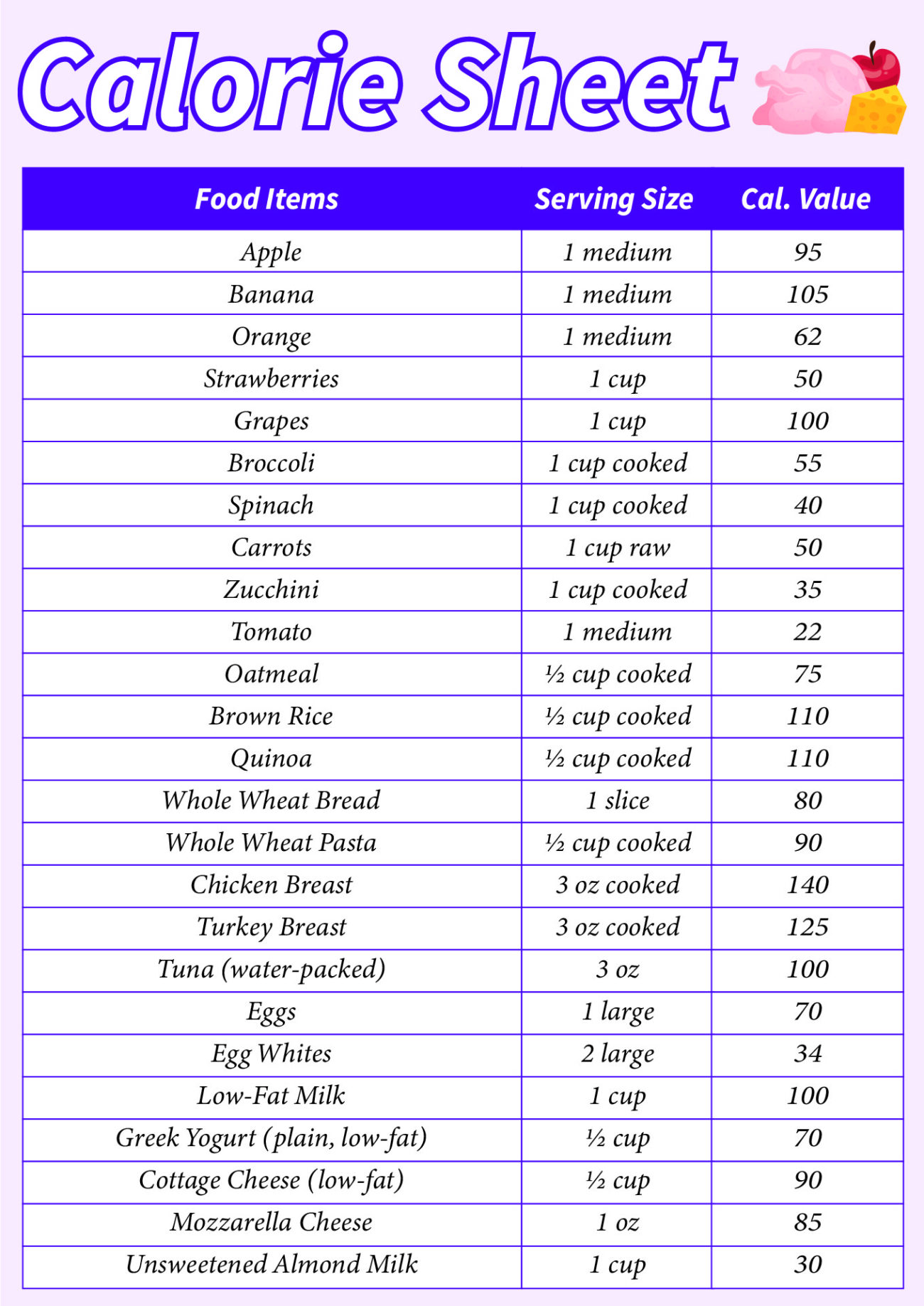
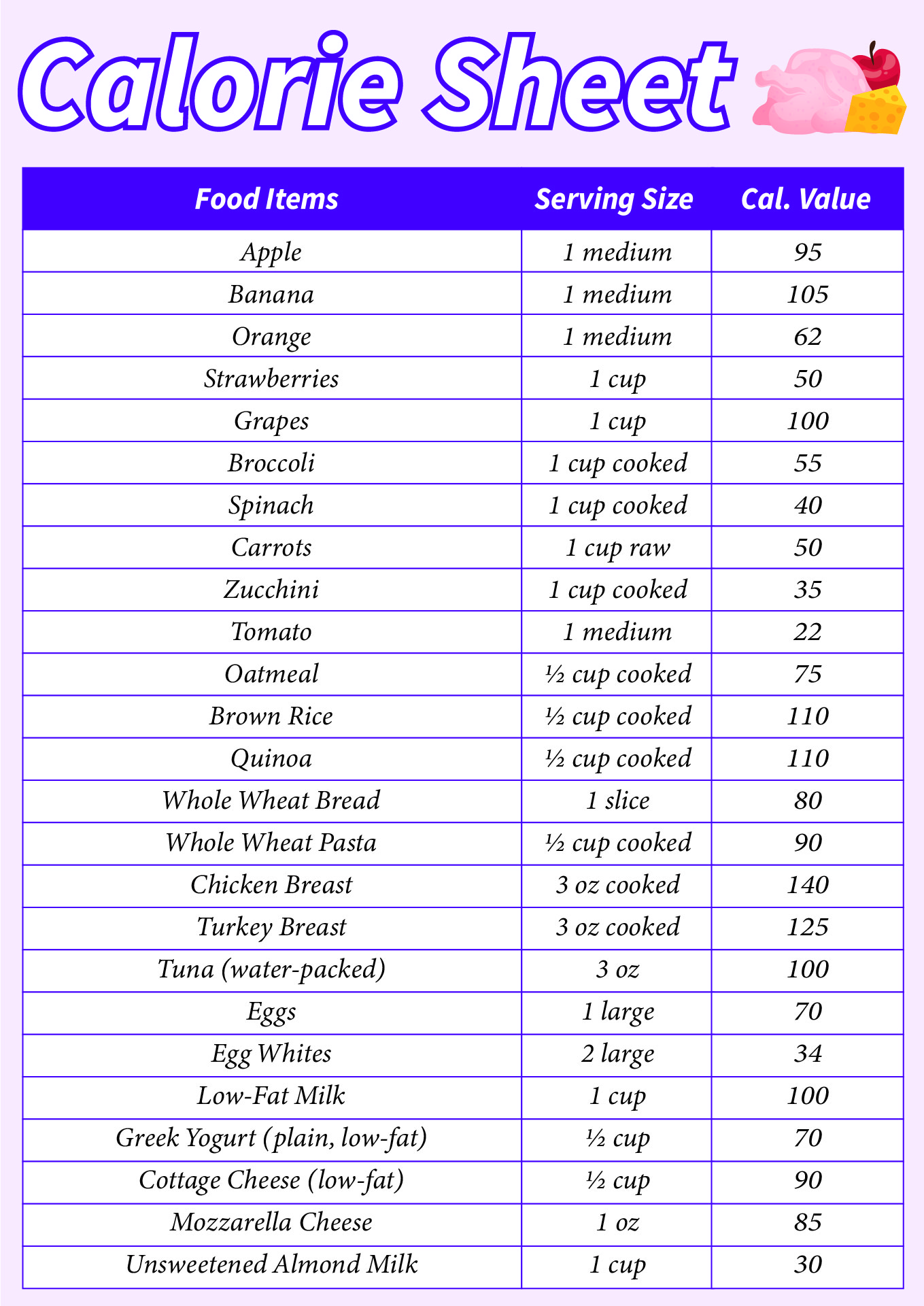
A calorie chart is essentially a table that lists various foods along with their calorie counts. This chart usually includes different categories, such as fruits, vegetables, grains, proteins, and snacks. By having this information organized, you can easily see how many calories you’re consuming throughout the day.
When using a calorie chart, you’ll want to focus on:
- Serving Sizes: Each food item will have a corresponding serving size. This is important because the calorie count varies based on how much you eat. Make sure to measure your portions accurately.
- Caloric Values: The chart will list the calorie content for each food item. Use this information to plan your meals and snacks.
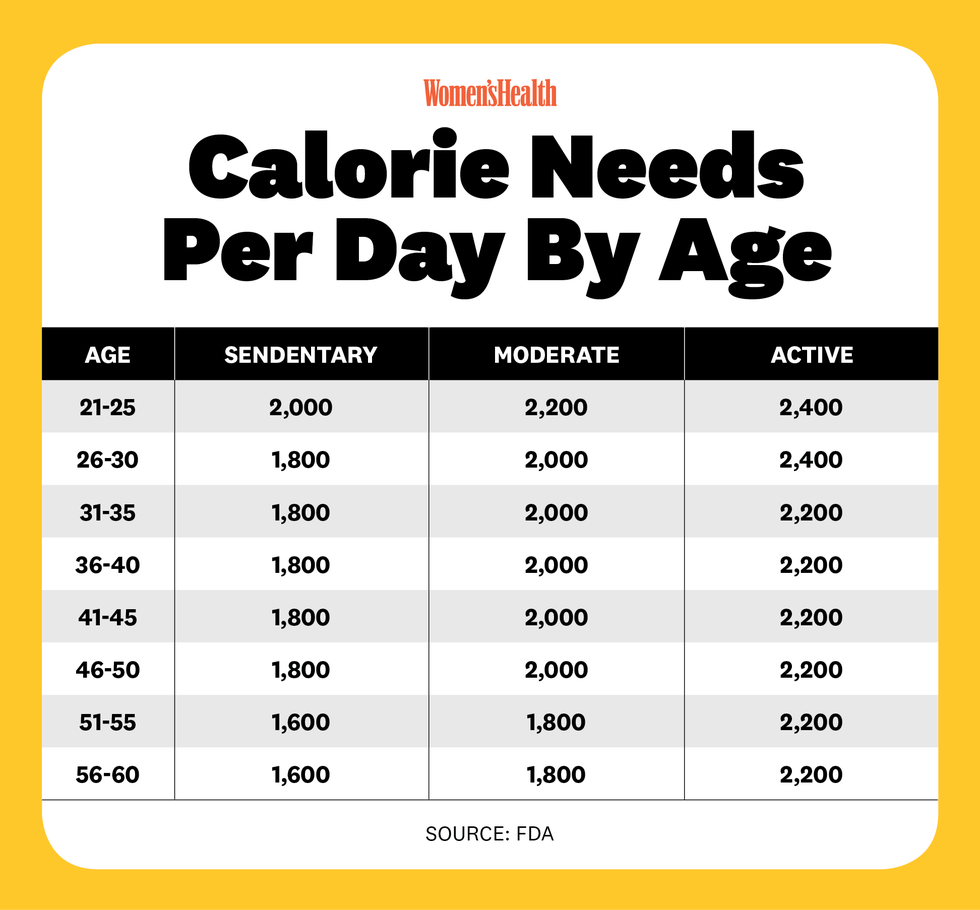
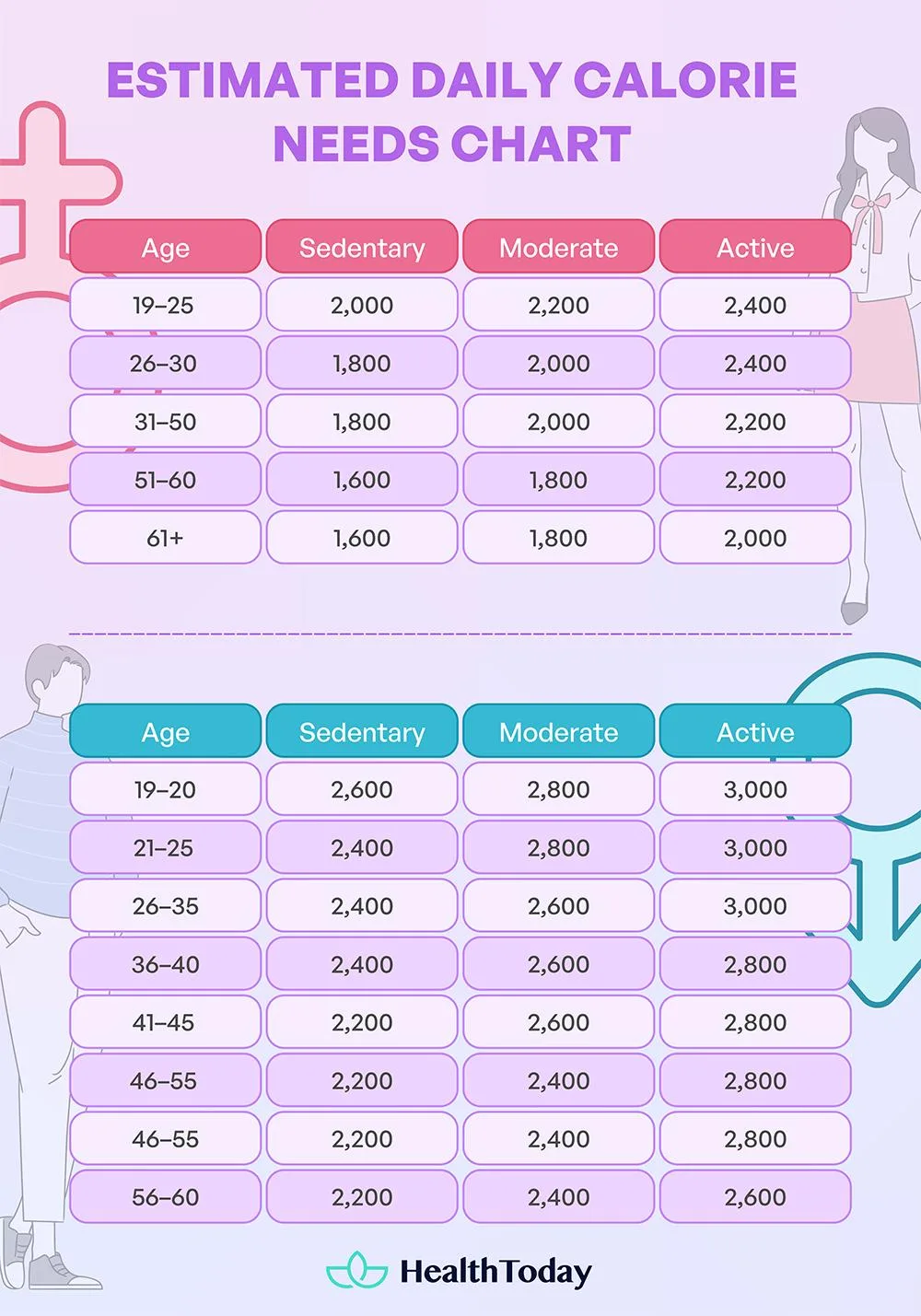
- Daily Goals: Depending on your weight loss goals, you should have a target calorie intake. This will help you understand how to balance your meals and snacks throughout the day.
How to Use the Calorie Chart Effectively
Using a calorie chart is straightforward, but it does take a bit of practice. Here’s how to get started:
- Download and Print: Look for a printable calorie chart that suits your needs. Ensure it’s in a format that is easy to read. I prefer using a PDF version as it maintains the layout well when printed.
- Set Your Caloric Goals: Before diving into the chart, determine your daily caloric needs. There are many online calculators that can help you estimate this based on your age, weight, height, and activity level.
- Fill in Your Meals: As you prepare your meals, write down what you eat along with the corresponding calories. This can be done in real-time or at the end of the day. Keeping track helps you stay mindful of your intake.
- Review Weekly: At the end of the week, review your chart. Are there patterns in your eating habits? Are you exceeding your caloric goals on certain days? Understanding these trends can help you make adjustments.
- Be Flexible: Weight loss isn’t linear. Some days you might go over your goals, and that’s okay! Use the chart as a guide, not a strict rulebook.
Where to Use Your Calorie Chart
Integrating your calorie chart into your daily routine can make it more effective. Here are some suggestions on where and how to use it:
- Meal Prep: When planning meals for the week, refer to your calorie chart to ensure you’re including a balance of food groups and staying within your calorie goals.
- Grocery Shopping: Bring your calorie chart along when shopping. This can help you make better choices and avoid high-calorie foods that don’t fit your plan.
- Family Meals: If you’re cooking for your family, you can use the calorie chart to ensure meals are nutritious and balanced. It’s a great way to set a healthy example for your kids.
Tips for Maintaining Your Calorie Chart
Keeping your calorie chart updated is key to its effectiveness. Here are some practical tips:
- Use Color-Coding: Different colors can represent different food groups or calorie ranges. This visual aid can help you quickly assess your intake.
- Incorporate Snacks: Don’t forget to include snacks in your calorie count. It’s easy to overlook these, but they can add up.
- Use Apps: If you prefer digital tracking, there are plenty of apps available that can help you log your calories. Many of these apps have built-in calorie charts, making them a convenient alternative.
Next Steps After Downloading Your Calorie Chart
Once you have your Calorie Chart To Lose Weight printed and ready, it’s time to get started. Begin tracking your meals and stay consistent. Remember, the goal is not just to lose weight but to create healthy habits that will last a lifetime. You can adapt your chart over time based on what works best for you. Setting small, achievable goals can keep you motivated, and don’t hesitate to adjust your calorie targets based on your progress. Happy tracking!
