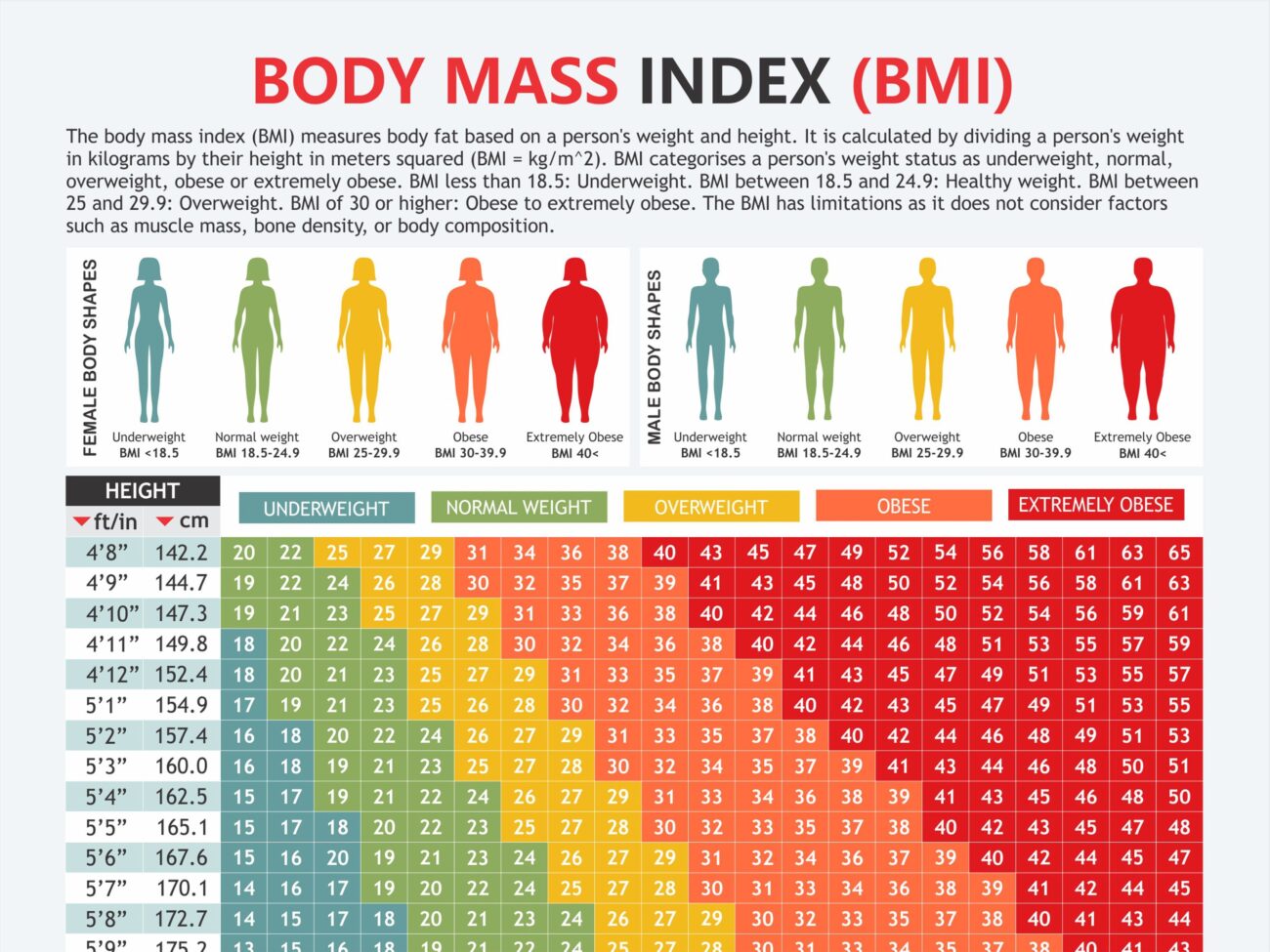
Understanding how to maintain a healthy weight is essential for your family’s well-being, and a Body Mass Index Age Height Weight Chart can be a helpful tool in this journey. This chart provides a way to assess whether an individual has a healthy weight based on their height and age. With the right information, you can make informed decisions about diet and exercise for yourself and your children.
What is the Body Mass Index (BMI)?
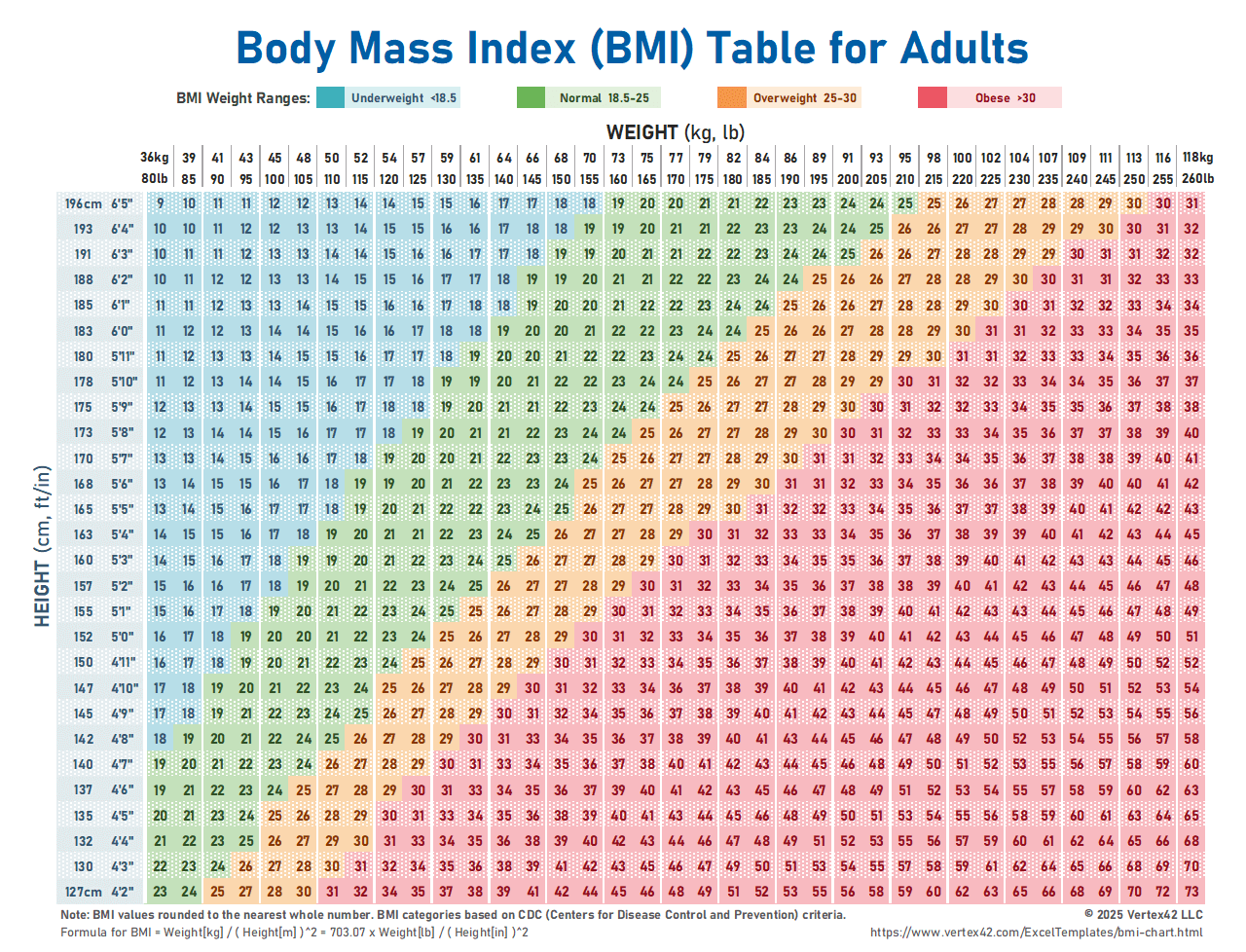
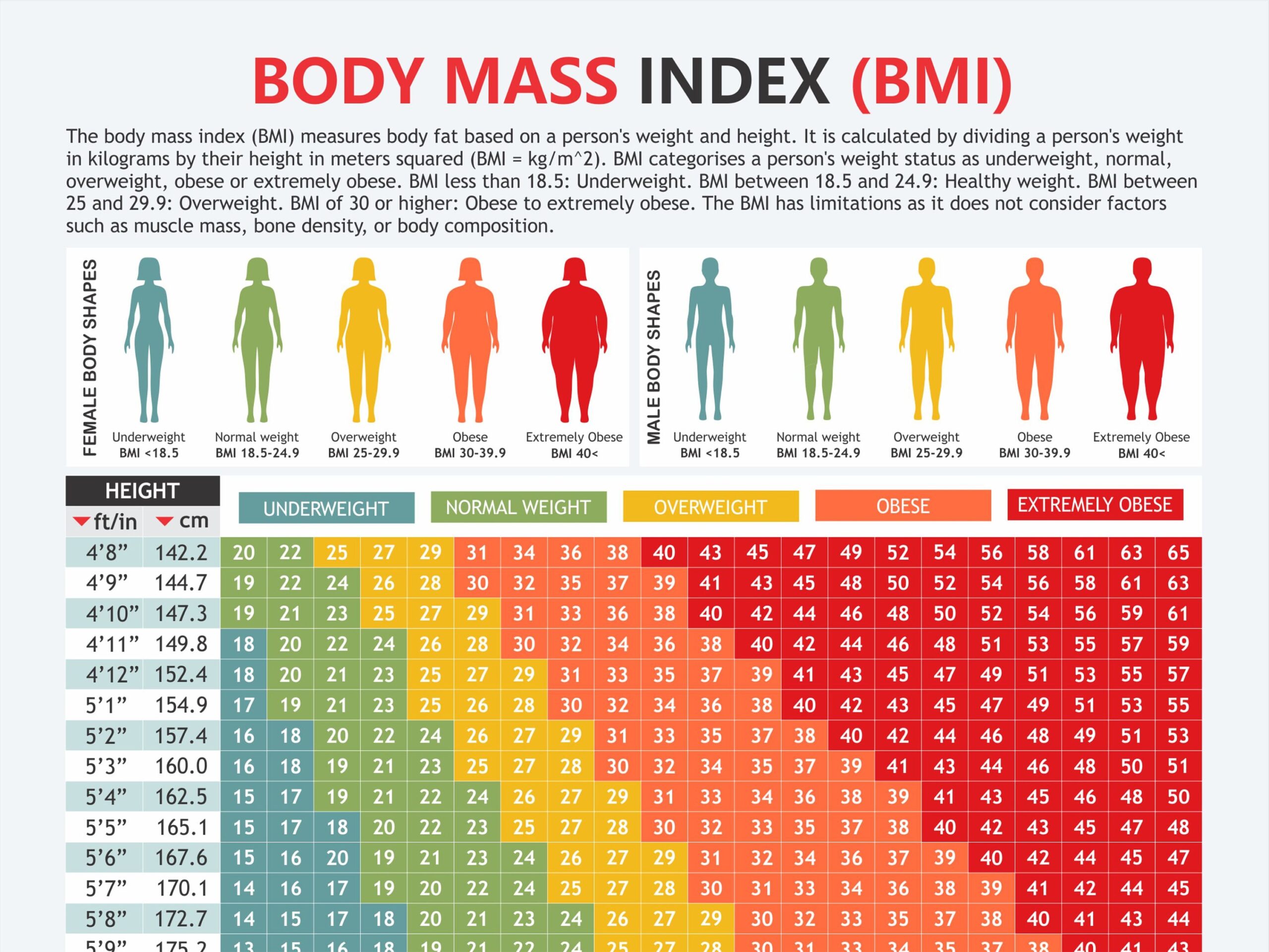
Body Mass Index (BMI) is a measurement that helps gauge whether a person is in a healthy weight range. It is calculated by taking a person’s weight in kilograms and dividing it by their height in meters squared. This means that for kids and teens, BMI also takes age and sex into account, since body composition varies at different stages of growth. Using the Body Mass Index Age Height Weight Chart allows you to visualize where your child’s BMI falls in relation to their peers, which can be particularly useful for parents wanting to track growth and health.
How to Read the Body Mass Index Age Height Weight Chart
Reading the chart is straightforward once you understand its layout. Typically, the chart includes:
- Age Ranges: The vertical axis lists the ages, usually from 2 to 19 years old.
- Height: The horizontal axis displays height in inches or centimeters.
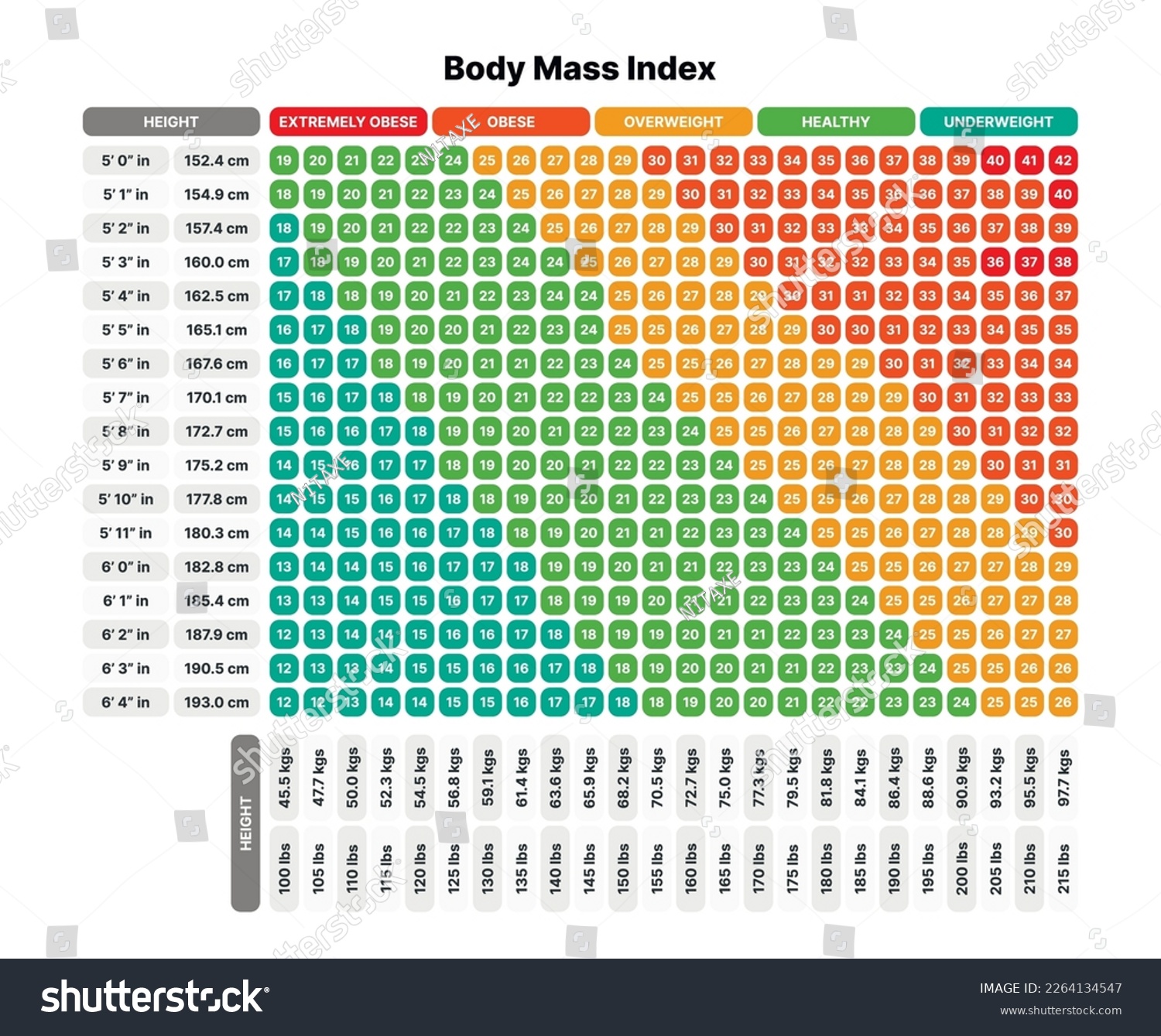
- Weight Categories: The body mass index is represented in color-coded ranges that indicate underweight, healthy weight, overweight, and obesity.
To use the chart effectively, find your child’s age along the vertical axis, then follow horizontally to their height. From there, you can see which weight range their weight falls into. This visual representation makes it easy to spot whether a child is underweight, at a healthy weight, overweight, or considered obese.
Downloading and Printing the Chart
You can typically find the Body Mass Index Age Height Weight Chart in printable PDF format on health organization websites or educational resources. When it comes to printing, here’s how to get the best results:
- Choose the Right Paper: Standard letter size (8.5 x 11 inches) usually works well, but if you prefer larger visuals, look for a chart that can print on A3 paper.
- Print Settings: Make sure your printer settings are adjusted for quality. If your printer has a ‘portrait’ option, choose that for better alignment.
- Laminating: Consider laminating the printed chart if you plan to use it frequently. This will help preserve it for longer, especially if you want to write on it with dry-erase markers.
You can fill in some details directly on the printed chart, or if you prefer a digital approach, many charts come in fillable PDF formats that let you enter your child’s height and weight directly on your device.
Using the Chart in Your Family’s Routine
Integrating the Body Mass Index Age Height Weight Chart into your family’s health routine can be beneficial. Here’s how you can make it a regular part of your health monitoring:
- Regular Check-ins: Weigh and measure your child at regular intervals—every few months is a good benchmark. Record the measurements on the chart to track changes over time.
- Discuss with Your Child: Use this opportunity to talk about healthy habits. Discuss why maintaining a healthy weight is important and how it relates to their overall health.
- Set Goals Together: If the chart indicates that your child is in an unhealthy weight range, work together to set achievable goals. This could include adding more physical activity to their day or encouraging healthier eating habits.
When to Consult a Professional
While the Body Mass Index Age Height Weight Chart can provide valuable insights, it’s important to remember that it is a screening tool, not a diagnostic one. If you have concerns about your child’s weight or growth patterns, consult a healthcare professional. They can provide more personalized guidance based on a comprehensive assessment of your child’s health.
Tracking your child’s BMI can be a proactive way to promote their health. The Body Mass Index Age Height Weight Chart not only serves as a useful resource but also encourages open dialogue about health and wellness within your family. With just a few simple steps, you can effectively use this chart to support your family’s journey toward a healthier lifestyle.
One additional detail to keep in mind is that no single number defines health; factors like muscle mass, bone density, and overall fitness levels also play crucial roles in a person’s well-being.
