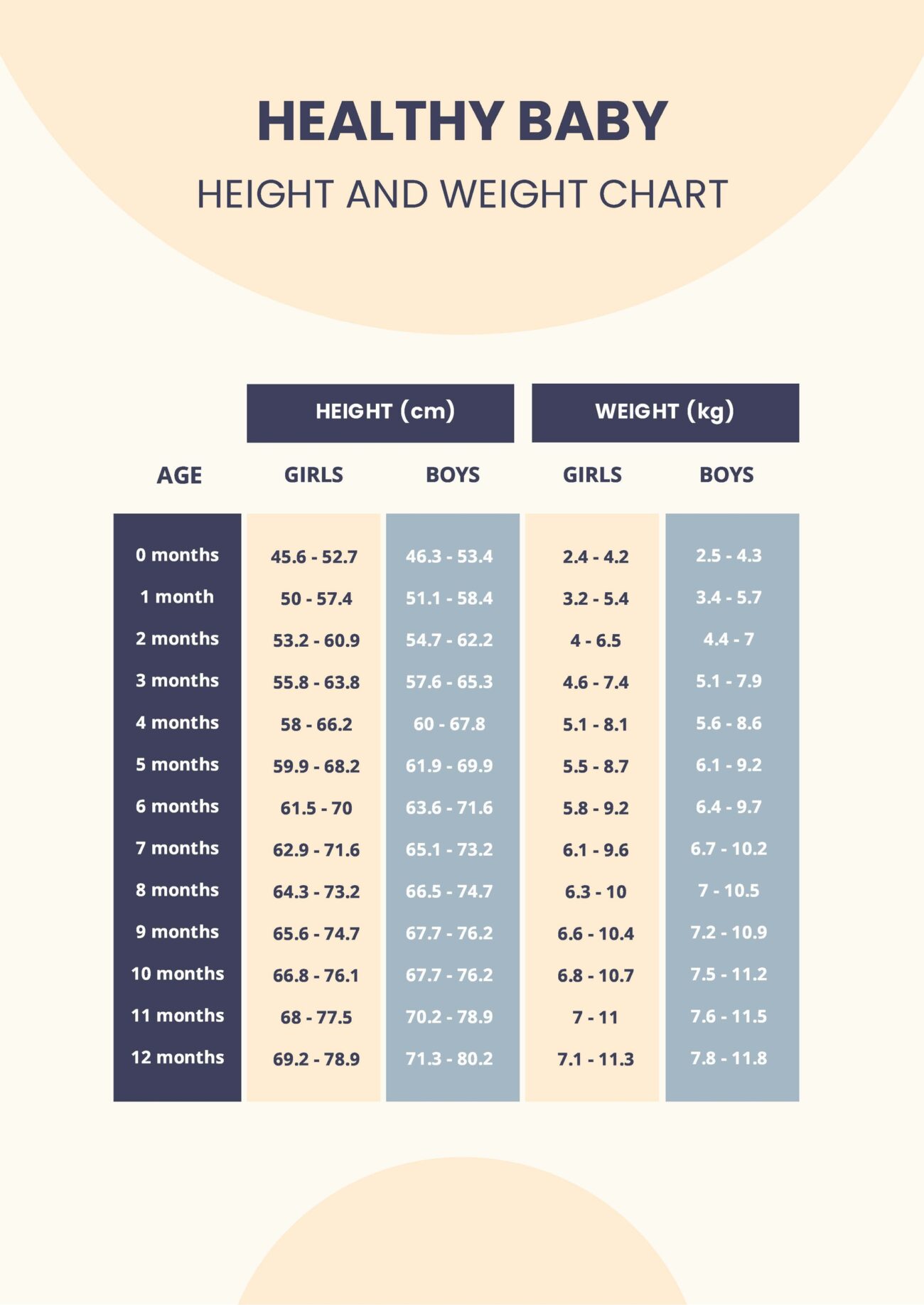
Keeping track of your child’s growth is essential for their health and development. A Birth Height And Weight Chart is a practical tool that helps you monitor these crucial metrics over time. If you are a new parent or have several children, having a chart on hand can simplify the process of tracking your child’s growth and ensure they are meeting developmental milestones.
Understanding the Birth Height And Weight Chart
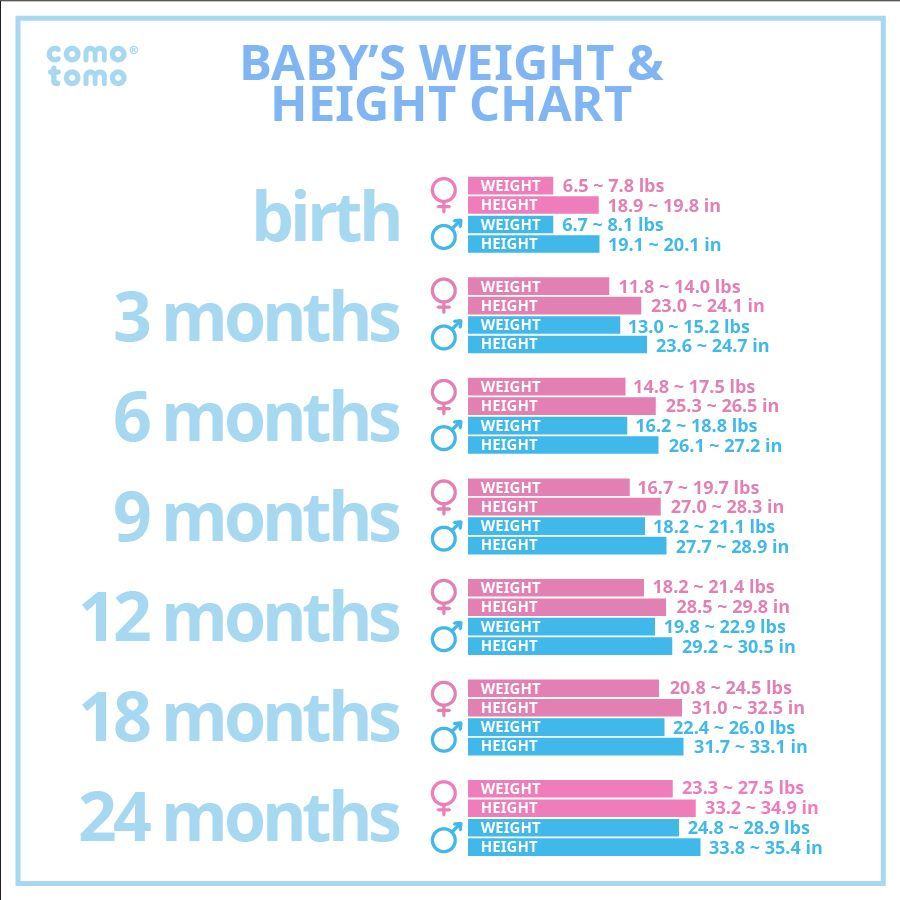
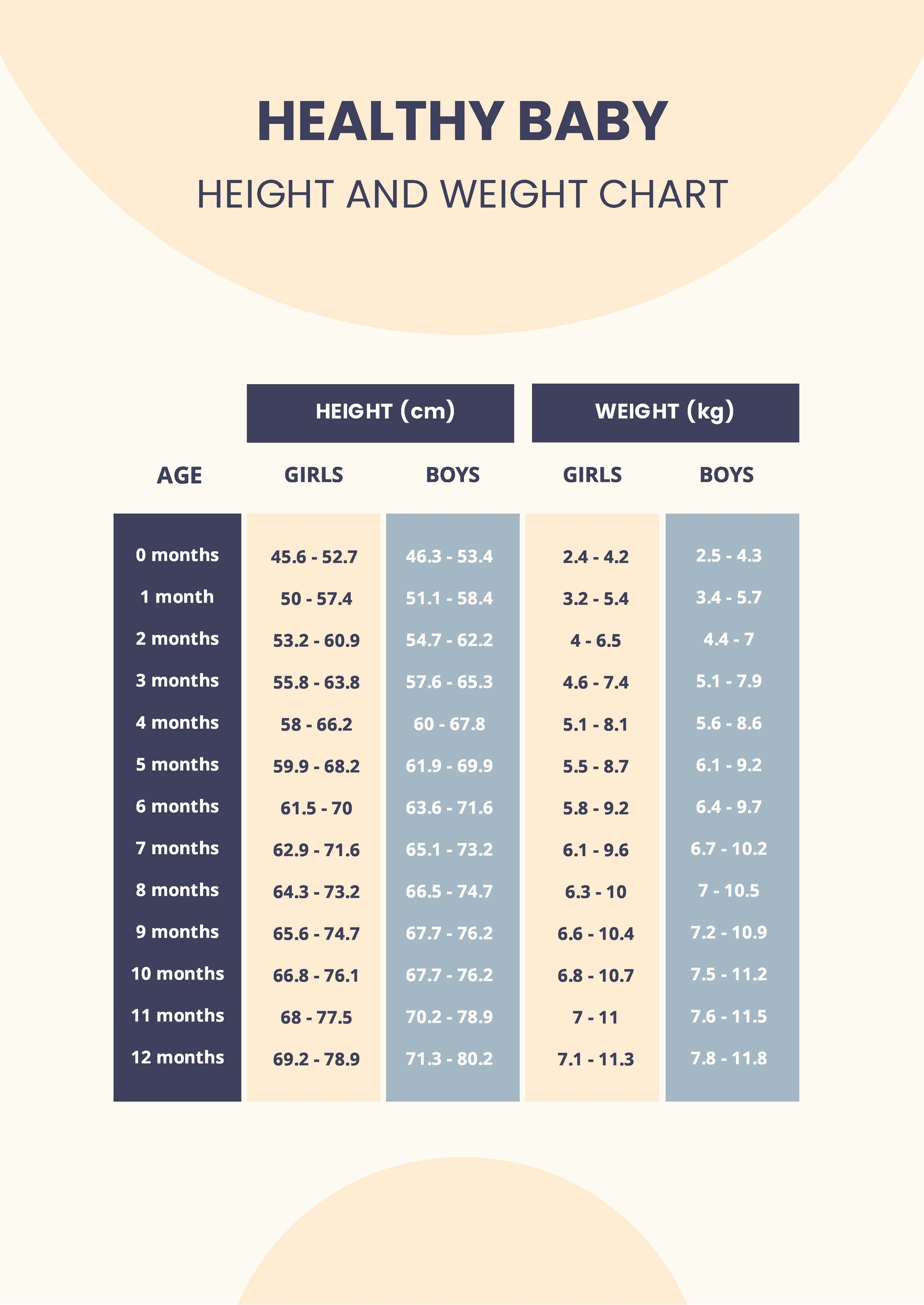
A Birth Height And Weight Chart typically includes a grid that displays the range of heights and weights for children based on their age and sex. This chart helps parents quickly assess whether their child is growing at a healthy rate. It’s designed to provide a visual representation of where your child falls compared to the average growth patterns.
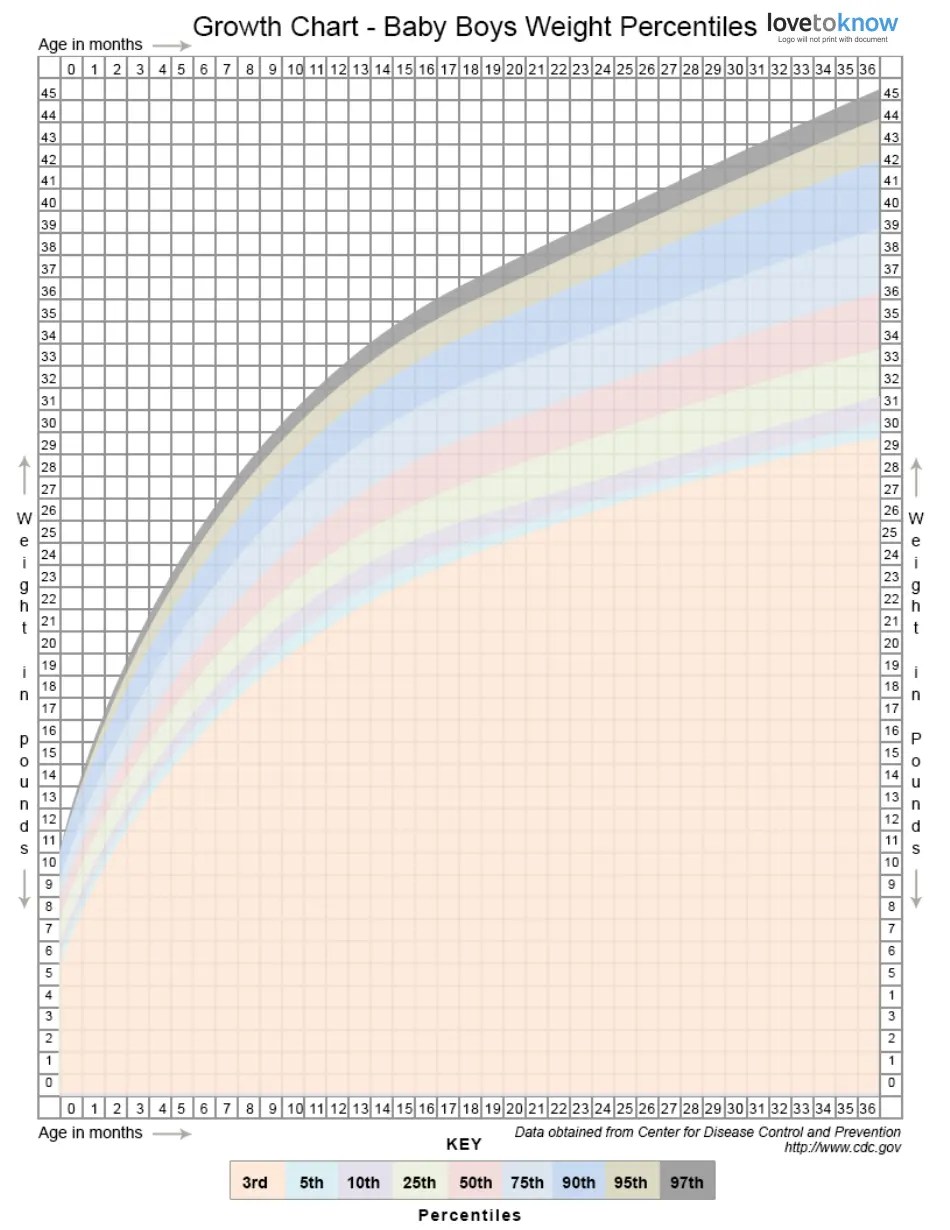
Most charts are divided into percentiles, which indicate how your child’s measurements compare to those of other children. For instance, if your child is in the 50th percentile, it means they are taller or heavier than 50% of their peers.
How to Use the Birth Height And Weight Chart
Using the Birth Height And Weight Chart is straightforward, but there are a few steps to ensure you’re using it effectively:
- Gather Measurements: First, measure your child’s height and weight accurately. For height, use a stadiometer or a wall-mounted measuring tape. Weigh your child using a reliable scale.
- Locate the Correct Chart: Choose the chart that corresponds to your child’s age and sex, as growth patterns can differ.
- Plot the Measurements: Find your child’s age on the horizontal axis and their weight and height on the vertical axis. Mark where these two points intersect.
- Analyze the Percentiles: See which percentile your child’s measurements fall into. This will help you understand whether they are growing at a typical rate.
- Track Over Time: Repeat this process regularly (e.g., every few months) to monitor changes and trends in growth.
When to Use the Birth Height And Weight Chart
You might find the Birth Height And Weight Chart particularly useful during regular pediatric visits, as doctors often use these measurements to assess your child’s growth. It’s also helpful if you notice any significant changes in your child’s eating habits, activity levels, or overall health.
Additionally, if you’re a teacher or caregiver, having access to this chart can help you keep track of the children in your care, ensuring that everyone is developing appropriately.
Tips for Effective Use of the Chart
To make the most of the Birth Height And Weight Chart, consider these practical tips:
- Print Multiple Copies: Having several printed copies can help you track different children or monitor progress over time without worrying about losing the original.
- Use Quality Paper: If you plan to keep the charts for a long time, print them on cardstock. This will make them sturdier and easier to handle.
- Consider Laminating: If you’re using this chart frequently, consider laminating it. This way, you can use dry-erase markers to note changes and wipe them clean for the next use.
- Make It a Habit: Incorporate charting into your routine, perhaps during monthly check-ins or as part of your child’s birthday celebrations. This way, it becomes a natural part of monitoring their growth.
Where to Find a Printable Birth Height And Weight Chart
You can find various printable Birth Height And Weight Charts online, many of which are free to download. Look for resources on health websites, parenting blogs, or educational platforms. Ensure the chart you choose is up-to-date and uses the latest growth standards from organizations like the World Health Organization (WHO) or the Centers for Disease Control and Prevention (CDC).
When downloading, opt for a PDF format to avoid any reformatting issues that might occur with image files. This ensures the chart retains its original layout when printed.
Next Steps After Downloading
Once you have your Birth Height And Weight Chart ready, it’s time to put it into action. Start by measuring your child’s height and weight, then plot these on the chart. Regularly update the chart as your child grows, and feel free to discuss any concerns with your pediatrician during visits. This proactive approach can provide peace of mind and help ensure your child is on track for healthy development.
By using a Birth Height And Weight Chart effectively, you’re not just tracking numbers; you’re actively participating in your child’s growth journey. So download your chart today and start monitoring those important milestones!
