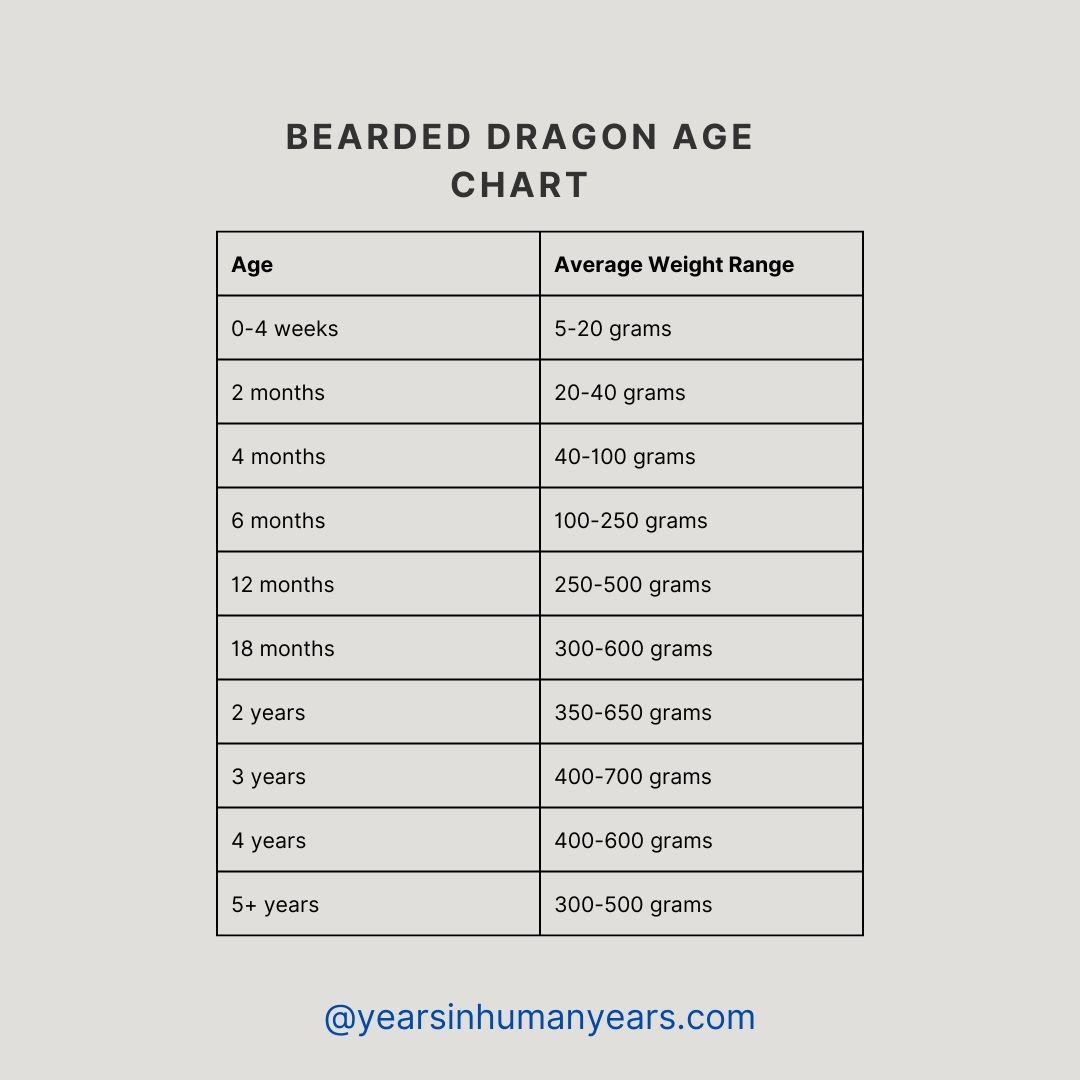
Keeping track of your bearded dragon’s weight as it grows is essential for ensuring its health and well-being. A Bearded Dragon Weight Chart By Age helps you monitor the progress of your pet and identify any potential health issues early on. This practical resource is easy to download and print, making it an invaluable tool for both new and experienced bearded dragon owners.
Understanding the Importance of Weight Monitoring
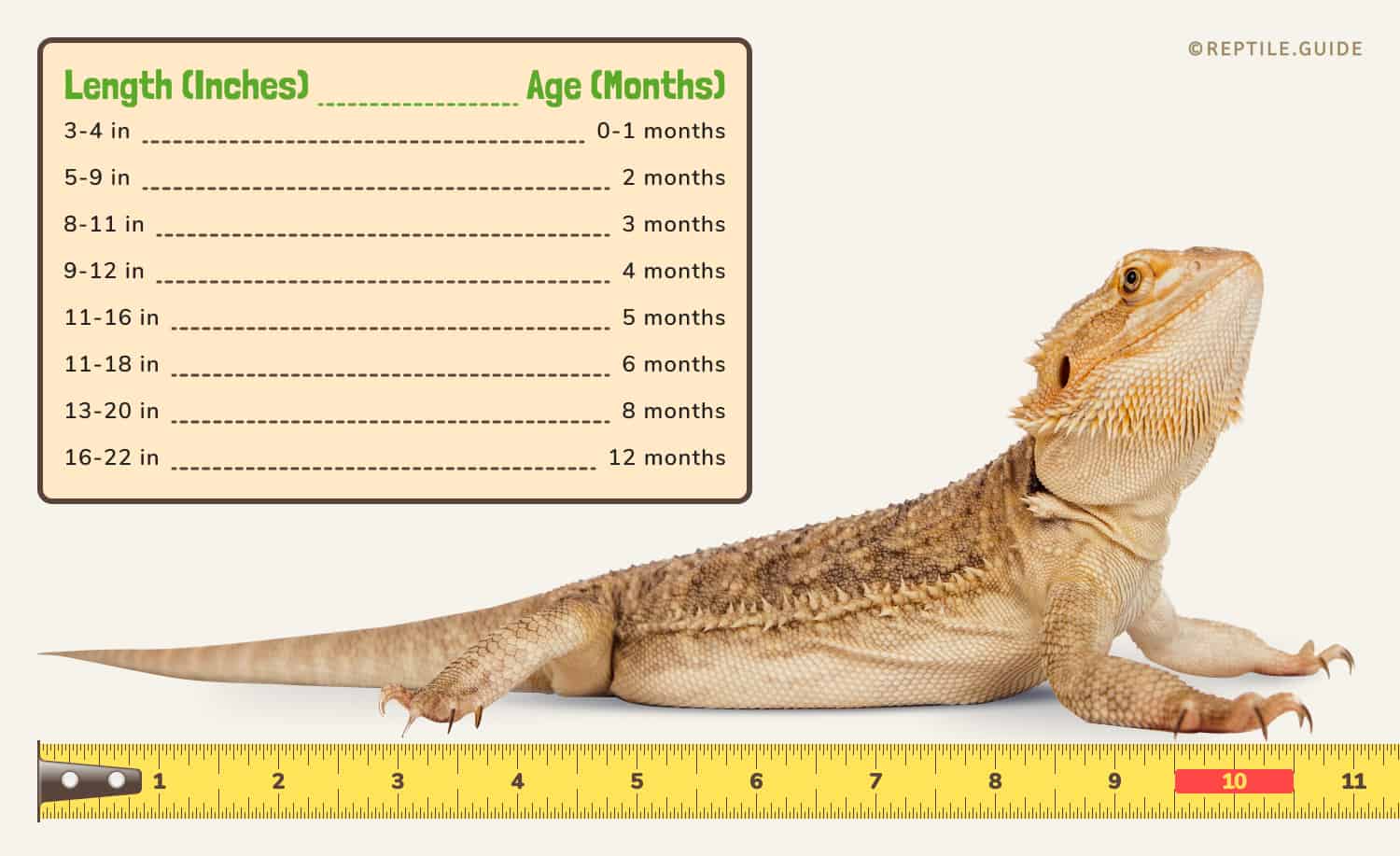
Bearded dragons, like many reptiles, require specific care to thrive. Monitoring their weight is crucial for several reasons. First, it helps you assess if your dragon is growing at a healthy rate. Second, fluctuations in weight can indicate underlying health problems, such as parasites or dietary deficiencies. By regularly checking your bearded dragon’s weight, you can spot these issues early and seek veterinary advice if necessary.
To use the weight chart effectively, you’ll want to weigh your bearded dragon consistently—ideally, weekly or bi-weekly. This regular monitoring allows you to track any sudden weight changes, which can be a signal to adjust feeding practices or consult a vet.
Using the Bearded Dragon Weight Chart
The Bearded Dragon Weight Chart By Age typically includes a range of weights that correspond to various ages of bearded dragons. Here’s how to get the most out of it:
- Download and Print: Start by downloading the chart from a reliable source. When printing, use a standard paper size like A4 or Letter for easy handling. Make sure your printer is set to high quality to ensure that all details are legible.
- Weighing Your Bearded Dragon: Use a digital kitchen scale for accuracy. It’s best to weigh your dragon when it’s calm, ideally in the morning before feeding. Place your dragon gently on the scale and record the weight immediately.
- Tracking Growth: After you have your weight, refer to the chart to see where your dragon fits within the expected weight range for its age. This will help you determine if your dragon is growing well or if adjustments are needed.
- Adjust Feeding Habits: If your bearded dragon is underweight, consider increasing its food intake, focusing on high-quality protein sources such as crickets, mealworms, and leafy greens. Conversely, if your dragon is overweight, you may need to reduce its portion sizes or adjust the frequency of feeding.
Typical Weight Ranges
While the exact weights can vary based on factors like genetics and diet, here’s a general overview of expected weight ranges for bearded dragons at different ages:
- Hatchling (0-3 months): 4-10 grams
- Juvenile (3-6 months): 40-150 grams
- Sub-adult (6-12 months): 150-400 grams
- Adult (1 year and older): 400-600 grams
These ranges are a helpful guideline, but individual dragons may fall outside of these weights. Always consider your dragon’s overall health and behavior in addition to its weight.
Recognizing Signs of Health Issues
Monitoring your bearded dragon’s weight can help you identify potential health issues. Here are some signs to watch for:
- Sudden Weight Loss: This could indicate parasites, stress, or a serious illness. If you notice your dragon losing weight rapidly, consult a veterinarian as soon as possible.
- Weight Gain: If your bearded dragon is gaining weight too quickly, it may be overfed or consuming an improper diet. Adjusting its feeding schedule and diet can help manage this issue.
- Lethargy: If your dragon seems less active than usual, combined with weight changes, it’s worth investigating. Changes in behavior can often accompany changes in health.
- Changes in Appetite: A sudden increase or decrease in appetite can indicate health issues. Monitor feeding habits closely and consult a vet if you see significant changes.
Practical Tips for Using the Weight Chart
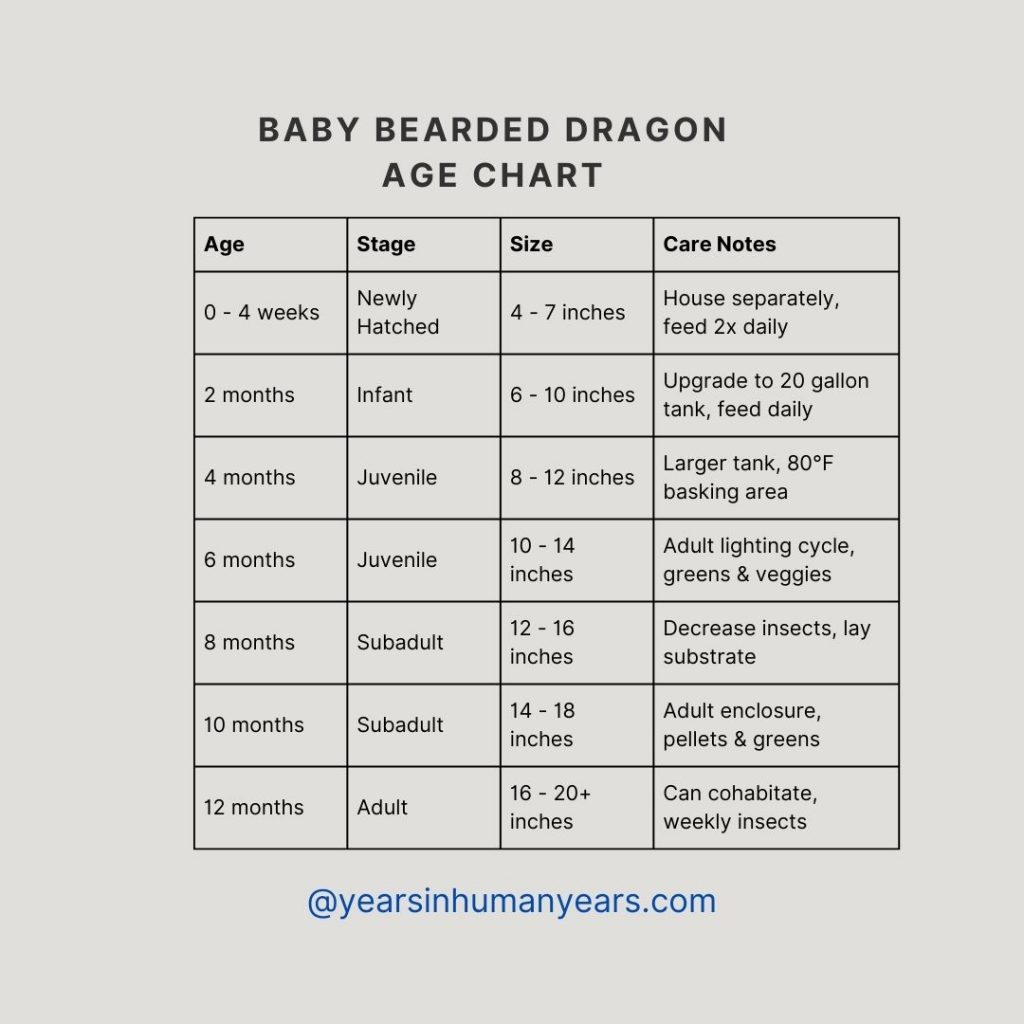
To maximize the effectiveness of your Bearded Dragon Weight Chart By Age, consider these practical tips:
- Keep Records: Maintain a log of your bearded dragon’s weights alongside notes on feeding habits, behavior, and any health observations. This log can be invaluable during vet visits.
- Use a Consistent Scale: Different scales can yield different results. Try to use the same scale each time you weigh your pet for the most accurate tracking.
- Regular Vet Check-ups: No chart can replace professional veterinary advice. Schedule regular check-ups to ensure your bearded dragon is healthy and thriving.
- Educate Yourself: Learn about bearded dragon care, diet, and health. The more you know, the better equipped you’ll be to recognize when something is off with your pet.
By utilizing the Bearded Dragon Weight Chart By Age effectively, you can provide better care for your pet and enjoy a healthier, happier bearded dragon. Remember, the goal is to ensure your dragon grows steadily and maintains a healthy weight throughout its life.
