Keeping track of your baby’s growth is one of the most important tasks as a new parent. A Baby Weight Chart By Month can be a useful option. This chart provides a clear visual representation of your baby’s weight gain over the months, helping you ensure they are developing healthily. Unlike other resources I’ve come across, this chart is designed specifically for parents who want to monitor their baby’s growth month by month, making it both practical and accessible.
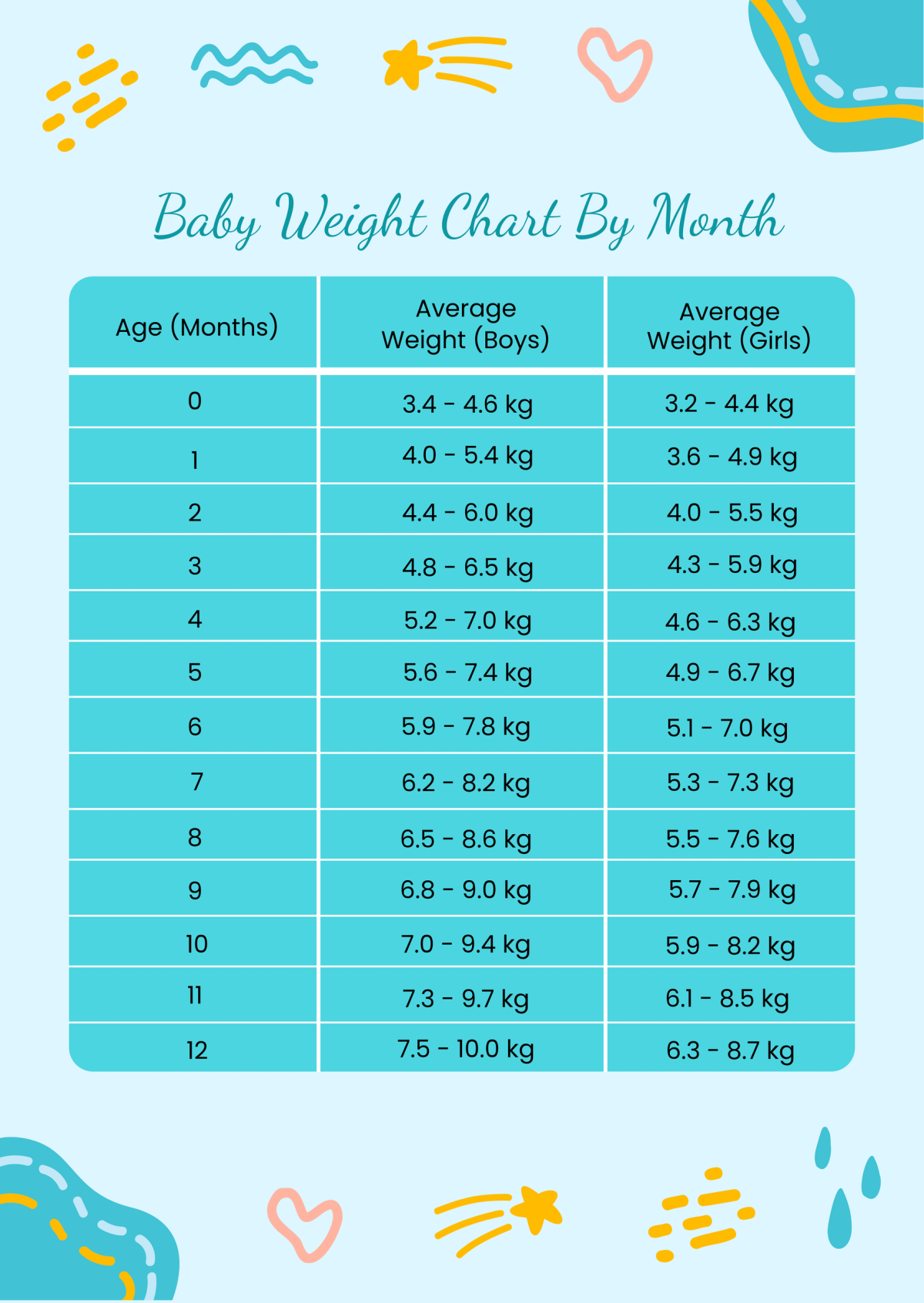
Understanding the Baby Weight Chart By Month
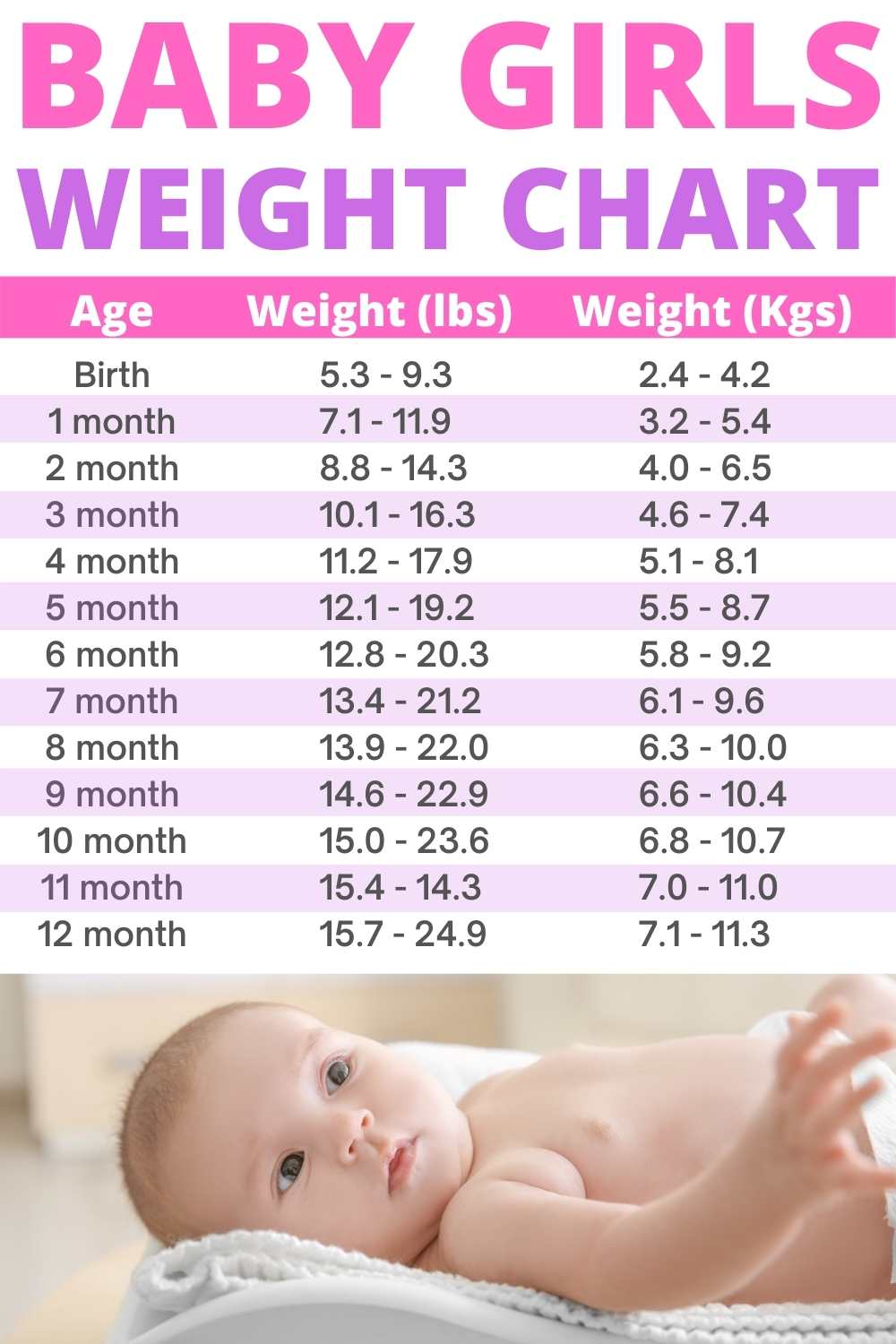
The Baby Weight Chart By Month is laid out in a simple, easy-to-read format. Typically, you’ll find columns representing each month, along with corresponding weight ranges for boys and girls. The layout usually includes a line graph or grid format, which visually indicates where your baby falls in relation to standard growth percentiles. This method makes it straightforward to track progress.
You’ll notice that the chart is segmented by age, often starting from birth and continuing through the first year and beyond. This organization allows you to easily see how your baby’s weight compares to averages for their age group. The visual aspect of the chart can be incredibly reassuring, as it provides a quick reference without needing to interpret complex data.
How to Use the Baby Weight Chart
Using the Baby Weight Chart By Month is quite simple. Here’s a step-by-step guide to help you effectively fill it in:
- Record Your Baby’s Weight: Weigh your baby at home or during a pediatrician visit. Make a note of the exact weight in pounds and ounces.
- Find the Corresponding Month: Locate your baby’s age on the chart. Each month should have a designated row for easy reference.
- Mark the Weight: Plot your baby’s weight on the chart. If you’re using a printable version, you can write it down directly or use stickers to mark the point.
- Review the Percentiles: Check where your baby’s weight falls within the standard percentiles. This will help you understand whether they are on track for healthy growth or if you might need to consult with a healthcare provider.
- Update Regularly: Make it a routine to update the chart monthly. This consistent tracking will help you identify any trends in your baby’s growth over time.
Importance of Tracking Baby’s Weight
Monitoring your baby’s weight is crucial for several reasons. First, it helps to ensure that they are receiving adequate nutrition. A Baby Weight Chart By Month provides a clear visual that can highlight any concerns regarding underweight or overweight issues. If your baby consistently falls below the 5th percentile or above the 95th percentile, it may be time to discuss these findings with your pediatrician.
Additionally, regular updates to the weight chart can help you spot patterns. For instance, if your baby experiences a sudden drop or spike in weight, it could indicate a health issue that requires attention. Keeping a close eye on these numbers allows for proactive care, giving you peace of mind as a parent.
Choosing the Right Format for Your Chart
When it comes to using a Baby Weight Chart By Month, the format you choose can make a difference. Most charts are available in PDF format for easy printing, but here are some considerations:
- Print Quality: Use high-quality paper for durability. A heavier cardstock can withstand handling, especially if you plan to keep it in a baby book.
- Size Matters: Portrait layout often works best for home printers, allowing you to hang it on a wall or keep it in a binder. A standard 8.5” x 11” size is convenient for most families.
- Digital Options: If you prefer a digital approach, look for interactive charts or apps that allow you to input and visualize your baby’s growth over time.
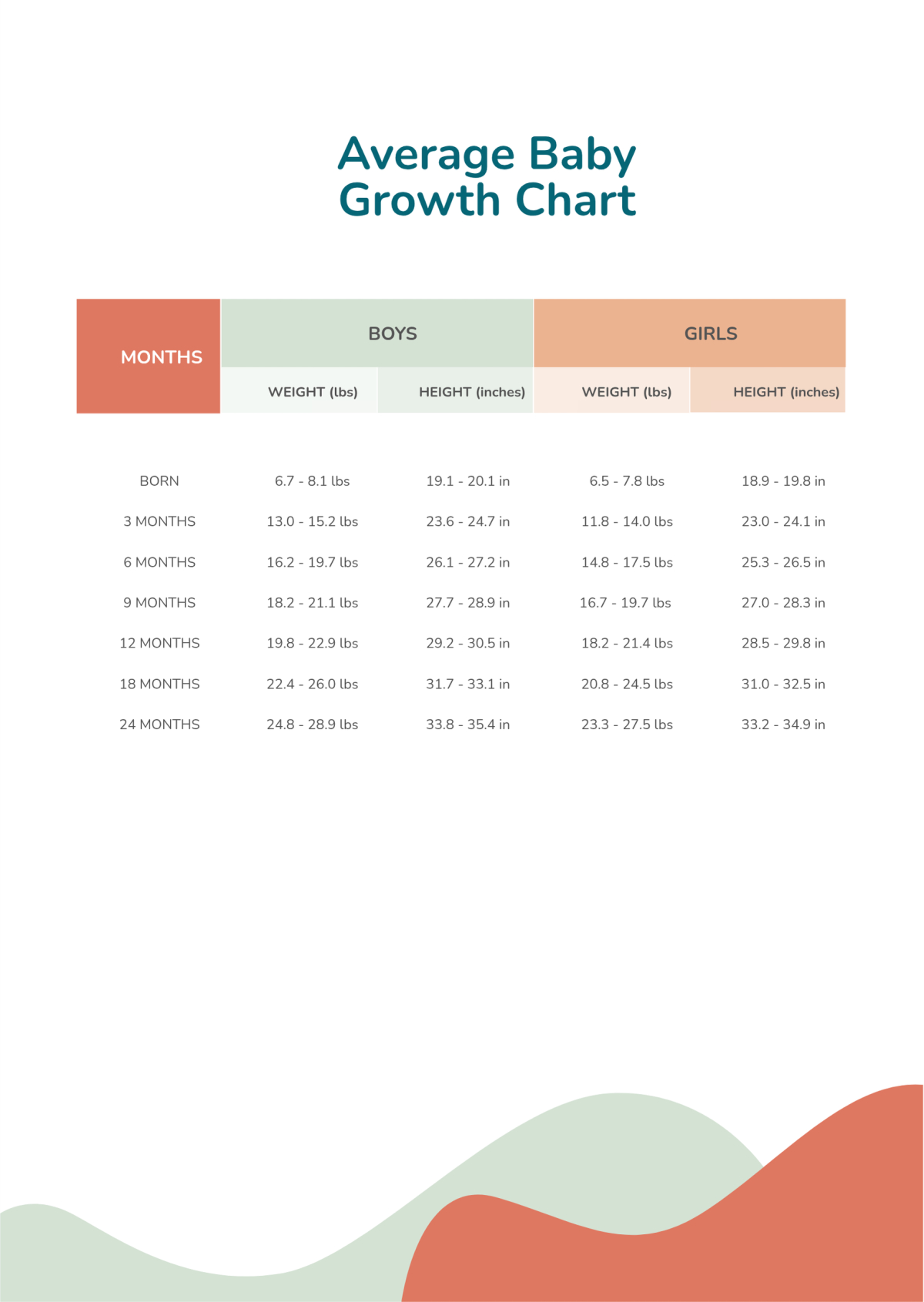
Incorporating the Chart Into Your Routine
Integrating the Baby Weight Chart into your routine can make it a valuable tool. Here are a few practical ways to do that:
- Monthly Check-Ins: Set a reminder at the beginning of each month to weigh your baby. You can use this time to reflect on their growth and assess if their weight is within the expected range.
- Share with Pediatricians: Bring the chart to your baby’s check-ups. It can provide your doctor with a quick reference to your baby’s growth history, making discussions about nutrition and health easier.
- Include Family Members: Involve siblings or other family members in the process. This not only helps them feel connected to the baby’s growth but also fosters a supportive environment.
The most useful detail I can share is that many parents find it helpful to laminate their charts. This allows you to use dry-erase markers to track weights over time without needing to print multiple copies.
