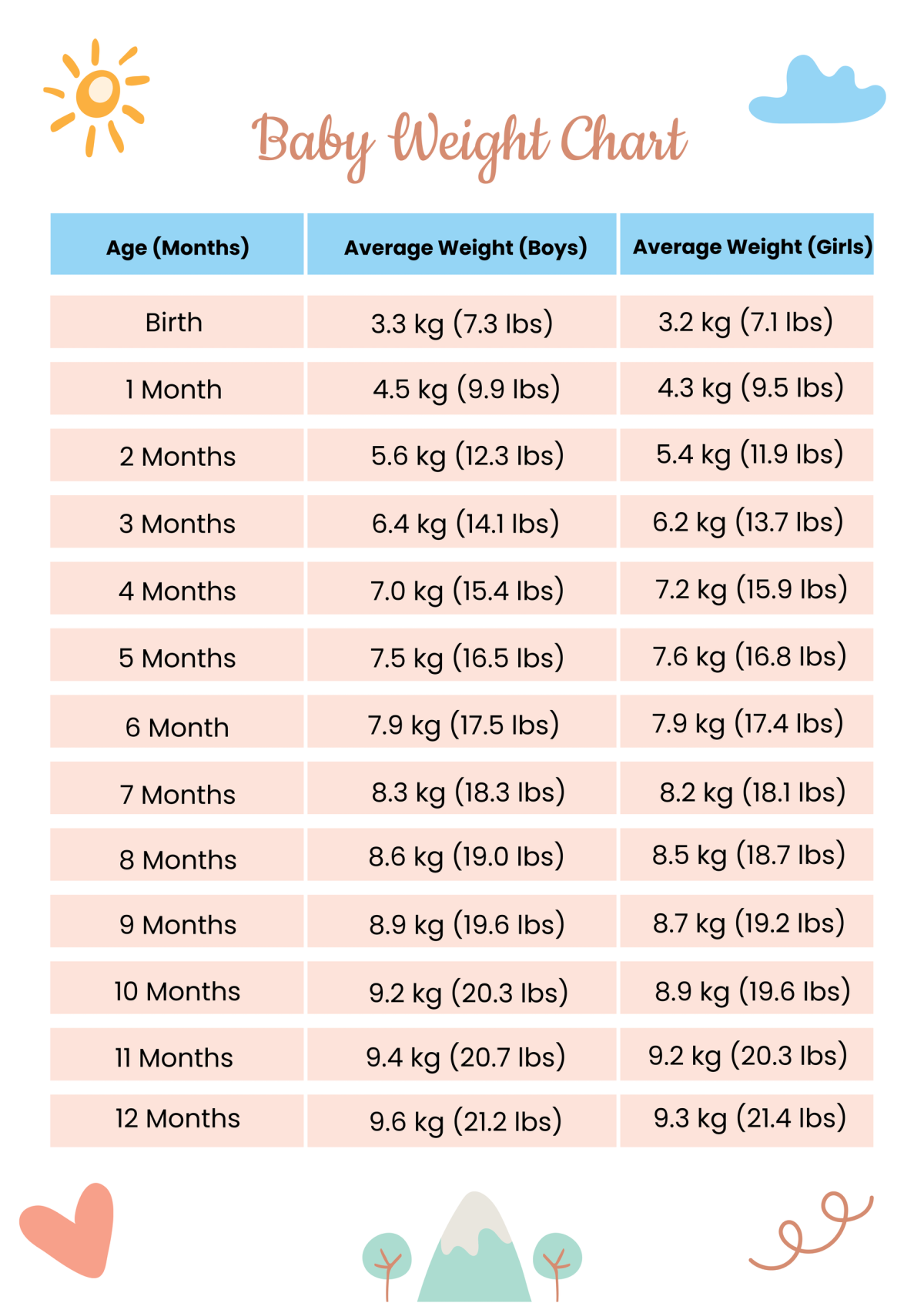
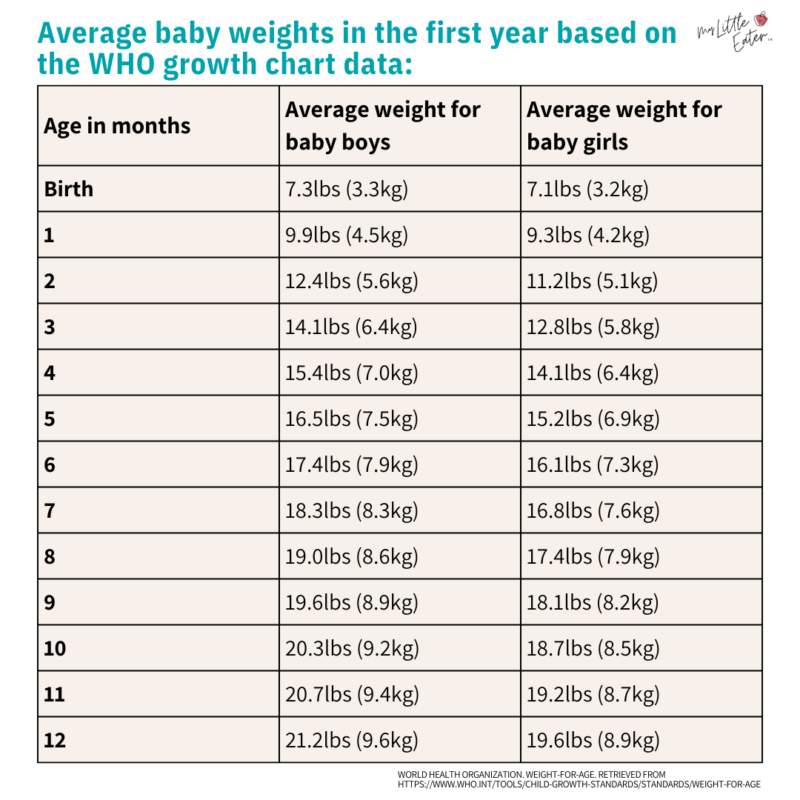
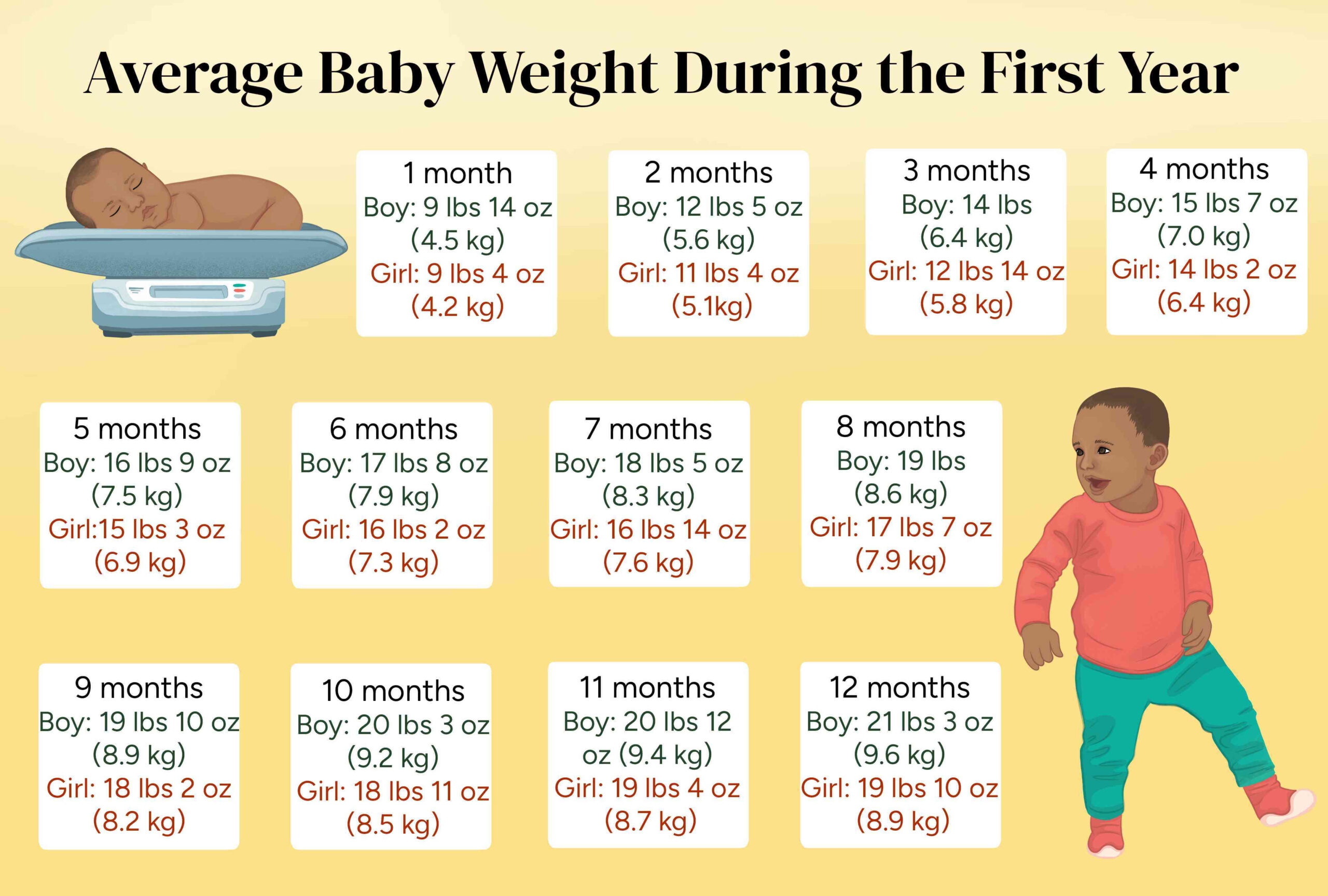
When it comes to tracking your baby’s growth, having a clear Baby Weight Chart By Month In Lbs can make all the difference. This chart is designed to help you monitor your little one’s weight each month, ensuring they’re on the right track for healthy development. It’s a straightforward tool that can be printed and used at home, allowing you to keep a close eye on your baby’s growth milestones.
Understanding the Importance of a Baby Weight Chart
A baby weight chart is more than just numbers; it serves as a vital tool for parents and pediatricians alike. By regularly tracking your baby’s weight, you can identify patterns and growth trends. This information can be crucial in determining whether your baby is growing at a healthy rate, as different stages of infancy come with varying growth expectations.
Using a chart helps you visualize your baby’s growth over time. You can see how their weight compares to standard growth percentiles, which are based on data collected from a large population of babies. In general, a healthy weight gain during the first months is about 1.5 to 2 pounds per month, but this can vary. Having a chart allows you to spot any significant deviations from this trend, which can be essential for early intervention if needed.
How to Use the Baby Weight Chart By Month In Lbs
When you download and print your Baby Weight Chart By Month In Lbs, you’ll find it laid out in an easy-to-read format. Here’s how to effectively use it:
- Download and Print: Start by downloading the chart from a reliable printable-resource website. Make sure to print it in a size that fits your space, usually A4 or letter size works well.
- Fill in Your Baby’s Information: As your baby grows, you’ll want to fill in their weight each month. Use a scale that you trust, ideally one designed for infants. Write down their weight in pounds (lbs) on the chart.
- Review Growth Percentiles: Each chart typically includes a range of percentiles that indicate how your baby’s weight compares to others of the same age. Check where your baby’s weight falls on this scale. A pediatrician will often refer to these percentiles during check-ups.
- Track Monthly Progress: Keep the chart in a visible place, like on your fridge or in your baby’s room. This visual reminder will make it easier for you to stay consistent with your tracking.
- Share with Your Pediatrician: When you visit the pediatrician, bring the chart along. It provides a clear visual of your baby’s growth over time, which can help in assessing their nutritional needs and overall health.
Digital Vs. Print: Which is Best for Your Baby Weight Chart?
When it comes to using the Baby Weight Chart, you have two primary options: digital fillable PDFs or printed versions. Here’s a quick breakdown of the benefits of each to help you decide:
Digital Fillable PDF
- Convenience: Fill in your baby’s weight directly on your device. This is handy if you frequently update the chart.
- No Physical Space Needed: You don’t need to find a place to store a physical chart.
- Easy to Share: You can easily email the chart to your pediatrician if needed.
Printed Version
- Tactile Experience: Some parents prefer writing by hand, finding that it adds a personal touch to the tracking process.
- Visual Reminder: A physical chart can be hung up in your home, serving as a constant reminder to track your baby’s growth.
- No Technology Required: For parents who may not be tech-savvy, a printed chart is straightforward and easy to use.
Ultimately, the choice between digital and print comes down to your personal preference and how you intend to use the chart. Either way, the goal is to keep track of your baby’s growth effectively.
Common Concerns and Tips for Tracking Baby Weight
As you begin to use your Baby Weight Chart By Month In Lbs, you might have some questions or concerns. Here are some tips to help you navigate common issues:
- Growth Spurts: It’s completely normal for babies to experience growth spurts, especially around 2-3 weeks, 6 weeks, and 3 months. During these times, you might notice a sudden increase in weight. Don’t panic; this is a natural part of development.
- Weight Fluctuations: Babies can gain and lose weight, especially in the early days. What’s more important is the overall trend over several months rather than individual fluctuations.
- Consult with a Pediatrician: If you notice that your baby’s weight consistently falls below the 5th percentile or above the 95th percentile, it’s a good idea to consult your pediatrician. They can provide guidance tailored to your baby’s specific health needs.
- Nutrition Matters: Ensure your baby is receiving adequate nutrition, whether through breastfeeding or formula. Healthy weight gain is often linked to proper feeding practices.
- Keep Things Consistent: Weigh your baby at the same time of day and under similar conditions (like after a nap) to ensure consistency in your records.
Tracking your baby’s weight month by month can provide peace of mind, ensuring that they’re growing as expected. The Baby Weight Chart By Month In Lbs is a simple yet effective way to stay organized and informed on your baby’s growth journey. Make sure to download your chart today, and start tracking your little one’s progress right away!
