Tracking your infant’s growth can be both exciting and a bit nerve-wracking, especially when you’re trying to ensure that they are on the right developmental path. One of the most helpful tools for this purpose is an Average Weight Chart For Infants. This chart provides a clear overview of what a healthy weight range looks like for babies at different ages, helping you monitor your little one’s progress and make informed decisions about their health.
Understanding the Average Weight Chart For Infants
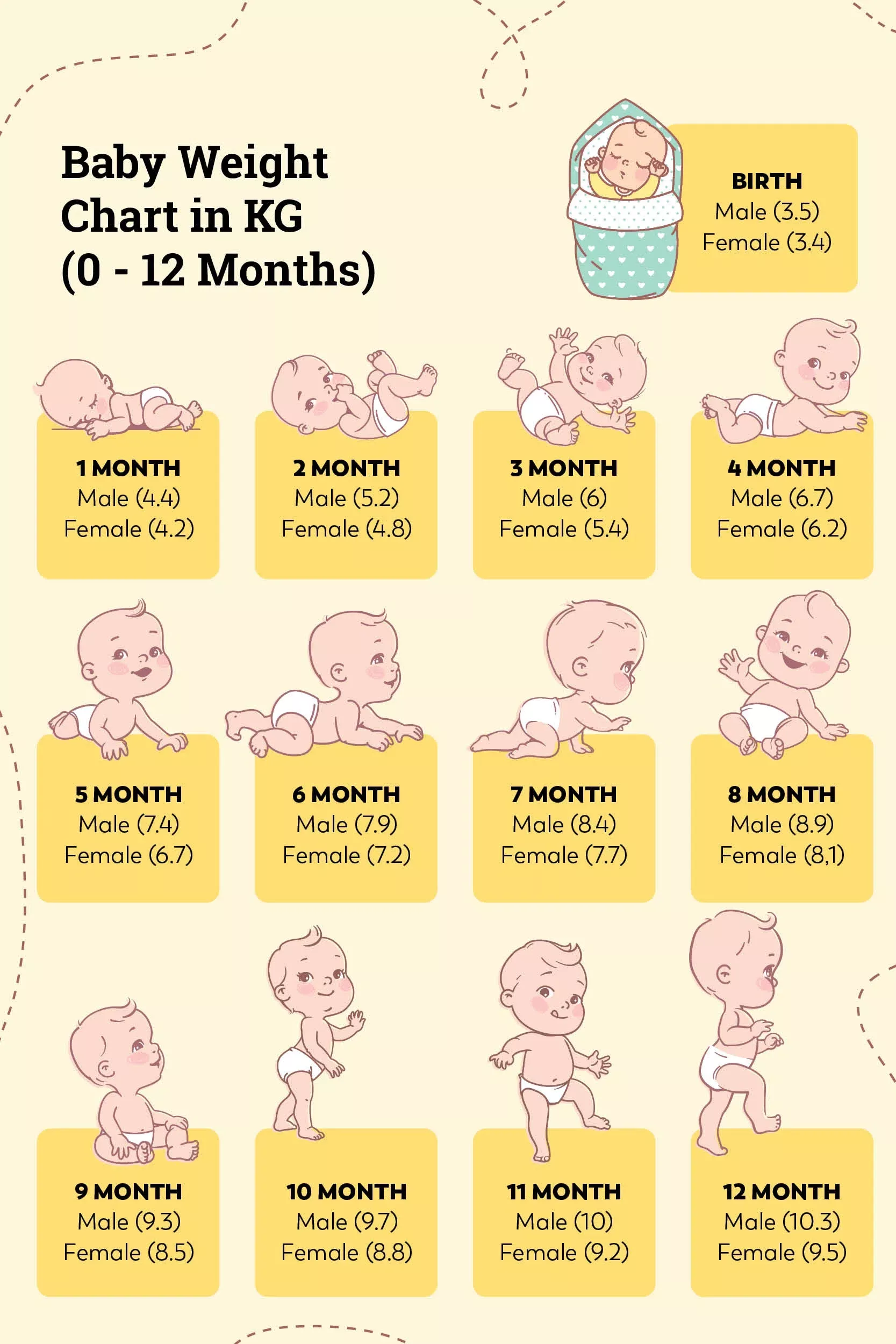
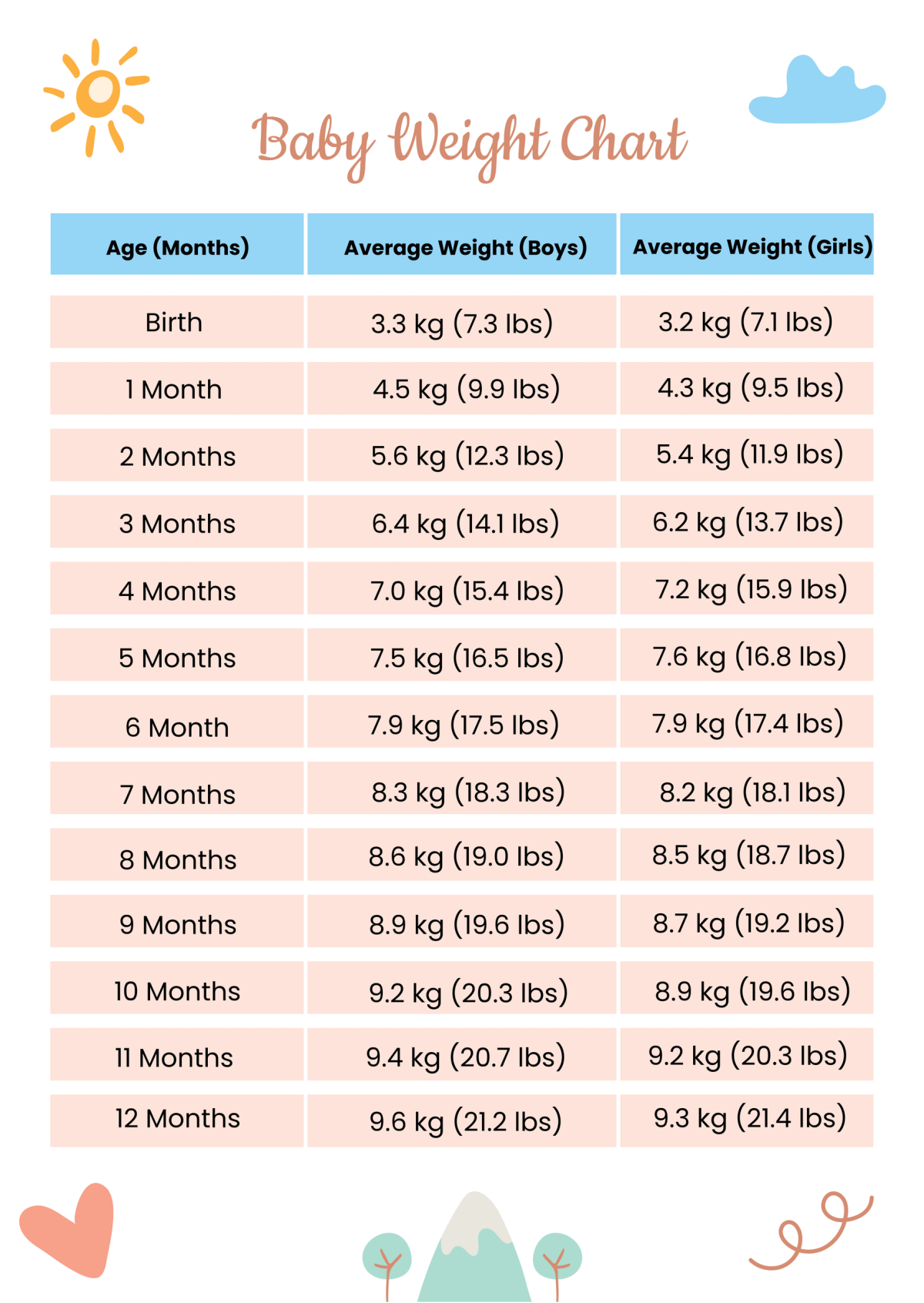
An Average Weight Chart For Infants typically lists weight ranges based on age and gender. The data is compiled from large populations to give parents a benchmark for comparison. It’s essential to note that every baby is unique and may grow at different rates, but this chart provides a useful guideline.
When using the chart, you’ll look at your baby’s age (usually measured in months) and find the corresponding weight range. For example, a typical weight for a 3-month-old baby might range from 10 to 15 pounds. This helps you see where your baby falls in relation to the average.
How to Use the Weight Chart Effectively
To get the most out of the Average Weight Chart For Infants, consider the following steps:
- Weigh Your Baby Regularly: Use a baby scale to weigh your infant regularly. Aim for weekly weigh-ins during the first few months, then you can space it out to once a month.
- Record the Data: Keep a log of your baby’s weight. You can create a simple chart or use a baby journal. This not only helps you see trends but also provides valuable information for your pediatrician during check-ups.
- Compare to the Chart: After recording the weight, find the corresponding age on the chart. Mark where your baby falls within the weight range.
- Look for Patterns: As you track your baby’s weight over time, look for patterns in growth. Healthy growth typically involves steady increases, but there can be fluctuations.
- Consult with Healthcare Providers: If you’re concerned about your baby’s weight or growth rate, don’t hesitate to consult your pediatrician. They can provide personalized insights based on your baby’s health history.
Important Considerations When Using the Chart
While the Average Weight Chart For Infants is a great tool, there are a few important considerations to keep in mind:
- Growth Percentiles: Many charts also include percentiles, which indicate where your baby’s weight falls compared to others. For instance, if your baby is in the 50th percentile, they are at the average weight for their age, while being in the 75th percentile means they weigh more than 75% of their peers.
- Watch for Rapid Changes: Sudden spikes or drops in weight can be concerning. If your baby gains or loses weight rapidly, it’s essential to talk to your pediatrician.
- Growth Spurts: Infants often experience growth spurts where they may gain weight quickly during certain periods. This is normal and usually followed by a plateau.
- Physical Activity and Feeding: As your baby grows, their feeding patterns and activity levels may change. Make sure to adjust feeding amounts based on their needs and consult with a nutritionist if necessary.
Downloadable Resources and Tools
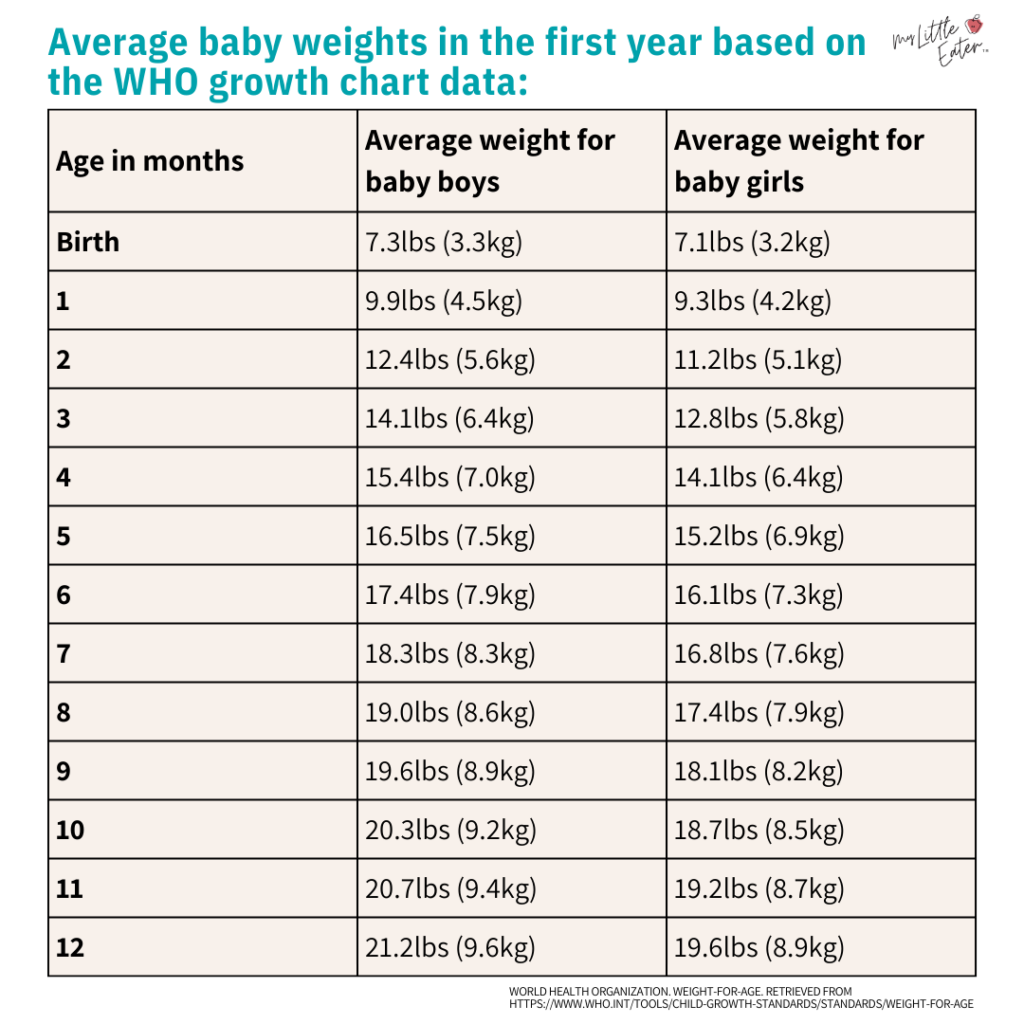
For those looking to keep track of their baby’s growth effectively, you can find a variety of downloadable resources, including:
- Printable Weight Chart: A convenient chart that you can print and fill in as your baby grows. This can be a visual reminder of their progress.
- Baby Journal Templates: Journaling your baby’s milestones can be a fun way to remember their growth journey. You can find templates that include sections for weight, height, and other important milestones.
- Growth Tracker Worksheet: This can help you monitor not just weight, but also height and head circumference, giving you a more comprehensive view of your baby’s growth.
Make sure to choose formats that suit your needs best—whether you prefer digital tracking or something tangible you can hang on the fridge.
