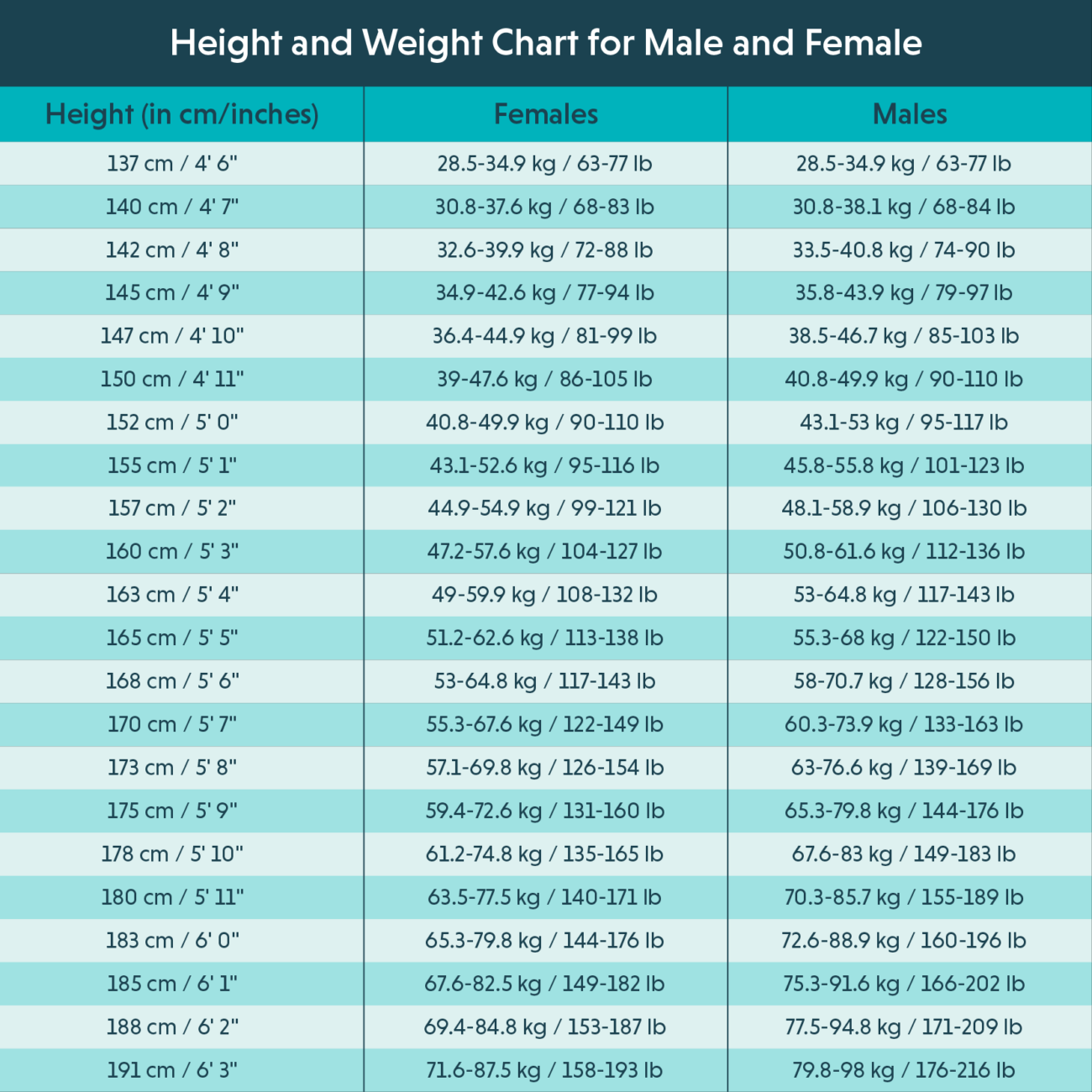
Understanding your child’s growth is a pivotal aspect of parenting. The Appropriate Height And Weight Chart is an essential resource that helps you monitor your child’s development over time. Unlike generic charts, this printable version is designed with specific sections and fields to make tracking easier and more intuitive.
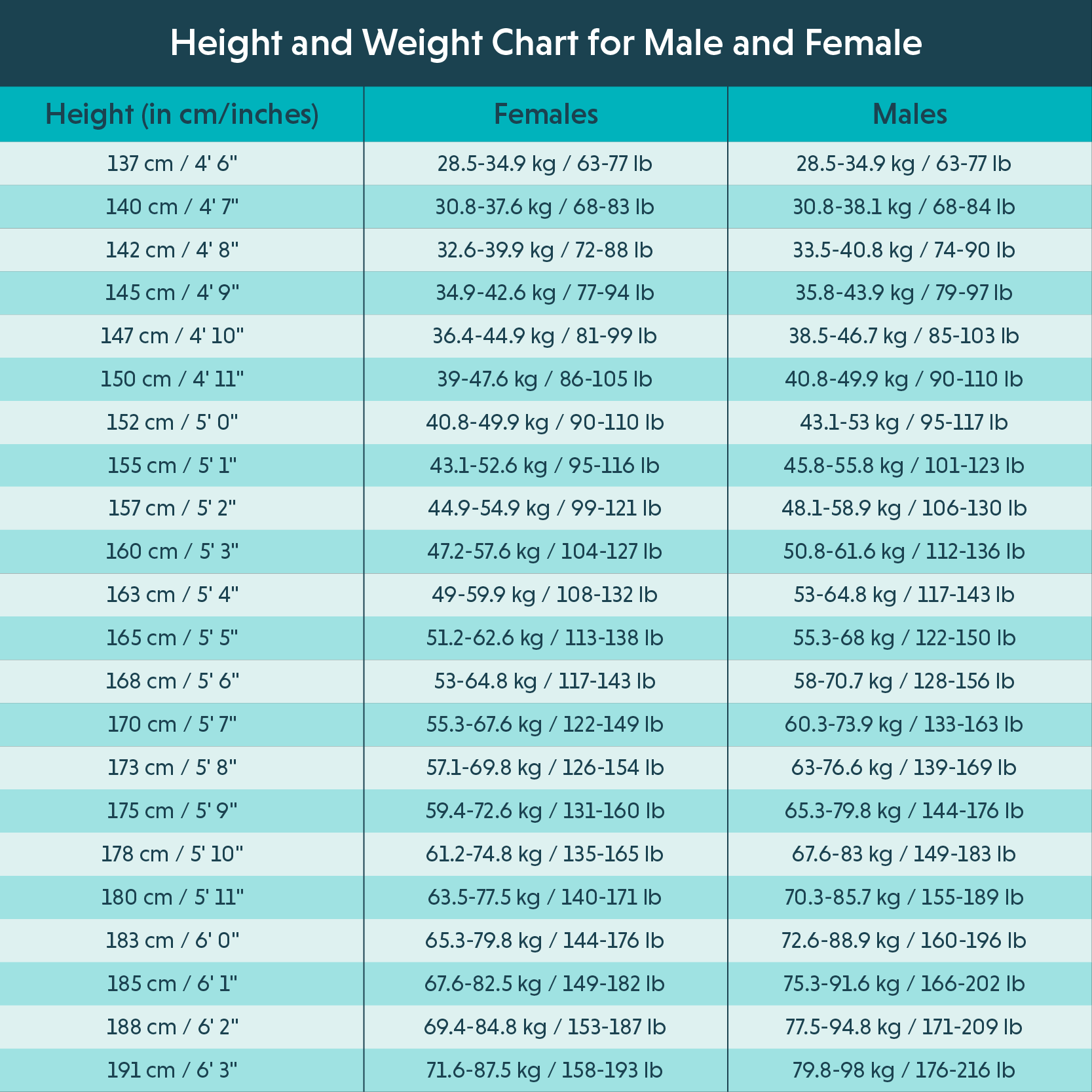
Why Use a Height and Weight Chart?
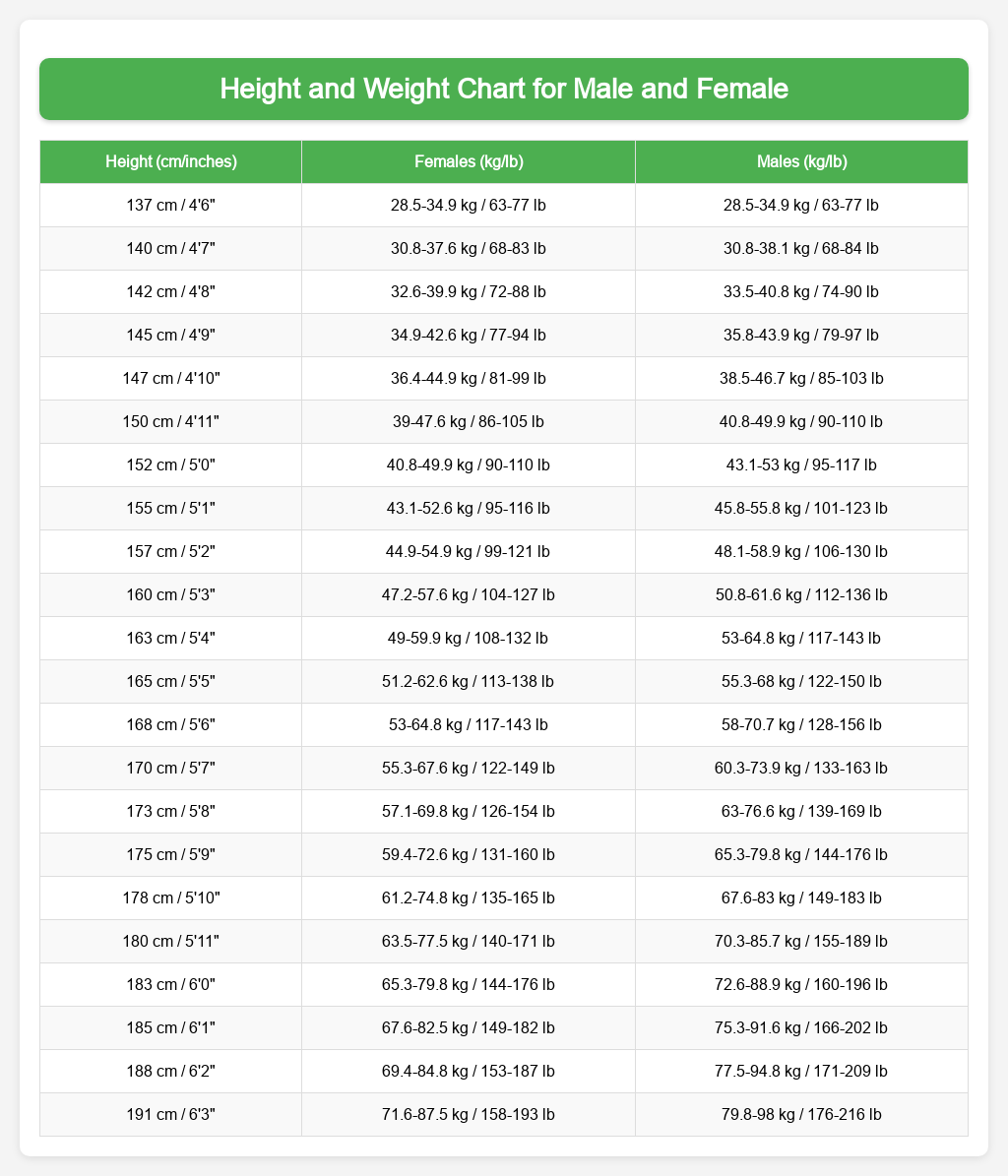
Tracking your child’s height and weight is important for several reasons. It gives you a clear picture of their growth trajectory, helps identify any potential health issues early on, and ensures they are developing within a healthy range. This chart is particularly useful during routine check-ups with your pediatrician, as it provides a visual representation of growth patterns.
You might be wondering how to effectively use this chart. The layout typically includes age ranges, height percentiles, and weight percentiles, making it easy to see where your child stands compared to national averages. By regularly updating the chart, you can quickly assess if your child is growing as expected.
Layout and Sections of the Chart
The Appropriate Height And Weight Chart usually features several key sections. Here’s a breakdown of how it’s organized:
- Age Ranges: This section lists the age intervals (often in months or years) relevant to your child’s growth. It’s essential to select the correct age range to get accurate readings.
- Height Percentiles: This section displays height percentiles that indicate how your child’s height compares to others of the same age and gender. For example, if your child is in the 75th percentile, they are taller than 75% of their peers.
- Weight Percentiles: Similar to height, this section shows how your child’s weight measures against others. This helps to identify if your child is underweight, average, or overweight based on standardized growth patterns.
- Tracking Lines: Many charts include lines that guide you on how to track your child’s growth over time. Connecting the dots between measurements can help visualize growth trends.
Understanding how to interpret these sections will empower you to keep track of your child’s health effectively.
How to Fill in the Chart
Filling out the Appropriate Height And Weight Chart is straightforward, but here are some tips to ensure accuracy:
- Measure Accurately: Use a stadiometer for height and a calibrated scale for weight. Make sure your child is standing straight and barefoot for an accurate height measurement.
- Record Regularly: Make it a habit to update the chart during routine check-ups or monthly at home. Consistency is key in spotting trends.
- Use the Right Units: Ensure you’re using the correct measurement units. Most charts will use either inches and pounds or centimeters and kilograms. Stick to one system to avoid confusion.
- Mark Progress: Consider using different colors for each measurement date. This not only makes it visually appealing but also allows you to easily see how growth has progressed over time.
By following these steps, you can ensure that the chart remains a useful tool in tracking your child’s growth.
When to Consult a Pediatrician
While the Appropriate Height And Weight Chart is a great tool, it’s important to know when to seek professional advice. If you notice any significant deviations from the expected growth patterns—such as sudden weight loss, lack of height growth, or being consistently below the 5th or above the 95th percentile—it’s time to consult your pediatrician.
Your healthcare provider can offer more personalized insights and may recommend additional assessments to understand any underlying issues. Remember, every child grows at their own pace, and what’s most important is their overall health and well-being.
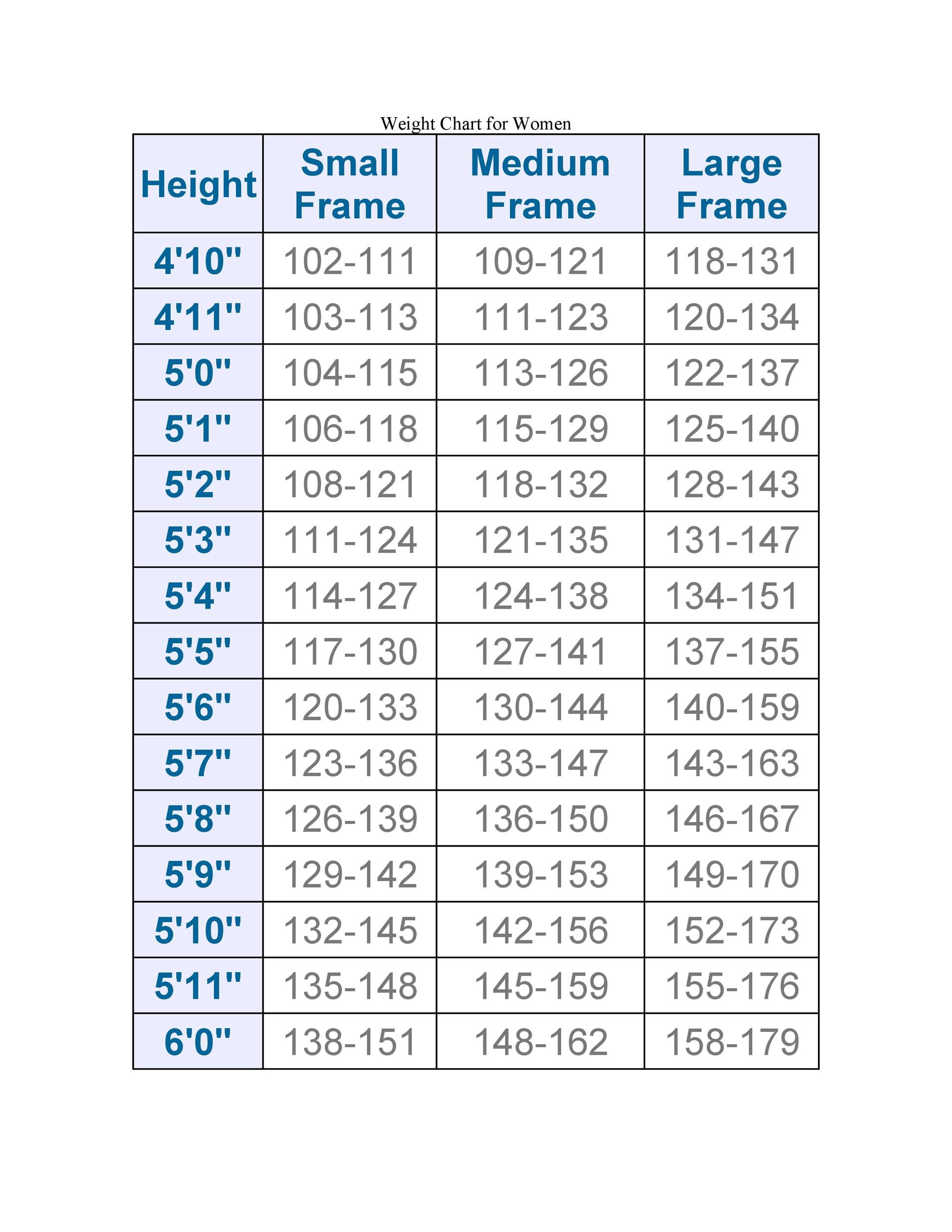
Quality of the Printable Resource
When it comes to printing your chart, the quality of the paper and printer settings can make a difference.
- Paper Type: Using a heavier cardstock can help the chart hold up better, especially if you plan to keep it for a long time or display it. If you want to laminate it, cardstock is ideal.
- Print Settings: Ensure your printer is set to high-quality printing to capture all the details clearly. Portrait layout tends to work better for most home printers, providing an easy-to-read format.
- Format: A PDF version often avoids reformatting issues that image files sometimes have, ensuring everything prints as intended.
By paying attention to these details, you’ll create a functional and attractive chart that you can easily refer to and update.
The Appropriate Height And Weight Chart is a powerful tool for parents wanting to actively engage in their child’s health journey. By understanding its layout and how to use it effectively, you can track your child’s growth with confidence. Remember, keeping this chart updated and reviewing it regularly can provide valuable insights into your child’s overall health.
