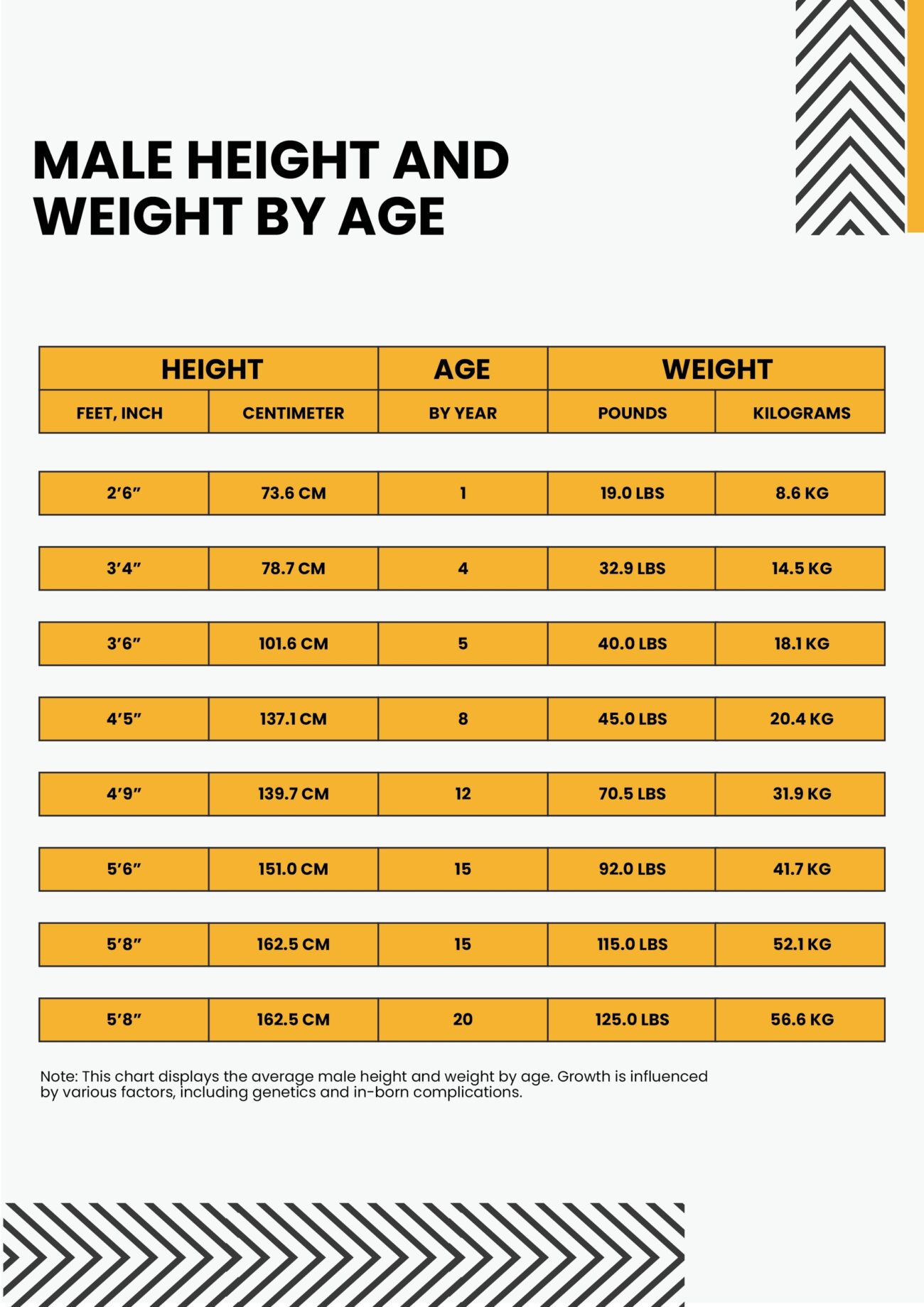
When it comes to understanding how age, height, and weight intersect, the Age Height Weight Chart For Men serves as a practical tool. This chart provides a clear and concise way for parents and caregivers to monitor growth and ensure that the men in their lives are maintaining a healthy weight relative to their height and age. It’s not just a chart; it’s a resource that can guide you in discussions about health and fitness, making it a vital addition to your printable resources collection.
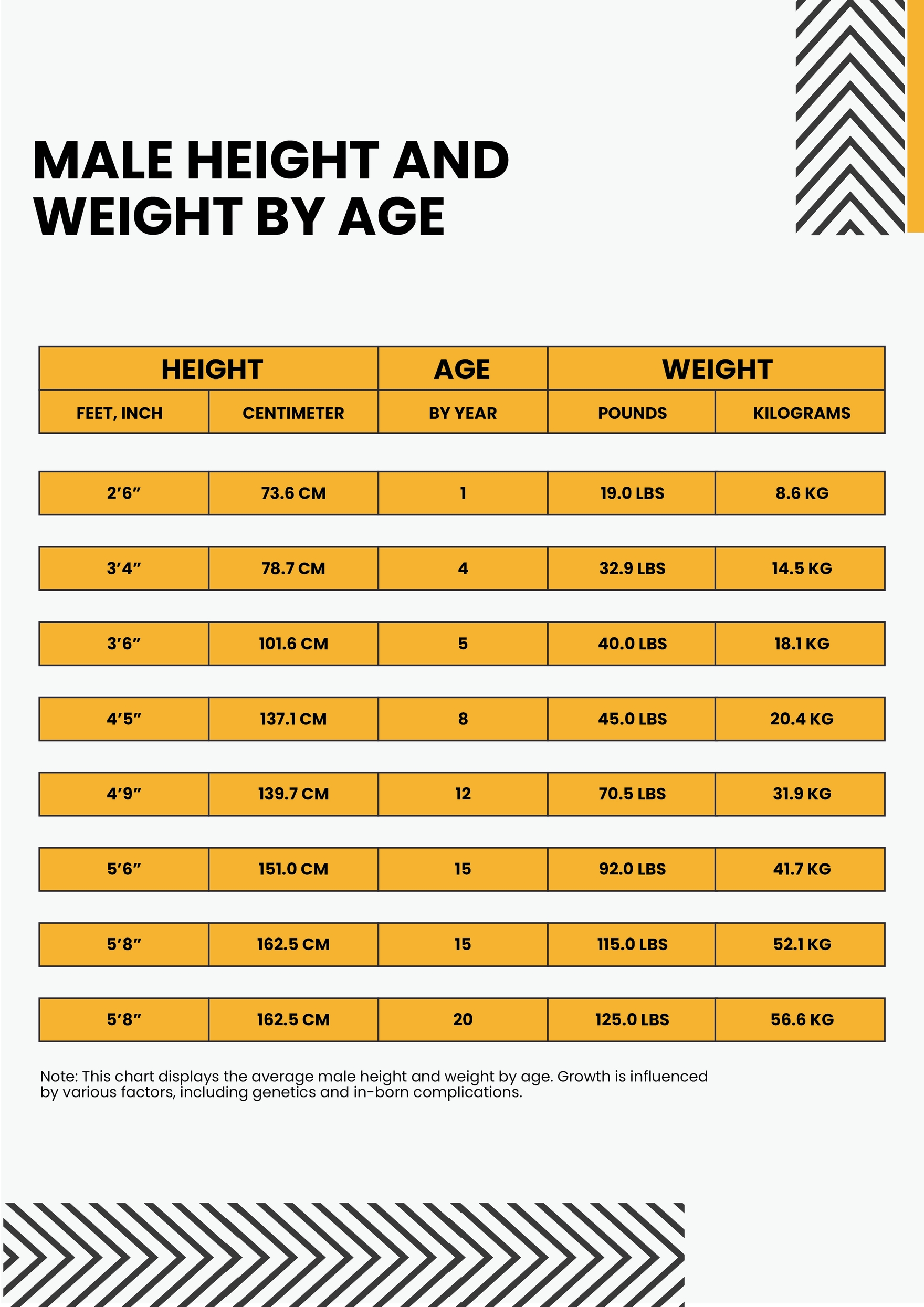
Understanding the Layout of the Age Height Weight Chart
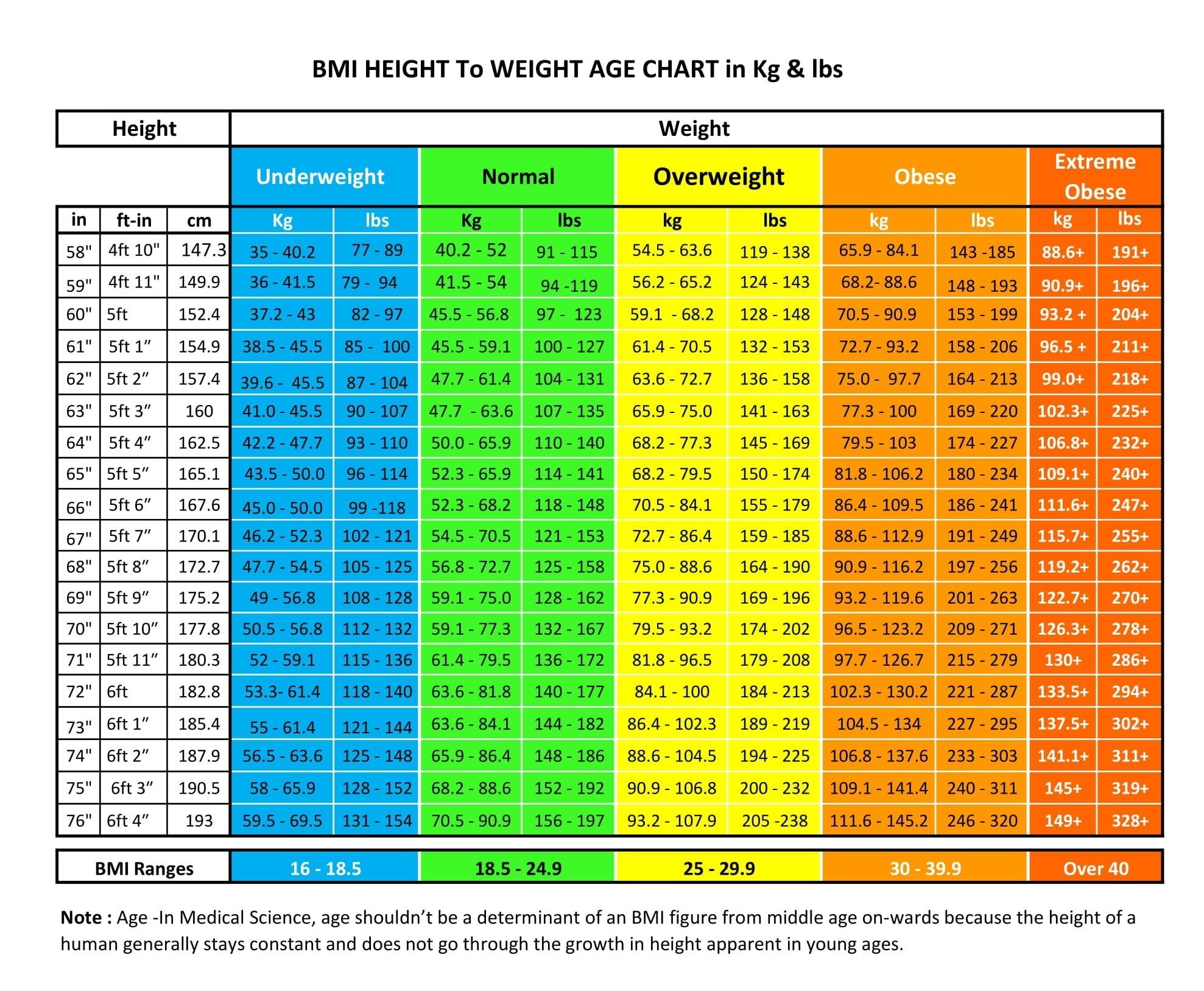
The Age Height Weight Chart For Men typically presents data in a straightforward format, allowing you to easily see the relationship between height and weight across different age ranges. The chart is generally organized by age groups, with height listed vertically and weight listed horizontally, which makes it simple to locate the desired information quickly.
In most versions of the chart, you’ll find:
- Age Groups: Usually segmented by years, often starting from age 18 and going up to age 80 or more.
- Height Measurements: Listed in inches or centimeters, depending on your preference.
- Weight Ranges: Presented in pounds or kilograms, showing what is considered a healthy weight for each height at various ages.
This layout enables you to quickly assess where a man’s measurements fall within the healthy range, making it easy to discuss any concerns with healthcare professionals if necessary.
How to Read and Use the Chart Effectively
Reading the Age Height Weight Chart For Men is straightforward. To use the chart, follow these simple steps:
- Locate Age: Find the age of the individual in question on the chart. This is usually the first column or row.
- Identify Height: Move across the row to find the corresponding height. If the individual’s height is between two listed heights, aim for the weight range that falls in between those heights.
- Check Weight Ranges: Once you have the height, look at the weight ranges that correspond to that height. This will give you a clear indication of whether the individual is within healthy weight limits.
Keep in mind that this chart serves as a guideline. Individual body composition and health factors can vary, so it’s essential to consider the overall health picture, not just the numbers.
Practical Uses for the Age Height Weight Chart
The Age Height Weight Chart For Men can be beneficial in several scenarios:
- Health Monitoring: Parents can regularly check their sons or family members against the chart to ensure they are growing appropriately.
- Fitness Planning: If you’re helping someone establish a fitness regimen, this chart can inform weight goals and track progress.
- Medical Consultations: When visiting a healthcare provider, having the chart handy can facilitate discussions about weight management and health.
Additionally, you can print this chart and hang it in a common area in your home or keep it in a planner for easy access. This way, you can refer to it as needed, whether for personal knowledge or when discussing health with family members.
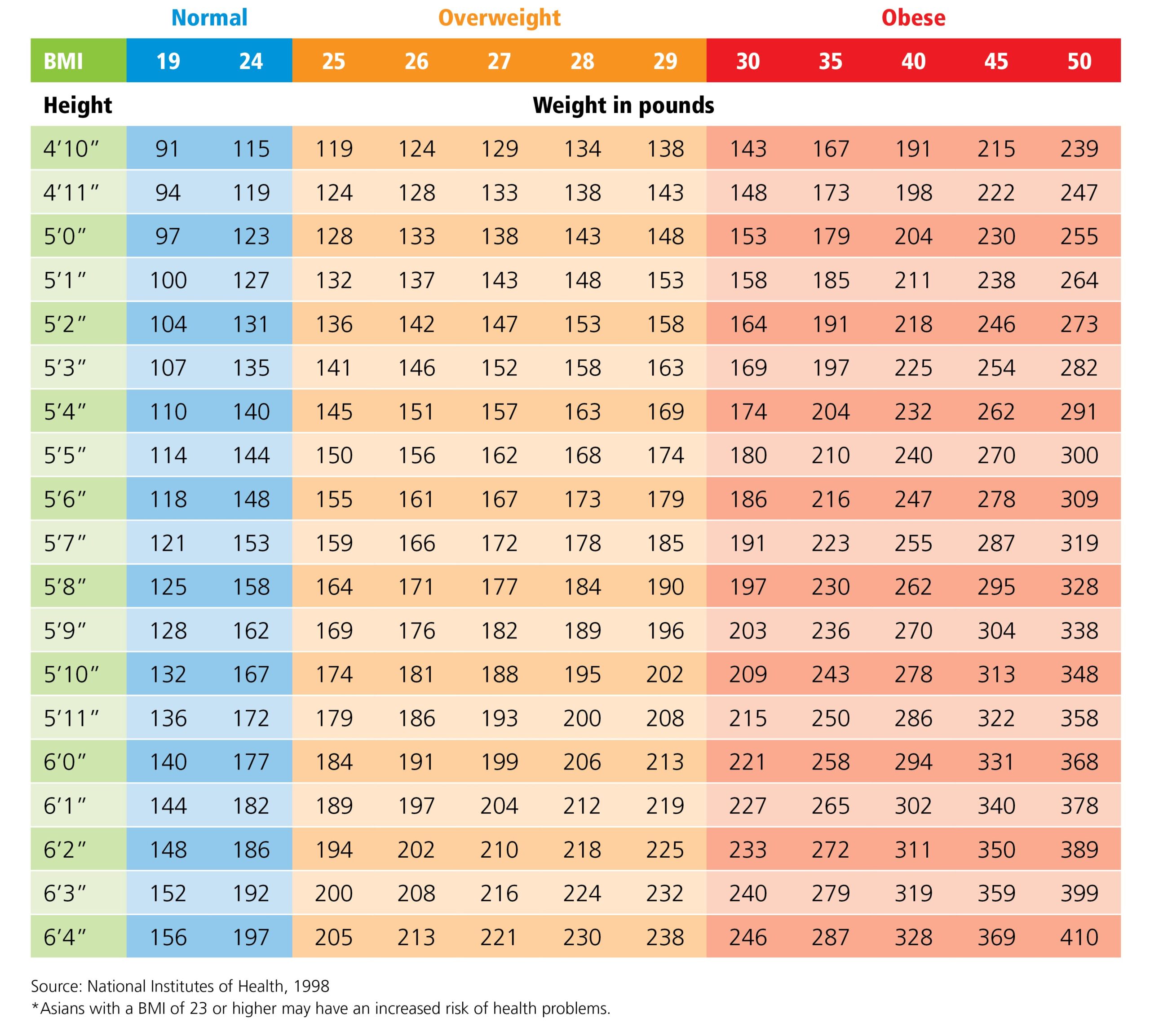
Presentation Quality for Printing the Chart
When it comes to printing the Age Height Weight Chart For Men, presentation matters. Here are some tips to ensure you get the best results:
- Paper Type: For a durable chart that can withstand frequent use, consider printing on cardstock. It’s sturdier than regular printer paper and holds up well, especially if you plan to laminate it.
- Size: Most charts are formatted for standard letter size (8.5 x 11 inches), which is convenient for home printers. However, if you prefer a larger format, you can adjust the settings on your printer for a poster-sized printout.
- Color vs. Black and White: While a color printout can make the chart more visually appealing, a black and white version is often easier to read and less costly to print. Choose based on your preference and available resources.
Taking these steps ensures that your chart remains clear and functional, making it easier to read and refer back to when needed.
