Tracking your baby’s growth is one of the most important aspects of parenting, especially in those early months. At 10 months old, your baby is becoming more active and curious about the world around them. Understanding the 10 Month Old Baby Weight Chart UK can help you monitor their development and ensure they’re on track with their weight gain. This chart provides a helpful tool for parents to understand average weight ranges and what to expect as your little one grows.
Understanding the 10 Month Old Baby Weight Chart UK
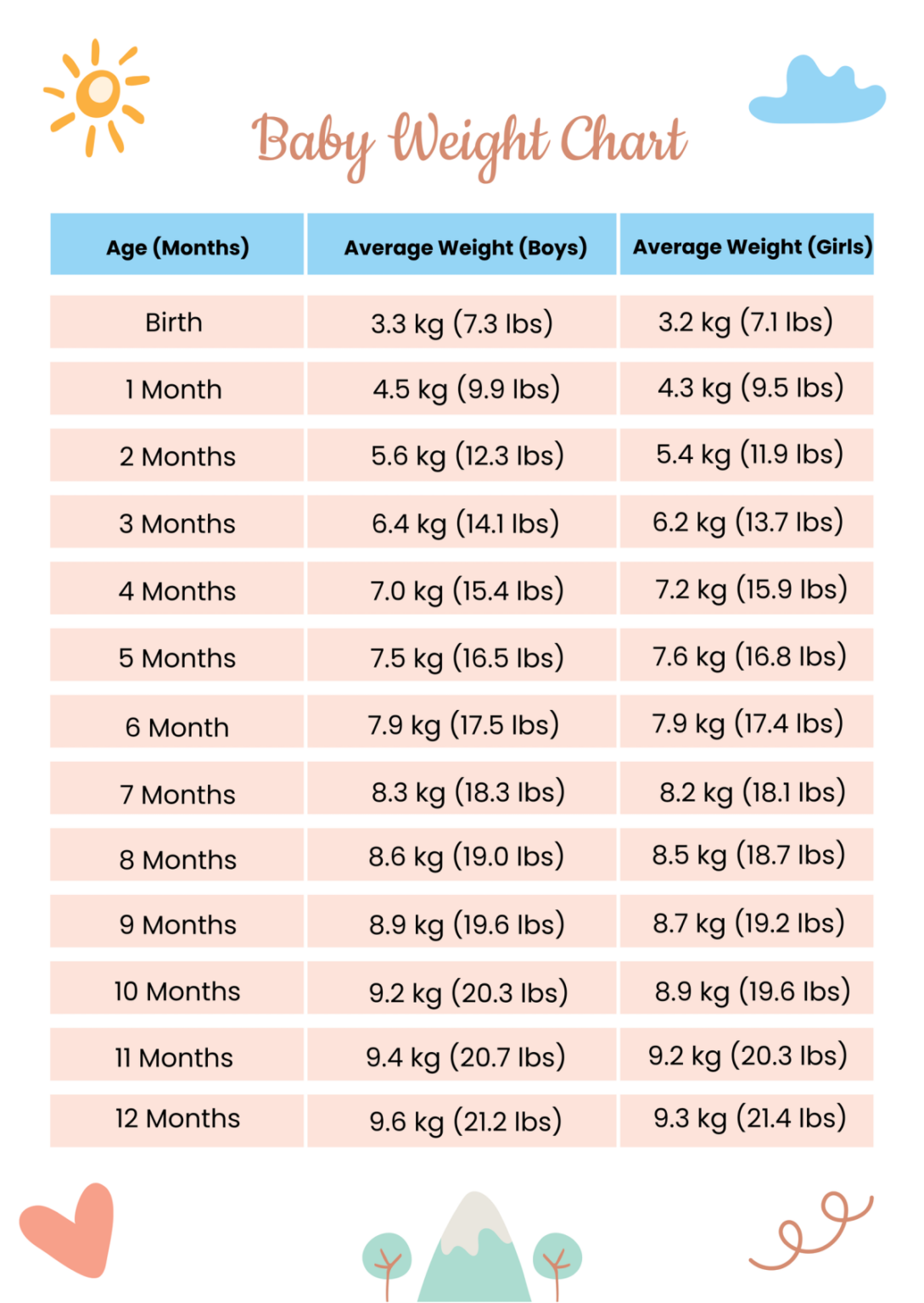
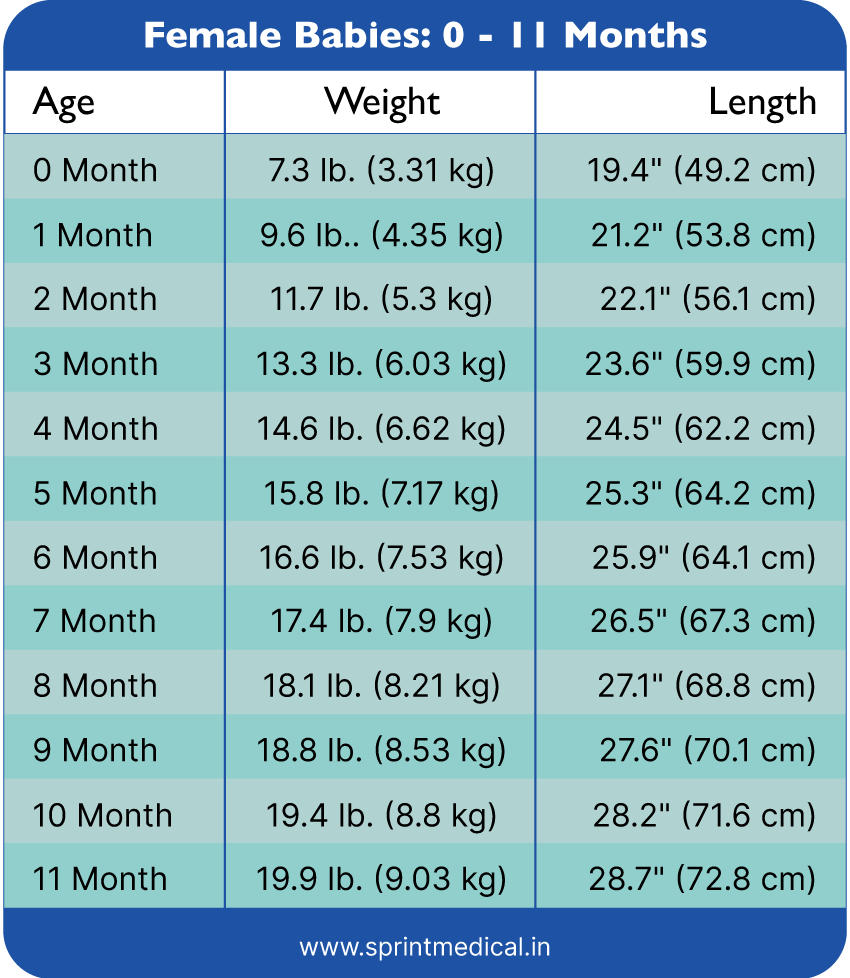
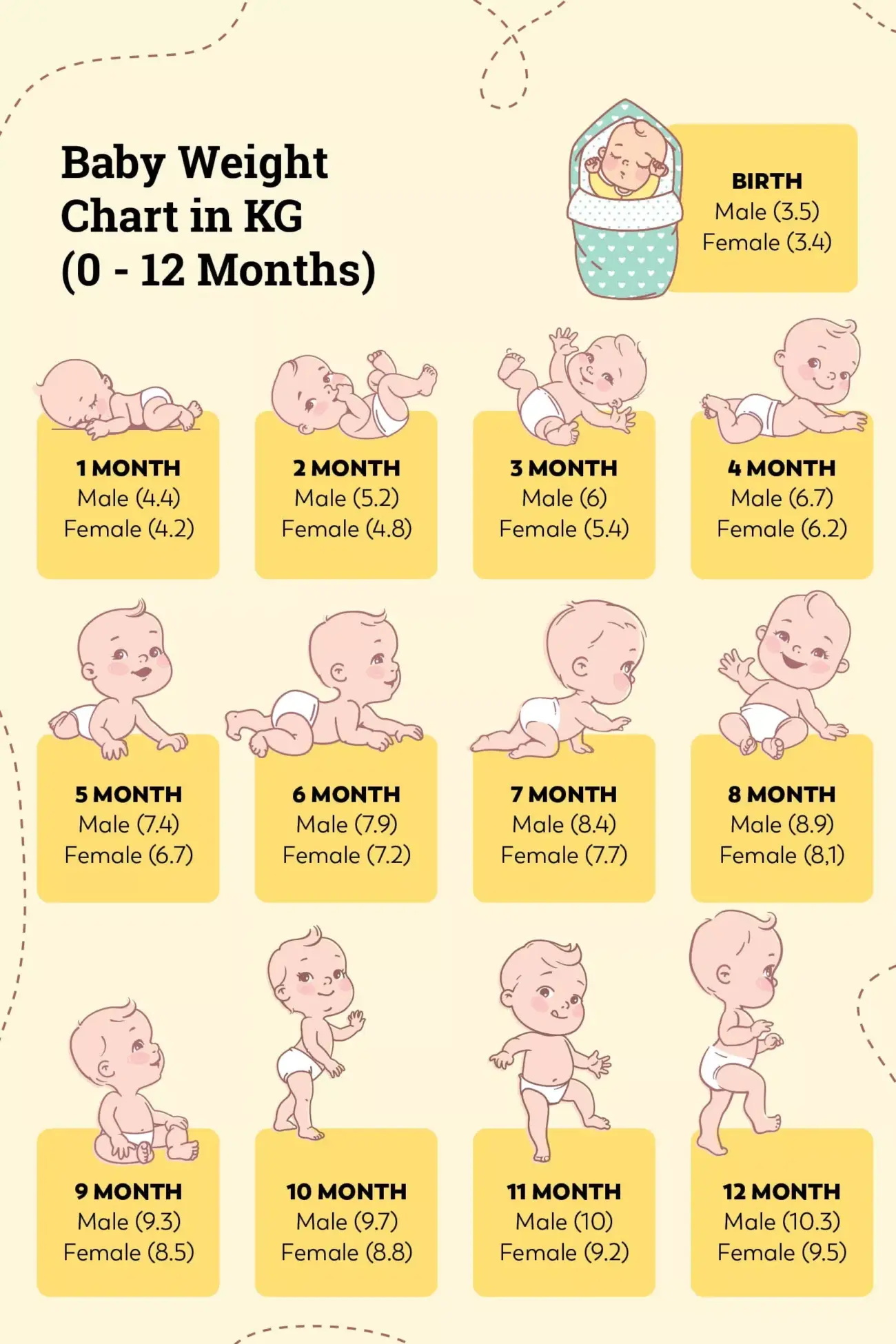
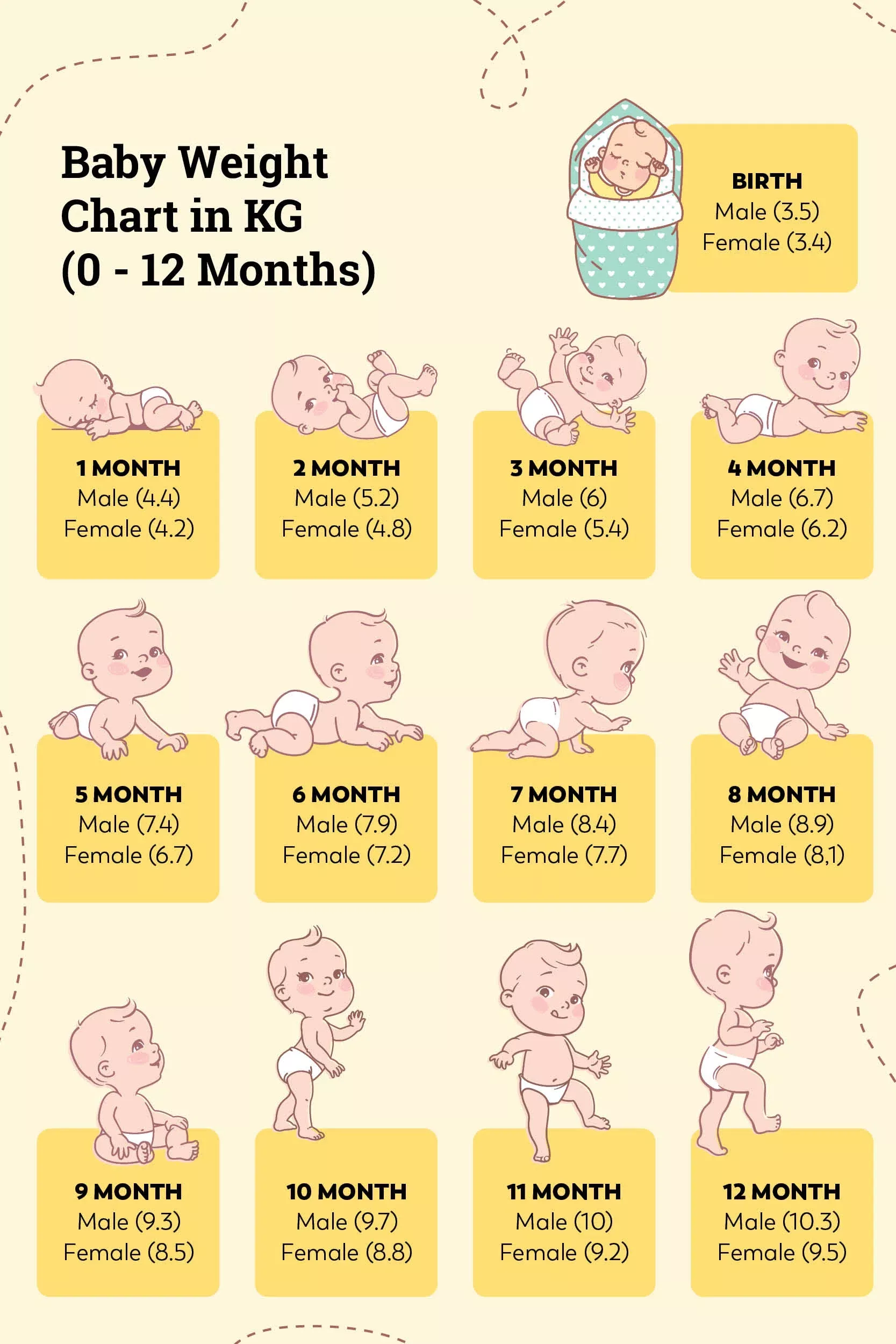
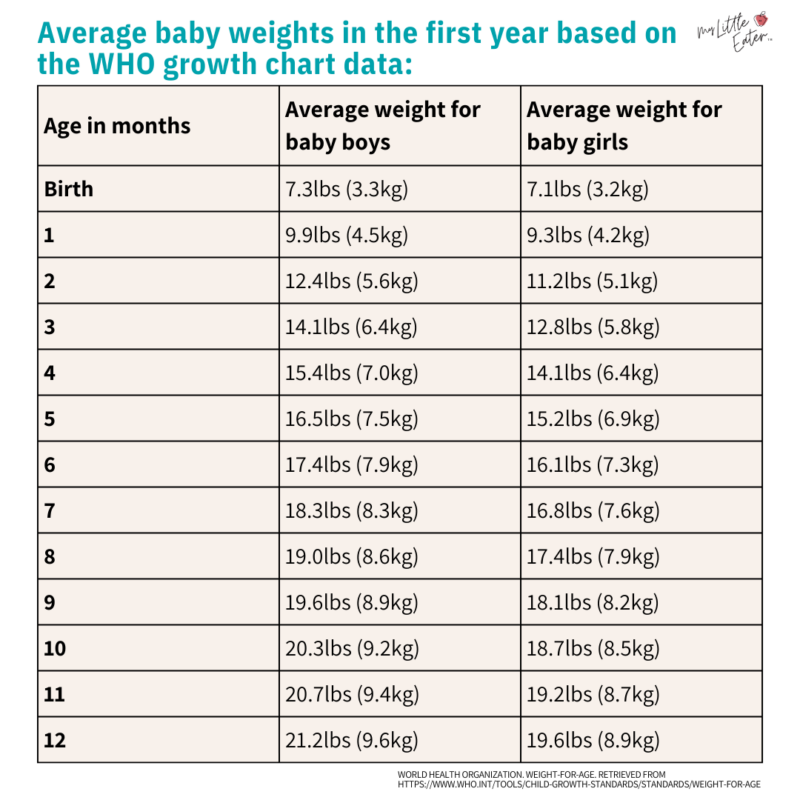
The 10 Month Old Baby Weight Chart UK is designed based on data from pediatric growth standards. It typically includes a range of weights for boys and girls, allowing you to compare your baby’s weight against these benchmarks. Generally, at this age, boys weigh between 8.5 kg (18.7 lbs) and 10.5 kg (23.1 lbs), while girls usually weigh between 7.5 kg (16.5 lbs) and 9.5 kg (20.9 lbs).
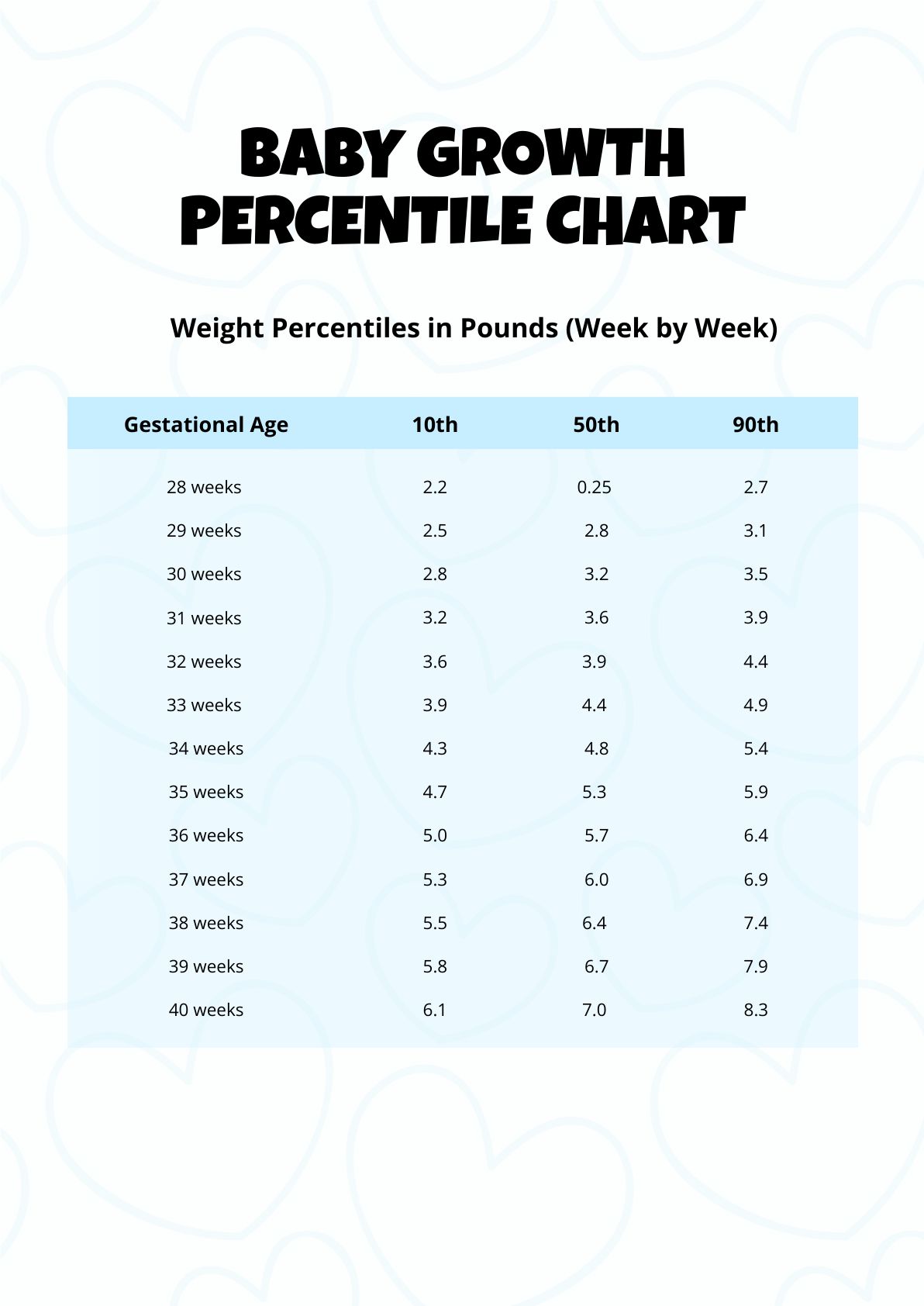
Using this chart is straightforward. You will need to know your baby’s weight, which you can obtain from a recent visit to the pediatrician or by weighing them at home. Once you have that number, locate it on the chart to see where your baby falls within the growth percentiles. If your baby’s weight is below the 3rd percentile or above the 97th percentile, it might be a good idea to consult a healthcare professional for personalized advice.
How to Use the Weight Chart Effectively
To make the most out of the 10 Month Old Baby Weight Chart UK, here are some steps to follow:
- Weigh Your Baby Regularly: Consistency is key. Weigh your baby every month to track their progress accurately.
- Document the Weight: Create a simple log or use a printable tracker to record your baby’s weight over time. This will help you visualize their growth.
- Refer to the Chart: After documenting the weight, compare it with the chart. Take note of any significant changes or trends.
- Consult with a Healthcare Provider: If you notice your baby consistently falling outside the average range, reach out to a pediatrician. They can provide guidance tailored to your baby’s specific needs.
- Consider Other Factors: Weight is just one aspect of growth. Keep in mind your baby’s height, head circumference, and developmental milestones.
Digital Vs. Printable Weight Charts
When it comes to keeping track of your baby’s weight, you have options: digital or printable charts. Each has its advantages.
Digital Charts
Digital charts are accessible via apps or online platforms. They often come with additional features, such as:
- Automatic Updates: Many apps automatically adjust percentiles as new data is added.
- Reminders: Set notifications for monthly weigh-ins.
- Data Sharing: Easily share your baby’s growth information with healthcare providers.
Printable Charts
On the other hand, printable charts allow for a hands-on approach:
- Easy to Use: Print a physical copy and keep it in a baby book or on your fridge for quick reference.
- Customization: You can easily modify a printed template to suit your needs, adding notes or observations.
- No Tech Needed: These are perfect for parents who prefer a break from screens.
Choosing between the two depends on your personal preference and lifestyle. If you opt for a digital format, ensure you have a reliable device to access the chart. For printable charts, consider using high-quality paper for durability, especially if you’re planning to keep this as a keepsake.
Growth Milestones to Consider Alongside Weight
Tracking weight is important, but it’s equally vital to watch for other developmental milestones. By 10 months, your baby should be reaching several key milestones, including:
- Sitting Up: Most babies can sit without support by this age.
- Crawling: Many will start crawling, which can affect their weight as they become more active.
- Babbling: Look for increased vocalization and attempts to communicate.
- Social Engagement: Your baby should show interest in interactions with family and friends.
These milestones can provide context for your baby’s weight. For example, if your baby is crawling regularly, a slight dip in weight may not be a cause for concern, as they’re burning more calories.
The Importance of Nutrition in Baby’s Growth
Nutrition plays a crucial role in your baby’s growth and weight gain. At 10 months, your baby is likely starting to enjoy a variety of solid foods in addition to breastmilk or formula. Here are some tips for ensuring your baby is getting the right nutrition:
- Balanced Diet: Introduce a variety of fruits, vegetables, grains, and proteins to provide essential nutrients.
- Monitor Allergies: Be cautious with common allergens and introduce them one at a time.
- Hydration: Ensure your baby is drinking enough fluids, particularly if they are eating solid foods.
You can keep a food diary to track what your baby eats. This will help you identify any dietary patterns that may affect their weight.
10 Month Old Baby Weight Chart Uk Gallery