Keeping track of your baby’s growth is a vital part of parenthood. As a parent, it can be both exciting and a little daunting to see how your little one is developing. A 1 Year Baby Height And Weight Chart helps you monitor your child’s growth patterns, ensuring they are on track with their development milestones. This printable resource is not just a chart; it’s a tool that can help you visualize and understand your baby’s growth journey.
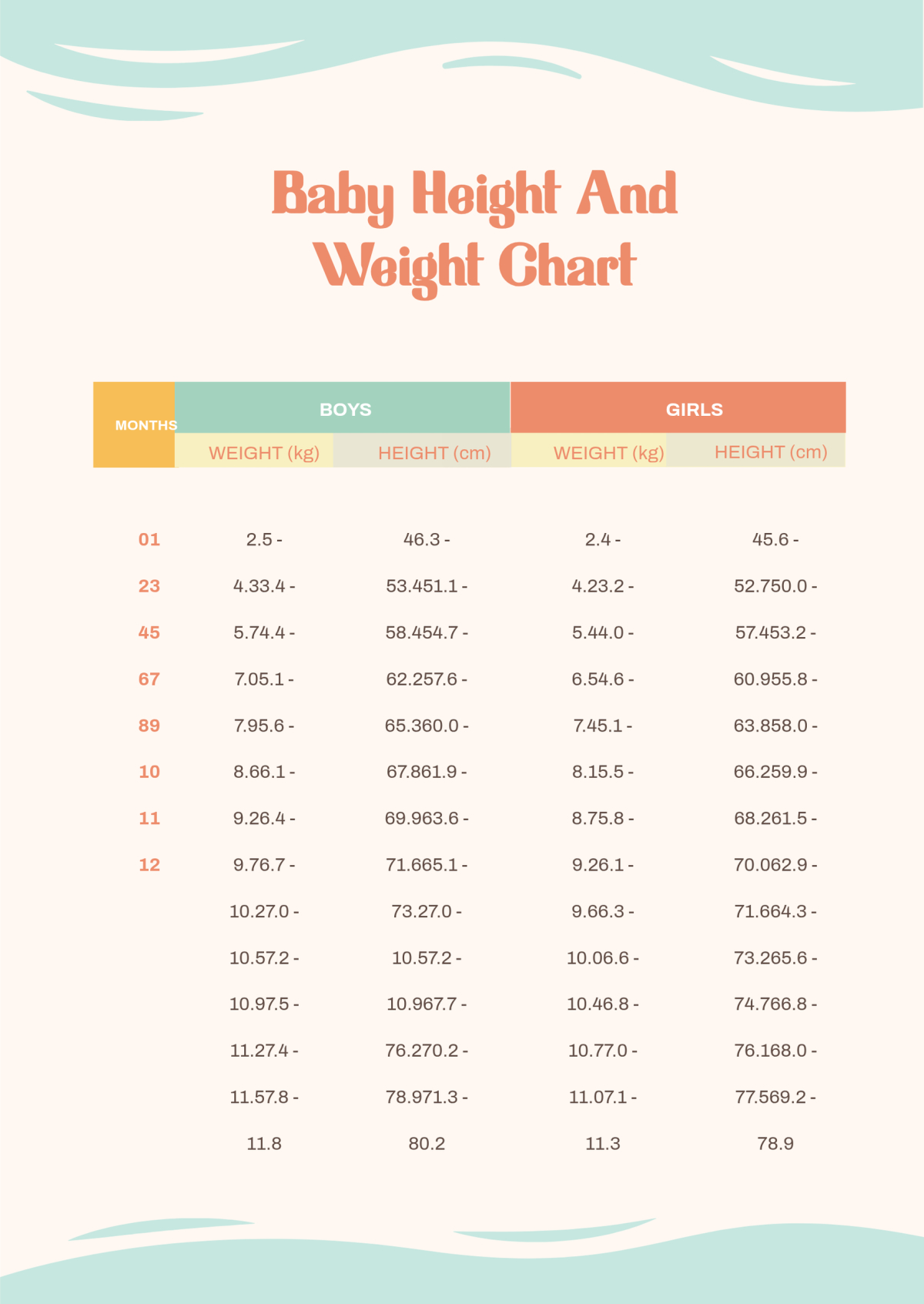
Understanding the Importance of a Height and Weight Chart
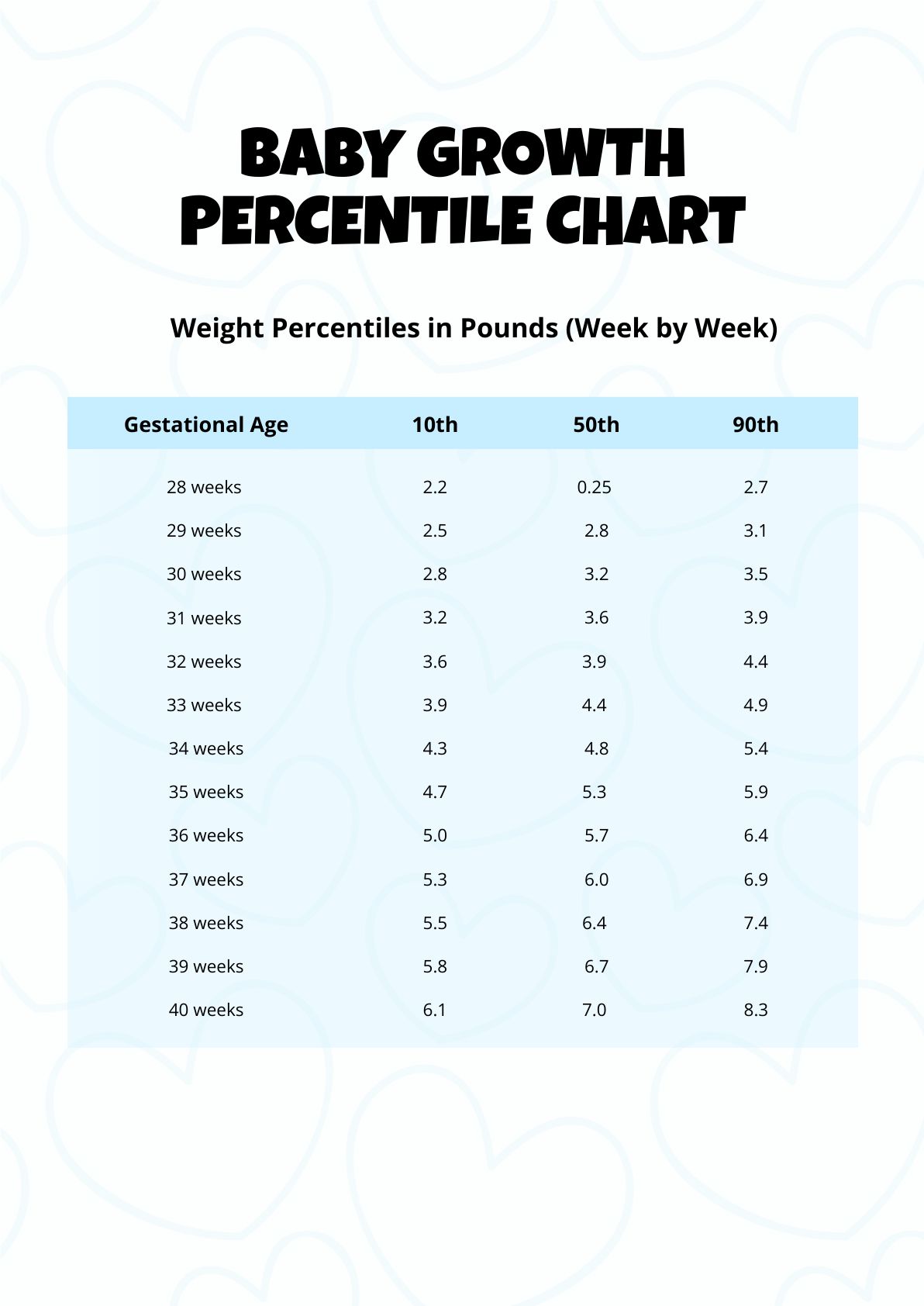
Every parent knows that growth charts are essential. They provide a visual representation of how your child is growing compared to peers. Height and weight are crucial indicators of health and development. A 1 Year Baby Height And Weight Chart allows you to see if your child is growing at a healthy rate. Here are a few reasons why this chart is important:
- Tracking Development: Regularly recording your baby’s height and weight helps you notice any significant changes over time.
- Identifying Trends: Are they growing steadily? Or is there a sudden drop or spike in growth? This chart can help you spot these trends.
- Consulting Healthcare Providers: Having accurate records makes it easier to discuss your child’s growth with your pediatrician during check-ups.
How to Use the 1 Year Baby Height And Weight Chart
Using the chart is straightforward, but it requires consistency. Here’s a step-by-step guide on how to make the most of this resource:
- Download and Print: Start by downloading the 1 Year Baby Height And Weight Chart from a reliable resource. Ensure you print it in a standard letter size (8.5 x 11 inches) for easy handling.
- Gather Measurements: Every month, measure your baby’s height and weight. For height, use a flat surface and a wall to ensure accuracy. Weigh your baby using a baby scale, which is typically more accurate than regular scales.
- Fill in the Chart: Enter the date, height, and weight on the chart. Make sure to use the correct units (inches for height and pounds for weight).
- Analyze the Data: After a few months of tracking, take a moment to review the data. Look for patterns. Are they consistently following the same percentile line?
- Consult When Necessary: If you notice significant deviations in growth patterns, don’t hesitate to bring this up with your pediatrician. They can provide insight and guidance based on your child’s individual health needs.
What to Expect in Your Baby’s Growth During the First Year
The first year of your baby’s life is filled with rapid changes. Understanding what to expect can help you use the height and weight chart effectively:
- Birth to 6 Months: Babies typically double their birth weight by about 5 months. They usually grow about 1 to 1.5 inches in length each month.
- 6 to 12 Months: Growth may start to slow down. During this time, you might see an average weight gain of about 0.5 to 1 pound per month and an increase in height of about 0.5 inches each month.
These benchmarks are general guidelines. Every baby is unique, and growth can vary significantly from one child to another.
Common Mistakes to Avoid When Using the Chart
While keeping a height and weight chart is a great practice, there are common pitfalls to avoid:
- Inconsistent Measurement: Always measure your baby at the same time of day and under similar conditions. This helps ensure the accuracy of your data.
- Ignoring Percentiles: Understand how to read the percentiles on the chart. A baby in the 50th percentile is average, while those in the 90th percentile are taller or heavier than 90% of their peers. Don’t panic if your child falls above or below average; they may just be following their own growth curve.
- Not Updating Regularly: Set reminders to update the chart monthly. This consistency is key to spotting trends.
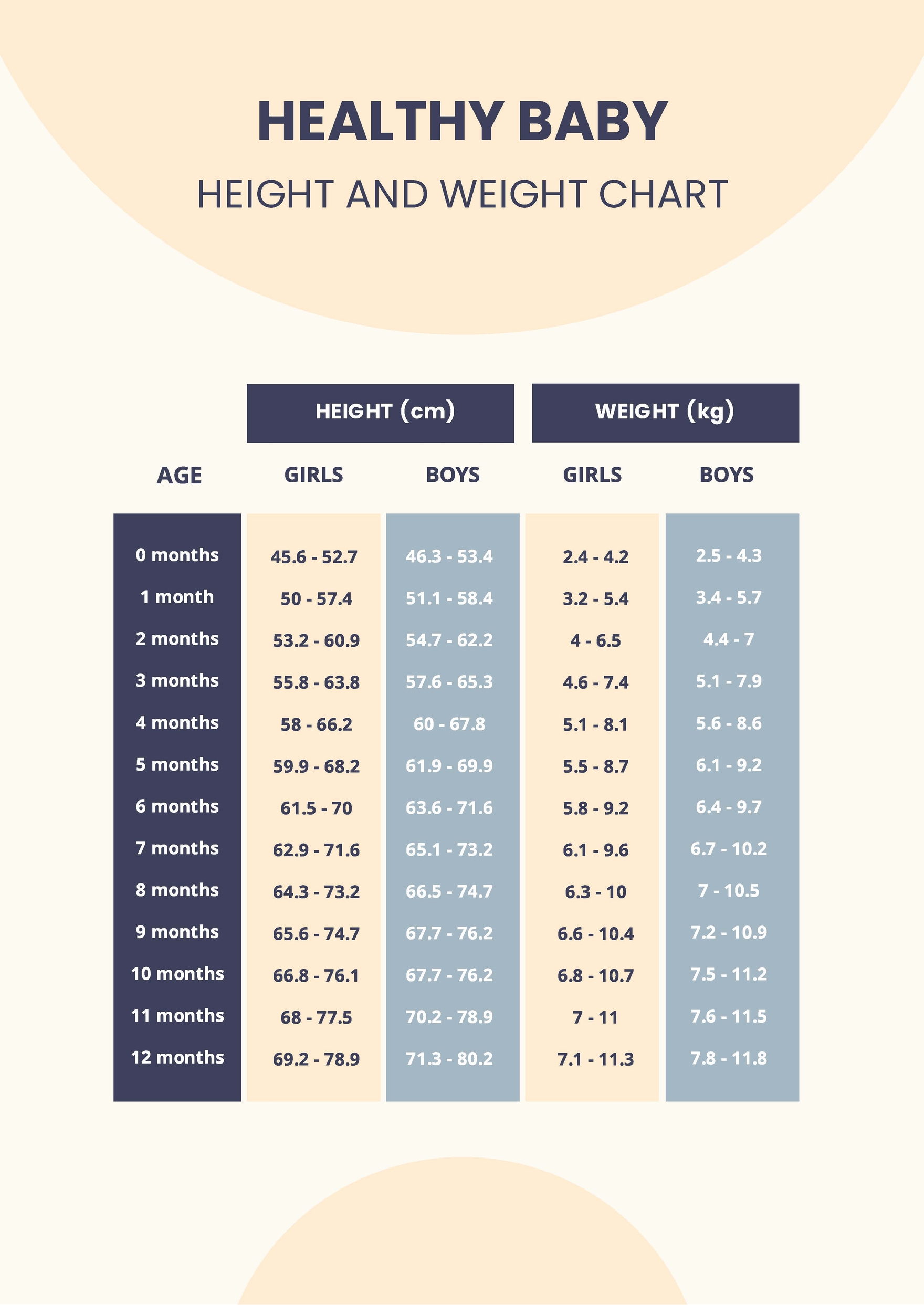
Where to Keep the Height and Weight Chart
After filling out the chart, think about where to store it. Here are a few ideas:
- Baby Book: If you’re keeping a baby book, consider placing the chart in there. This way, you can have a comprehensive record of milestones.
- Fridge Magnet: If you want to keep it visible, consider attaching it to your fridge as a constant reminder to update it.
- Digital Copies: You can also take a photo of the filled chart and save it on your phone or computer for easy access.
Incorporating the 1 Year Baby Height And Weight Chart into your routine can provide peace of mind as you navigate your baby’s development. Remember, the goal is to create a clear path of your child’s growth and health. By downloading, printing, and regularly updating this chart, you will have a reliable resource to refer to during those important pediatric visits.
So, grab your chart today and start tracking your baby’s growth with confidence!
