Understanding how much water weighs is vital for many everyday tasks, especially if you’re involved in gardening, cooking, or even science projects with your kids. The 1 Gal Water Weight Conversion Chart is an incredibly helpful tool for anyone needing to convert gallons to pounds or other measurements. Knowing this information can make your life easier and more organized, especially when you’re managing various activities at home.
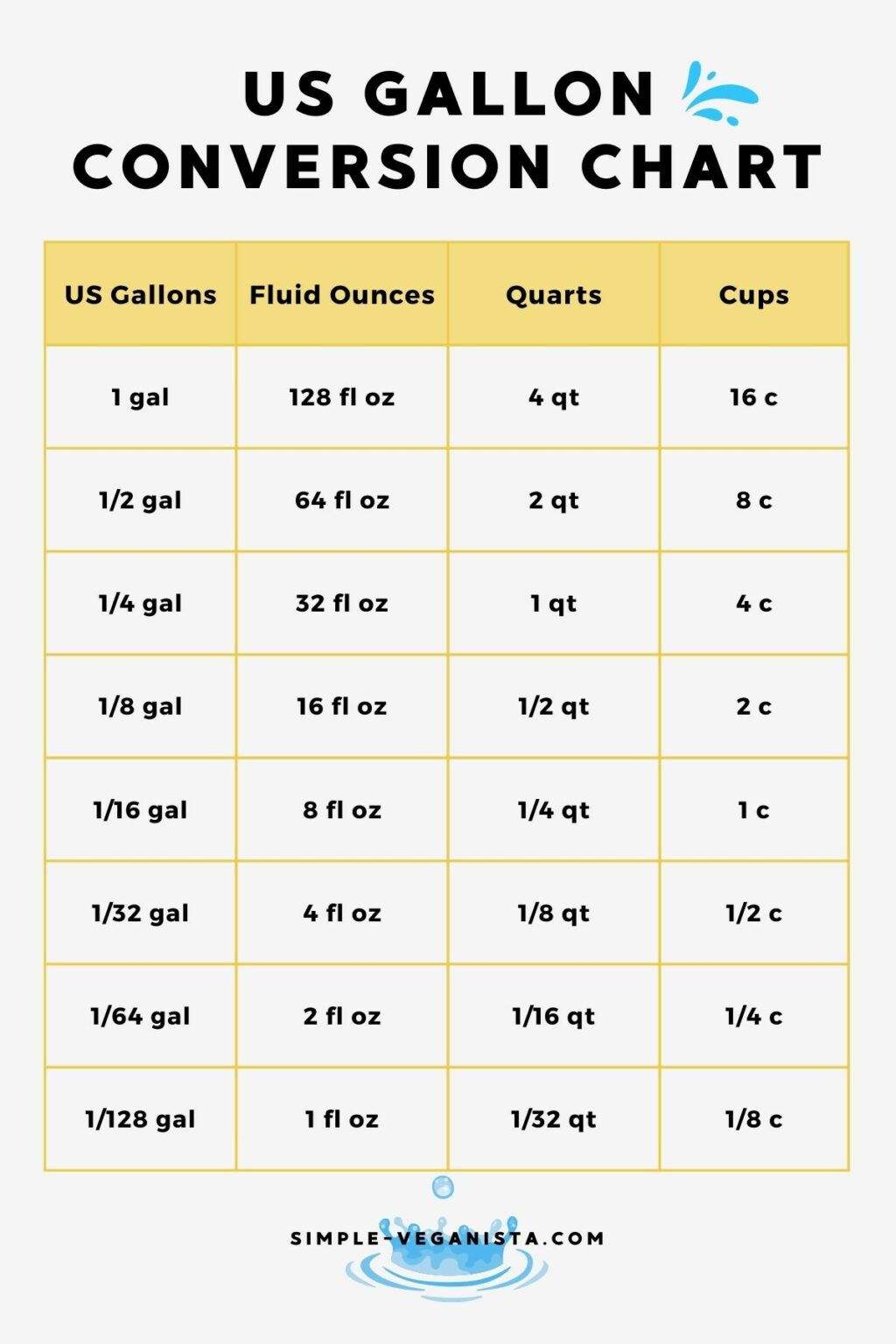
Why Knowing Water Weight Matters
Water has a consistent weight that can help you make informed decisions in various situations. If you are measuring ingredients for a recipe, filling up your garden, or managing hydration for kids, understanding water weight is crucial. For instance, 1 gallon of water weighs about 8.34 pounds. This knowledge can help you select the right containers, calculate the amount of water needed for your plants, or even understand how much you’re drinking daily.
How to Use the 1 Gal Water Weight Conversion Chart
The 1 Gal Water Weight Conversion Chart is designed to simplify your calculations. It’s typically laid out in a straightforward format, allowing you to see how many pounds correspond to gallons and vice versa. Here’s a step-by-step guide to help you utilize this chart effectively:
- Download the Chart: Look for a printable version that you can easily keep in your kitchen or gardening space. PDFs work best as they maintain formatting across different devices.
- Understand the Layout: The chart usually presents gallon measurements in one column and the corresponding weight in pounds next to it. Some charts may also include conversions to quarts and liters, providing a comprehensive resource.
- Fill in Your Needs: If you’re measuring for a specific task, you can write down the number of gallons you plan to use and refer to the chart to find the weight. This is especially useful for cooking or when mixing soil for gardening.
- Make Your Calculations: If you need to convert pounds back to gallons, the chart simplifies this process too. Just find the weight in pounds on the chart to see how many gallons that translates to.
- Keep It Accessible: Store your chart in a place where you can quickly reference it, whether it’s on your fridge, in a planner, or laminated for durability.
Practical Applications for Home and Family
Now that you know how to use the 1 Gal Water Weight Conversion Chart, let’s explore some practical applications in everyday life.
Cooking
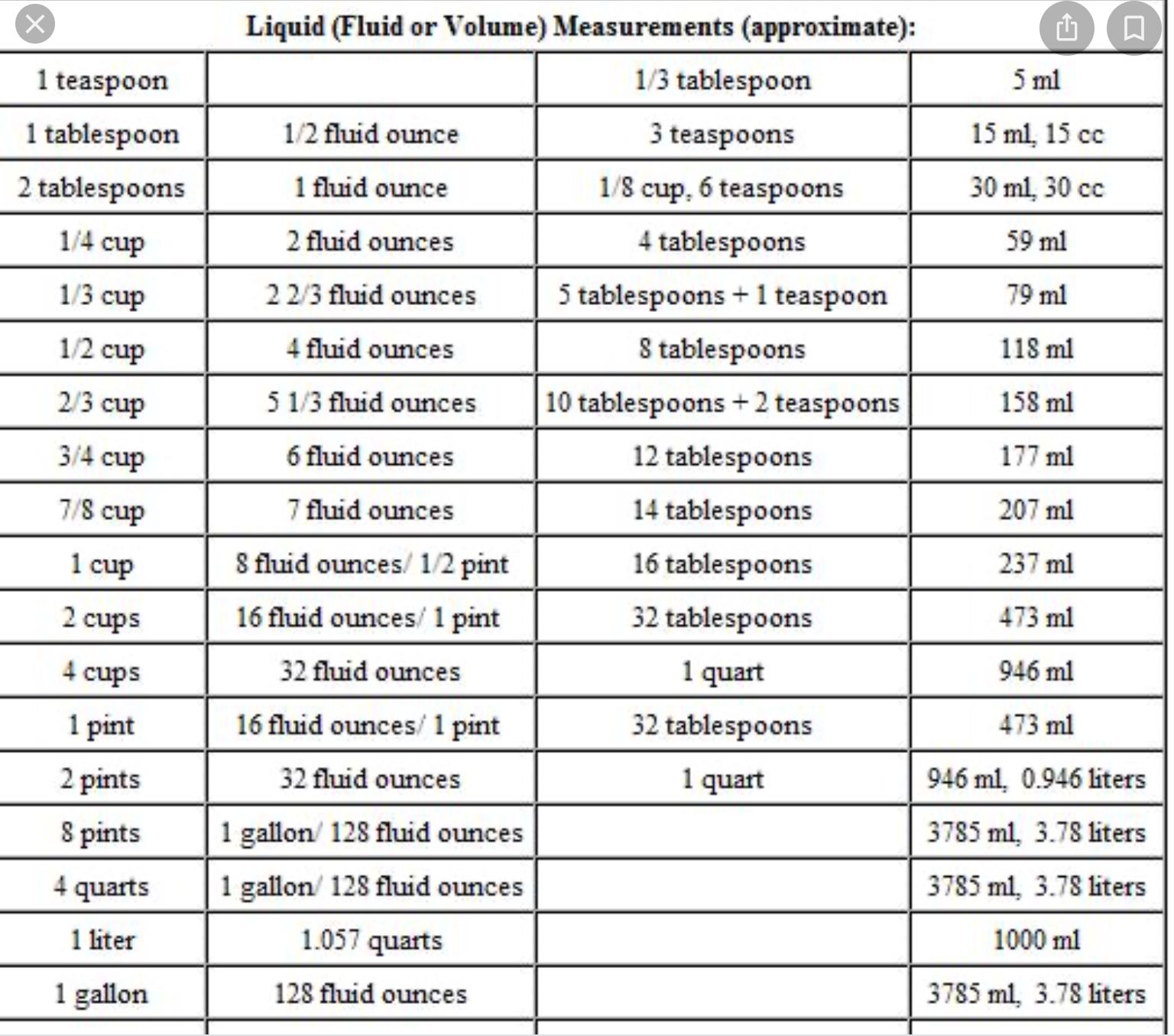
When preparing meals, especially when baking, precision in measurements is crucial. Many recipes will require water or liquid measurements in gallons, quarts, or cups. For instance, if a recipe calls for 1 gallon of water, you can easily convert that to pounds using your chart. This can be particularly helpful if you’re scaling recipes up or down.
Gardening
If you’re nurturing a garden, knowing how much water you’re applying is essential. The chart can help you determine how many pounds of water your plants get based on how many gallons you’re using. This ensures you’re not over or under-watering your plants, promoting healthier growth.
Hydration Tracking
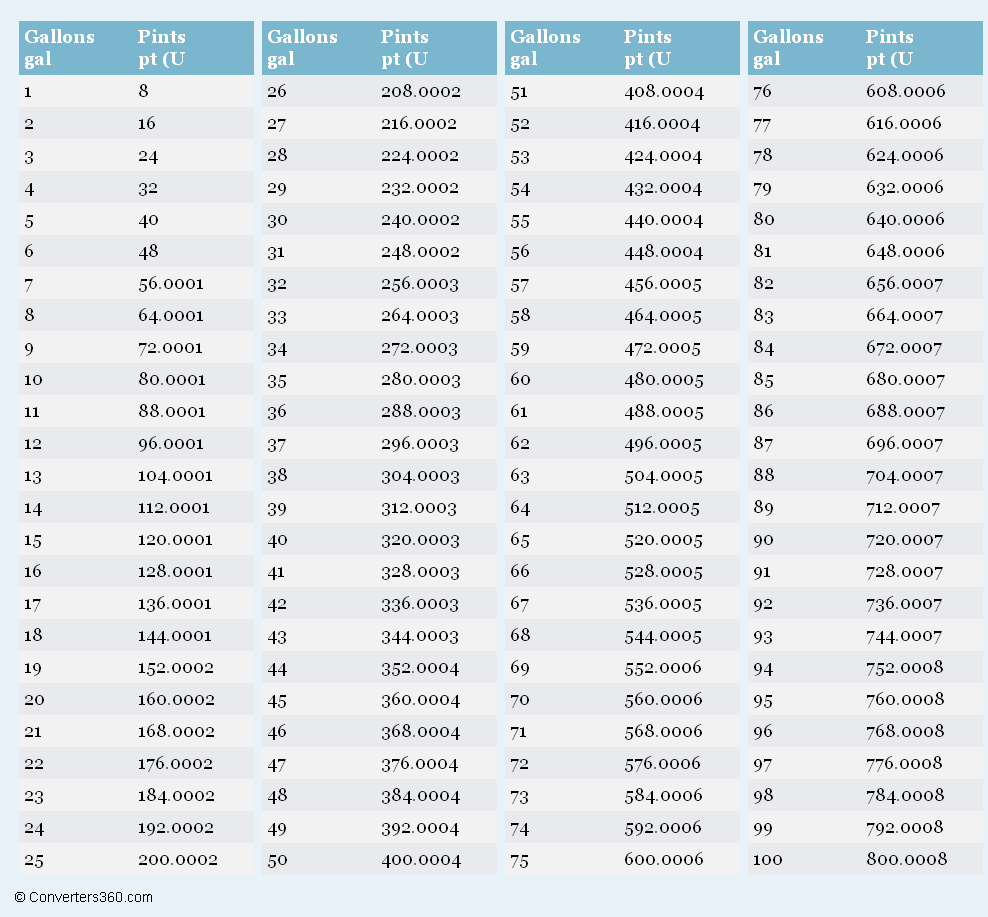
Keeping track of how much water your family consumes can be made easier with the conversion chart. You can record daily water intake in gallons and convert it to pounds to better understand hydration levels. This can be a fun activity to engage with your kids, teaching them about health and nutrition.
Tips for Downloading and Printing
When it comes to getting your 1 Gal Water Weight Conversion Chart ready for use, here are some helpful tips:
- Choose the Right Paper: For a chart you’ll frequently reference, consider printing it on cardstock. This will make it more durable and less likely to tear or bend.
- Select Portrait or Landscape: Depending on your space, you may want to choose portrait layout for easy hanging or landscape for easier reading on a table.
- Print Settings: Ensure that your print settings are set to ‘Actual Size’ to maintain the chart’s proportions. This avoids any resizing issues that can occur.
- Laminating: If you want to keep the chart safe from spills or stains, laminating it can be a great option. This will allow you to use dry-erase markers to jot down notes or highlight important measurements.
